
 The Holiday Collection

The short answer: The best Christmas candy to make at home falls into two groups. No-cook treats like peppermint bark, buckeyes and chocolate pretzels need only melted chocolate and a fridge. Cooked classics like fudge, toffee, caramels and peanut brittle need a candy thermometer.
Our picks for christmas candy

Printables
Family Recipe Binder
Section dividers, four recipe page layouts with room for the family story, 4x6 and 3x5 cards and a conversion chart - print it or type into the fillable version.
 Save 38%
Bundles
Holiday Season Bundle
Plan Christmas, save for it all year, and host without the January money hangover.
Make the long-keeping candies first in early December, the chocolate ones last, and pack everything in airtight tins. Below are 20 recipes to choose from, a sugar stage chart and a gift-packing plan.
Anything chocolate is my favorite dessert, so a candy day in December is one of my favorite traditions. A Christmas Budget & Gift Planner ($4.99) keeps the candy list, the ingredient budget and the who-gets-a-tin list in one place.
20 Christmas candy ideas
| Candy | Method | Thermometer? | Keeps |
|---|---|---|---|
| Peppermint bark | Layered melted chocolate | No | 2 weeks |
| Chocolate-covered pretzels | Dipped | No | 2 weeks |
| Pretzel kiss bites | Baked 4 minutes | No | 2 weeks |
| Haystacks | Melted chocolate and chow mein noodles | No | 1 to 2 weeks |
| Rum balls | Crushed vanilla wafers, cocoa and rum | No | 2 to 3 weeks |
| Buckeyes | Peanut butter balls dipped in chocolate | No | 1 to 2 weeks chilled |
| Chocolate truffles | Ganache rolled in cocoa | No | 1 to 2 weeks chilled |
| Cookie truffle balls | Crushed cookies and cream cheese | No | 1 week chilled |
| Microwave fudge | Chocolate chips and sweetened condensed milk | No | 1 to 2 weeks |
| Slow cooker candy clusters | Peanuts and melted chocolate | No | 2 weeks |
| Saltine toffee (Christmas crack) | Baked toffee layer | No | 1 to 2 weeks |
| Chocolate bark with nuts and fruit | Spread and topped | No | 2 weeks |
| Classic fudge | Cooked sugar | Yes, soft ball | 1 to 2 weeks |
| Caramels | Cooked sugar and cream | Yes, firm ball | 2 to 3 weeks |
| Turtles | Pecans, caramel and chocolate | Yes, for caramel | 2 weeks |
| Marshmallows | Whipped sugar syrup | Yes, firm ball | 2 weeks |
| Divinity | Whipped egg whites and syrup | Yes, hard ball | 1 week |
| Pralines | Pecans in brown sugar candy | Yes, soft ball | 1 to 2 weeks |
| English toffee | Butter and sugar | Yes, hard crack | 2 to 3 weeks |
| Peanut brittle | Sugar, corn syrup and peanuts | Yes, hard crack | 2 to 3 weeks |
| Hard candy and lollipops | Sugar syrup, flavor and color | Yes, hard crack | 3 weeks or more |
Keep times are rough guides for airtight tins at cool room temperature unless marked chilled. Humid kitchens shorten them, especially for brittle and hard candy.
For the most famous no-thermometer candy, see our Christmas crack recipe. For a no-cook snack mix to fill gift bags, try our puppy chow recipe.
Candy thermometer stages
| Stage | Temperature | Used for |
|---|---|---|
| Soft ball | 235°F to 245°F | Fudge, pralines |
| Firm ball | 245°F to 250°F | Caramels, marshmallows |
| Hard ball | 250°F to 265°F | Divinity, nougat |
| Soft crack | 270°F to 290°F | Butterscotch, taffy |
| Hard crack | 300°F to 310°F | Toffee, brittle, hard candy, lollipops |
Test your thermometer before candy day. It should read 212°F in boiling water at sea level. If it reads 210°F, cook every recipe 2 degrees lower.
How to plan a Christmas candy day
- Pick four to six candies. Mix two no-cook treats with two or three cooked ones.
- Write one shopping list. Group shared ingredients: chocolate, sugar, butter, cream, nuts and sweetened condensed milk.
- Make long keepers first. Brittle, toffee, caramels and hard candy can go the first weekend of December.
- Make chocolate treats next. Bark, truffles and buckeyes go the week you plan to give them.
- Cool and store each batch separately. Label every container with the name and date.
- Pack tins last. Fill them the day before you deliver.
Sugar syrup gets much hotter than boiling water. Stay at the stove while it cooks, and keep children and pets out of the way. The NFPA cooking safety guide advises staying in the kitchen while food boils and checking on it often. It also notes that Christmas Day and Christmas Eve rank right behind Thanksgiving for home cooking fires.
Packing Christmas candy gifts
- Line tins with wax paper and set soft candies in mini paper liners.
- Put a sheet of parchment between layers so chocolate doesn't stick.
- Pack hard candy in its own bag so it stays crisp.
- Keep mint candy in a separate tin so it doesn't flavor the fudge.
- Add a tag with each candy's name and its main allergens.
Nuts, peanuts, milk, eggs, wheat, soy and sesame all show up in holiday candy. The FDA food allergy guide lists them among the nine major food allergens. A short ingredient line on the tag lets friends check before they take a bite. Our Christmas gift tags work for candy tins too, and I love tucking a card in with each one.
Budget it, plan it and save the recipes
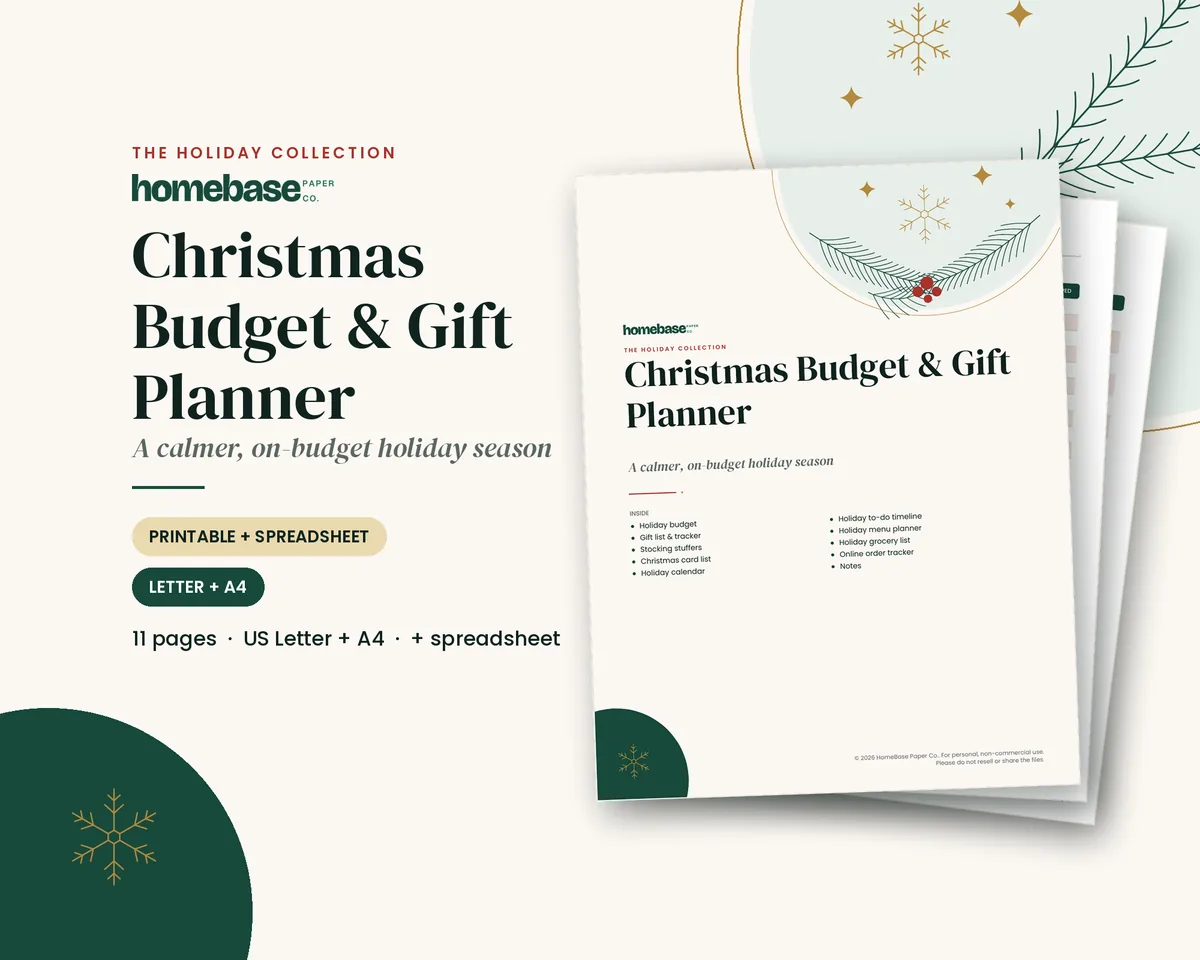
- Christmas Budget & Gift Planner ($4.99): budget pages, a gift list, and Holiday Menu and Holiday Grocery List pages for candy day.
- Family Recipe Binder ($6.99): recipe cards and dividers for the candy recipes your family makes every year.
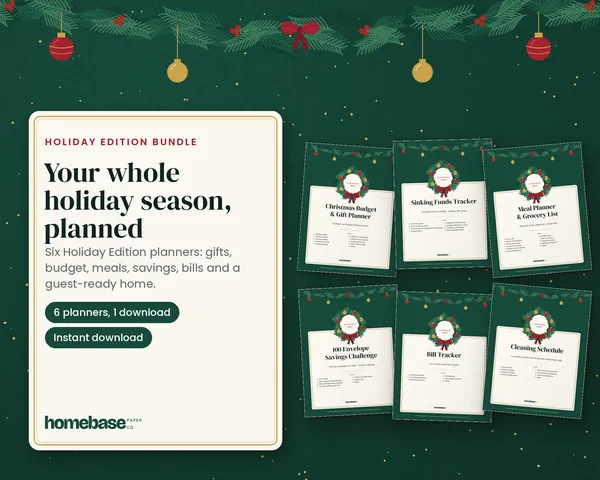
- Holiday Season Bundle ($15.99, was $25.94): six printables, including the Christmas Budget & Gift Planner and the Meal Planner & Grocery List.
Browse every holiday printable or all our Printables. Our free Holiday Budget Starter Kit is three US Letter pages we email you after you join our list.
See also

The Holiday Collection
Give every person a limit and watch what's left
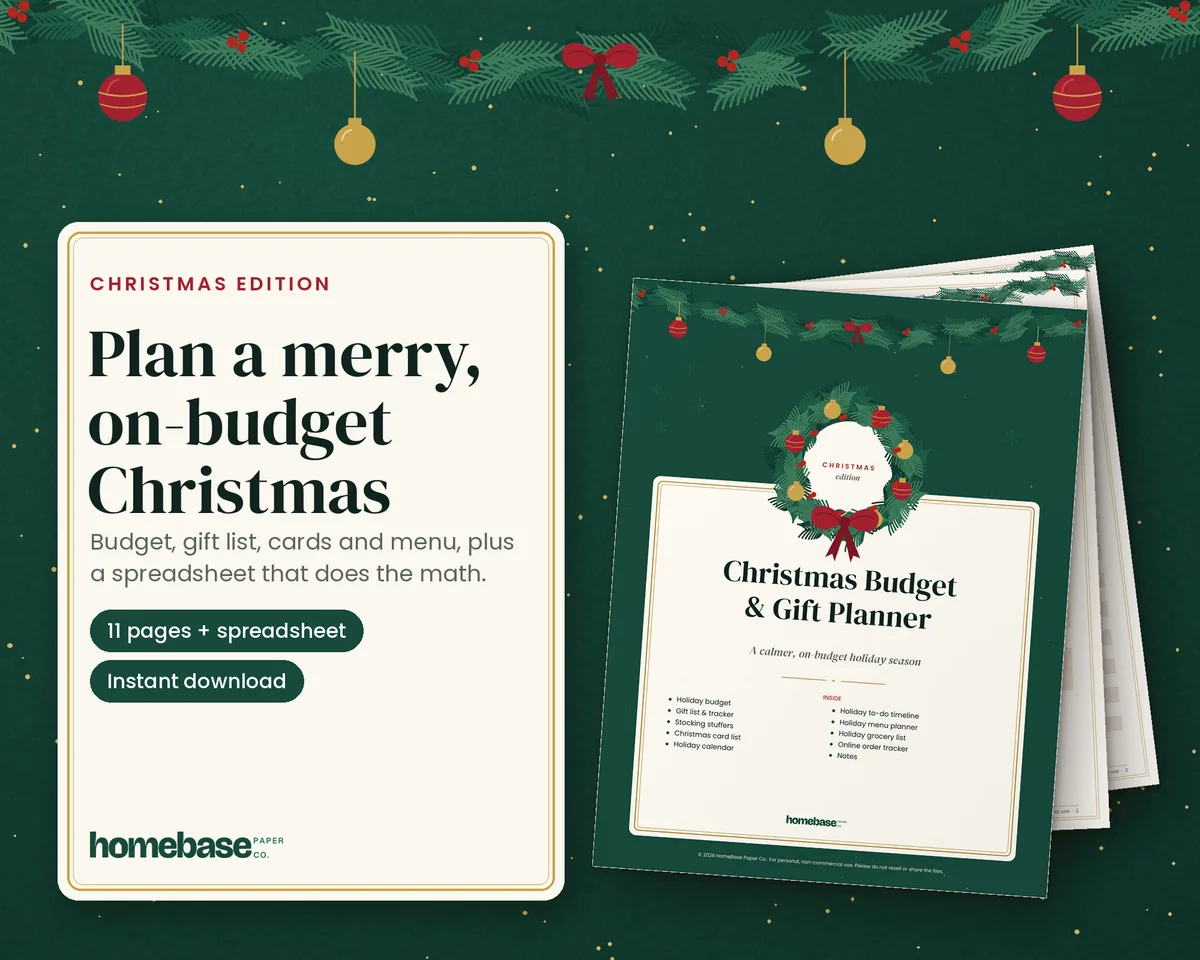
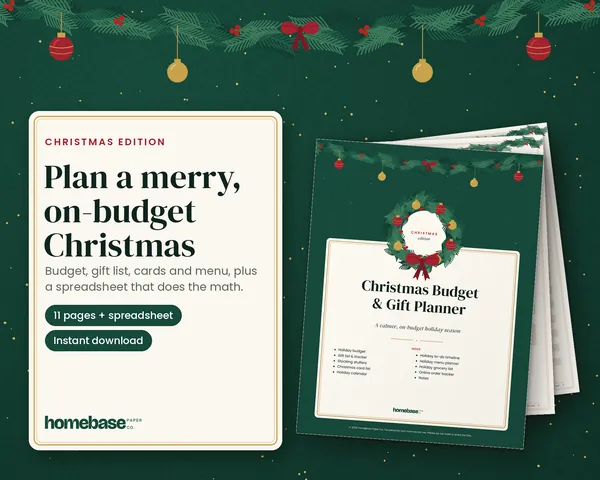
The Christmas Budget & Gift Planner adds up every list for you: a budget for each person, a log of each purchase and the amount left to spend, plus printable gift, card, menu and to-do pages.
- Spreadsheet for Excel and Google Sheets
- 11 printable pages, US Letter + A4
- Instant download, 14-day fix-or-refund promise
Planning the whole season? See the holiday sets from $7, with early prices through Cyber Monday
Frequently asked questions
What is the easiest Christmas candy to make? The easiest Christmas candy is peppermint bark: melt chocolate, spread it on a lined sheet, top it with melted white chocolate and crushed candy canes, and chill it. Chocolate-covered pretzels, haystacks and microwave fudge are just as easy and need no candy thermometer.
What Christmas candy can I make ahead? Hard candy, peanut brittle, toffee and caramels keep 2 to 3 weeks in an airtight tin, so they are the best Christmas candy to make ahead. Fudge keeps about 1 to 2 weeks. Truffles and buckeyes keep about 1 to 2 weeks in the refrigerator.
Do I need a candy thermometer to make Christmas candy? You need a candy thermometer for cooked sugar candies like fudge, caramels, toffee, brittle, divinity and hard candy. No-cook candies like bark, buckeyes, truffles, pretzel bites and haystacks only need melted chocolate and a fridge.
How do you store homemade Christmas candy? Store homemade Christmas candy in airtight containers at cool room temperature, with each type in its own container. Keep hard and soft candies apart so the hard ones don't get sticky, and keep mint candy away from everything else so the flavor doesn't spread.
Can you freeze Christmas candy? Many Christmas candies freeze well for 2 to 3 months, including fudge, truffles, buckeyes, caramels and toffee. Wrap them tightly, freeze them in an airtight container, and thaw them in the container so condensation doesn't spot the chocolate.
Why didn't my fudge set? Fudge that won't set usually didn't reach the soft-ball stage, 235°F to 245°F, or was stirred while too hot. Test your candy thermometer in boiling water first, cook to temperature, and let the fudge cool before beating.
How should I package Christmas candy gifts? Pack Christmas candy in tins or boxes lined with wax paper or mini cupcake liners, with a layer of parchment between rows. Add a tag listing the candy names and ingredients like nuts, peanuts, milk and eggs, so anyone with a food allergy can check.
How much does it cost to make Christmas candy for gifts? Homemade Christmas candy usually costs less per gift than store-bought tins when you make several batches from shared ingredients like chocolate, sugar and butter. The Christmas Budget & Gift Planner ($4.99) helps you set a candy budget and track who gets a tin.
What are traditional Christmas candies? Traditional Christmas candies include fudge, peanut brittle, divinity, peppermint bark, candy canes, ribbon candy, toffee, caramels, pralines and chocolate truffles. Many families also make one recipe passed down through generations.
Free printable
Get the free Holiday Budget Starter Kit
A one-page holiday budget, a gift list with a spending limit for every person, and a 6-week countdown so December stays calm and paid for. You'll also get our weekly HomeBase email with simple holiday planning, budgeting and hosting tips.

Sources
- NFPA: Cooking safety nfpa.org
- FDA: Food allergies, what you need to know fda.gov