

The short answer: Build a DIY Halloween costume around clothes you already own, then add one recognizable detail. A striped shirt can become a mime, a cardigan can become a librarian outfit and a yellow shirt can become a pencil. Fit and easy movement matter more than elaborate accessories.
Our picks for diy halloween costumes

Printables
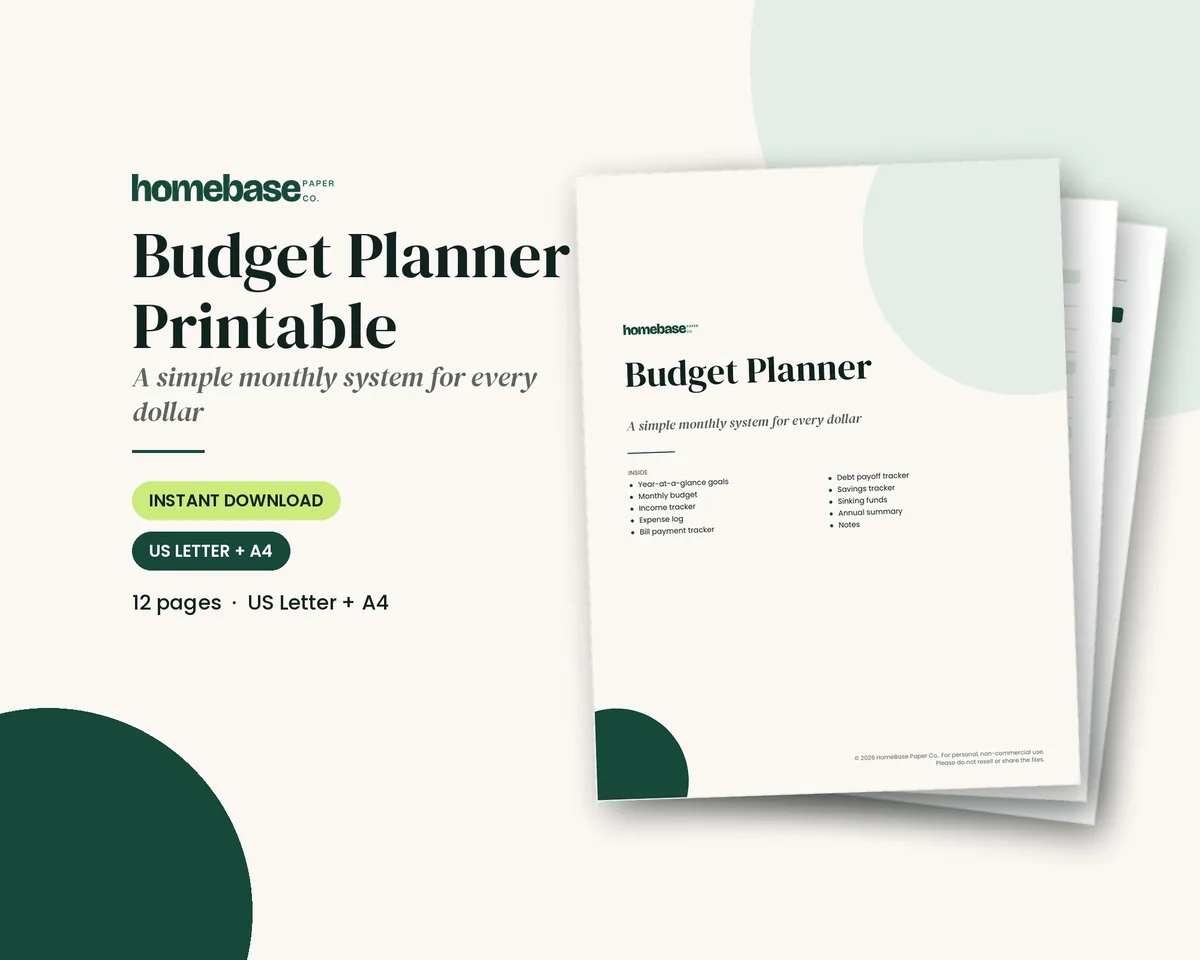
Budget Planner Printable
Twelve undated pages you can print every month: budget, bills, spending, savings and debt.
These are adaptable project ideas, not sewing patterns or tested craft kits. Choose materials and attachment methods appropriate to the wearer. For children, let an adult handle cutting and any tools, and keep small loose pieces out of reach.
DIY Halloween costumes that start with a shirt
- Pencil: use a yellow top with a broad pink band near the bottom. Add a flat pencil badge rather than a pointed hat.
- Night sky: attach large flat stars to a dark top. Put them where they will not interfere with straps or a coat.
- Rainbow: choose a striped shirt or add broad fabric strips to clothing you are comfortable altering.
- Garden: place a few large paper flowers on a green top. Keep stems short and flexible.
- Playing card: wear a plain shirt with a large suit symbol and number. Use front and back panels that leave the arms free.
- Weather forecast: add a cloud, sun or rain symbol to a shirt and carry a short forecast card.
- Book cover: attach a lightweight panel with an invented title. A personal fictional book avoids reproducing someone else's cover art.
- Calendar: draw one month's grid on a flat panel. Circle Halloween or a made-up event as the main joke.
- Robot: use silver-colored flat accents and drawn buttons. Avoid a rigid box that blocks sitting or arm movement.
- Friendly monster: add large fabric eyes and a simple mouth. Keep the face on the shirt so the wearer's own vision remains clear.
Closet costumes with one clear prop
- Detective: a jacket and notebook establish the idea. Write a fictional case name on the cover.
- Artist: an old shirt and lightweight palette prop create a simple look. Paint any prop before the event and allow it to dry fully.
- Librarian: a cardigan and a book bag work with comfortable everyday shoes.
- Tourist: use a casual shirt, sunhat and paper map. Leave expensive equipment at home.
- Gardener: combine ordinary outdoor clothes with a soft flower accessory or an empty lightweight watering can.
- Chef: start with an apron and a recipe card. Do not bring real knives or heavy kitchen equipment.
- Reporter: add a PRESS badge to a jacket and carry a notebook. Keep the badge clearly part of the costume.
- Camper: use a small backpack and flannel shirt. Skip heavy equipment that will only become luggage.
- Coach: wear sports clothes and carry a clipboard with a fictional team name.
- Scientist: use a plain overshirt and a notebook of imaginary observations. Avoid real chemicals, glass containers or medical props that could be mistaken for supplies.
Simple themed outfits without large accessories
- Black-and-white movie: combine black, white and gray clothing for a monochrome look. A flat silent-film caption card makes the idea clearer.
- Autumn leaves: attach a few large leaf shapes to a sweater. Leave enough clear fabric for a coat and bag straps.
- Sea creature: use a single color and a broad illustrated badge. This avoids dangling tentacles that drag on the ground.
- Walking dictionary: place a large invented word and a funny, kind definition on the front of a shirt.
- Lost-and-found box attendant: wear ordinary clothes with a badge and carry a small empty box of soft costume props. Keep the box light and easy to set down.
Build the costume in three passes
First, decide what identifies it. Write a one-sentence description: yellow shirt plus pencil badge, or cardigan plus library card. If the idea needs several paragraphs to explain, simplify it. Choose the main detail before cutting or buying materials.
Second, make a paper trial. Tape shapes to a spare sheet of paper or hold them against the clothing to check scale. A symbol that looks large on a table may disappear on a coat. Test how the front looks from a few steps away and whether words remain readable.
Third, attach and fit. Use an attachment method suitable for the material and wearer. Follow adhesive labels, keep glue away from skin and avoid exposed sharp fasteners. Test a removable attachment on an inconspicuous area before assuming it will leave clothing undamaged.
For coordinated versions, the duo Halloween costume guide gives pairings that can still work when each person walks around separately.
Do a full movement check
Wear the complete outfit with shoes, outerwear and any bag. Sit in a chair, lift both arms, walk through a doorway and step up and down. Make sure the person can see clearly and does not need to hold the costume up while walking.
Health Canada recommends avoiding long or loose costume pieces. Shorten or remove awkward accessories rather than asking the wearer to be careful all evening. An outfit needs to work in the setting where it will actually be worn.
Texas fire-safety guidance covers keeping costumes away from ignition sources. Treat paper, fabric and cardboard accessories as items to keep clear of flames and heat.
Set a supply limit before shopping
Make three columns: owned, borrowed and needed. Put every proposed purchase in the last column before buying the first one. Consider the total price of materials, delivery and any single-use tools. A supposedly inexpensive costume can become costly through several small unplanned purchases.
The Budget Planner Printable ($5.99) can record the seasonal allocation. Find it in Printables, and use how to create a family budget if you need to choose between several activities.
Keep a photograph of the design sketch and a short supply list for next year. Store only pieces you can realistically reuse. The goal is a comfortable costume with a clear idea, not a cupboard full of extra materials.
Plan the holidays before they plan you
Twelve undated pages you can print every month: budget, bills, spending, savings and debt.
$5.99 · Instant download. Print at home or fill it in on screen. Or browse the full Budget & Money collection.
Frequently asked questions
What is the easiest DIY Halloween costume? An easy DIY Halloween costume starts with an outfit already owned and one recognizable badge or prop. A detective, tourist, librarian or weather reporter needs little construction. Choose the idea that matches the clothing and materials actually available.
Do DIY Halloween costumes require sewing? Many DIY Halloween costumes can use removable flat decorations, badges and ordinary clothing without sewing. The right attachment depends on the material and wearer. Test it first, follow product instructions and keep sharp fasteners away from children.
How can I make a costume comfortable for cold weather? Make a cold-weather costume around the coat, shoes and layers the wearer will actually need. Put the identifying symbol on the outer layer instead of hiding it underneath. Test the complete outfit for clear vision, comfortable sitting and easy walking.
Free printable
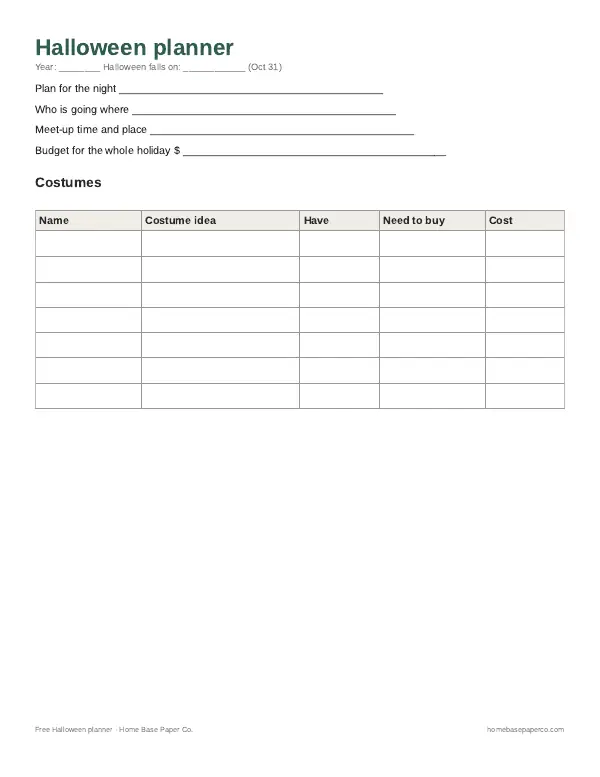
Plan Halloween costumes, candy and budget in one place
A costume planner, a budget and shopping list, and a week checklist. You'll also get our weekly HomeBase email with simple holiday planning, budgeting and hosting tips.
Sources
- Health Canada: Halloween safety canada.ca
- Texas Department of Insurance: Halloween fire safety tdi.texas.gov