

The short answer: a home inspection checklist helps you follow along during the inspection, spot the issues that matter and track what to ask the seller to fix. This free printable has 3 pages.
- Schedule as soon as possible with an independent inspector
- Bring this checklist, a flashlight and a list of questions
- Do not skip radon, and consider specialist inspections
- After: negotiate repairs and track deadlines before closing
- Next step: Get the free home inspection checklist (we email it to you); want more? The Home Maintenance Log is $5.99.
A home inspection checklist helps you follow along during the inspection, spot the issues that matter and keep track of what to ask the seller to fix. Use the free 3-page printable on this page at the walkthrough, then use the follow-up page to manage specialist inspections, repair requests and deadlines before closing.
After closing, our Home Maintenance Log keeps the inspector's follow-ups going with monthly, seasonal and annual checklists and an appliance and repair record.
Before the inspection: what to do first
The CFPB's guide to scheduling a home inspection gives buyers a short list of priorities:
- Schedule as soon as possible. You want time to resolve problems and to complete any additional inspections before deadlines.
- Choose an independent inspector. If the inspector is paid by someone else or not paid until closing, the CFPB warns that they might underemphasize problems.
- Check their history. Depending on your area, inspectors may not need a license. Ask for references, and look them up with your local Better Business Bureau and your state or county licensing authority.
- Know your contract. If your purchase contract is contingent on a satisfactory inspection, you have the right to cancel without penalty if you are not satisfied with the results.
- Attend if you can. Being there makes the report easier to understand and lets you ask questions.
Also remember that an inspection is not an appraisal. The appraisal estimates value for the lender; the inspection examines condition for you. When you borrow to buy a home, you generally need both.
What to bring to the home inspection
A little preparation makes the walkthrough far more useful:
- This checklist, printed, plus a pen and a clipboard
- Your phone for photos and short videos of anything the inspector points out
- A flashlight for closets, under sinks and the basement
- A list of questions from your own showings, such as a stain you noticed or a door that sticks
- The seller's disclosure, so you can ask the inspector to look closely at anything it mentions
- A tape measure if you are already planning furniture or appliances
Wear comfortable clothes and shoes you do not mind getting dusty. Inspections often take a few hours, depending on the size and age of the home.
Questions to ask your home inspector
Inspectors are usually happy to explain what they find. Good questions include:
- Which of these issues are safety concerns, and which are routine maintenance?
- How old do you think the roof, furnace, air conditioner and water heater are?
- Is this something a specialist should look at before my contingency deadline?
- What would you fix first if you bought this house?
- Are there any signs of past water damage or leaks?
- Is anything here a code or permit question I should ask the seller about?
- What maintenance should I plan for in the first year?
- When will I receive the written report, and will it include photos?
Write the answers in the notes column next to each item on the checklist. When the report arrives, compare it with your notes so nothing you discussed in person goes missing.
Home inspection checklist for first-time buyers
If this is your first home, focus on the expensive, hard-to-see items rather than cosmetic details. Paint, carpet and light fixtures are easy to change. A roof, foundation, sewer line or heating system is not. Use the inspection to build a realistic budget for the first few years of ownership, and keep a cushion in savings for surprise repairs after you move in.
Home inspection checklist: exterior and structure
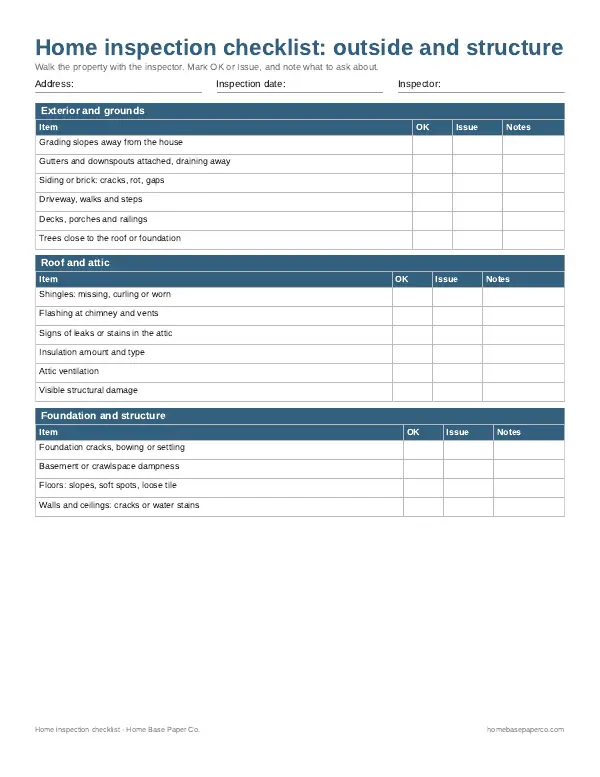
Walk the outside of the house with the inspector and note anything they flag.
| Area | What to look at |
|---|---|
| Grading and drainage | Ground slopes away from the house; no pooling water near the foundation |
| Gutters and downspouts | Attached, clear, draining away from the house |
| Siding and trim | Cracks, rot, peeling paint, gaps |
| Windows and doors (exterior) | Seals, caulking, damaged frames |
| Decks, porches and steps | Loose boards, railings, signs of rot |
| Driveway and walkways | Large cracks, trip hazards, settling |
| Roof | Missing or curling shingles, flashing, age of the roof |
| Chimney | Cracked masonry, cap, flashing |
| Attic | Insulation, ventilation, signs of leaks or pests |
| Foundation | Cracks, bowing walls, moisture, efflorescence |
A cracked foundation is the kind of serious flaw the CFPB mentions as a reason a buyer might decide not to buy at all, so ask the inspector how significant any foundation crack is and whether a structural engineer should look at it.
Home inspection checklist: systems and interior
Inside, the big-ticket items are the systems that are expensive to replace. For more on this topic, see our home upkeep guides.
| System | What to ask or check |
|---|---|
| Electrical panel | Age, capacity, any double-tapped breakers or scorch marks |
| Outlets and GFCIs | Working outlets; GFCI protection in kitchens, baths and outdoors |
| Smoke and CO alarms | Present and working on each level |
| Furnace or heat pump | Age, last service date, filter, any odd noises |
| Air conditioning | Age, cooling performance, condensate drainage |
| Water heater | Age, size, relief valve, signs of rust or leaks |
| Plumbing | Water pressure, drainage speed, visible leaks under sinks |
| Main water shutoff | Location (write it down) |
| Kitchen and appliances | Appliances that come with the house work |
| Bathrooms | Leaks, venting fans, soft floors near toilets and tubs |
| Walls, ceilings and floors | Water stains, cracks, sloping floors |
| Basement or crawl space | Moisture, musty smells, sump pump |
Ask the inspector to point out the age of the roof, furnace, air conditioner and water heater. Those four numbers tell you a lot about the repair costs coming in the next few years.
Do not skip radon
Radon is an invisible, odorless gas, and testing is the only way to know a home's level. The EPA's Home Buyer's and Seller's Guide to Radon says:
- If you are buying or selling a home, have it tested for radon.
- EPA and the Surgeon General recommend testing all homes below the third floor.
- Fix the home if the radon level is 4 picocuries per liter (pCi/L) or higher. Levels below 4 pCi/L still pose a risk and, in many cases, may be reduced.
- Test in the lowest level of the home that could be used regularly.
- Ask the seller for any radon test results, and, if the home has a radon-reduction system, for information about it.
The EPA estimates radon causes about 21,000 lung cancer deaths a year in the United States. If the home tests high, a radon-reduction system can be a reasonable item to negotiate.
Additional inspections to consider
A general home inspection is a visual check. Depending on the home and the findings, you may want specialists:
| Inspection | When it makes sense |
|---|---|
| Radon test | Any home below the third floor, per EPA |
| Sewer scope | Older homes, mature trees, slow drains |
| Termite or wood-destroying insects | Many regions; often required by lenders in some areas |
| Chimney | Any wood-burning fireplace or older chimney |
| Septic and well | Homes not on city sewer or water |
| Structural engineer | Significant foundation cracks or sloping floors |
| Roofer | An older roof or visible damage |
| HVAC technician | An older system or poor performance |
| Electrician | Older wiring or a panel the inspector flags |
| Mold assessment | Musty smells or visible growth |
The follow-up page of the free PDF has a checklist for all ten.
After the inspection: negotiate and track deadlines
Once you have the report, sort the findings into three groups: safety issues, major repairs and routine maintenance. Then decide what to ask for.
- Ask the seller to repair safety issues and major system failures.
- Ask for a credit if you would rather choose the contractor yourself.
- Accept routine maintenance items, and add them to your first-year list.
The CFPB notes that the seller may or may not agree, depending on your contract and local market. It also points out that if major repairs, like a new roof, are needed, the lender can require them to be made before closing, or ask you to set aside money for them.
Write every request, the seller's response and your inspection contingency deadline on page 3 of the free checklist so nothing slips.
After you move in
Your inspection report becomes your first maintenance plan. The Home Maintenance Log ($5.99) is an 11-page printable with home details, monthly, seasonal and annual task pages, an appliance log, service and repair records, a home improvement log, contractor contacts, and paint and finishes. Record the ages of the roof, furnace and water heater from the report there, and follow our home maintenance checklist each season.
Still packing? The Moving Planner ($5.99) covers your moving timeline, change of address, utilities setup, box inventory, mover and truck quotes, a moving budget and your first week in the new home. Our moving checklist walks through the weeks before the move.
For a new homeowner who wants everything at once, the Home Management Bundle ($16.99) includes the Moving Planner, Home Maintenance Log, Home Inventory, Cleaning Schedule, Password & Accounts Log and Household Binder.
For a planned concrete repair or small home project, use the concrete calculator to estimate volume and bags before requesting a supplier quote; the estimate does not replace structural design.
Make it easier
Tools for this
Printables
Home Maintenance Log
Monthly, seasonal and annual checklists plus a record of every appliance and repair.
 Save 48%
Bundles
Home Management Bundle
Household binder, maintenance log, moving planner, cleaning schedule, home inventory and password log.
Frequently asked questions
What is on a home inspection checklist? A home inspection checklist covers the exterior and grounds, roof and attic, foundation and structure, electrical system, heating and cooling, plumbing, and interior rooms, plus follow-up items such as specialist inspections, repair requests and deadlines. Our free 3-page home inspection checklist PDF covers all of these.
When should I schedule a home inspection? As soon as possible after your offer is accepted. The CFPB says you want plenty of time to resolve problems and to complete any additional inspections before your contingency deadline and closing.
Should I go to the home inspection? Yes, you should go to the home inspection if you can. The CFPB notes that being present makes it easier to interpret the inspection report, understand issues and ask questions. Bring this home inspection checklist and take notes and photos.
Is a home inspection the same as an appraisal? No, a home inspection is not the same as an appraisal. An appraisal estimates the home's value, usually for the lender. A home inspection examines the home's physical condition for you. The CFPB says you generally need both when you borrow to buy a home.
Can I back out of buying a house after the inspection? Yes, if your purchase contract is contingent on a satisfactory inspection: the CFPB says you then have the right to cancel the sale without penalty if you are not satisfied with the results. Without that contingency, your options depend on your contract, so read it carefully and ask your agent or attorney.
How do I choose a home inspector? Choose an independent inspector who is accountable to you. The CFPB warns that an inspector paid by someone else, or not paid until closing, might underemphasize problems. Ask for references, check your local Better Business Bureau, and check state or county licensing, since inspectors may not need a license everywhere.
Does a home inspection include radon testing? A home inspection doesn't always include radon testing. Ask whether radon testing is included or offered as an add-on. The EPA recommends that anyone buying or selling a home have it tested for radon and says to fix the home if the level is 4 pCi/L or higher.
What are red flags on a home inspection? Common red flags include foundation cracks, signs of water intrusion or active leaks, an aging or damaged roof, outdated or unsafe wiring, a failing heating or cooling system, plumbing leaks or poor drainage, and evidence of pests. Ask the inspector which items are safety issues, which are major repairs and which are routine maintenance.
What can I ask the seller to fix after an inspection? You can negotiate with the seller about who should make or pay for repairs, or ask for a credit. The CFPB notes that the seller may or may not agree, depending on your contract and local market. Focus requests on safety issues and major systems rather than cosmetic items.
What additional inspections might I need? Additional inspections you might need include radon testing, a sewer scope, a termite or wood-destroying insect inspection, a chimney inspection, a mold assessment, a septic or well test, or an evaluation by a structural engineer, roofer, electrician or HVAC technician. Which ones make sense depends on the home and the inspector's findings.
Is there a printable home inspection checklist for buyers? Yes, there's a free printable home inspection checklist for buyers. Download the free 3-page home inspection checklist PDF on this page. Page 1 covers the exterior, roof, attic and foundation; page 2 covers electrical, heating and cooling, plumbing and interior rooms; and page 3 is a follow-up page with specialist inspections, an issues and requests table and key dates.
Can the lender require repairs before closing? Yes, the lender can require repairs before closing. The CFPB says that if major repairs, like a new roof, are needed, the lender can require them to be made before closing as a condition of the loan, or ask you to put money in a special account to pay for the repair right after closing.
More from HomeBase
You may also like
Printables
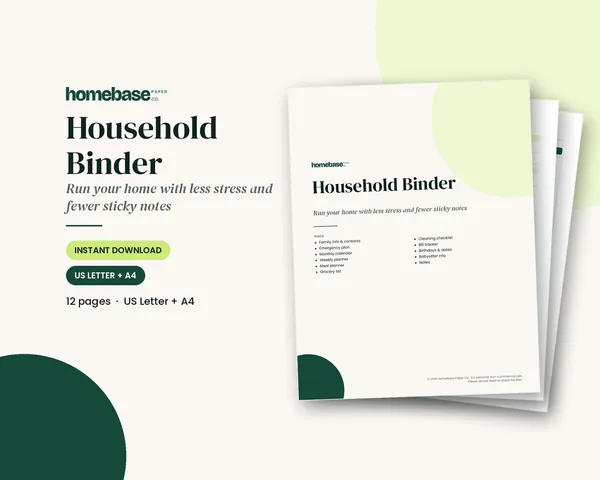
Household Binder
Family info, emergency plan, calendars, meals, groceries, cleaning, bills and sitter notes.
Printables
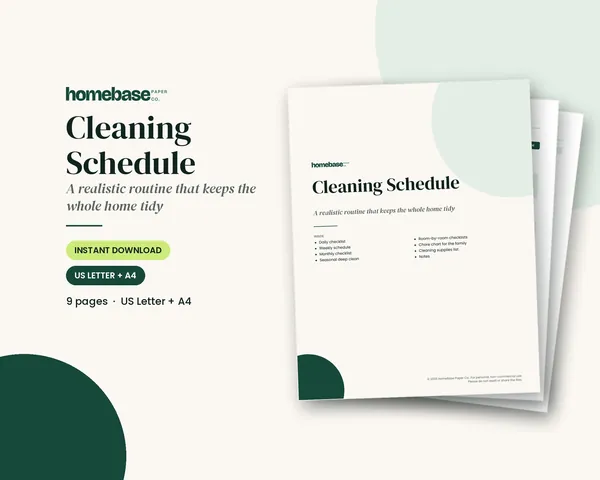
Cleaning Schedule
Daily, weekly, monthly and seasonal lists - plus a family chore chart.
Printables
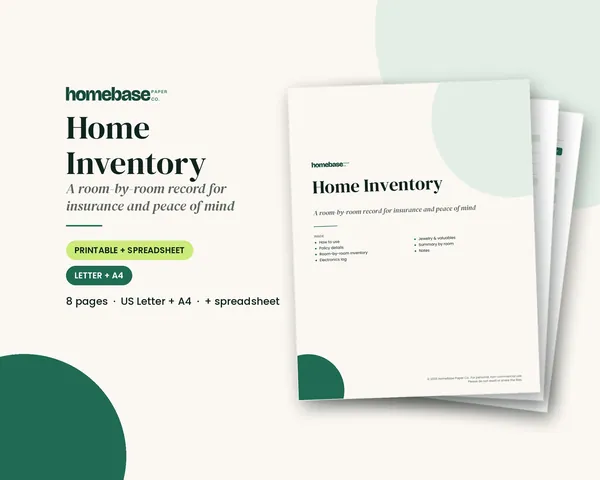
Home Inventory
Printable pages and a spreadsheet that totals the value of every room.
Printables
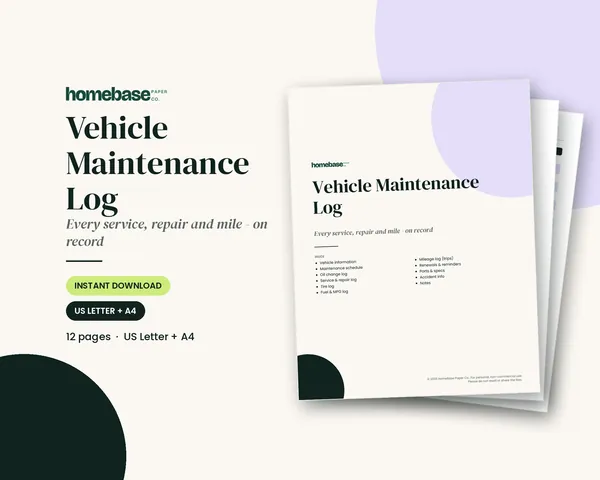
Vehicle Maintenance Log
Oil changes, repairs, tires, fuel and MPG, trip mileage and renewal dates - so resale and warranty records are easy.
 Club
Monthly club
Planner & Calendar Club
Anyone who wants a monthly calendar, bill calendar and meal plan ready to print.
Free printable
Walk a home inspection like a pro
Outside, systems and inside, plus a follow-up page. You'll also get our weekly HomeBase email with simple planning and home organization tips.
Sources
- Schedule a home inspection (CFPB) consumerfinance.gov
- Home Buyer's and Seller's Guide to Radon (US EPA) epa.gov