
 Thanksgiving hosting

The short answer: how to make pie crust: whisk 2 1/2 cups of flour with 1 teaspoon of salt, cut in 1 cup of very cold butter, then add 6 to 8 tablespoons of ice water until the dough just holds together.
- Shape two disks and chill for at least an hour
- Roll each one into a 12-inch circle
- Makes a double crust for one 9-inch pie
- Fixes for tough, shrinking or soggy crust
- Next step: Plan it with the Family Recipe Binder ($6.99).
Our picks for how to make pie crust
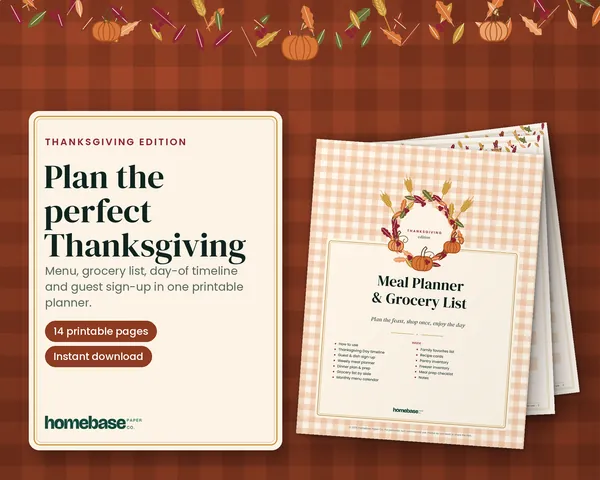 Thanksgiving Edition
Printables
Meal Planner & Grocery List: Thanksgiving Edition
Plan the perfect Thanksgiving: our meal planner in a warm harvest design, with a Thanksgiving Day timeline, a guest & dish sign-up, an aisle-sorted grocery list and pantry and freezer trackers.
 Starter pick
Printables
Meal Planner & Grocery List
Weekly meals, a grocery list sorted by aisle, and pantry and freezer inventories so you shop once and waste less.
Here's how to make pie crust from scratch: whisk 2 1/2 cups of flour with 1 teaspoon of salt, cut in 1 cup of very cold butter until the pieces are pea-size, then add 6 to 8 tablespoons of ice water until the dough just holds together. Shape it into two disks, chill for at least an hour and roll each one into a 12-inch circle. That makes a double crust for one 9-inch pie.
I love cooking, and I'll watch just about any cooking show, but pie crust is one recipe worth writing down once you get it right. Our Family Recipe Binder ($6.99) has a Baking divider and a kitchen conversion chart, so your favorite ratio is easy to find every holiday.
Pie crust ingredients and the 3-2-1 ratio
Pie dough works on a simple ratio: 3 parts flour, 2 parts fat and 1 part water by weight. Use the table to make one crust or two.
| Ingredient | Single 9-inch crust | Double 9-inch crust | Why it matters |
|---|---|---|---|
| All-purpose flour | 1 1/4 cups (150 g) | 2 1/2 cups (300 g) | Structure |
| Salt | 1/2 tsp | 1 tsp | Flavor |
| Sugar (optional) | 1 1/2 tsp | 1 tbsp | Light browning for sweet pies |
| Cold unsalted butter | 1/2 cup (113 g) | 1 cup (226 g) | Flaky layers and flavor |
| Ice water | 3 to 4 tbsp | 6 to 8 tbsp | Binds the dough |
Keep everything cold. Cut the butter into cubes and freeze them for 15 minutes before you start.
How to make pie crust step by step
- Mix the dry ingredients. Whisk the flour, salt and sugar in a large bowl.
- Cut in the butter. Use a pastry blender, two forks or your fingertips. Stop when most pieces are pea-size and a few are the size of small beans.
- Add ice water slowly. Sprinkle in 1 tablespoon at a time and toss with a fork. Squeeze a handful; when it holds together, stop.
- Form disks. Divide the dough in two, press each into a flat 1-inch disk and wrap it tightly.
- Chill. Refrigerate at least 1 hour so the butter firms up and the flour hydrates.
- Roll it out. On a floured surface, roll from the center outward into a 12-inch circle about 1/8 inch thick. Turn the dough a quarter turn often.
- Fit the pan. Drape the dough into a 9-inch pie plate without stretching it. Trim, leaving a 1-inch overhang.
- Crimp and chill again. Fold the edge under, crimp with your fingers or a fork, and chill 30 minutes before filling or baking.
The FDA's flour safety guide notes that raw flour can carry germs, so skip tasting the dough and wash hands and counters after rolling.
Butter, shortening or both?
| Fat | Flavor | Flakiness | Ease of handling | Best for |
|---|---|---|---|---|
| All butter | Richest | Very flaky, crisp | Softens fast; keep it cold | Fruit pies, pumpkin, galettes |
| All shortening | Mild | Tender, crumbly | Easiest to roll and crimp | Beginners, decorative edges |
| Half butter, half shortening | Buttery | Flaky and tender | Forgiving | Holiday baking marathons |
| Lard | Savory | Very flaky | Moderate | Savory pies and pot pies |
How to blind bake a pie crust
Blind baking means baking the crust before adding the filling. Use it for cream pies and to keep custard pies like pumpkin from getting soggy. For the filling and bake times, see our guide on how to make pumpkin pie.
| Goal | Steps | Time at 400°F |
|---|---|---|
| Partial bake (pumpkin, pecan, quiche) | Line with parchment, fill with weights, bake, remove weights and bake briefly | 15 to 20 minutes with weights, then 5 minutes |
| Full bake (cream and no-bake fillings) | Same as above but bake until golden all over | 15 to 20 minutes with weights, then 10 to 15 minutes |
Dried beans or rice work as pie weights. Fill the crust to the top so the sides don't slump.
Troubleshooting homemade pie crust
- Tough or chewy: Too much water or mixing. Add water slowly and handle the dough less.
- Shrinks in the pan: The dough was stretched or not chilled. Ease it in and chill before baking.
- Crumbly and cracks when rolling: Too little water or dough too cold. Let it sit 5 minutes or add a teaspoon of water.
- Soggy bottom: Bake on the lowest rack on a preheated sheet pan, and partly blind bake for wet fillings.
- Edges burn first: Cover the rim with foil or a pie shield for the last 20 to 30 minutes.
Make-ahead pie crust timeline for Thanksgiving
- Up to 3 months ahead: Make dough disks and freeze them wrapped in plastic and a freezer bag. USDA freezing guidance says food kept at 0°F stays safe; quality is best within a few months.
- 2 to 3 days ahead: Make fresh dough or move frozen disks to the fridge to thaw.
- 1 day ahead: Bake pumpkin and pecan pies. The FoodSafety.gov cold storage chart says to refrigerate baked pumpkin or pecan pies and use them within 3 to 4 days.
- Thanksgiving morning: Bake fruit pies so they're cool by dessert. Our guide on how to make apple pie covers the best apples and how to fix a runny filling.
Plan the whole dessert table
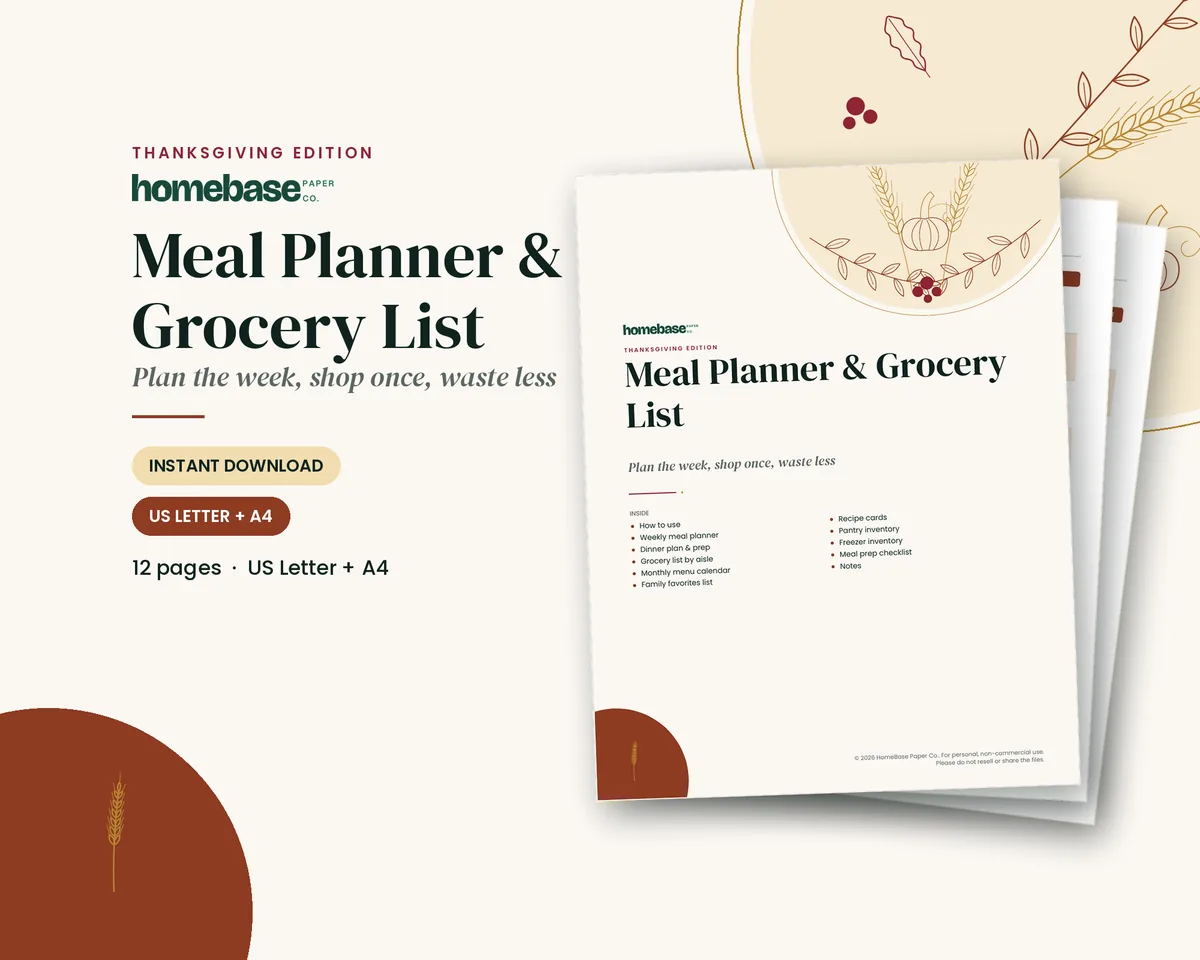
Pies are easiest when they're on the schedule with everything else. The Meal Planner & Grocery List: Thanksgiving Edition ($4.99) is a 14-page printable with a Thanksgiving Day timeline, dinner plan and prep page, grocery list and recipe cards. Save your crust recipe in the Family Recipe Binder ($6.99), and keep regular weeks on track with the Meal Planner & Grocery List ($3.99). Browse every holiday printable or all our Printables.
Our free Holiday Budget Starter Kit is three US Letter pages we email you after you join our list. For another filling to pair with a pie crust, see pecan pie recipe before planning the holiday dessert menu.
See also
Plan the feast on paper
Your Thanksgiving timeline, guest list and grocery list in one place
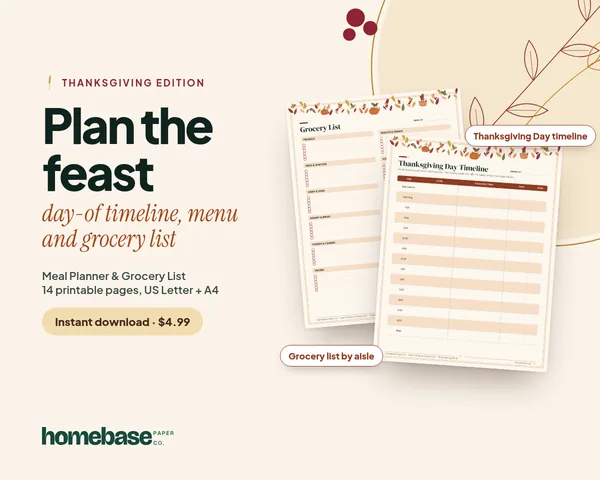
The Thanksgiving Edition of our Meal Planner & Grocery List, in a warm harvest design: map the day on the Thanksgiving Day timeline, track who brings what on the guest & dish sign-up, and shop once with the aisle-sorted grocery list. Print it at home tonight.
- Thanksgiving Day timeline that works backwards from dinner
- Guest & dish sign-up
- Grocery list sorted by aisle, plus pantry and freezer pages

Thanksgiving and Christmas planners together: the Holiday Quick-Start Pack, $7
Frequently asked questions
How do you make pie crust from scratch? To make pie crust from scratch, cut 1 cup of cold butter into 2 1/2 cups of flour with 1 teaspoon salt until pea-size, stir in 6 to 8 tablespoons of ice water, form two disks and chill at least 1 hour before rolling.
What is the ratio for pie crust? A reliable pie crust ratio is 3 parts flour to 2 parts fat to 1 part ice water by weight. For a double 9-inch crust, that's about 300 grams flour, 225 grams butter and 90 to 120 grams water.
Is butter or shortening better for pie crust? Butter gives pie crust the best flavor and crisp, flaky layers, while shortening is easier to roll and holds a crimp better. Many bakers use half of each for flavor plus easy handling.
Why is my pie crust tough? Pie crust turns tough when it gets too much water or too much mixing, which develops gluten. Add ice water a tablespoon at a time, stop when the dough just holds together and handle it as little as possible.
How do you keep pie crust from shrinking? To keep pie crust from shrinking, don't stretch the dough into the pan, chill the shaped crust for 30 minutes before baking and use pie weights when blind baking. Overworked, warm dough shrinks the most.
How do you blind bake a pie crust? To blind bake a pie crust, line the chilled crust with parchment, fill it with pie weights or dried beans and bake at 400°F for 15 to 20 minutes. Remove the weights and bake 5 to 15 minutes more until golden.
Can you make pie crust ahead of time? Yes, pie crust dough keeps 2 to 3 days in the refrigerator and about 3 months in the freezer when wrapped tightly. Thaw frozen dough overnight in the refrigerator before rolling it out.
How do you prevent a soggy bottom pie crust? Prevent a soggy bottom by baking pies on the lowest oven rack, preheating a baking sheet under the pie and partly blind baking the crust for custard fillings like pumpkin or pecan.
Is it safe to eat raw pie dough? No, don't eat raw pie dough. The FDA explains that raw flour hasn't been treated to kill germs like E. coli, so pie dough needs to be fully baked before eating, even if it has no eggs.
Can I make pie crust in a food processor? A food processor makes pie crust in about 2 minutes. Pulse the flour, salt and cold butter until pea-size, then drizzle in ice water while pulsing just until the dough clumps.
Sources
- FDA: Handling flour safely fda.gov
- FoodSafety.gov: Cold food storage chart foodsafety.gov
- USDA FSIS: Freezing and food safety fsis.usda.gov
