

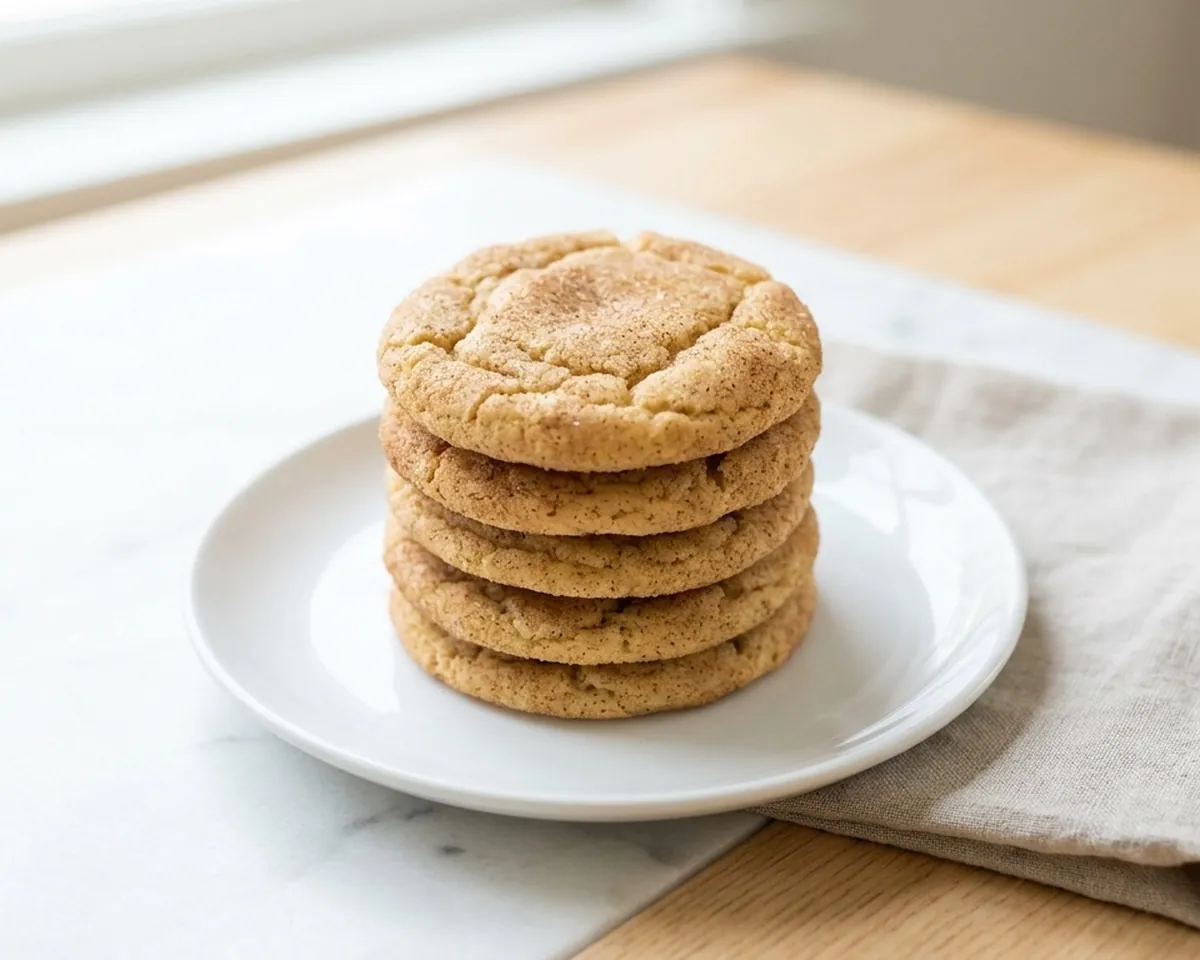
The short answer: This snickerdoodle recipe makes about 30 soft, chewy cinnamon sugar cookies with crackly tops from 9 ingredients. Cream 1 cup of butter with 1½ cups of sugar, beat in 2 eggs, then mix in 2¾ cups of flour, 2 teaspoons of cream of tartar, 1 teaspoon of baking soda and ¼ teaspoon of salt. Chill 30 minutes, roll 1½-tablespoon balls in ¼ cup of sugar mixed with 1 tablespoon of cinnamon, and bake at 375°F for 9 to 11 minutes. Pull them while the centers still look puffy and slightly underdone. Below: what a snickerdoodle is, the amounts, the cinnamon sugar ratio, 7 mistakes to avoid, no-chill and no-cream-of-tartar options, variations and storage.
Prep time: 20 minCook time: 20 minTotal time: 1 hr 10 minServings: 30 cookiesTotal includes 30 min of resting, chilling or rising.
What is a snickerdoodle?
A snickerdoodle is a soft, chewy cookie rolled in cinnamon sugar before baking, with a crackled top and a slight tang. The dough is close to a sugar cookie dough; the cream of tartar and the cinnamon sugar coating are what make it a snickerdoodle. Taste of Home calls cream of tartar the secret to the melt-in-your-mouth texture and the unmistakable tang, and says the odd name is thought to come from a German dessert, schnecke knödel, "snail dumpling." Treat that origin as a theory, not settled history.
| Snickerdoodle | Sugar cookie | |
|---|---|---|
| Coating | Rolled in cinnamon sugar | None, or icing after baking |
| Leavening | Cream of tartar plus baking soda | Usually baking powder or soda |
| Flavor | Slightly tangy, warm with cinnamon | Plain, sweet and buttery |
| Texture | Soft, chewy, crackled top | Soft or crisp; made to hold a cut-out shape |
| Shaped by | Rolled into balls | Rolled flat and cut |
For the cut-out cousin, see our sugar cookie recipe.
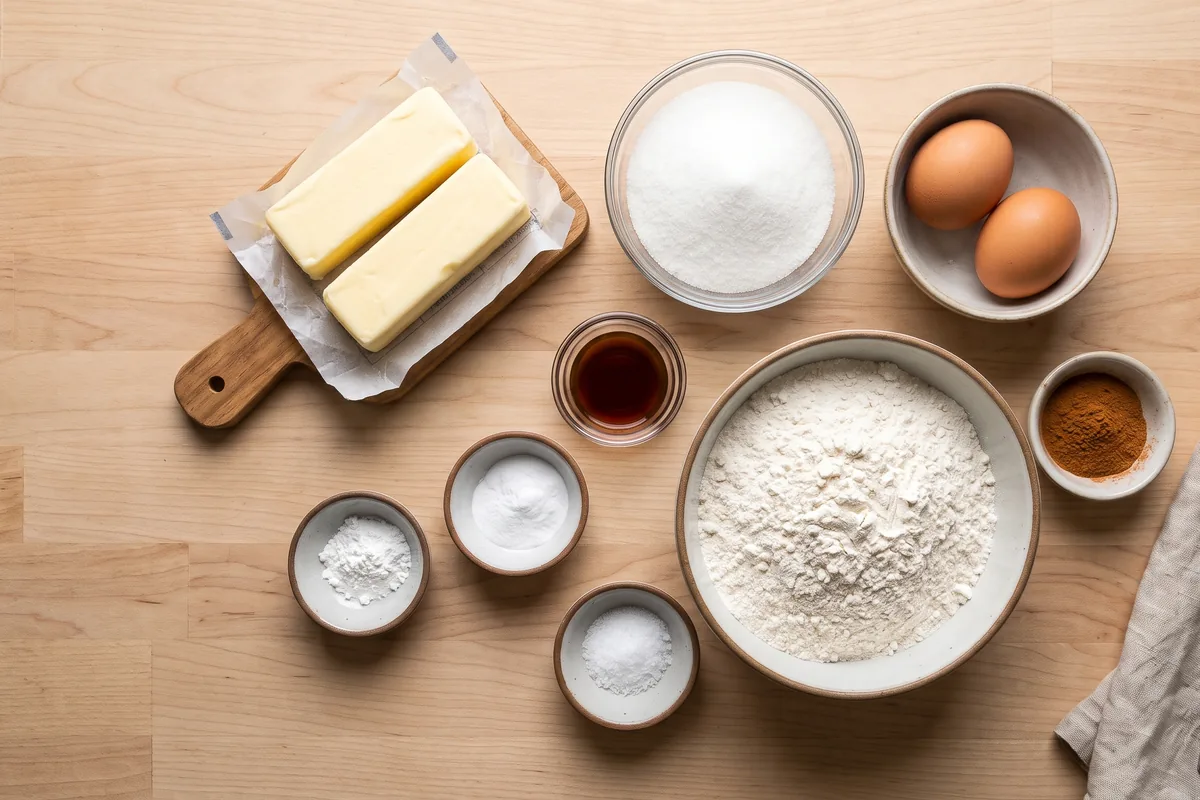
Snickerdoodle ingredients
| Ingredient | Amount | Notes |
|---|---|---|
| Unsalted butter | 1 cup (2 sticks) | Softened, still cool to the touch |
| Granulated sugar | 1½ cups | Plus ¼ cup for rolling |
| Large eggs | 2 | Room temperature |
| Vanilla extract | 1 teaspoon | |
| All-purpose flour | 2¾ cups | Spoon into the cup and level |
| Cream of tartar | 2 teaspoons | The key to the tang and chew |
| Baking soda | 1 teaspoon | |
| Salt | ¼ teaspoon | |
| Ground cinnamon | 1 tablespoon | Mixed with the ¼ cup rolling sugar |
Why these ingredients matter. Butter carries the flavor, and it should be soft but cool, not melted. Room-temperature eggs blend in evenly; if you forgot to set them out, Taste of Home and Inspired Taste both suggest a few minutes in a bowl of warm water. Spooning and leveling the flour matters because, as Love and Lemons notes, extra flour makes these cookies dry and cakey instead of chewy. If you only have salted butter, leave out the added salt, as Inspired Taste advises.
How to make snickerdoodles, step by step
Makes about 30 cookies with a 1½-tablespoon scoop (smaller balls stretch it toward 3 dozen). Serves 12 at 2 to 3 cookies each.
- Cream the butter and sugar. Beat 2 to 3 minutes until light and fluffy.
- Add the eggs and vanilla (1 minute). Beat in one egg at a time.
- Add the dry ingredients (2 minutes). Whisk the flour, cream of tartar, baking soda and salt and mix on low until just combined.
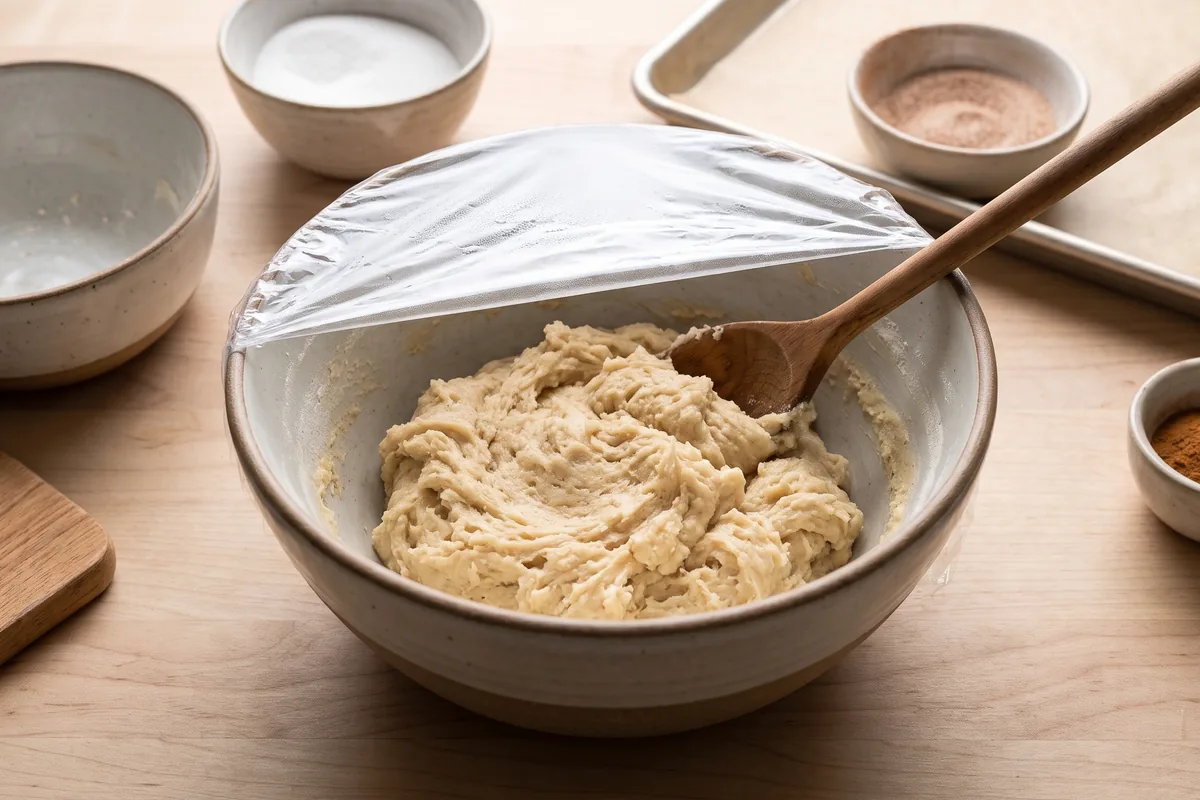
- Chill. Refrigerate the dough for 30 minutes so it's easy to roll and doesn't spread.
- Roll in cinnamon sugar (10 minutes). Stir ¼ cup of sugar with 1 tablespoon of cinnamon in a shallow bowl. Scoop 1½-tablespoon balls and roll each one until coated.
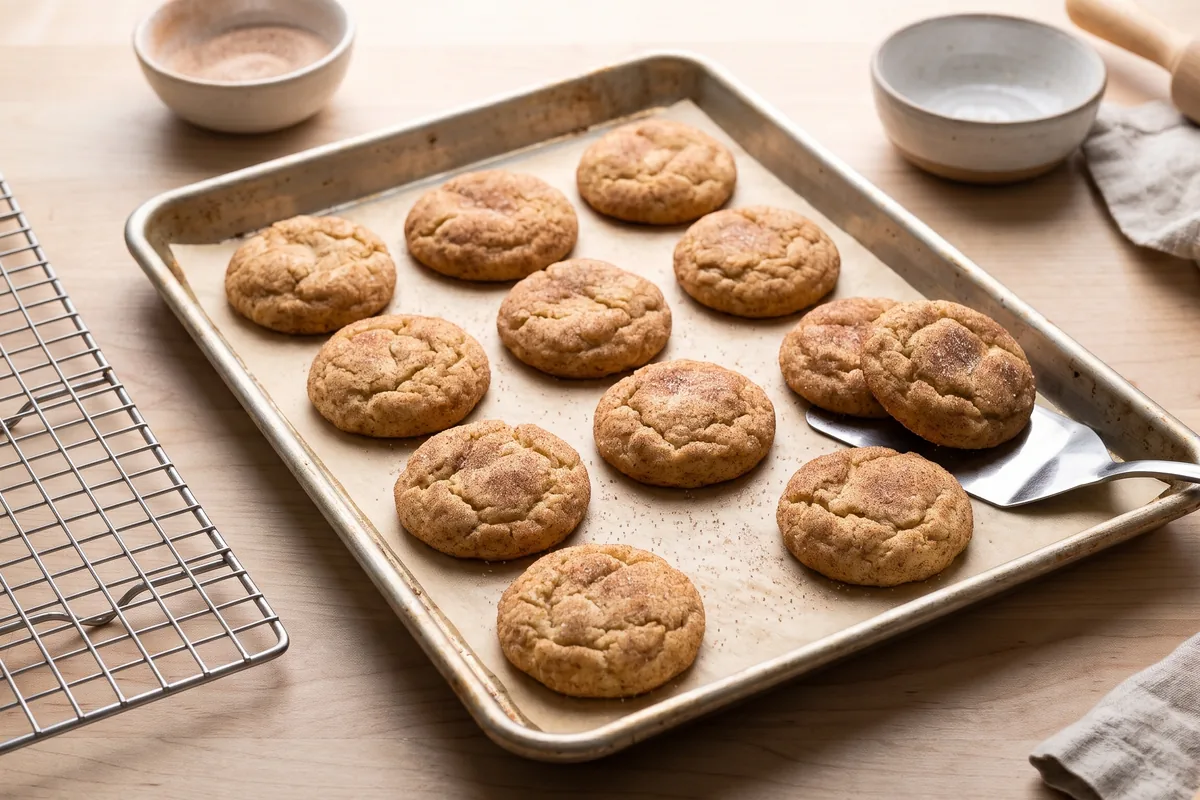
- Bake. Place 2 inches apart on a parchment-lined pan and bake at 375°F for 9 to 11 minutes per sheet, one sheet at a time on the center rack.
- Cool on the pan. Let them rest 5 minutes so the soft centers set, then move to a rack.
To chill or not to chill
Bakers disagree. Taste of Home says there is no need to chill snickerdoodle dough, and Love and Lemons calls its version a no-chill recipe. Inspired Taste chills for 30 minutes and up to 3 days because it keeps the cookies from spreading too much, makes them chewier and improves the flavor. This recipe chills for 30 minutes. If your butter was cool and your kitchen isn't warm, you can skip it, but chill when the dough feels soft or the first test cookie spreads.
Rate this recipe
7 snickerdoodle mistakes to avoid
- Skipping the cream of tartar. Without it you get a plain cinnamon cookie with no tang and less chew.
- Melted or very soft butter. It makes the dough greasy and the cookies flat. Use butter that is soft but still cool.
- Packing the flour. Scooped flour makes dry, cakey cookies. Spoon it in and level it.
- Overbaking. Take them out while the centers look puffy and slightly underdone; they set as they cool. Taste of Home says to err on the side of just underdone.
- Baking on a warm pan. Warm metal makes the dough spread. Let the sheet cool between batches.
- Crowding the pan. Leave 2 inches between balls and bake one sheet at a time so the cookies bake evenly.
- A thin cinnamon coating. Roll each ball until it is completely covered, because the coating is where most of the cinnamon flavor comes from.
Fixes for common snickerdoodle problems
| Problem | Likely cause | Fix |
|---|---|---|
| Flat cookies | Warm dough or melted butter | Chill 30 minutes; use cool, soft butter |
| Cakey and puffy | Too much flour or baking powder swap | Spoon and level flour; use cream of tartar |
| Hard, dry cookies | Overbaked | Pull them while centers still look soft |
| Coating slides off | Dough too cold and dry | Let balls sit 2 minutes before rolling |
| No crackle on top | Dough too stiff | Measure flour carefully; don't overmix |
Cinnamon sugar ratio for snickerdoodles
The coating is 4 parts sugar to 1 part cinnamon by volume: ¼ cup of sugar to 1 tablespoon of cinnamon, because ¼ cup is 4 tablespoons. Scale it with the dough.
| Dough | Rolling sugar | Ground cinnamon | Cookies (1½-tablespoon balls) |
|---|---|---|---|
| 1 batch | ¼ cup | 1 tablespoon | about 30 |
| 1½ batches | 6 tablespoons | 1½ tablespoons | about 45 |
| Double batch | ½ cup | 2 tablespoons | about 60 |
Stir the mixture with a fork in a shallow bowl so it is evenly speckled. For a stronger cinnamon crust, go up to 1½ tablespoons of cinnamon per ¼ cup of sugar, the ratio Inspired Taste uses. Any leftover coating keeps in a jar for your next batch, or for toast.
Newsletter
3 easy dinners a week
Get three emails a week, Mon/Wed/Fri, with easy dinner ideas from HomeBase.

Snickerdoodles without cream of tartar
Cream of tartar gives snickerdoodles their slight tang and soft chew, and a cookie without it is a different cookie. Recipes built to skip it use baking powder, which already contains an acid. Spend With Pennies uses 2½ teaspoons of baking powder in place of both the cream of tartar and the baking soda in its recipe. That is a separate recipe with its own amounts, not a one-for-one swap in the recipe above, so expect a milder tang and a slightly puffier cookie if you adapt this one. For the classic flavor and the crackled top, keep the cream of tartar.
| If you... | What changes |
|---|---|
| Keep cream of tartar (this recipe) | Tangy, chewy, crackled tops |
| Use a no-cream-of-tartar recipe | Milder tang, a little more lift; follow that recipe's own amounts |
| Skip chilling | Fine with cool butter; chill 30 minutes if the dough is soft or cookies spread |
Snickerdoodle variations
- Brown butter: brown the butter, cool it until firm, then cream as usual.
- Pumpkin spice or chai spice: swap half the cinnamon for pumpkin pie spice or a chai blend in the coating, as Taste of Home suggests.
- Eggnog: add ¼ teaspoon nutmeg to the dough and the coating.
- Glazed: drizzle cooled cookies with a quick powdered sugar and milk glaze.
- White chocolate dipped: melt white chocolate, dip the cookies halfway and set them on parchment.
- Extra soft: Taste of Home notes that some bakers add cream cheese to the dough for a softer, tangier cookie; there is no standard amount, so test it on a small batch first.
- Snickerdoodle bars: press the dough into a 9-by-13-inch pan, sprinkle with cinnamon sugar and bake 20 to 25 minutes.
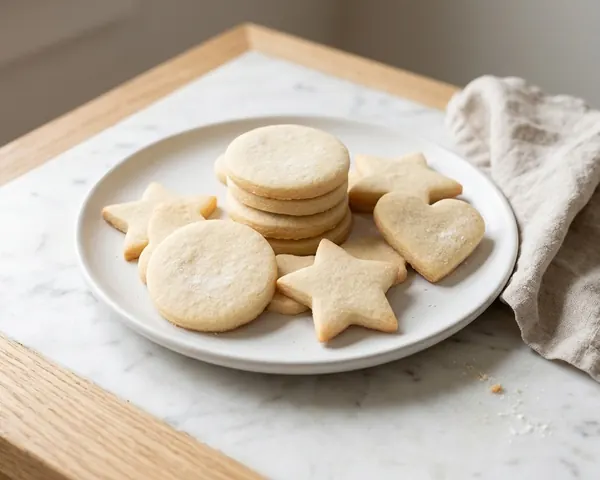
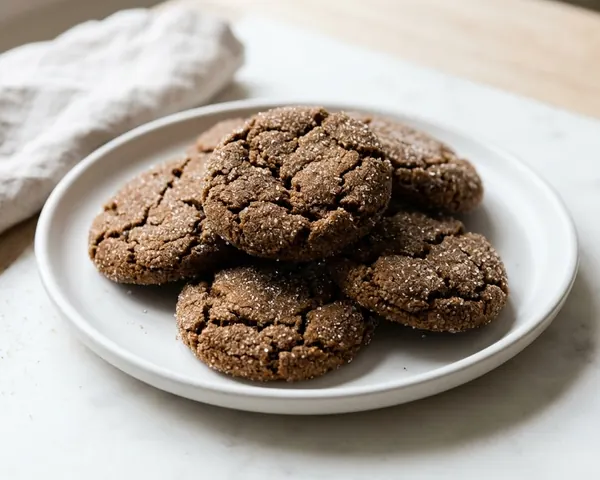
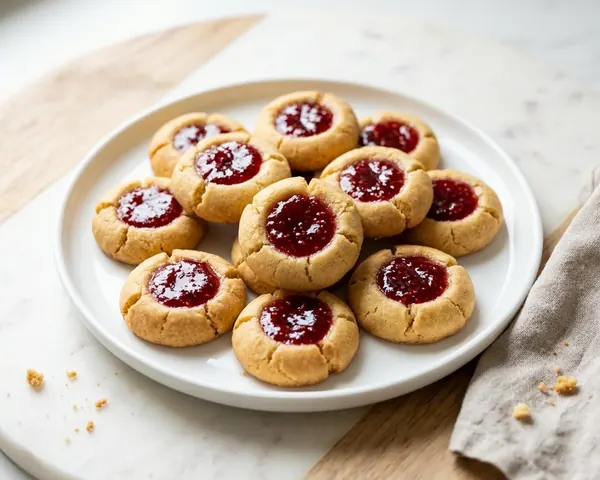
Pair them with sugar cookies and thumbprint cookies for a holiday tray, or see our full list of Christmas cookies. For more variety, add buttery spritz cookies pressed from a cookie press or chewy molasses cookies. Peanut butter fans can add our peanut butter cookie recipe, fork marks and all.
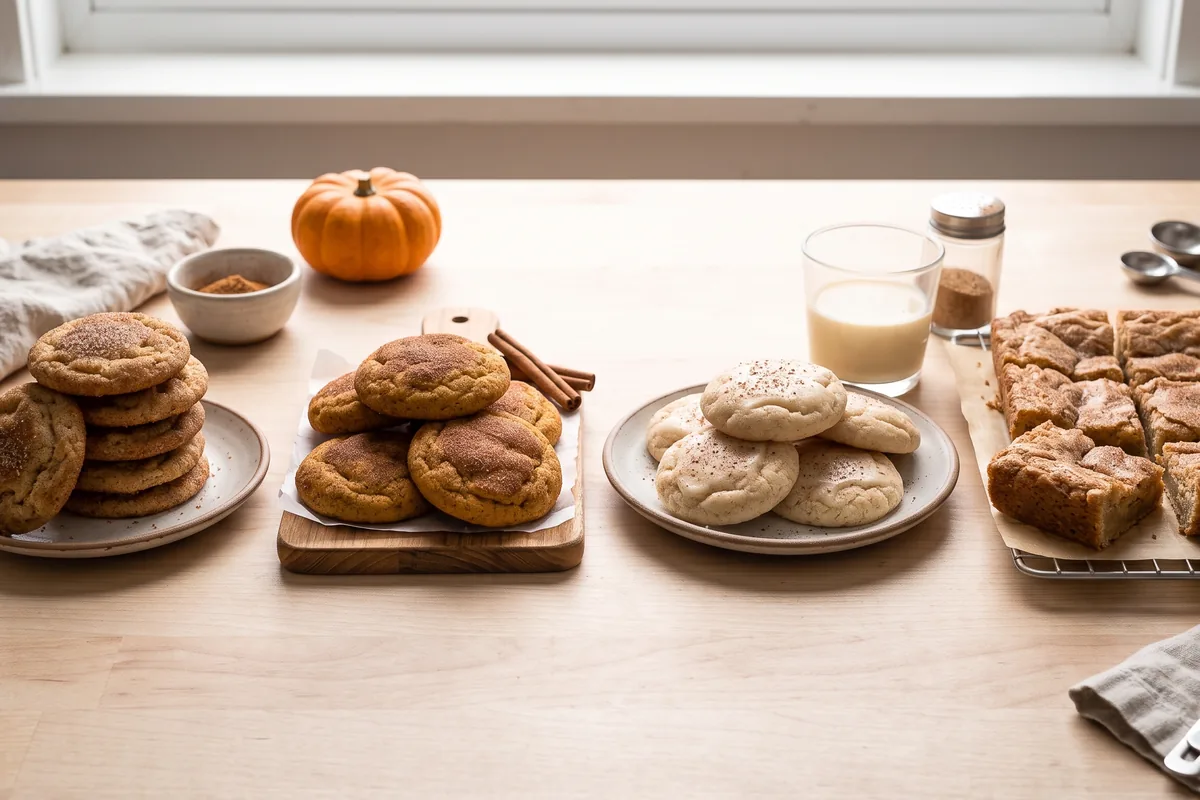
Snickerdoodle amounts for a half, single or double batch
Scaling is straightforward because every ingredient doubles or halves evenly. The cookie counts assume 1½-tablespoon dough balls.
| Ingredient | Half batch (about 15 cookies) | Single batch (about 30) | Double batch (about 60) |
|---|---|---|---|
| Unsalted butter | ½ cup (1 stick) | 1 cup (2 sticks) | 2 cups (4 sticks) |
| Granulated sugar | ¾ cup | 1½ cups | 3 cups |
| Eggs | 1 | 2 | 4 |
| Vanilla extract | ½ teaspoon | 1 teaspoon | 2 teaspoons |
| All-purpose flour | 1⅜ cups | 2¾ cups | 5½ cups |
| Cream of tartar | 1 teaspoon | 2 teaspoons | 4 teaspoons |
| Baking soda | ½ teaspoon | 1 teaspoon | 2 teaspoons |
| Salt | ⅛ teaspoon | ¼ teaspoon | ½ teaspoon |
| Rolling sugar | 2 tablespoons | ¼ cup | ½ cup |
| Cinnamon for rolling | 1½ teaspoons | 1 tablespoon | 2 tablespoons |
The bake time stays 9 to 11 minutes at 375°F no matter the batch size. Only the number of pans changes, so bake one pan at a time and let each pan cool before the next.
Baking a double batch for a cookie exchange
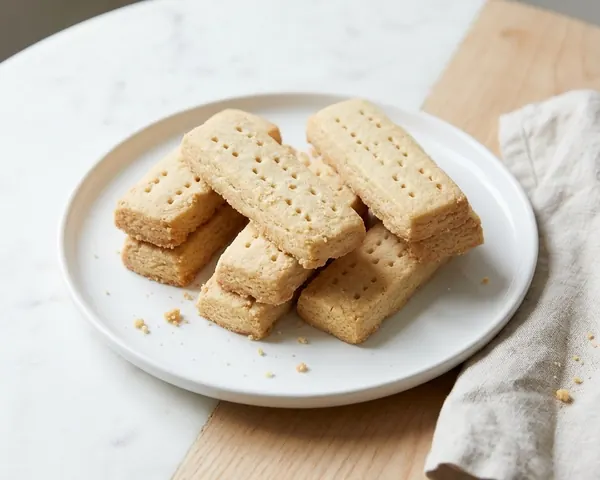
Double every ingredient, chill the dough, and bake one pan at a time on the center rack so every cookie bakes evenly. A double batch makes about 60 cookies, enough for most cookie exchanges with a few left for home. Let the pans cool between batches so the next cookies don't spread. For another cookie on the tray, use our shortbread cookie recipe to plan a separate batch.
Baking and gifting tips
Affiliate links: we may earn a small commission. As an Amazon Associate we earn from qualifying purchases. Details.
- Don't taste the raw dough. The FDA's flour safety page says raw flour and raw eggs can carry harmful bacteria and to never eat or taste raw flour, dough or batter.
- Label gift tins. The FDA's food allergy guide lists wheat, milk and eggs among the major food allergens, and this dough has all three.
- Bake once, give many times: one batch fills about 5 small tins of 6 cookies for a Christmas cookie box. JOYIN Christmas cookie gift boxes with windows are one paper-box option.
Storing snickerdoodles
| Where | How long | Tip |
|---|---|---|
| Room temperature | About 4 days | Airtight container, fully cooled; Taste of Home adds a slice of bread to keep them soft |
| Freezer (baked) | Up to 3 months | Freeze on a tray first, then layer with parchment in an airtight container |
| Freezer (dough balls) | Up to 3 months | Coat in cinnamon sugar right before baking |
| Refrigerator (dough) | Up to 3 days | Wrap tightly; Inspired Taste keeps its dough 3 days |
Plan your holiday baking
- Family Recipe Binder, $6.99. Keep this recipe with your favorite variations and baking notes.
Browse the Holiday shop.
More cookies you'll love
Frequently asked questions
What is a snickerdoodle? A snickerdoodle is a soft, chewy cookie rolled in cinnamon sugar before baking, with a crackled top and a slight tang from cream of tartar. The dough is close to sugar cookie dough, but the cinnamon sugar coating and the cream of tartar are what make it a snickerdoodle.
What makes a snickerdoodle different from a sugar cookie? A snickerdoodle is rolled in cinnamon sugar before baking and made with cream of tartar, which gives it a slight tang and a soft, chewy, crackled texture. A sugar cookie has no cinnamon coating and is usually rolled and cut into shapes.
Why is cream of tartar in snickerdoodles? Cream of tartar is an acid that works with baking soda to lift the dough, and it adds the slight tang and chewy texture snickerdoodles are known for. Without it you get a plainer cinnamon sugar cookie.
Do you need cream of tartar for snickerdoodles? Cream of tartar gives snickerdoodles their classic tang and chewy texture, so the best results come from using it. If you don't have it, follow a recipe written for baking powder; Spend With Pennies, for example, uses 2½ teaspoons of baking powder in place of both the cream of tartar and the baking soda in its own recipe, and the cookies come out milder and a little puffier.
Should you chill snickerdoodle dough? Chilling snickerdoodle dough for 30 minutes is a good idea because it keeps the cookies from spreading and makes them chewier, and this recipe chills it. Taste of Home and Love and Lemons say chilling is optional, so if your butter was cool and your kitchen is not warm you can skip it.
Why are my snickerdoodles flat? Flat snickerdoodles usually come from butter that was too soft or melted, dough that wasn't chilled, or a warm baking sheet. Chill the dough for 30 minutes and scoop it onto a cool pan.
Why are my snickerdoodles hard or dry? Snickerdoodles turn hard or dry when they are overbaked or when there is too much flour in the dough. Pull them while the centers still look puffy and slightly underdone, and spoon the flour into the cup and level it instead of scooping.
How long do you bake snickerdoodles? Bake snickerdoodles at 375°F for about 9 to 11 minutes. Take them out when the edges are set and the centers still look puffy and slightly underdone; they settle and finish setting on the pan.
What is the cinnamon sugar ratio for snickerdoodles? Use about ¼ cup of granulated sugar mixed with 1 tablespoon of ground cinnamon, which is 4 parts sugar to 1 part cinnamon. That is enough to roll a full batch of about 30 cookies, and you can go up to 1½ tablespoons of cinnamon per ¼ cup of sugar for a stronger crust.
How do you keep snickerdoodles soft? Underbake them slightly, then store them in an airtight container once they're completely cool. Taste of Home suggests adding a slice of bread to the container to keep them soft longer.
Can you freeze snickerdoodle dough? Yes, you can freeze snickerdoodle dough. Scoop the dough into balls, freeze them on a tray, then store them in a freezer bag for up to 3 months. Roll the frozen balls in cinnamon sugar and bake them a minute or two longer.
Can you make snickerdoodle dough ahead? Yes, you can make snickerdoodle dough up to 3 days ahead. Wrap it tightly and refrigerate it, then scoop and roll the balls in cinnamon sugar straight from the fridge; Inspired Taste says the dough keeps 3 days in the refrigerator.
How long do snickerdoodles last? Snickerdoodles keep about 4 days in an airtight container at room temperature and up to 3 months in the freezer. Taste of Home, Love and Lemons and Inspired Taste all give 4 days at room temperature.
Are snickerdoodles good for cookie exchanges? Yes, snickerdoodles are good for cookie exchanges. They travel well, don't need icing and are easy to bake in big batches for a cookie exchange or holiday tin.
How many snickerdoodles does one batch make? One batch of this snickerdoodle recipe makes about 30 cookies when you scoop 1½-tablespoon balls, and a double batch makes about 60. Smaller balls stretch it toward 36; use ¼ cup of sugar and 1 tablespoon of cinnamon for the coating of each single batch.
Why do snickerdoodles crack on top? A crackled top is part of a true snickerdoodle; Taste of Home describes it as the lovely crackling top with cinnamon-sugar flavor baked right in. The cookies puff in the oven and settle as they cool, and the cinnamon sugar coating crinkles with them. If yours stay smooth, the dough may be too stiff, so measure the flour carefully and don't overmix.
Where does the name snickerdoodle come from? Nobody knows for sure. Taste of Home says the name is thought to come from the German dessert schnecke knödel, which translates to snail dumpling. Treat the origin as a theory, not settled history.
Can I use salted butter in snickerdoodles? You can use salted butter in snickerdoodles if you leave out the added salt. The recipe uses unsalted butter and ¼ teaspoon of salt, so with salted butter skip the salt, as Inspired Taste advises in its recipe.
How do I make snickerdoodles with a stronger cinnamon flavor? Use more cinnamon in the coating, up to 1½ tablespoons per ¼ cup of sugar, which is the ratio Inspired Taste uses. You can also add a little cinnamon to the dough, but the coating is where most of the flavor comes from.
Made this? Tell us how it went
Your notes help the next cook: what you changed, how long it took, how it turned out.