The short answer: to pick a baby name, agree on your family's priorities, choose a small set of finalists, test each full name aloud and on paper, then verify the exact spelling before completing official records. A simple decision table can make a disagreement easier to discuss without pretending a score should choose your child's name.
You do not need to read every name list before deciding. Start with what you want the name to do: honor a relative, work in more than one language, feel familiar, sound distinctive or leave room for the child's own preferences as they grow. A name can meet several of those wishes, but it may not meet all of them equally.
1. Agree on the process before discussing a favorite
Decide who is making the choice and which other people are being invited to give ideas. Relatives can suggest names without having a vote. If you are choosing with a partner, agree that neither person needs to defend a name while it is still only a possibility.
Choose a stopping point for the first round. For example, each person can bring five options and one sentence about why each appeals to them. A defined list is easier to compare than a stream of suggestions sent at unpredictable times during the day.
Write down any practical constraints you already agree on, such as an honor name in the middle position or a spelling that needs to work in two languages. Keep preferences separate from absolute requirements so a pleasant surprise has a chance to stay on the list.
2. Choose criteria that reflect your family
Useful criteria include how the full name sounds, a family or cultural connection, spelling preferences and how comfortable you feel using it in everyday settings. Avoid adding a criterion only because it helps your current favorite win.
If pronunciation across languages matters, ask knowledgeable speakers about the actual pronunciation rather than guessing from the letters. If a name's meaning matters, verify it through an appropriate reference or speaker. A family story can be a good reason to choose a name without describing that story as the name's literal translation.
Popularity can be one criterion, but decide what you mean by it. A national ranking, local familiarity and the number of similar-sounding spellings are different questions. “Not in the top ten” and “unlikely to meet anyone with the same name” are very different goals.
3. Use a comparison table to find the real disagreement
The following numbers are a fictional discussion example. Give each criterion an importance weight, score each finalist from one to five, multiply the score by the weight and add the results. The table is a way to make priorities visible, not a scientific test of whether a name is good.
| Criterion | Weight | Finalist A score | A weighted | Finalist B score | B weighted |
|---|---|---|---|---|---|
| Family connection | 3 | 5 | 15 | 4 | 12 |
| Pronunciation feels comfortable | 2 | 3 | 6 | 5 | 10 |
| Sound with surname | 2 | 4 | 8 | 4 | 8 |
| Comfortable imagining different ages | 1 | 4 | 4 | 5 | 5 |
| Total | 33 | 35 |
A two-point difference does not settle the decision. Here, one finalist has the stronger family connection while the other feels easier to pronounce. Discuss that tradeoff directly. Changing the weights simply to force a winner defeats the purpose of the exercise.
You can also skip numbers and write one strength and one concern next to each name. The useful part is naming the concern clearly enough that you can investigate it or decide whether it matters.
4. Test the whole name in ordinary sentences
Say the first and last names together without the middle name. Then add the middle name. Try introducing the person, leaving a message and reading the name from a list. You are listening for combinations that feel awkward to you, not following a universal rule about how many syllables a name should have.
If your surname begins with the same sound as the first name ends, say the combination at a normal pace. If several names rhyme or repeat the same ending, decide whether that is a feature you enjoy. The written form may look balanced while the spoken form runs together.
Test the name in the languages your household actually uses. You do not need every stranger to pronounce it perfectly, but it helps to understand what explanation you are likely to give and whether you feel comfortable giving it.
5. Write down initials, nicknames and the chosen spelling
Check initials in the ordinary first-middle-last order and any monogram order you intend to use. Write the full name on a pretend school label and a form with separate fields. Make sure everyone choosing the name is looking at the same spelling.
Discuss obvious nicknames and shortened forms. You can prefer the full name while recognizing that the child may later choose a nickname. If a common shortened form strongly bothers you, talk about that before treating the full name as settled.
Do not assume an unusual spelling guarantees an unusual spoken name. Compare similar spellings and say them aloud. A different written form may still produce the same answer when somebody calls the name across a room.
6. Check name records without turning them into a rule
The Social Security Administration's background notes explain where its baby-name records come from and their qualifications. Use the same year and exact spelling for comparisons, and remember that a national record does not predict a particular classroom or community.
A rank is information for your decision, not a reason you must reject a name you both love. If you need more options after defining your criteria, browse the unique girl name suggestions or gender neutral name list with those criteria in mind instead of starting the entire search over.
7. Separate a private decision from a public announcement
Decide whether you want to share a shortlist, announce a final name or wait until after the birth. If you ask for opinions, be clear about what kind of help you want. “Does this spelling have another meaning in your language?” is a different request from “Which name would you choose?”
You can thank someone for a suggestion without adding it to the list. You can also keep a family connection private if you do not want every person to evaluate it. A clear boundary avoids turning an announcement into another round of voting.
8. Keep a backup without endlessly expanding the list
A second choice can be useful if you want a little more time before deciding. Write the exact spelling of both finalists and the remaining question about each. Give yourselves a quiet opportunity to return to the choice rather than repeatedly collecting new options because making the decision feels difficult.
If the same concern keeps returning, identify whether it is practical, personal or pressure from someone outside the decision. A pronunciation question may have an answer. A preference between two names may simply require time and agreement.
9. Verify the name when completing records
Check the full spelling carefully before submitting birth and identification information. The SSA guide to Social Security numbers for children explains the option to apply for a newborn's number when providing birth-certificate information in the hospital. Confirm the process and any record-specific questions with the appropriate office rather than relying on a baby-name list for legal requirements.
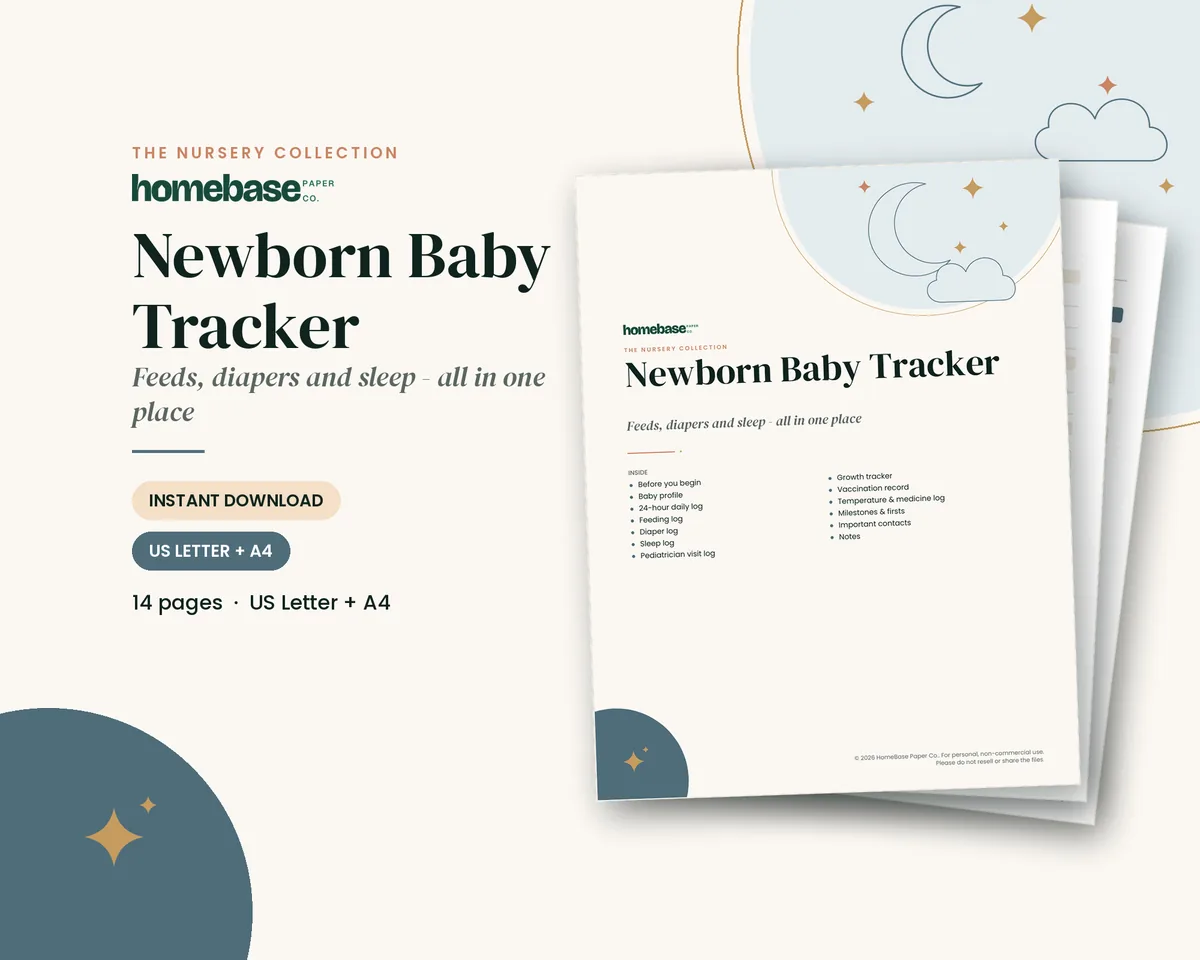
Keep the agreed full name in the same place as your other arrival notes so a tired parent is not choosing between two spellings while completing a form. If you are preparing for the first weeks at home, the Newborn Baby Tracker is $3.99. The name decision and the everyday baby plan can each have a clear place without requiring one enormous planning document.
Make it easier
Tools for this
Printables
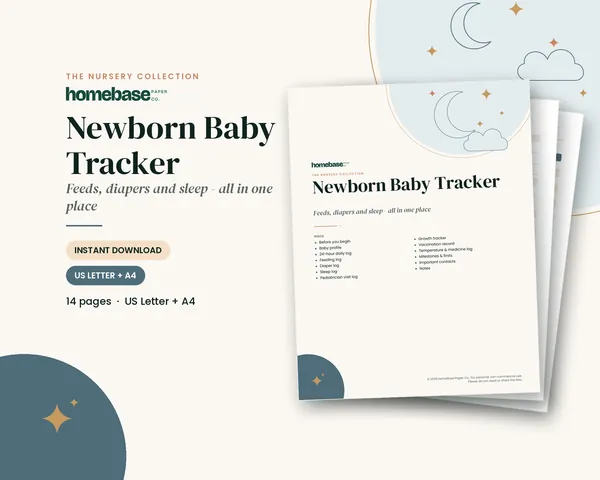
Newborn Baby Tracker
A 24-hour daily log plus feeding, diaper, sleep, growth and pediatrician-visit pages - easy to bring to checkups.
Frequently asked questions
How do I choose between two baby names? Choose between two baby names by comparing the priorities that matter to your family, then testing the full names, initials, spellings and likely nicknames. A weighted table can clarify a tradeoff, but its score should support the discussion rather than decide for you.
Should I avoid a popular baby name? You do not have to avoid a popular baby name if it is the choice you love. Use popularity records as information about a particular year and spelling, and decide how important that information is compared with family connection, pronunciation and the full name.
When should I check the final spelling? Check the final baby-name spelling before completing birth and identification records. Keep the agreed first, middle and last names written together and confirm record-specific questions with the appropriate office.
More from HomeBase
You may also like
 Starter pick
Printables
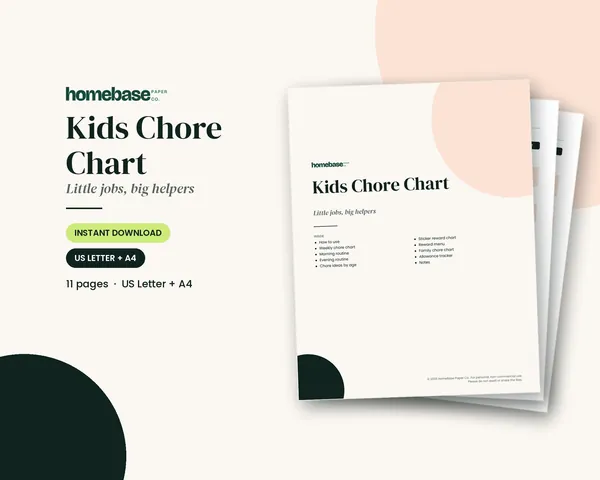
Kids Chore Chart
Weekly chore chart, morning and evening routines, chore ideas by age, a sticker reward chart and an allowance tracker.
Printables
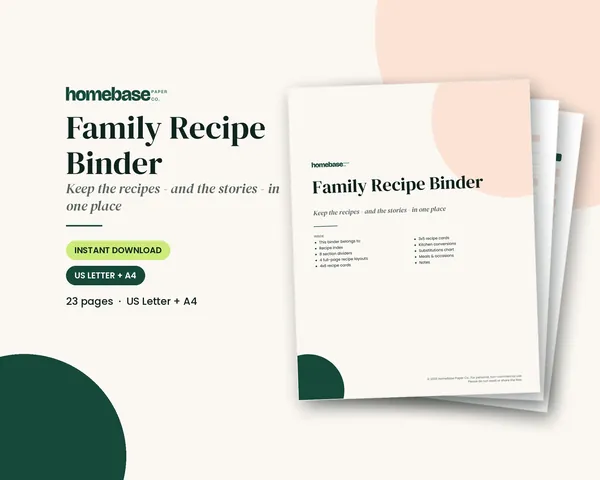
Family Recipe Binder
Section dividers, four recipe page layouts with room for the family story, 4x6 and 3x5 cards and a conversion chart - print it or type into the fillable version.
Printables
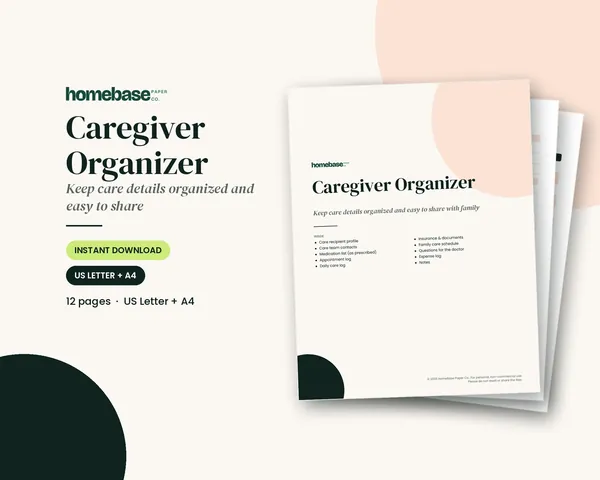
Caregiver Organizer
One place for contacts, appointments, the medication list from the doctor, and daily notes.
 Save 33%
Bundles
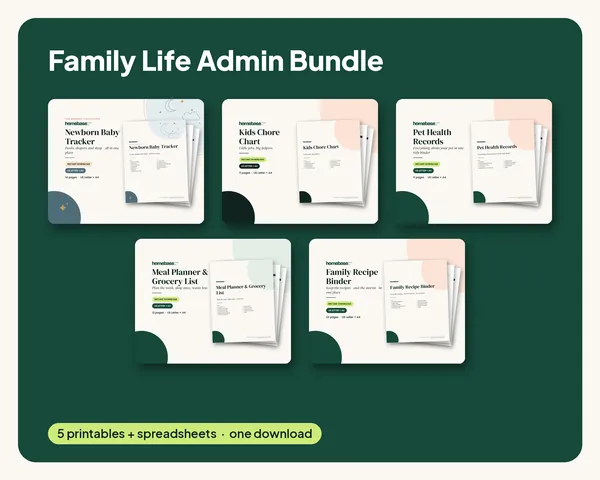
Family Life Admin Bundle
Baby logs, chore charts, pet records, meal plans and family recipes in one tidy set.
 Club
Monthly club
Meal Plan Club
Families who want dinner planned and a grocery list ready every week.
Free printable
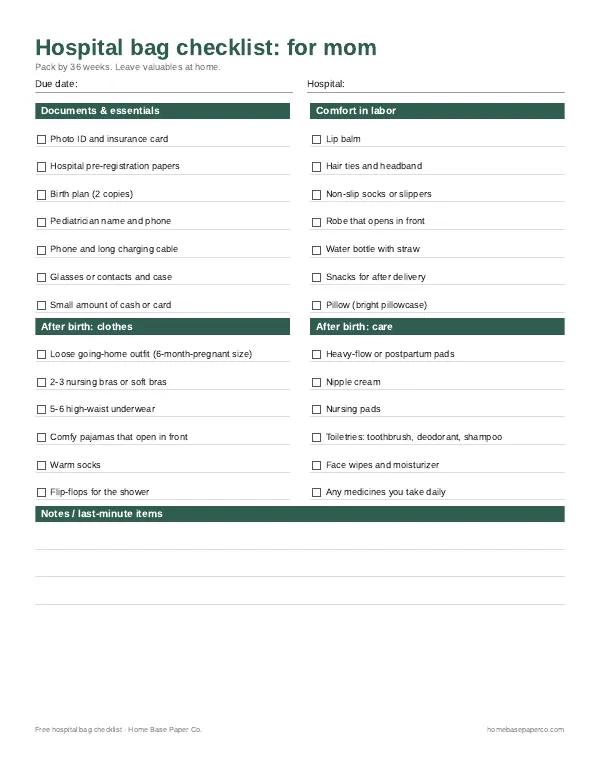
Pack once, pack right: get the free hospital bag checklist
A printable hospital bag checklist for mom, baby and partner, with documents and comfort items grouped so nothing is forgotten. You'll also get our weekly HomeBase email with simple, practical tips for getting ready for baby.