

The short answer: this free obituary template is a 3-page printable PDF that walks you through the five parts of an obituary in order.
- Five parts: announcement, life story, family, service details and memorial wishes
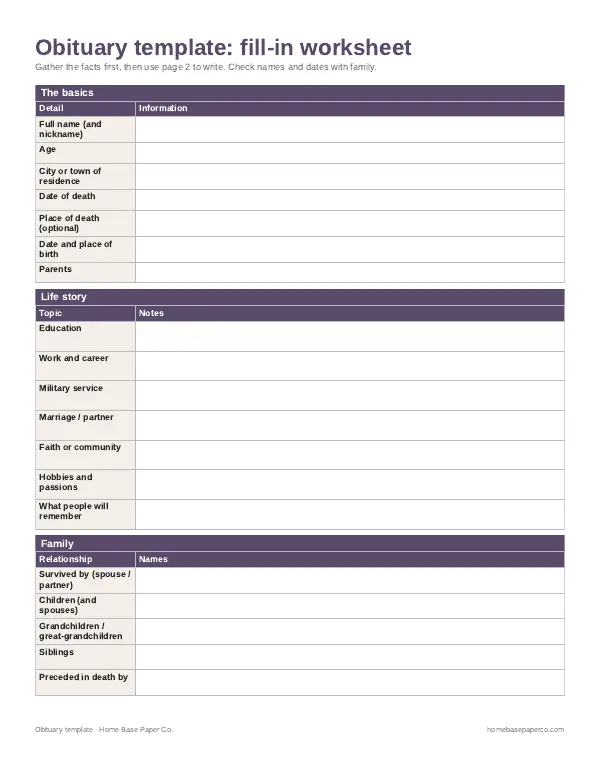
- Page 1: a worksheet for gathering facts
- Pages 2 and 3: a fill-in-the-blanks draft and a checklist before you publish
- What to leave out, like the full date of birth and home address
- Next step: Get the free obituary template (we email it to you); want more? The If Something Happens to Me Binder is $11.99.
An obituary template takes the guesswork out of writing an obituary at a hard time. It walks you through the five parts in order: the announcement, the life story, the family, the service details, and memorial wishes. Our free obituary template is a 3-page printable PDF with a worksheet for gathering facts, a fill-in-the-blanks draft and a checklist before you publish. Below you will also find obituary examples, what to leave out, and help with the practical steps that come with a death, including the FTC's guide to shopping for funeral services.
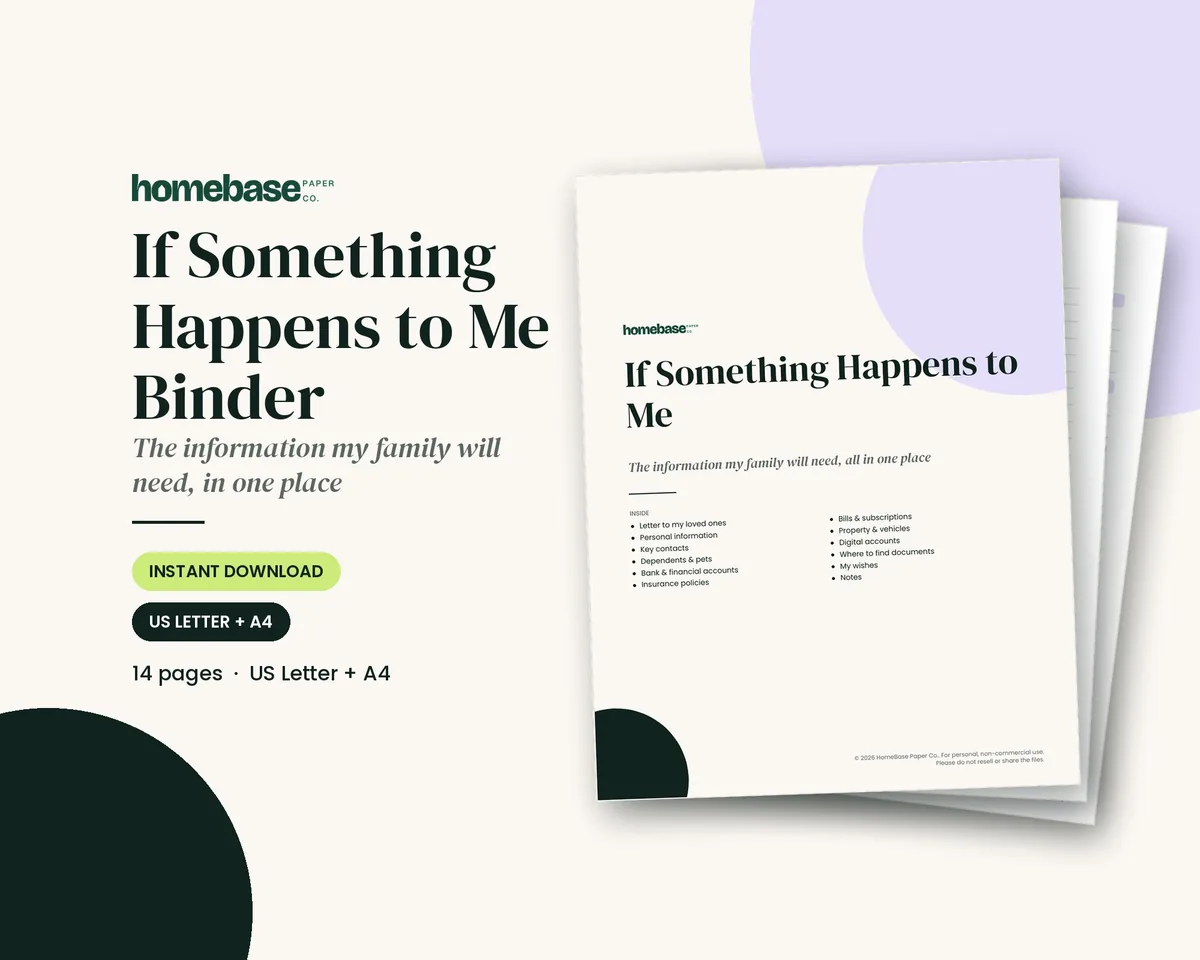
If you are planning ahead for yourself or a parent, writing down the facts now saves your family from searching later. Our If Something Happens to Me Binder ($11.99) has sections for a letter to loved ones, personal information, key contacts, accounts, insurance, bills, property, digital accounts, where to find documents and your wishes.
What is in the free obituary template
| Page | What it covers | Why it helps |
|---|---|---|
| 1. Fill-in worksheet | The basics (name, age, dates, places, parents), life story topics and family lists | Gathers every fact before you write |
| 2. Write the obituary | Fill-in-the-blank sentences for the announcement, life story, family, service details and memorial gifts | Turns the facts into a finished draft |
| 3. Publishing checklist | Final checks, where it will appear with deadlines and prices, and who approved it | Catches errors before it goes to print |
How to write an obituary in 6 steps
- Gather the facts. Use page 1 to write the full legal name, nickname, age, city, date of death, date and place of birth and parents' names. Check spellings with family.
- Write the announcement. One sentence: who died, their age, where they lived and when. You can add "peacefully" or "surrounded by family" if that fits.
- Tell the life story. Choose three or four things: where they grew up, their work, service, faith, their marriage and what they loved. Specific details, like a garden, a recipe or a favorite team, say more than a list of jobs.
- List the family. Name who survives them and who died before them, closest family first.
- Add service details. The type of service, place, date, time and visitation hours. If services are private or will be held later, say so.
- Close with memorial wishes and thanks. Where to send donations instead of flowers, and thanks to caregivers or a hospice team.
Obituary examples
These obituary examples use made-up names. Borrow the structure and change the details.
A short obituary (about 120 words)
Margaret "Peggy" Allen, 86, of Dayton, Ohio, died peacefully on February 12 at home. Born in Lima to Frank and Ruth Hollis, Peggy taught second grade for 31 years and never stopped correcting grammar at the dinner table. She loved her rose garden, her church choir and her Friday card club. Peggy is survived by her children, Susan (Mark) Reed and David (Lisa) Allen, and five grandchildren. She was preceded in death by her husband of 58 years, Walter. A memorial service will be held at First Methodist Church on February 20 at 11 a.m. In lieu of flowers, the family asks for donations to the Dayton Public Library.
A longer obituary with more life story
James Ortiz, 72, of San Antonio, passed away on June 4 surrounded by his family. James was born in El Paso, the oldest of six children, and served in the U.S. Army before starting a 40-year career as an electrician. He built half the porches on his street and fixed the rest. James married his high school sweetheart, Rosa, in 1975, and together they raised three children and hosted every holiday for four decades. He coached Little League for 20 years, made the best brisket in the family and could talk to anyone. He is survived by Rosa; his children, Daniel, Maria and Luis; eight grandchildren; and his siblings. A funeral Mass will be held at St. Mary's on June 10 at 10 a.m., with visitation the evening before.
A death notice (facts only)
Robert Kim, 64, of Portland, died on September 9. Survived by his wife, Ann, and children, Grace and Paul. A private family service will be held. Memorial gifts may be made to the American Heart Association.
Obituary wording ideas
Finding the right words is often the hardest part. These phrases fit most obituaries:
| Part | Wording ideas |
|---|---|
| Announcement | "passed away peacefully," "died at home surrounded by family," "went to be with the Lord," "left us after a long illness" |
| Life story | "was happiest when," "never missed," "will be remembered for," "taught us all to" |
| Family | "is survived by," "leaves behind," "was preceded in death by," "joins her husband" |
| Service | "a celebration of life will be held," "services will be private," "a memorial will be held at a later date" |
| Memorial gifts | "in lieu of flowers," "memorial gifts may be made to," "the family thanks" |
Keep the tone true to the person. A funny, warm obituary is fine for someone who loved to laugh, and a simple, formal one suits someone who was private. If two relatives disagree about wording, read the draft aloud together; it usually becomes clear what sounds right.
What to leave out of an obituary
Obituaries are public, and some details can be misused. Leave these out:
- The full date of birth. Use the birth year or just the age.
- The home address. Name the city, not the street. Homes can be targeted during the funeral, so consider asking a neighbor to stay at the house.
- The mother's maiden name if it is used as a security answer, or list it in a way that does not tie it to account details.
- Private family matters and anything you would not want a grandchild to read later.
- The cause of death, unless the family wants to share it.
Where to publish an obituary and what it costs
| Option | Typical cost | Notes |
|---|---|---|
| Local newspaper (print and online) | Often charged by line, word or inch; a photo may cost extra | Ask for a written price and the deadline |
| Funeral home website | Often included with services | Easy to share by link |
| Memorial or legacy sites | Free and paid options | Guests can leave messages |
| Social media and church bulletins | Free | Good for reaching friends quickly |
Use page 3 of the template to note each publication's deadline, word limit and price. If cost is a concern, publish a short death notice in print and a longer obituary online. If you buy obituary placement through a funeral home, the FTC's Funeral Rule guide explains that funeral providers must give you an itemized price list, and you can choose only the goods and services you want.
Practical steps after a death
Writing the obituary is one task among many. A few that families often ask about:
- Social Security. The SSA's survivor benefits page says a funeral home will usually report the death, so you may not need to. It also explains monthly survivor benefits for eligible spouses, children and dependent parents.
- Funeral costs. Compare prices from at least two funeral homes if you can. The FTC guide notes that you can supply your own casket or urn, and the funeral home cannot refuse it or charge a handling fee.
- Death certificates. Order several certified copies. Banks, insurers and agencies each may ask for one.
- Accounts and bills. Make a list of accounts, bills and subscriptions to close or transfer.
- Important papers. Look for a will, insurance policies, deeds and titles.
This is where a planning binder helps. When a parent has written down their accounts, contacts, insurance and wishes, these steps take days instead of weeks. Our guide to Swedish death cleaning is a gentle way to start that conversation, and the emergency binder guide covers the documents every family should keep together.
Writing an obituary for yourself or a parent in advance
Some people write their own obituary, or at least their life story, so their family has the facts right. It does not need to be polished. Write the dates, places, names and the stories you want told, and keep it with your important papers. Use the obituary template's page 1 as a worksheet.
Planning ahead often starts with a will. Our guide on how to make a will explains what it should include and how to sign it properly.
Two products help keep that information in one place:
- If Something Happens to Me Binder ($11.99): a letter to loved ones, personal information, key contacts, accounts, insurance, bills, property, digital accounts, where to find documents and a My Wishes section for service preferences.
- Family Peace of Mind Bundle ($17.99): the If Something Happens to Me Binder with a Caregiver Organizer, Pet Health Records and a Password & Accounts Log.
The binder is an organizer, not a will, so pair it with legal advice for estate planning. The free obituary template is below. Take your time, ask family to check the facts, and remember that the best obituaries sound like the person they are about.
Make it easier
Tools for this
Printables
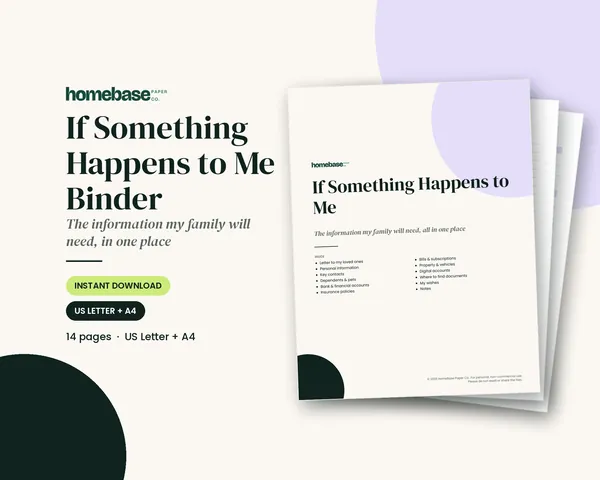
If Something Happens to Me Binder
Accounts, insurance, bills, contacts, documents and your wishes - so your family isn't left guessing.
 Save 37%
Bundles
Family Peace of Mind Bundle
The If Something Happens to Me binder, Caregiver Organizer, Pet Health Records and Password Log together.
Frequently asked questions
What is an obituary template? An obituary template is a fill-in outline that walks you through the parts of an obituary in order: the announcement, life story, family, service details and memorial wishes. Our free obituary template is a 3-page PDF with a fact-gathering worksheet, a fill-in-the-blanks draft and a publishing checklist.
How do you write an obituary? To write an obituary, start with the full name, age, hometown and date of death. Add a short life story covering birth, family, work, service and what they loved. List close family who survive them and those who died before them. Finish with service details and where to send memorial gifts.
What should be included in an obituary? Most obituaries include the person's full name, age, city, date of death, birth date and place, parents, education, career, military service, marriage, hobbies, surviving family, family who died before them, funeral or memorial details, and a note about flowers or donations. A photo is common but optional.
How long should an obituary be? A newspaper obituary is often 200 to 400 words because many papers charge by length. An online obituary on a funeral home site or memorial page can be longer, 500 words or more. A short death notice with only the facts and service details may be 50 to 100 words.
What is the difference between a death notice and an obituary? A death notice is a short, paid announcement with the basic facts and service details. An obituary tells more of the person's life story. Some newspapers use the words interchangeably, so ask the paper what it offers and how it charges.
Who usually writes the obituary? A close family member usually writes the obituary, often with help from the funeral home. Some people write their own in advance or leave notes for their family. If several relatives want input, choose one writer and have one or two others check the facts.
What should you not put in an obituary? Leave out the person's full birth date, home address, mother's maiden name and other details that could help someone misuse their identity. Avoid family disputes, the exact cause of death unless the family wants to share it, and anything you would not want a grandchild to read years later.
How much does it cost to publish an obituary? A newspaper obituary can cost from under $100 to several hundred dollars or more. Costs vary widely: many newspapers charge by the line, word or column inch, and a photo often costs extra. Funeral home websites often post online obituaries as part of their services. Ask for prices in writing before you submit, and compare the newspaper quote with the funeral home's online option.
How soon after a death is an obituary published? Most obituaries are published within a few days to a week after a death, often before the funeral so people can attend. Check each newspaper's deadline, since many need the text one or two days before the print date. Online obituaries can usually go up the same day.
Can I write my own obituary in advance? Yes, you can write your own obituary in advance. Writing your own obituary, or at least the facts and stories you want included, is a kind gift to your family. Keep it with your other important papers, such as an end-of-life planning binder, and tell someone where to find it.
How do I list family members in an obituary? List the closest family first: spouse or partner, then children and their spouses, grandchildren and great-grandchildren, then parents and siblings. Many obituaries say who the person is survived by, then who they were preceded in death by. Agree on names and order with the family before publishing.
What are good opening lines for an obituary? Simple openings work best, such as: 'Mary Ellen Harper, 84, of Springfield, passed away peacefully on March 3 surrounded by her family.' You can also open with something personal: 'John Lee, who never met a stranger, died on May 2 at age 71.' Then move into the life story.
More from HomeBase
You may also like
 Starter pick
Printables
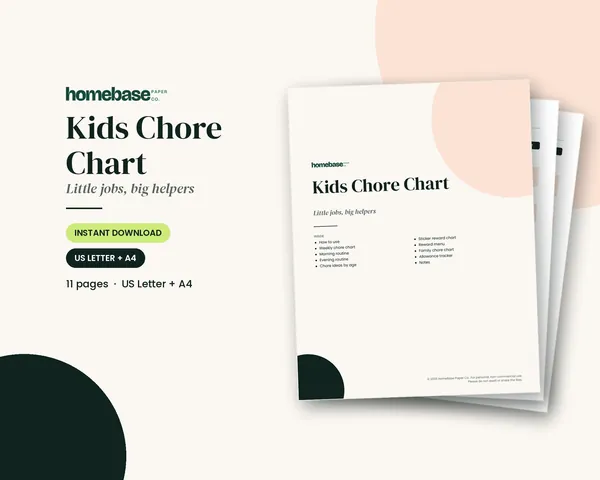
Kids Chore Chart
Weekly chore chart, morning and evening routines, chore ideas by age, a sticker reward chart and an allowance tracker.

Printables
Family Recipe Binder
Section dividers, four recipe page layouts with room for the family story, 4x6 and 3x5 cards and a conversion chart - print it or type into the fillable version.
Printables
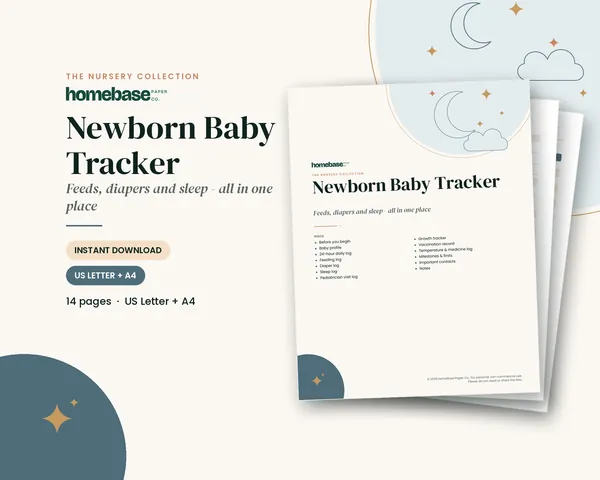
Newborn Baby Tracker
A 24-hour daily log plus feeding, diaper, sleep, growth and pediatrician-visit pages - easy to bring to checkups.
Printables
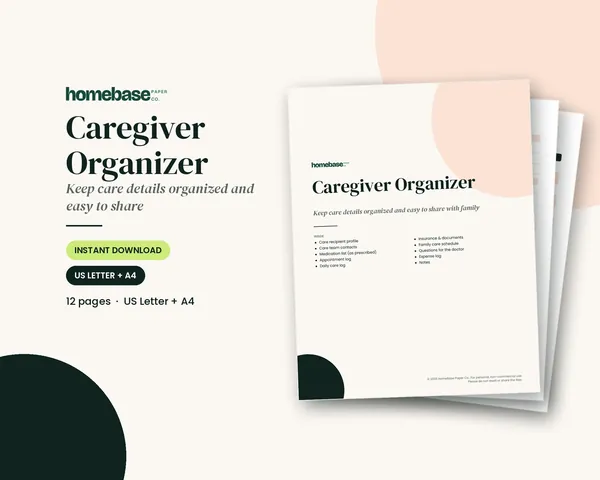
Caregiver Organizer
One place for contacts, appointments, the medication list from the doctor, and daily notes.
 Club
Monthly club
Meal Plan Club
Families who want dinner planned and a grocery list ready every week.
Free printable
Write an obituary step by step, when it's hard to find the words
A fact worksheet, fill-in draft sentences and a publishing checklist. You'll also get our weekly HomeBase email with simple ways to keep family records and important papers in order.
Sources
- Shopping for Funeral Services (FTC) consumer.ftc.gov
- Survivor benefits (SSA) ssa.gov