

The short answer: how to make a will: decide who gets your property, name an executor and a guardian for minor children, write it down and sign it in front of witnesses.
- List what you own and what passes outside the will
- Choose an executor and a backup
- Consider a self-proving affidavit
- Store it and tell someone where it is
- Next step: Plan it with the If Something Happens to Me Binder ($11.99).
Learning how to make a will is simpler than most people expect: you decide who gets your property, name an executor and a guardian for minor children, write it down and sign it in front of witnesses. Georgia's official guide to writing a will says a valid will must be in writing and signed, and does not have to be notarized or filed in advance. South Dakota's consumer guide to wills adds that the maker must be 18 and of sound mind. This guide walks through the nine steps, what to include, the signing rules and how to keep your family from searching for paperwork later. It is general information, not legal advice, so check your own state's rules.
A will works best with a record of what you own. Our If Something Happens to Me Binder has pages for bank and financial accounts, insurance policies, property and vehicles, digital accounts and where to find documents.

How to make a will in 9 steps
- List what you own. Write down your home, vehicles, bank and investment accounts, retirement accounts, life insurance, valuables and anything with sentimental value.
- Check what passes outside the will. Accounts with a named beneficiary, such as life insurance, 401(k)s and IRAs, usually go straight to that person. Jointly owned property often passes to the co-owner. Update those beneficiary forms so they match your plan.
- Decide who gets what. Name each beneficiary and what they receive. Add a "residue" clause for everything you forget or acquire later.
- Choose an executor. This person carries out the will. Name a backup too.
- Choose a guardian for minor children. If you have kids under 18, this may be the most important line in the document.
- Write the will. Use a reputable state-specific form, will software or a lawyer. Keep the language plain and specific.
- Sign it with witnesses. Most states require two adult witnesses who are not beneficiaries. Sign in front of them and have them sign too.
- Consider a self-proving affidavit. Signing one before a notary can save time in probate because witnesses may not need to be found later.
- Store it and tell someone. Keep the original in a safe place and tell your executor where it is.
What to include in a will
Choosing who will carry out the will? Our guide on executor of estate duties explains the job, step by step, so you can pick well.
If you are starting from the basics, our guide to what is a will explains the terms and what a will can and cannot do.
| Section | What it says | Tip |
|---|---|---|
| Title and identity | "Last Will and Testament," your full name and address | Use the same name that is on your ID |
| Revocation clause | Cancels any earlier wills | Prevents confusion if an old copy turns up |
| Executor | Who manages the estate, plus a backup | Ask them before you name them |
| Guardian | Who raises minor children | Name a backup guardian too |
| Specific gifts | Particular items or amounts to particular people | Describe items clearly: "my grandmother's gold ring" |
| Residue | Everything not listed elsewhere | Without it, leftover property may pass by state law |
| Signatures | Your signature, date and witnesses | Follow your state's witness rules exactly |
Georgia's guide also points out that if you want to leave out a close relative, such as a child or spouse, you should say so directly so your intentions are clear. A will made while single is not automatically cancelled when you marry in South Dakota, but a spouse you did not provide for may still receive a share, so revisit the will after a wedding.
Signing rules, witnesses and handwritten wills
The signing step is where homemade wills most often go wrong. The general pattern across states is:
- Witnesses: usually two adults who watch you sign and then sign themselves. Pick people who inherit nothing under the will.
- Notary: usually not required for validity, but a notarized self-proving affidavit can make probate faster.
- Handwritten (holographic) wills: accepted in some states if the key parts and signature are in your handwriting. South Dakota accepts a dated handwritten will without witnesses. Many states do not, so a typed and witnessed will travels better if you move.
- Changes: do not cross things out. Sign a new will or a formal amendment called a codicil.
Will vs. living will vs. trust
People mix these up, and each does a different job.
Still unsure about the third option? Our plain-English guide on what is a trust explains revocable and irrevocable trusts and when a will is enough.
| Document | What it covers | When it works |
|---|---|---|
| Last will and testament | Who inherits property, executor, guardian for kids | After death, through probate |
| Living will | Medical treatments you would or would not want | While alive but unable to speak for yourself |
| Health care power of attorney | Who makes medical decisions for you | While alive but unable to decide |
| Revocable living trust | Property you move into the trust during life | During life and after death, usually outside probate |
MedlinePlus notes that a living will is not the same as a last will and does not handle financial issues. If you are making a will, it is a good time to sign the medical documents too. Our guide to the living will covers that side.
How much it costs and when to hire a lawyer
A simple will can cost very little if you use a correct state form and follow the signing rules yourself. Online will services and lawyers charge more, and estate plans with trusts cost more again. Pay for a lawyer when:
- you own a business or property in more than one state;
- you have a blended family, a child with special needs or someone you plan to leave out;
- your estate may owe estate tax;
- you expect someone to contest the will.
Many lawyers quote a flat fee for a simple will. Some states and area agencies on aging offer free legal help for people over 60.
Make the will easy to use: the paperwork around it
A will tells your family who gets what. It does not tell them where the accounts are, which bills autopay, what the passwords are or who to call first. That gap is what makes the weeks after a death so hard. Before or right after you sign, gather:
- the location of the original will and the executor's contact details;
- a list of bank, retirement and investment accounts, with institution names;
- insurance policies and beneficiary designations;
- bills and subscriptions that need cancelling;
- vehicle titles, the deed and where the keys are;
- digital accounts and what you want done with them;
- funeral wishes and a short letter to the people you love.
The If Something Happens to Me Binder ($11.99, printable PDF) has a page for each of these: a Read me first page, Key Contacts, Bank & Financial Accounts, Insurance Policies, Bills & Subscriptions, Property & Vehicles, Digital Accounts, Where to Find Documents and My wishes. Write the will's location on the Where to Find Documents page and keep the binder with your other papers. If you would rather write by hand in a bound book, the If Something Happens to Me paperback is a 100-page, 8.5 x 11 inch fill-in version that will be printed and shipped by Amazon. It isn't on Amazon yet; its page has a Notify me button for one email when it can be ordered.
Common mistakes that make a will fail
Most problems with homemade wills come from a handful of avoidable errors:
- Using the wrong witnesses. A beneficiary who also witnesses the will can lose their gift in some states, or cast doubt on the whole document.
- Signing alone. Signing at the kitchen table and asking witnesses to sign later does not meet most state rules. Everyone should be together.
- Forgetting the residue. If you list only specific gifts, anything else you own may pass under state law instead of your wishes.
- Vague descriptions. "My jewelry to my daughters" can start an argument. Say which pieces go to whom, or say they should divide them equally.
- Ignoring beneficiary forms. A will does not override the beneficiary named on a life insurance policy or retirement account.
- Never updating it. A will that still names an ex-spouse as executor, or leaves out a child born later, creates exactly the confusion you wanted to avoid.
- Hiding the original. A copy may not be accepted in probate. If nobody can find the original, the court may treat you as having no will.
Special situations to plan for
Some families need a little more than a basic will:
- Minor children: besides naming a guardian, think about who will manage money left to the children. Many parents leave it in a trust with a named trustee rather than outright.
- Pets: pets are legally property, so name who should take them and consider leaving that person money for their care.
- Blended families: spell out what goes to a spouse and what goes to children from an earlier relationship.
- Digital assets: list important online accounts and say who should close or keep them. Your executor will need to know they exist.
- Moving states: a will that was valid where you signed it is usually recognized elsewhere, but have it reviewed after a move.
After you sign
When you die, a will usually goes through the court. Our guide on what is probate explains the steps, the timeline and what can skip it.
- Give your executor a copy, or at least tell them where the original is.
- Update beneficiary forms on retirement accounts and life insurance so they match the will.
- Put a reminder on your calendar to review the will every three to five years.
- Review it right away after a marriage, divorce, birth, death or move to another state.
For the rest of your planning, see our emergency binder checklist, the medical power of attorney guide and our tips on Swedish death cleaning, which helps you sort belongings so your will and your home tell the same story.
A will works best alongside term life insurance, which can give your family a tax-free lump sum to cover the mortgage, child care and other costs.
Make it easier
Tools for this

Printables
If Something Happens to Me Binder
Accounts, insurance, bills, contacts, documents and your wishes - so your family isn't left guessing.

Paperback planners
If Something Happens to Me (Paperback)
A Fill-In Organizer of Accounts, Contacts, Documents, and Final Wishes for My Family
Frequently asked questions
How do you make a will? To make a will, list what you own and who should get it, choose an executor and a guardian for any minor children, write the document in plain language and sign it in front of the witnesses your state requires. Most states require two adult witnesses who are not beneficiaries. Then store the original where your executor can find it and review it after big life changes.
Can I make a will without a lawyer? Yes, you can legally make a will without a lawyer in every state as long as it meets your state's signing and witness rules. Georgia's official guide, for example, says a will does not have to be notarized or filed with a probate court in advance. A lawyer is still worth paying for if you own a business, have a blended family, expect a large estate or want to leave someone out.
What makes a will legally valid? A will is legally valid when an adult of sound mind puts it in writing, signs it and has it witnessed the way state law requires. South Dakota's consumer guide lists those three basics: the maker is at least 18 and of sound mind, the will is written, and it is witnessed strictly according to the law. Details such as the number of witnesses vary by state.
Does a will need to be notarized? No, in most states a will does not need to be notarized to be valid; it needs the right signatures and witnesses. Many people still add a notarized self-proving affidavit, which lets the court accept the will without tracking down the witnesses later. Check your state's rules, because a few states treat notarization and witnessing differently.
Is a handwritten will legal? Yes, a handwritten will is legal in many states if you write the important parts and sign it yourself. This is called a holographic will. South Dakota, for example, accepts one without witnesses when it is dated and the signature and instructions are in your handwriting. Other states do not accept unwitnessed handwritten wills, so a witnessed will is the safer choice.
What should be included in a will? A will should include your full name and address, a statement that this is your last will, the name of your executor, a guardian for minor children, your beneficiaries and what each one gets, and what happens to everything else (the residue). It ends with your signature, the date and the witnesses' signatures. Georgia's guide suggests starting with the title "Last Will and Testament."
How much does it cost to make a will? A simple will costs anywhere from nothing for a do-it-yourself form you complete correctly to a few hundred dollars or more with a lawyer, and estate plans that add trusts cost more. Prices vary by city and by how complicated your family and property are. Ask a lawyer for a flat fee quote before you start so there are no surprises.
What happens if you die without a will? If you die without a will, state law decides who inherits your property, usually your spouse and children first and then other relatives. Georgia's guide notes that property then goes to living relatives according to state law, and a court appoints someone to manage the estate. A judge may also choose a guardian for your children.
Who should I choose as executor of my will? Choose an executor who is organized, trustworthy and willing to do the job, often a spouse, adult child, sibling or close friend. The executor files the will with the probate court, pays final bills and hands out property. Ask the person first, name a backup and tell them where the original will and your records are kept.
Where should I keep my will? Keep the original will somewhere safe that your executor can reach, such as a fireproof home safe or your lawyer's office, and tell your executor where it is. A bank safe deposit box can be hard for family to open after a death. Note the location in a family organizer like the If Something Happens to Me Binder so nobody has to search.
How often should I update my will? Review your will every three to five years and after any major life event, such as a marriage, divorce, birth, death or a big move. South Dakota recommends that three-to-five-year review because family, property and tax law change. To make changes, sign a new will or a codicil with the same formalities; do not just write on the old one.
Is a living will the same as a will? No, a living will is not the same as a last will and testament. MedlinePlus explains that a living will covers the medical care you want if you cannot speak for yourself and does not deal with money or property after death. Most adults benefit from both documents, plus a health care power of attorney.
More from HomeBase
You may also like
 Starter pick
Printables
Kids Chore Chart
Weekly chore chart, morning and evening routines, chore ideas by age, a sticker reward chart and an allowance tracker.

Printables
Family Recipe Binder
Section dividers, four recipe page layouts with room for the family story, 4x6 and 3x5 cards and a conversion chart - print it or type into the fillable version.
Printables
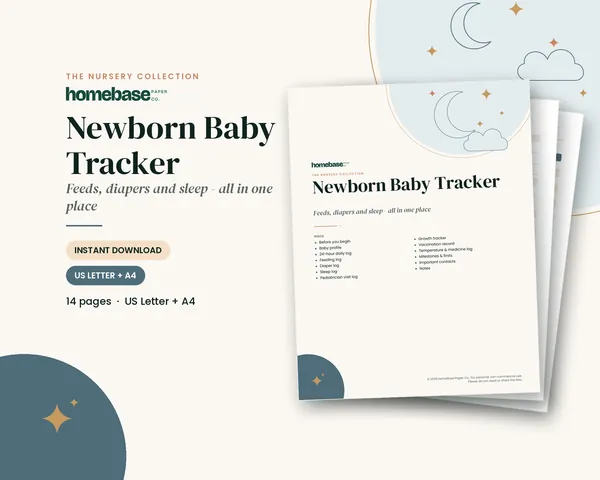
Newborn Baby Tracker
A 24-hour daily log plus feeding, diaper, sleep, growth and pediatrician-visit pages - easy to bring to checkups.
Printables
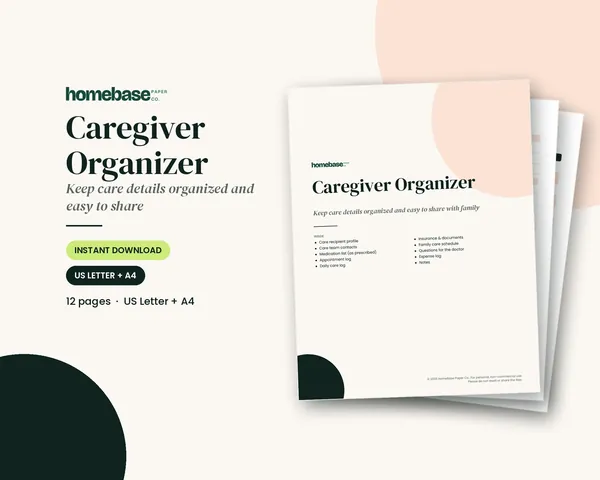
Caregiver Organizer
One place for contacts, appointments, the medication list from the doctor, and daily notes.
 Club
Monthly club
Meal Plan Club
Families who want dinner planned and a grocery list ready every week.
Free printable
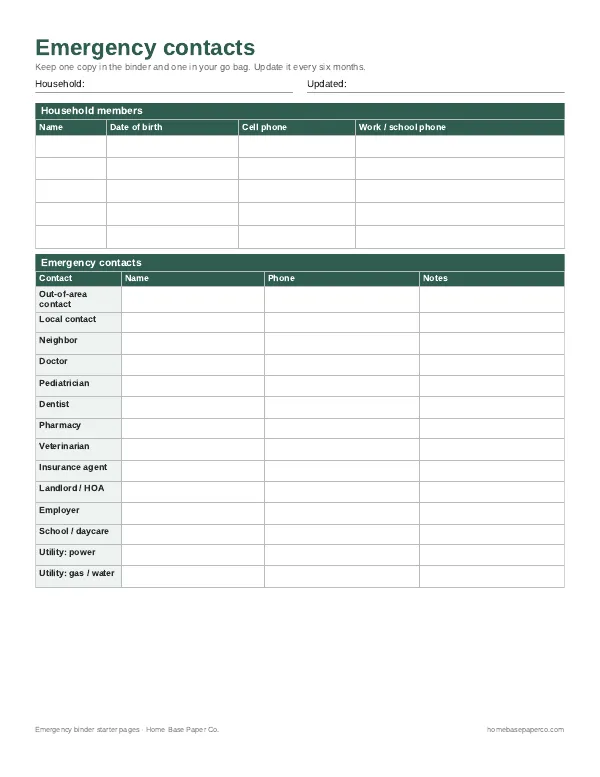
Have the important stuff in one place: get the free emergency binder pages
Printable starter pages for household members, emergency contacts, medical notes and where key documents live. You'll also get our weekly HomeBase email with simple ways to keep family records and important papers in order.
Sources
- Write a Will (Georgia.gov) georgia.gov
- Wills & Trusts (South Dakota Consumer Protection) consumer.sd.gov
- Advance care directives (MedlinePlus) medlineplus.gov