

The short answer: a living will is a written legal document that tells doctors and family which medical treatments you would and would not want if you are too ill or injured to say so yourself.
- Covers CPR, breathing machines, tube feeding, tests and blood transfusions
- Not about money or property, and it doesn't replace a regular will
- Steps: get your state's form, talk with your doctor, decide and write
- Name a health care agent and share copies
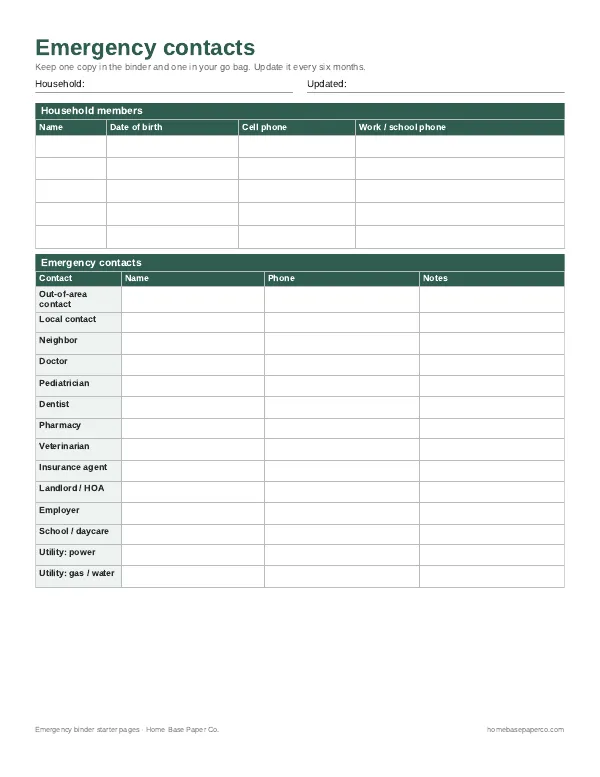
- Free printable: keep it where family can find it with our emergency binder starter pages, including a documents checklist (we email it to you)
- Next step: Plan it with the If Something Happens to Me Binder ($11.99).
A living will is a written legal document that tells doctors and family which medical treatments you would and would not want if you are too ill or injured to say so yourself. MedlinePlus describes it as a type of advance care directive that can cover CPR, breathing machines, tube feeding, tests and blood transfusions. It is not about money or property, and it does not replace a regular will. Below is what a living will covers, how to make one, how it fits with a health care power of attorney and where to keep it so it is found when it matters. This is general information, not medical or legal advice.
Our If Something Happens to Me Binder has a My wishes section and key contacts pages, so your family knows where your living will is and who to call.

What a living will covers
Mayo Clinic's guide to living wills and advance directives suggests thinking through each of these decisions with your doctor. For each one, you can say yes, no, or "only if recovery is likely."
| Treatment | What it is | Questions to answer |
|---|---|---|
| CPR | Restarting the heart or breathing | Would you want it in every situation? |
| Mechanical ventilation | A machine that breathes for you | If so, for how long? |
| Tube feeding | Nutrition through a tube into a vein or stomach | Short term only, or never? |
| Dialysis | Filtering blood when kidneys fail | Under what conditions? |
| Antibiotics or antivirals | Treating infections | Near the end of life too? |
| Comfort (palliative) care | Pain relief and keeping you comfortable | Do you want to die at home if possible? |
| Pacemaker or ICD | Heart devices | When should they be turned off? |
| Organ and tissue donation | Donating after death | Do you accept brief life support for donation? |
It also helps to write a few lines about your values. For example: "I value being able to recognize my family. If that is not expected to return, I want comfort care only." That kind of sentence helps your health care agent with situations the form does not list.
Living will vs. other advance directives
A living will is one piece of a set. MedlinePlus notes that you cannot name a decision-maker in a living will, which is why most people pair it with a health care power of attorney.
A living will is not the same as a last will and testament; see what is a will for the difference.
A living will is about health care, not property. For property, see our guide on what is a trust, which explains how a living trust works.
| Document | What it does | Who writes it |
|---|---|---|
| Living will | States treatments you want or refuse | You |
| Health care power of attorney | Names an agent to decide for you | You |
| DNR or DNI order | Tells staff not to resuscitate or intubate | Your doctor |
| POLST or MOLST | Medical orders for people with serious illness | Your doctor, with you |
| Last will and testament | Distributes property after death | You, often with a lawyer |
Many states print the living will and the health care power of attorney on a single advance directive form. Our guide to the medical power of attorney explains how to choose the person who will speak for you.
For money and property, a separate durable power of attorney form names someone to act for you.
How to make a living will
- Get your state's form. Each state has its own rules. MedlinePlus's advance directives page links to resources, and hospitals and state health departments often have free forms.
- Talk with your doctor. Ask what each treatment involves for someone with your health history.
- Decide and write. Go through the treatment list and add a values statement.
- Name a health care agent on the same form if your state allows it.
- Sign it correctly. Depending on the state you may need two witnesses, a notary or either. Witnesses usually cannot be your agent or your doctor.
- Share copies. Give copies to your doctor, your agent and close family.
- Review it. Revisit after a new diagnosis, marriage, divorce, or about every 10 years.
Who should have one, and when
Every adult benefits from a living will. Mayo Clinic notes that advance directives are not only for older adults because accidents and sudden illness can happen at any age. Good moments to sign one:
- turning 18 or leaving for college;
- getting married or having a baby;
- before major surgery;
- after a serious diagnosis;
- when you start caring for an aging parent and realize you have not done your own.
Make sure it can be found
A living will only helps if the right people have it at the right moment. Mayo Clinic suggests keeping the original somewhere safe and easy to reach, giving copies to your doctor and agent, keeping a record of who has copies and carrying a wallet card that names your agent. MedlinePlus adds that you should bring a copy if you go into the hospital.
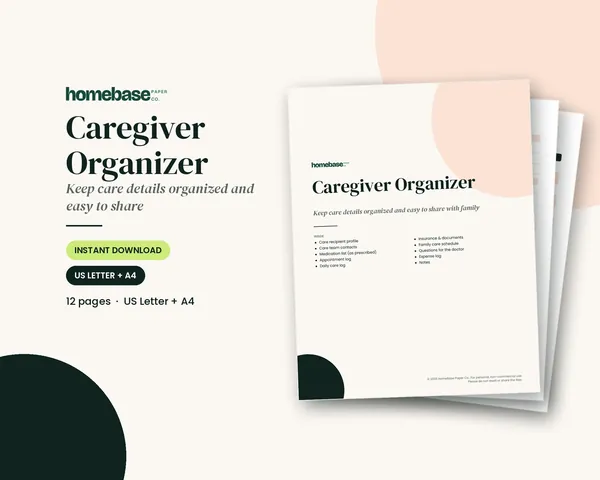
The If Something Happens to Me Binder ($11.99, printable PDF) gives your family one place to find this. Its My wishes page records your medical and end-of-life wishes and where the signed documents are, Key Contacts lists your agent and doctor, and Where to Find Documents points to the original living will, power of attorney and regular will. If you are setting this up for a parent you care for, the Caregiver Organizer ($6.99) keeps the care team contacts, medication list, insurance and documents and questions for the doctor together, so the living will sits next to the information doctors ask for first.
Affiliate links: we may earn a small commission. As an Amazon Associate we earn from qualifying purchases. Details.
For the printed organizer and copies of your documents, use an Avery Durable View 1-inch binder with Avery heavyweight sheet protectors. Record where the signed originals are kept so copies do not get mistaken for originals.
Living will examples: how to word your wishes
State forms usually have check boxes, but a few sentences in your own words make your wishes much clearer to an agent and a medical team. Some examples people commonly use:
- "If I am in a permanent coma or a persistent vegetative state, I do not want a breathing machine or tube feeding. I want medicine for pain even if it shortens my life."
- "If there is a reasonable chance I will recover and be able to live independently, try all treatments for a limited time, then reassess."
- "I want to die at home if possible, with hospice care."
- "I want to donate any organs and tissues that can help others, and I accept short-term life support so donation can happen."
- "My religious beliefs matter to me. Please contact my pastor or faith leader."
There is no single right answer. Some people want every treatment in every situation, and that is a valid living will too. The point is that it is written down and your family knows it.
State rules to check
Because every state sets its own rules, look for these details on your state's form:
| Detail | Why it matters |
|---|---|
| Witness or notary requirement | An improperly signed form may not be honored |
| Who may not be a witness | Often your agent, relatives or heirs, and care staff |
| Whether forms from other states are honored | Matters if you split time between two states |
| Special rules for nursing home residents | Some states require an ombudsman or patient advocate as a witness |
| Whether a combined form is available | One signing can cover the living will and the agent |
If you spend part of the year in another state, many people sign a form for each state to be safe.
Talking to family about your living will
The form is the easy part. The conversation is what prevents conflict later. A few tips:
- Pick a calm moment, not a hospital waiting room.
- Explain your reasons, not just your choices.
- Tell everyone who your agent is, so nobody is surprised.
- Ask your agent to repeat your wishes back to you.
- Write down that the conversation happened and who was there.
For related planning, see how to make a will, our emergency binder checklist and our guide on how to organize medical records.
Make it easier
Tools for this

Printables
If Something Happens to Me Binder
Accounts, insurance, bills, contacts, documents and your wishes - so your family isn't left guessing.
Printables
Caregiver Organizer
One place for contacts, appointments, the medication list from the doctor, and daily notes.
Frequently asked questions
What is a living will? A living will is a written legal document that says which medical treatments you would and would not want if you become unable to make or communicate decisions yourself. It is a type of advance directive. Mayo Clinic notes it can also cover choices such as pain management and organ donation, so your care team and family are not left guessing.
What is the difference between a will and a living will? A will decides who inherits your property after death, while a living will gives instructions about your medical care while you are alive but cannot speak for yourself. MedlinePlus is clear that a living will does not deal with financial issues and is not the same as a last will and testament. Most adults should have both.
What should be included in a living will? A living will should cover your wishes on CPR, breathing machines (mechanical ventilation), tube feeding, dialysis, antibiotics, comfort or palliative care, and organ and tissue donation. MedlinePlus also lists blood transfusions, tests, medicines and surgeries. Add a sentence about your values, such as when you would want treatment only if recovery is likely.
Do I need a lawyer to make a living will? No, you generally do not need a lawyer to make a living will. Mayo Clinic says each state has its own forms and you may need a witness or a notary, but a lawyer is not usually required. Many hospitals, state health departments and aging organizations offer free state-specific forms you can complete at home.
Does a living will need to be notarized? Sometimes: whether a living will must be notarized depends on your state. Some states require two witnesses, some require a notary and some accept either. Mayo Clinic notes that depending on where you live you may need the form signed by a witness or notarized, so follow the instructions on your state's official form exactly.
Can a living will name someone to make decisions for me? No, a living will by itself does not name a decision-maker. MedlinePlus explains that you cannot name someone to make health care decisions for you in a living will; that is the job of a health care power of attorney. Many states combine both into one advance directive form, which is the simplest way to get both.
When does a living will take effect? A living will takes effect only after you can no longer make or communicate your own medical decisions, for example in a coma, with late-stage dementia, or when terminally ill or seriously injured. As long as you can speak for yourself, your own wishes in the moment come first. Your doctors decide when you lack capacity under state rules.
Who should have a copy of my living will? Give copies of your living will to your doctor, your health care agent and close family, and keep the original somewhere safe that is easy to reach. MedlinePlus suggests carrying a copy in your wallet or car and bringing one to the hospital. Record who has copies in an organizer such as the Caregiver Organizer so you can update them all later.
Can I change or cancel my living will? Yes, you can change or cancel your living will at any time while you can still make decisions. Mayo Clinic says to fill out a new form, give new copies to your doctor and others, and get rid of the old ones. Review it after a new diagnosis, marriage, divorce or the death of your agent, and about every 10 years.
Is a DNR the same as a living will? No, a do-not-resuscitate (DNR) order is a medical order written by your doctor, while a living will is a document you write yourself. Mayo Clinic notes you do not need a living will to have a DNR; you ask your doctor, who puts the order in your medical record. Your living will can state your CPR wishes too.
What is a POLST and do I need one? A POLST (physician or provider orders for life-sustaining treatment) is a form your doctor fills out for people with a serious illness, turning your wishes into medical orders that emergency staff follow. It does not replace a living will. If you are healthy you usually do not need one yet; ask about it after a serious diagnosis.
Who should have a living will? Every adult should have a living will, not only older people. Mayo Clinic points out that accidents and serious illness can happen at any age, and having your wishes in writing spares your family from guessing during a crisis. Young adults heading to college are a common group to forget, since parents lose automatic decision rights at 18.
Is there a living will template? Yes, there's a living will template for most states. Most states have their own living will or advance directive form, and hospitals and state health departments often offer it free. MedlinePlus's [advance directives page](https://medlineplus.gov/advancedirectives.html) links to resources. Use your state's form rather than a generic template so it meets your state's signing rules.
More from HomeBase
You may also like
 Starter pick
Printables
Kids Chore Chart
Weekly chore chart, morning and evening routines, chore ideas by age, a sticker reward chart and an allowance tracker.

Printables
Family Recipe Binder
Section dividers, four recipe page layouts with room for the family story, 4x6 and 3x5 cards and a conversion chart - print it or type into the fillable version.

Printables
Newborn Baby Tracker
A 24-hour daily log plus feeding, diaper, sleep, growth and pediatrician-visit pages - easy to bring to checkups.
 Save 33%
Bundles
Family Life Admin Bundle
Baby logs, chore charts, pet records, meal plans and family recipes in one tidy set.
 Club
Monthly club
Meal Plan Club
Families who want dinner planned and a grocery list ready every week.
Free printable
Have the important stuff in one place: get the free emergency binder pages
Printable starter pages for household members, emergency contacts, medical notes and where key documents live. You'll also get our weekly HomeBase email with simple ways to keep family records and important papers in order.
Sources
- Advance care directives (MedlinePlus Medical Encyclopedia) medlineplus.gov
- Living wills and advance directives for medical decisions (Mayo Clinic) mayoclinic.org
- Advance Directives (MedlinePlus) medlineplus.gov