

The short answer: a trust is a legal arrangement in which a grantor hands assets to a trustee, who manages them for the beneficiaries.
- The trustee must act in the beneficiaries' interest
- Mostly used to pass on property privately and without probate court
- Types: revocable, irrevocable and living trusts
- Trust vs. will and how trusts are taxed
- Next step: Plan it with the If Something Happens to Me Binder ($11.99).
What is a trust? A trust is a legal arrangement in which one person, the grantor, hands assets to a trustee, who holds and manages them for the people who will benefit, the beneficiaries. Investopedia's overview of how a trust works describes it as a fiduciary relationship, meaning the trustee must act in the beneficiaries' interest. Trusts are mostly used to pass on property privately and without probate court. This guide is general information, not legal advice. Estate law differs by state, so check your state court's self-help pages or talk with a licensed estate planning attorney before you sign anything.

The three roles in every trust
| Role | Who it is | What they do |
|---|---|---|
| Grantor (also settlor or trustor) | The person who creates the trust | Sets the rules and moves assets in. |
| Trustee | A person, often the grantor at first, or a bank | Manages the assets by the trust's rules. |
| Beneficiary | Family, friends or a charity | Receives income or property from the trust. |
One person can hold more than one role. In a typical living trust, you are the grantor, the trustee and the main beneficiary while you are alive. A successor trustee you name takes over later.
How a trust works, step by step
- You decide the goals, such as avoiding probate, caring for a child or giving to charity.
- A trust document is drafted that names the trustee, successor trustee and beneficiaries, and sets out the rules.
- You sign it, following your state's formalities, which may include a notary.
- You fund it by retitling assets, such as a house deed or bank account, into the trust's name.
- The trustee manages the assets. While you are alive and well, that is usually you.
- At death or incapacity, the successor trustee takes over and follows the document.
Funding is the step people skip. A trust that is signed but holds nothing does not keep those assets out of probate.
Types of trusts
| Type | What it does |
|---|---|
| Revocable (living) trust | Can be changed any time; avoids probate for funded assets. |
| Irrevocable trust | Usually cannot be changed; may reduce estate taxes and protect assets. |
| Testamentary trust | Created by a will after death, so it goes through probate first. |
| Special needs trust | Holds money for a disabled beneficiary without affecting certain benefits. |
| Charitable trust | Gives to a charity, sometimes with income for family first. |
| Spendthrift trust | Limits a beneficiary's ability to spend or sign away future payments. |
What is a living trust?
A living trust is set up while you are alive, which is where the name comes from. Most are revocable. You transfer your assets into it, keep using them as before, and name a successor trustee. When you die, that person distributes the assets under your instructions without opening a probate case. If you become unable to manage your money, the successor trustee can step in without a court-appointed conservator for the trust's assets.
Revocable vs. irrevocable trust
| Question | Revocable trust | Irrevocable trust |
|---|---|---|
| Can you change it? | Yes, any time. | Generally no, without beneficiaries' consent. |
| Who controls the assets? | You, as trustee. | The trustee, not you. |
| Avoids probate? | Yes, for funded assets. | Yes, for funded assets. |
| Removes assets from your taxable estate? | No. | Usually yes. |
| Protects assets from creditors? | No. | Often yes. |
| Typical use | Privacy and smooth handoff. | Tax planning and asset protection. |
Investopedia's pages on the revocable trust and the irrevocable trust explain the trade-off: flexibility on one side, tax and creditor benefits on the other.
Trust vs. will
| Feature | Will | Living trust |
|---|---|---|
| Takes effect | At death. | When signed and funded. |
| Goes through probate | Usually yes. | Funded assets, no. |
| Public record | Yes, once probated. | Generally private. |
| Covers incapacity | No. | Yes, for trust assets. |
| Names a guardian for children | Yes. | No. |
| Upfront effort | Lower. | Higher, because of funding. |
Many people with a trust also sign a short "pour-over" will. It catches anything left outside the trust and names a guardian for minor children.
Choosing a trustee and successor trustee
The trustee is the most important choice in a trust. A good trustee is organized, honest, available and able to say no to family pressure. Many people pick a spouse or adult child as successor trustee, with a second backup in case the first cannot serve.
A professional trustee, such as a bank trust department or trust company, charges a fee but brings experience and neutrality. That can make sense when the trust will last many years, the assets are complex or family relationships are strained. Some families name a relative and a professional as co-trustees so they share the work.
Talk to the person before you name them. Tell them where the trust document is, who your attorney is and what you hope the trust will do.
What happens to a trust when the grantor dies
With a revocable living trust, the trust becomes irrevocable at the grantor's death. The successor trustee then:
- Gets several certified copies of the death certificate.
- Finds the trust document and lists the trust's assets.
- Notifies beneficiaries as state law requires.
- Gets a tax identification number for the trust if needed.
- Pays final bills, debts and taxes from trust funds.
- Distributes assets or keeps managing them as the document says.
There is usually no court case for assets held in the trust. The trustee still has to keep careful records and act fairly.
How trusts are taxed
A revocable trust is ignored for income tax while the grantor is alive. Its income goes on the grantor's own return. An irrevocable trust is often a separate taxpayer with its own return and tax brackets, which reach the top rate at a much lower income than for individuals. That is one reason trusts often pay income out to beneficiaries. Tax rules for trusts are complex, so ask a tax professional before you set up an irrevocable trust.
Common trust mistakes
| Mistake | What to do instead |
|---|---|
| Never funding the trust | Retitle each asset and keep a list. |
| Naming no backup trustee | Name at least two successor trustees. |
| Forgetting new assets | Title new accounts or property in the trust's name. |
| Beneficiary forms that contradict the trust | Review them together. |
| Hiding the document | Tell your successor trustee where it is. |
Who might need a trust?
A will alone is enough for many families. A trust is worth asking an attorney about if you:
- Own real estate in more than one state, which could mean probate in each.
- Want to keep your estate details private.
- Have minor children and want money released at set ages rather than all at 18.
- Have a beneficiary with a disability who receives means-tested benefits.
- Have a blended family and want to protect children from an earlier marriage.
- Live in a state where probate is slow or costly.
Trusts for children and grandchildren
A trust is a common way to leave money to children. Without one, a minor usually cannot inherit directly, and a court may need to appoint someone to manage the money until the child turns 18. At 18 the child often gets it all at once.
A trust lets you choose the ages instead, such as a third at 25, a third at 30 and the rest at 35. You can also let the trustee pay for school, health care or a first home along the way. Some parents set up one shared trust for all their children until the youngest reaches a set age, then divide it. Name a trustee who is good with money and fair to every child.
What a trust does not do
A trust does not replace every other document. You still need a durable power of attorney for assets outside the trust, a medical power of attorney and a living will for health decisions. Retirement accounts and life insurance pass by their beneficiary forms, so keep those up to date. A revocable trust also does not lower income tax; it uses your Social Security number while you are alive.
Keep the trust and its records easy to find
A trust only helps if your successor trustee can find it. The National Institute on Aging's affairs checklist suggests keeping key documents together and telling someone you trust where they are. The If Something Happens to Me Binder ($11.99, printable PDF) has pages for Read me first, Personal information, Key Contacts, Bank & Financial Accounts, Insurance Policies, Property & Vehicles, Digital Accounts, Where to Find Documents and My wishes. Note the trust's name, date and location, your attorney's contact, and which accounts are titled to the trust.
Related guides: how to make a will, what is probate and power of attorney form.
Make it easier
Tools for this

Printables
If Something Happens to Me Binder
Accounts, insurance, bills, contacts, documents and your wishes - so your family isn't left guessing.
Frequently asked questions
What is a trust in simple terms? A trust is a legal arrangement in which one person, the grantor, gives assets to another person or company, the trustee, to hold and manage for the benefit of someone else, the beneficiary. The trust document sets the rules, such as who gets what and when. Trusts are often used to pass on property without going through probate court.
What is the difference between a trust and a will? The main difference is timing and court involvement: a will takes effect only after death and usually goes through probate, while a trust can take effect as soon as it is signed and funded, and assets held in it generally pass to beneficiaries without probate. A will can also name a guardian for minor children, which a trust cannot do.
What is a revocable trust? A revocable trust, often called a living trust, is one the grantor can change or cancel at any time while alive. The grantor usually serves as trustee and keeps control of the assets. Investopedia notes it lets assets pass outside probate, but it does not shield assets from creditors or estate taxes the way some irrevocable trusts can.
What is an irrevocable trust? An irrevocable trust is one that generally cannot be changed or ended without the beneficiaries' permission once it is set up. The grantor gives up ownership and control of the assets. In exchange, Investopedia notes, those assets are usually removed from the grantor's taxable estate and may be protected from creditors.
What is a living trust? A living trust is a trust created while the grantor is alive, as opposed to a testamentary trust created by a will after death. Most living trusts are revocable. The grantor moves assets such as a home or bank accounts into the trust, manages them as trustee, and names a successor trustee to take over at death or incapacity.
Do I need a trust or just a will? Usually a will alone is enough for many people, especially with a modest estate and simple wishes. A trust may be worth it if you own real estate in more than one state, want to avoid probate, have minor or special-needs beneficiaries, or want to control when heirs receive money. An estate planning attorney can tell you which fits your state and situation.
Who controls a trust? The trustee controls a trust and must manage it under the trust document and in the beneficiaries' best interest. In a revocable living trust, the grantor is usually the first trustee, so they keep control during their lifetime. A successor trustee named in the document takes over when the grantor dies or can no longer manage.
How much does it cost to set up a trust? Setting up a trust can cost from a few hundred dollars with online or do-it-yourself documents to several thousand dollars for an attorney-drafted trust, depending on how complex it is and where you live. Online or do-it-yourself documents are the cheapest, while attorneys usually charge more, often as a flat fee. Ask for a written quote that says whether funding the trust, such as retitling your house, is included.
What does it mean to fund a trust? Funding a trust means moving assets into it by retitling them in the trust's name, such as changing a house deed or bank account owner to the trustee of the trust. A trust that is signed but never funded controls nothing, so those assets may still go through probate. Keep a list of what has been retitled.
Can a trust avoid probate? Yes, assets properly held in a trust generally pass to beneficiaries without probate, because the trust, not the person who died, owns them. Anything left outside the trust, without a beneficiary designation, may still need probate. That is why many people pair a living trust with a pour-over will that sends stray assets into the trust.
Who should know about my trust? At least your successor trustee should know the trust exists, where the signed document is kept and which assets are in it. The National Institute on Aging suggests keeping important papers together in one place and telling a trusted person where they are. A If Something Happens to Me Binder ($11.99) has a Where to Find Documents page for exactly this.
Is a trust public? No, a trust is generally private, unlike a will that goes through probate and becomes part of the public court record. Beneficiaries usually have the right to certain information about the trust, and a trust can become public if someone sues over it. Privacy is one reason families choose a living trust.
More from HomeBase
You may also like
 Starter pick
Printables
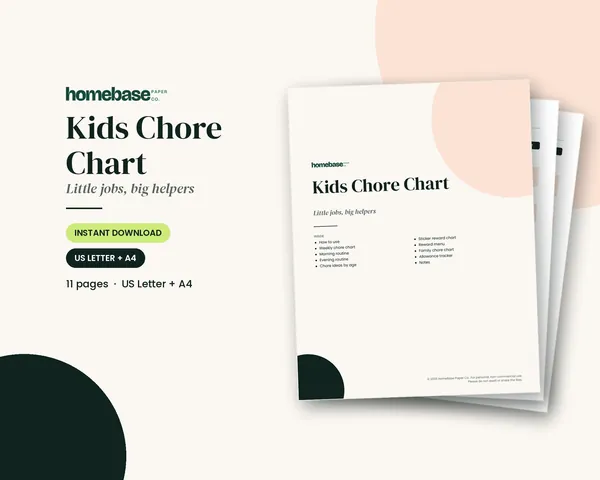
Kids Chore Chart
Weekly chore chart, morning and evening routines, chore ideas by age, a sticker reward chart and an allowance tracker.
Printables
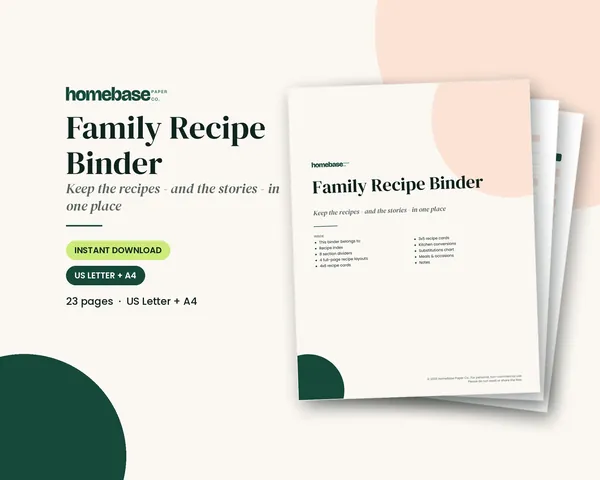
Family Recipe Binder
Section dividers, four recipe page layouts with room for the family story, 4x6 and 3x5 cards and a conversion chart - print it or type into the fillable version.
Printables
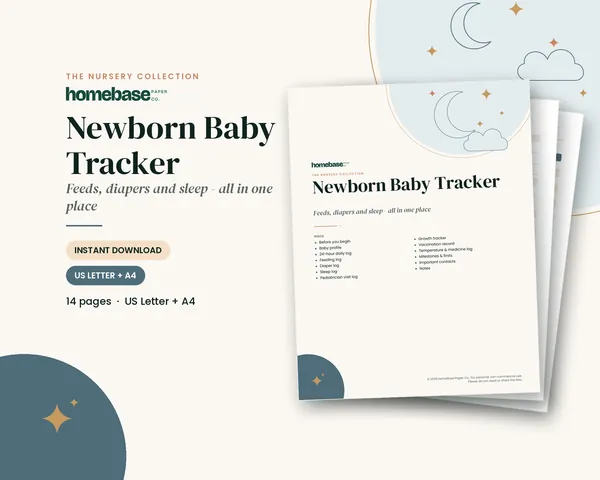
Newborn Baby Tracker
A 24-hour daily log plus feeding, diaper, sleep, growth and pediatrician-visit pages - easy to bring to checkups.
Printables
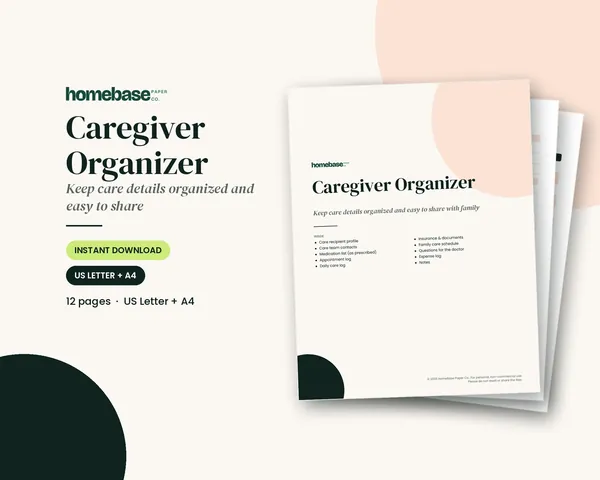
Caregiver Organizer
One place for contacts, appointments, the medication list from the doctor, and daily notes.
 Club
Monthly club
Meal Plan Club
Families who want dinner planned and a grocery list ready every week.
Free printable
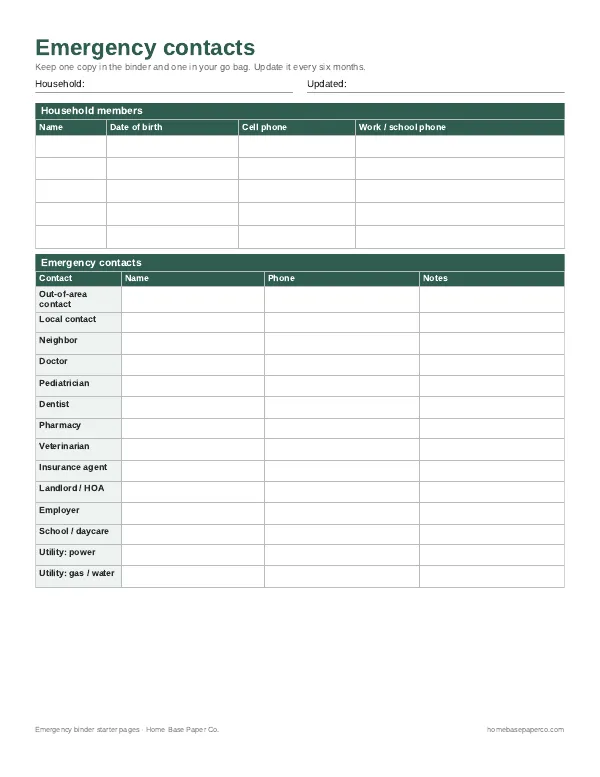
Have the important stuff in one place: get the free emergency binder pages
Printable starter pages for household members, emergency contacts, medical notes and where key documents live. You'll also get our weekly HomeBase email with simple ways to keep family records and important papers in order.
Sources
- Trust: What It Is and How It Works (Investopedia) investopedia.com
- Revocable Trust (Investopedia) investopedia.com
- Irrevocable Trust (Investopedia) investopedia.com
- Getting Your Affairs in Order Checklist (National Institute on Aging) nia.nih.gov