

The short answer: A good teacher planner keeps the whole school year, this month's deadlines and next week's lessons in one place you can grab between classes. This free printable teacher planner gives you a year-at-a-glance page, a monthly calendar, a weekly lesson plan grid, a class roster, substitute plans and a parent contact log, ready to print and put in a binder.
Our picks for teacher planner

Printables
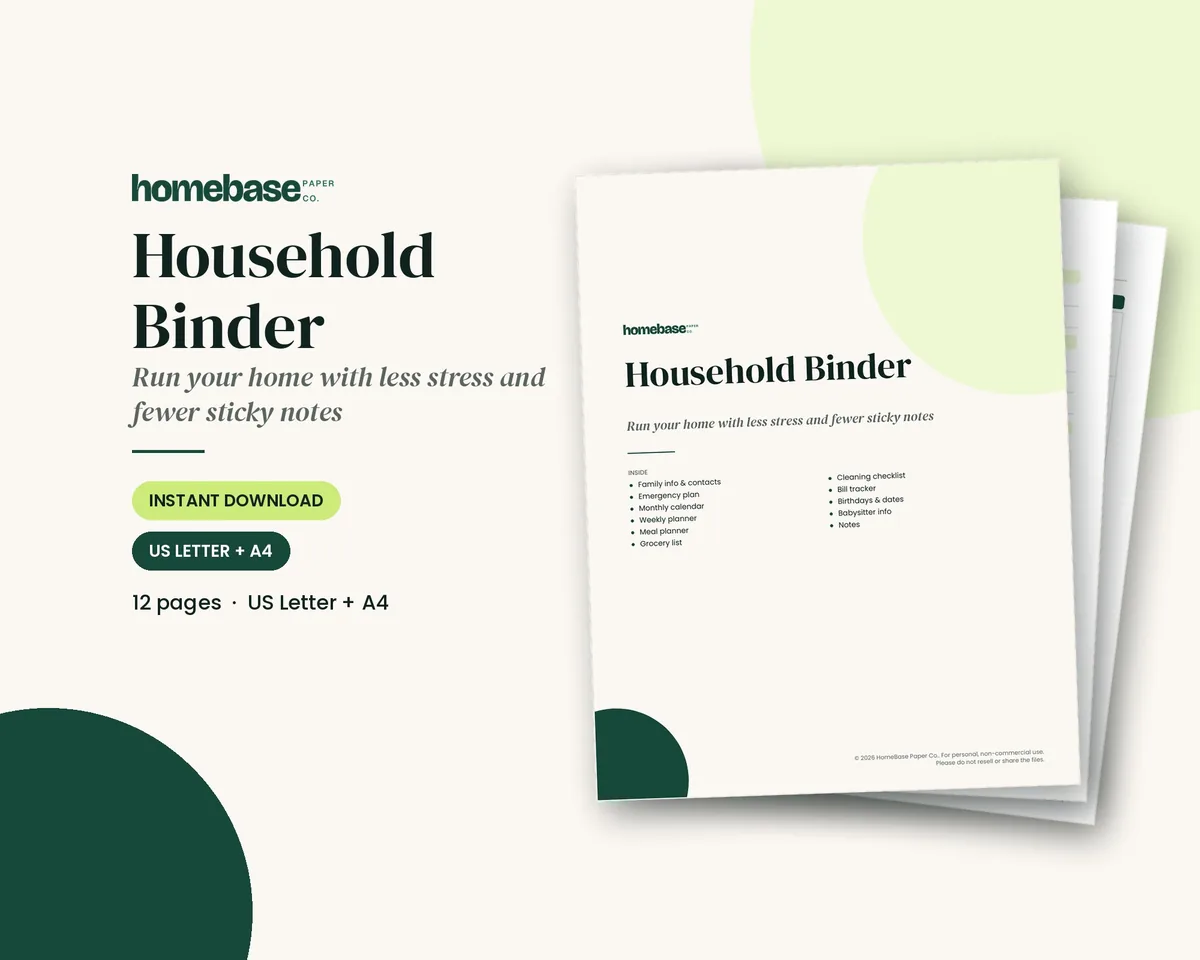
Household Binder
Family info, emergency plan, calendars, meals, groceries, cleaning, bills and sitter notes.
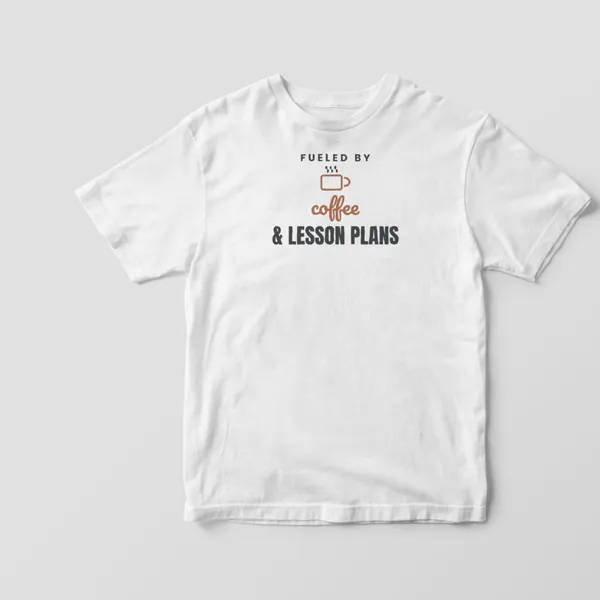
Tees, mugs & gifts
Fueled by Coffee and Lesson Plans
Caffeine and a solid lesson plan: the two things every teacher runs on. Warm, friendly design with a steaming mug.
Printables
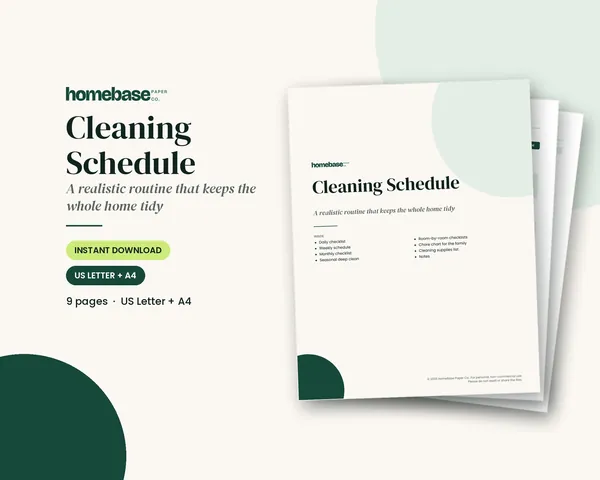
Cleaning Schedule
Daily, weekly, monthly and seasonal lists - plus a family chore chart.
Free by email. Jump to the free download, or read on for how to set it up so it actually saves you time.
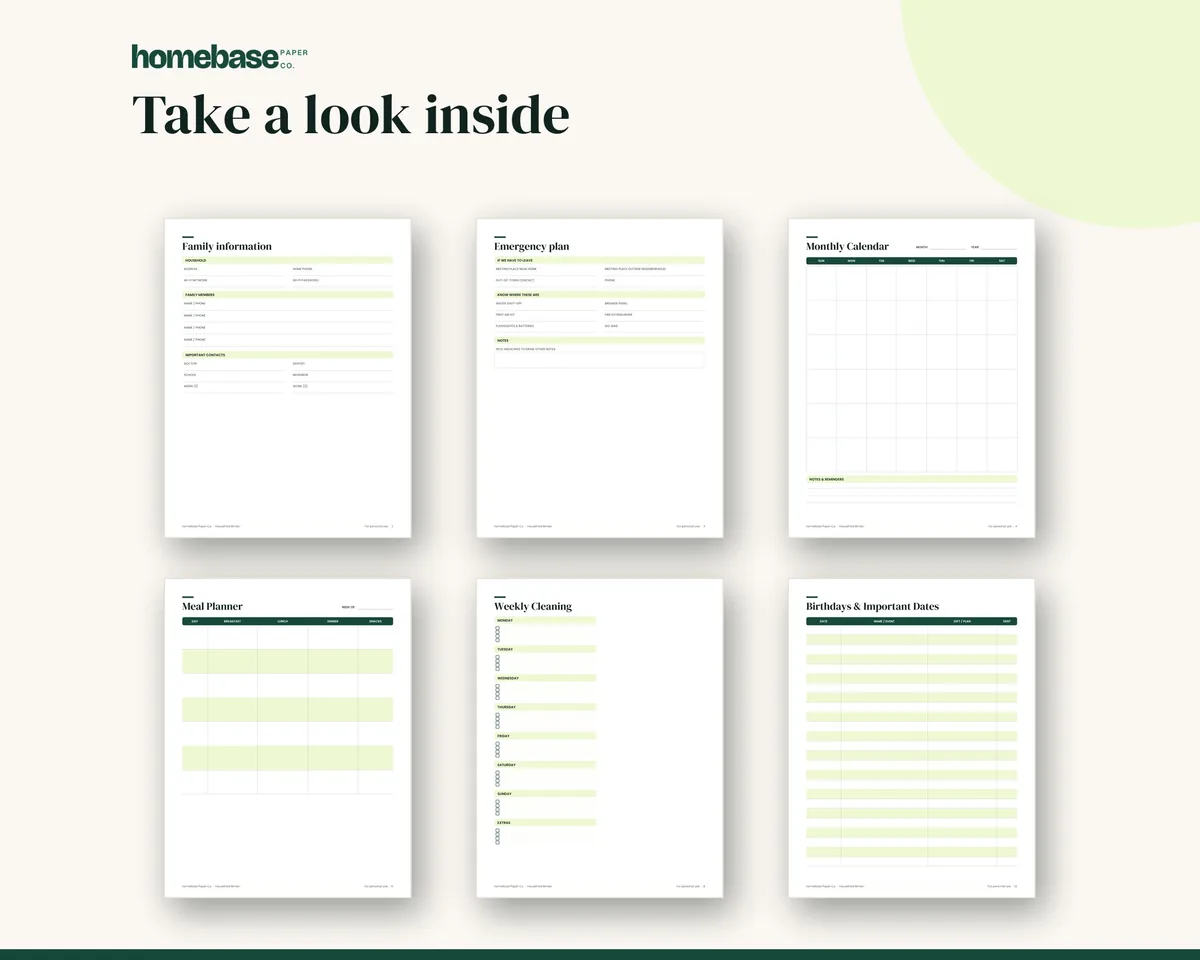
What's in the free teacher planner
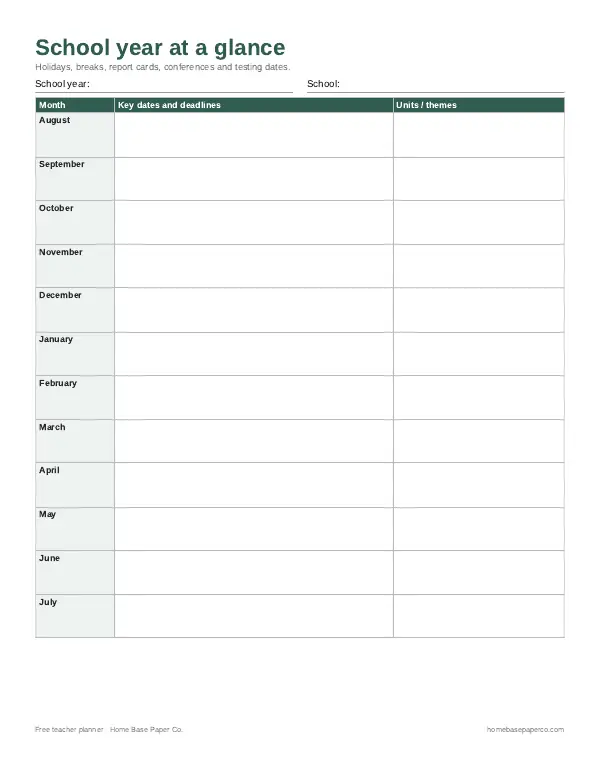
- School year at a glance. One row per month from August to July for key dates, deadlines and the units you plan to teach.
- Monthly calendar. Five weeks with Monday to Friday plus a weekend column, and a notes area. Print one per month.
- Weekly lesson plan. Five days by five periods with large boxes, plus a to-do list for copies, emails and grading.
- Class roster and contacts. Student names, parent or guardian, phone or email, and notes for allergies, IEP or 504 plans and pickup.
- Substitute plans and parent contact log. A checklist of everything a sub needs, routine reminders, and a log for parent calls and emails.
How to set up your teacher planner in an afternoon
- Copy the school calendar. Add holidays, breaks, early release days, report cards, conferences and testing windows to the year page.
- Rough out units. Write the main unit or theme for each month in the right-hand column. It does not need to be perfect.
- Fill the monthly pages. Copy the dates from step 1 onto each month, then add staff meetings, field trips and due dates.
- Complete the roster and sub page. Do this once and update it each term. A ready sub plan is a gift to your future self on a sick day.
- Plan the first weeks. Fill two or three weekly lesson plan pages before students arrive, then stay one to two weeks ahead.
- Set a Friday routine. Ten minutes at the end of each week to update next week's page and print copies keeps everything on track.
Weekly lesson plan: what to write in each box
| Part of the box | What to write | Example |
|---|---|---|
| Objective | What students will know or do | Compare fractions with unlike denominators |
| Activity | The main task, briefly | Fraction strips in pairs, then exit ticket |
| Materials | Pages, handouts, tech | Workbook p. 42, strips, timer |
| Check for understanding | How you'll know they got it | Exit ticket: 3 problems |
| Notes / follow-up | What to adjust tomorrow | Reteach group of 5 |
Short phrases are enough. The aim is that you, or a substitute, can glance at the box and know what happens next.
Example: one filled-in lesson plan week
Here is what a short, usable week can look like on the weekly page. It is an example for a 4th-grade math class, not a required format.
| Day | Objective | Activity | Check for understanding |
|---|---|---|---|
| Monday | Compare fractions with unlike denominators | Fraction strips in pairs | Exit ticket, 3 problems |
| Tuesday | Find equivalent fractions | Number line sort | Thumbs up/down, 1 problem |
| Wednesday | Add fractions with like denominators | Whiteboard practice | Whiteboard check |
| Thursday | Review and word problems | Small groups, reteach group of 5 | Quick quiz |
| Friday | Quiz and reflection | 10-question quiz | Quiz score, notes for next week |
Copy the pattern, not the content: one objective, one activity and one way to check understanding per day is enough to hand to a substitute.
Planning tips from real classrooms
- Color-code by subject or period. A highlighter per class lets you see the week's balance at a glance.
- Batch the busywork. Make all next week's copies in one trip and grade in set blocks rather than in scraps of time.
- Plan for the unexpected. Keep one or two "anytime" activities on the sub page for assemblies, fire drills and early finishers.
- Protect your evenings. Time management advice from the University of Illinois Counseling Center suggests writing down tasks and setting priorities so the most important work gets done first.
- Keep student information private. The roster and parent log hold personal details, so store them in a closed binder, not on an open desk.
Teaching is demanding work. The National Center for Education Statistics tracks teacher numbers and characteristics across U.S. public and private schools, and planning time is one of the few things teachers can control. A simple, consistent planner is one way to protect it.
Paper or digital teacher planner?
Paper is fast, always open and easy to scribble on mid-lesson. Digital wins for sharing plans with a grade-level team and linking files. Many teachers use both: shared documents for units, and a paper weekly page on the desk. For a wider comparison, read our guide to paper vs. digital planners. If you want blank pages for life outside school, our free weekly planner and monthly planner pair well with this one. Teaching at home instead? Try the free homeschool planner.
Keep home running too
School planning is only half of a teacher's week. The Household Binder ($6.99) puts the family calendar, meals, groceries, bills and cleaning on printable pages, and the Cleaning Schedule ($4.49) spreads chores across the week so weekends stay free. And for the coffee-powered planner in your life, the Fueled by Coffee and Lesson Plans tee is a fun pick. Shopping for a teacher instead? See our Christmas gifts for teachers.
Have a student at home as well? Our free academic planner gives them class schedules, assignment trackers and a grade log for 2026-2027.
If you teach note-taking, our guide to Cornell notes has the page layout, the 5 R's and two worked examples you can share with students.
Household Binder
Family info, emergency plan, calendars, meals, groceries, cleaning, bills and sitter notes.
$6.99 · Instant download. Print at home or fill it in on screen. Or browse the full Home & Organizing collection.
Frequently asked questions
Is this teacher planner really free? Yes, this teacher planner is really free. The teacher planner on this page is a free five-page PDF that we email to you. Print as many copies as you need for your own classroom, including a weekly lesson plan page for every week of the school year. It is US Letter size and also prints on A4 if you choose fit to page.
What should a teacher planner include? A useful teacher planner includes a school year overview, a monthly calendar for deadlines and events, a weekly lesson plan grid, a class roster with contacts, substitute plans and a log of parent communication. Some teachers add a gradebook or seating chart, but those often live in the school's online system instead.
How do I set up a teacher planner for the new school year? Set up a teacher planner by starting with the school calendar: copy holidays, breaks, report card dates, conferences and testing windows onto the year-at-a-glance page of the free teacher planner on this page. Add them to each monthly page next. Then fill in your roster and the substitute page, and plan the first two or three weeks of lessons before students arrive.
Is a paper teacher planner better than a digital one? Many teachers like a paper teacher planner for daily lesson notes because it is quick, always open on the desk and works without logging in. Digital tools are better for sharing plans with a team and linking files. A common mix is shared lesson documents online plus a paper weekly page for the day-to-day.
How far ahead should teachers plan lessons? Most teachers map units for the whole term, plan detailed lessons one or two weeks ahead and adjust each day based on how students did. Planning the week by Friday afternoon leaves time to make copies and gather materials. Leave some slack for review days, assemblies and lessons that run long.
How do I write a weekly lesson plan quickly? Write the learning objective first, then the main activity and how you will check understanding. Use short phrases and page numbers rather than full sentences. Reuse what worked last year, and color-code by subject or class period so you can scan the week at a glance and see gaps.
What goes in a substitute plan? A substitute plan should include the bell schedule, a seating chart, where the lesson plans and materials are, attendance and lunch routines, students who need extra support or medication, emergency procedures and the name of a helpful teacher nearby. The free teacher planner has a checklist page so the essentials are always ready.
Should I keep a parent contact log? Yes, teachers should keep a parent contact log. A parent contact log records the date, the student, who you spoke with, how you reached them, the reason and any follow-up. It helps you remember conversations, spot patterns and show that you reached out if a question comes up later. Keep it somewhere private because it contains student information.
Can homeschool parents use this teacher planner? They can, but a homeschool planner usually works better because it plans by subject for one or a few students and adds an attendance and hours log. We have a separate free homeschool planner with weekly subject pages, a year plan, attendance tracking and a reading log for portfolios.
How do I keep a teacher planner organized all year? Keep a teacher planner organized all year by keeping it in a binder with tabs for the year, months, weeks and class information. Print a new stack of weekly pages from the free teacher planner on this page each month, file finished weeks at the back, and spend ten minutes every Friday updating next week. A clear routine keeps the planner useful instead of becoming another pile.
Free printable
A teacher planner for the whole school year
Year at a glance, monthly calendar, lesson plans, roster and sub plans. You'll also get our weekly HomeBase email with simple routines for kids, school days and family life.
Sources
- NCES Fast Facts: Teacher characteristics and trends nces.ed.gov
- University of Illinois Counseling Center: Time management counselingcenter.illinois.edu