

The short answer: how to clean a keurig comes down to two jobs: a quick wash of the removable parts and descaling every 3 to 6 months.
- Wash the reservoir, lid, drip tray and pod holder every 1 to 2 weeks
- Clear the needle with a paper clip
- Descale with Keurig's solution or distilled white vinegar
- Rinse well so coffee never tastes sour
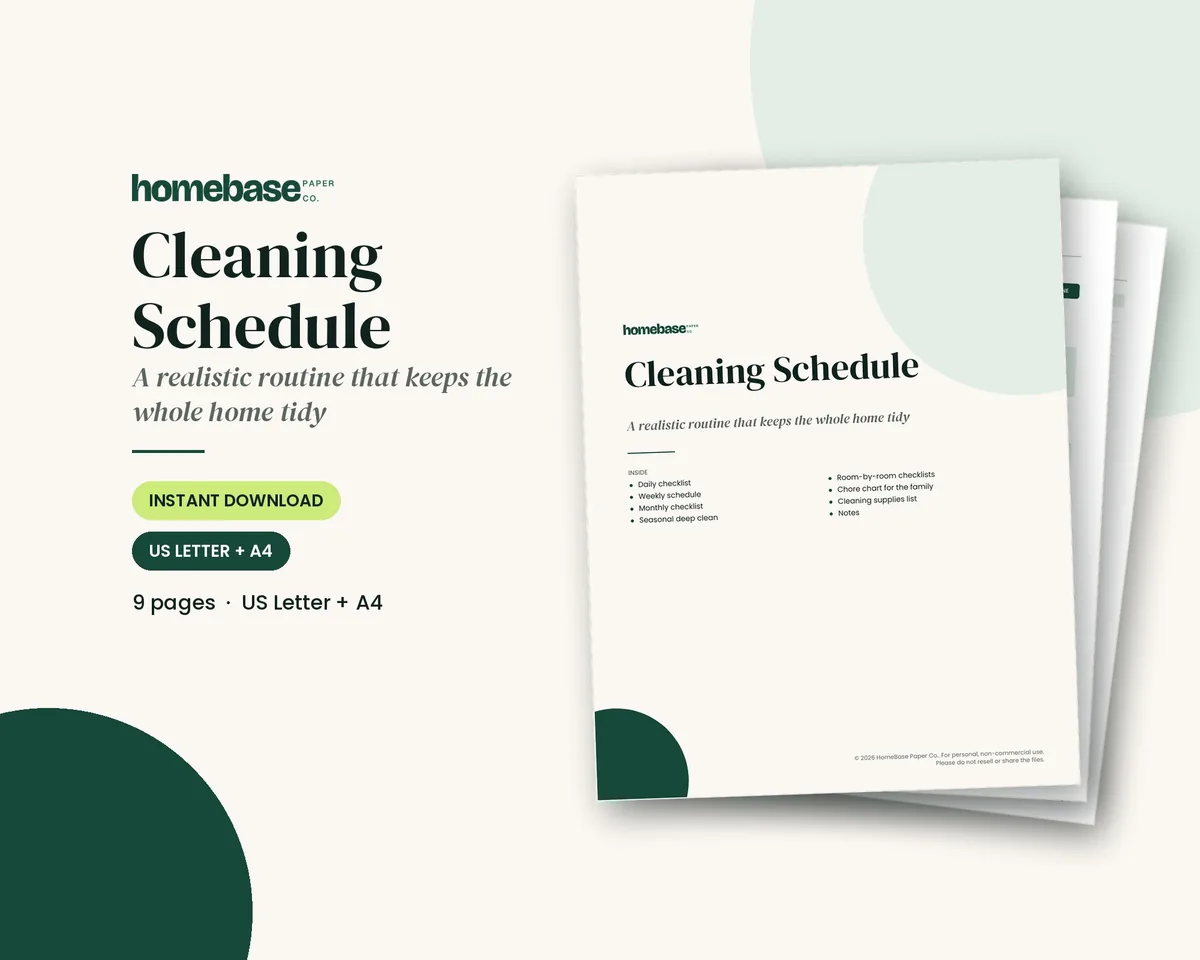
- Next step: Plan it with the Cleaning Schedule ($4.49).
Learning how to clean a Keurig takes about 5 minutes of reading and saves you from sour, slow coffee. There are two jobs: a quick weekly wash of the parts you can remove, and descaling every 3 to 6 months to clear the mineral scale you cannot see. This guide walks through both, with Keurig's own descaler or white vinegar, plus the needle, mold and the mistakes that shorten a brewer's life.
How to clean a Keurig: the quick version
- Unplug the brewer.
- Wash the removable parts (reservoir, lid, drip tray and pod holder) in warm, soapy water.
- Clear the needle with a straightened paper clip.
- Descale with Keurig descaling solution or a vinegar mix, running large brews into a mug until the reservoir is empty.
- Rinse by running at least 3 brews of plain water.
- Wipe the outside with a damp cloth.
Why a Keurig needs cleaning
Every brew sends hot water through narrow tubes. If your water has minerals, a little scale is left behind each time. Consumer Reports says mineral buildup and coffee residue slow brewing and affect taste. On top of that, the drip tray collects spilled coffee. In its coffee maker guide, Consumer Reports quotes its head of product safety testing: bacteria can grow in room-temperature coffee, so empty and wash the tray regularly.
What you need
| Item | Use |
|---|---|
| Dish soap and a soft sponge | Reservoir, lid, drip tray and pod holder |
| Keurig descaling solution or distilled white vinegar | Removing mineral scale |
| A large mug | Catching brews during descaling and rinsing |
| A paper clip | Clearing grounds from the needle |
| Microfiber cloth | Wiping the outside |
Step 1: Wash the removable parts (every 1 to 2 weeks)
Lift off the reservoir and lid, slide out the drip tray and pop out the pod holder if your model allows it. Wash each piece in warm, soapy water, rinse well and let them air-dry. Consumer Reports says pod brewers usually have a removable reservoir you should wash with soap and water, and some reservoirs are dishwasher safe, but check your manual before trying it.
Wipe the area under the drip tray, where coffee splashes and dries into a sticky ring.
Step 2: Clear the needle
Grounds can clog the needle that pierces the pod, which leads to half-filled mugs. Unplug the brewer, open the pod holder and gently insert a straightened paper clip into the exit needle to loosen any grounds. Move it around carefully. Many models let you remove the pod holder to reach the bottom needle from below. Finish by running a plain-water brew with no pod.
Step 3: Descale
Descaling dissolves the mineral scale inside the heater and tubes. You have two options.
Option A: Keurig descaling solution. Keurig says its own solution is the only approved cleaner for its brewers. Consumer Reports found it sold for about $7 for 14 ounces, and notes that the one-year warranty excludes damage from non-Keurig accessories, which could include other cleaning solutions. If your brewer is under warranty, this is the safe choice. Follow the bottle and your manual for the mix.
Option B: Distilled white vinegar. Once the warranty is over, Consumer Reports says there is no reason not to try vinegar. Owner's manuals typically advise running a vinegar cycle about every month or so, though the process varies by model.
To descale with vinegar:
- Empty the reservoir and remove any pod.
- Fill the reservoir about halfway with distilled white vinegar and top it up with water.
- Place a large mug on the drip tray and run the largest brew size with no pod.
- Empty the mug and repeat until the reservoir is empty or the "add water" light comes on.
- Let the machine sit for 30 minutes so the solution can work on the scale.
- Rinse the reservoir thoroughly.
Descaler or vinegar: which should you use?
| Keurig descaling solution | Distilled white vinegar | |
|---|---|---|
| Cost | About $7 for 14 oz (per Consumer Reports) | A few dollars a gallon |
| Warranty | Keurig's approved cleaner | May not be covered during the warranty |
| Smell | Mild | Strong until rinsed out |
| Best for | Brewers under warranty | Older brewers, frequent descaling |
Small and single-cup models
Models without a removable reservoir, such as compact single-cup brewers, are descaled one cup at a time. Pour the descaling mix into the water chamber, brew into a mug, and repeat until the mix is used up. Then do the same with plain water at least 3 times. The parts you can remove (drip tray and pod holder) still get the same soapy wash.
Step 4: Rinse well
This is the step people skip. Fill the reservoir with fresh water and run at least 3 large brews with no pod, emptying the mug each time. Consumer Reports says to run at least one water-only cycle after vinegar, and more is better if you can still smell it. Consumer Reports' vinegar guide adds that if your manual says to avoid vinegar, heed the advice, because some machines have metal and rubber parts that could be damaged.
Step 5: Wipe the outside
Unplug the brewer and wipe the outside, the lid and the area around the buttons with a damp cloth. Never put the base in water. Consumer Reports says small electrics should never be immersed.
How often to clean a Keurig
| Task | How often |
|---|---|
| Empty and rinse the drip tray | Every few days |
| Refill the reservoir with fresh water | Every day or two |
| Wash the reservoir, lid and pod holder | Every 1 to 2 weeks |
| Clear the needle | Every month, or when brews come out short |
| Descale | Every 3 to 6 months, or when the descale light shows |
Signs your Keurig needs descaling now
- Brews take longer or come out short.
- Coffee tastes bitter, flat or sour.
- The machine is louder than usual or sputters.
- White flecks appear in the cup or the reservoir.
- The descale light comes on (on models that have one).
Dealing with mold or slime
If you see pink film or dark spots in the reservoir, hand-wash it, the lid and the drip tray in hot, soapy water, scrubbing corners with a soft brush. Dry them completely. Then run a full descale and at least 3 rinse brews. To keep it from coming back, refill with fresh water often and empty the reservoir before you go away for more than a couple of days.
Mistakes that shorten a Keurig's life
Never rinsing after vinegar. Leftover vinegar makes the next few cups taste sour.
Running it with an empty reservoir. It strains the pump. Keep the reservoir above the minimum line.
Using a harsh cleaner. Bleach and abrasive powders are not needed and can damage plastic parts. Mild soap and a descaler are all a Keurig needs.
Ignoring the manual. Models differ. Some have a dedicated descale mode, and some reservoirs cannot go in the dishwasher. Consumer Reports' advice is the same for every brewer: check the manual for specific cleaning instructions.
Letting hard water win. If your area has hard water, Consumer Reports notes that some manuals recommend filtered or bottled water for brewing. That slows the buildup, so you descale less often.
Make it a habit
Most people do not forget to clean the Keurig because they do not care. They forget because there is nothing to remind them. A simple written schedule fixes that.
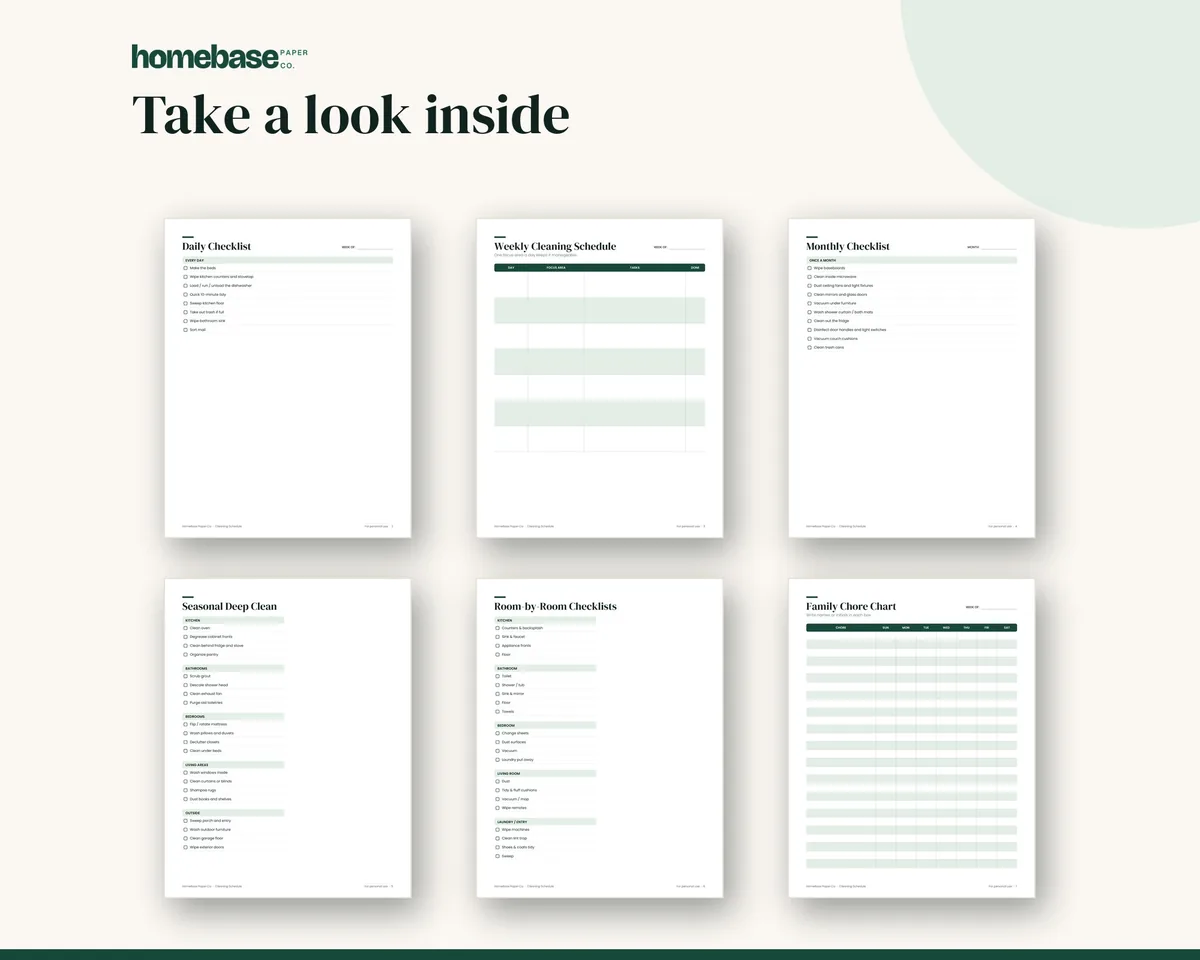
Our Cleaning Schedule ($4.49) is a 9-page printable with daily, weekly and monthly checklists, a seasonal deep clean list, room-by-room checklists, a family chore chart and a cleaning supplies list. Add "wash drip tray and reservoir" to the weekly page and "descale coffee maker" to the seasonal list. Then add "descaler or vinegar" to the supplies list, so you have it when the date comes.
If you want the rest of the house organized too, the Home Management Bundle ($16.99) includes the Cleaning Schedule along with the Household Binder, Home Maintenance Log, Home Inventory, Moving Planner and Password & Accounts Log. Bought separately, those six come to $32.94.
A Keurig cleaning calendar
Daily: empty the drip tray and wipe the pod holder after the last cup. Weekly: wash the reservoir, lid and drip tray in warm soapy water and let them air-dry. Every 3 to 6 months, or sooner with hard water or when the descale light comes on: descale, then run plain-water rinse brews until the taste is gone. Writing the descale date on your calendar keeps it from slipping.
For the rest of the counter, see our guides on how to clean a microwave and how to clean stainless steel.
Your next step
Look at your Keurig's reservoir right now. If there is film or flecks, wash it tonight and run a descale this weekend. Then write the date on your calendar or cleaning schedule, so the next one happens in 3 months.
Make it easier
Tools for this
Printables
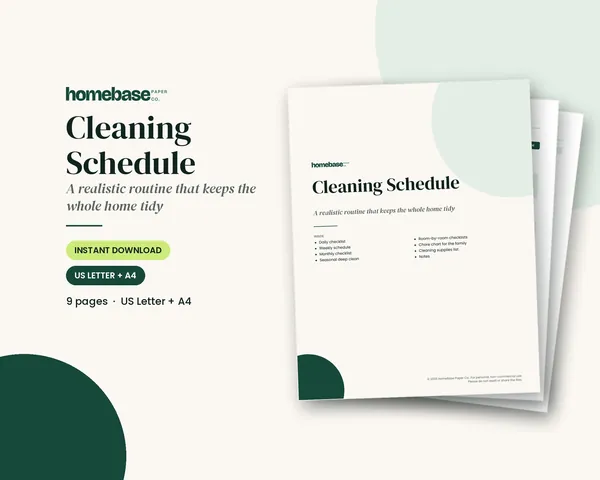
Cleaning Schedule
Daily, weekly, monthly and seasonal lists - plus a family chore chart.
 Save 48%
Bundles
Home Management Bundle
Household binder, maintenance log, moving planner, cleaning schedule, home inventory and password log.
Frequently asked questions
What is the best way to clean a Keurig? The best way to clean a Keurig is in two parts. Wash the removable parts (reservoir, lid, drip tray and pod holder) in warm, soapy water every week or two, then descale the machine every 3 to 6 months with Keurig descaling solution or white vinegar, followed by several plain-water brews.
How do you clean a Keurig with vinegar? To clean a Keurig with vinegar, empty the reservoir, fill it about halfway with distilled white vinegar and top it up with water. Run large brew cycles with no pod into a mug until the reservoir is empty, let it sit 30 minutes, then rinse the reservoir and run at least 3 cycles of plain water.
How often should you descale a Keurig? Descale a Keurig every 3 to 6 months, which matches the coffee maker guidance from Consumer Reports. Descale sooner if your water is hard, the brew slows down, or the machine shows a descale light. Check your manual for the exact interval for your model.
Can you use vinegar instead of Keurig descaling solution? Yes, you can use vinegar instead of Keurig descaling solution, but check your warranty first. Consumer Reports notes that Keurig says its own descaling solution is the only approved cleaner and the one-year warranty may exclude damage from other products. After the warranty ends, distilled white vinegar works too, as long as you rinse with plain water afterward.
How much does Keurig descaling solution cost? Keurig descaling solution cost about $7 for a 14-ounce bottle when Consumer Reports checked. Prices change, so check a current listing. A bottle usually covers one or two descaling cycles, depending on your reservoir size.
How do you clean a Keurig needle? To clean a Keurig needle, unplug the machine, open the pod holder and gently push a straightened paper clip into the exit needle hole to loosen grounds. Many models let you pop out the pod holder to reach the bottom needle too. Then run a plain-water brew with no pod to flush it.
Why does my Keurig coffee taste bad? Keurig coffee can taste bad, usually because of mineral scale or old coffee oils inside the machine. Consumer Reports says buildup slows brewing and affects taste. Descale it, wash the reservoir and pod holder, and use fresh filtered water if your tap water is hard.
Can you put Keurig parts in the dishwasher? Yes, some Keurig parts can go in the dishwasher, but only if your manual says so. Many reservoirs, drip trays and pod holders are top-rack safe on newer models. When in doubt, hand-wash in warm, soapy water and let parts air-dry.
How do you clean mold out of a Keurig? You can clean mold out of a Keurig by emptying and hand-washing the reservoir, lid and drip tray in hot, soapy water and drying them fully. Then descale the machine and run several plain-water cycles. Empty the reservoir if you will not use the machine for a few days, so water does not sit.
Should you leave water in a Keurig reservoir? No, do not leave the same water sitting for days. Refill with fresh water every day or two and empty the reservoir before a trip. Standing water in a warm kitchen is where film and mildew start.
How do you clean the outside of a Keurig? Clean the outside of a Keurig with a soft cloth dampened in warm, soapy water, then wipe dry. Unplug it first and never put the base in water. Consumer Reports says small electrics should never be immersed.
How do I remember to descale my Keurig? Write the descaling date on a seasonal list so it comes up every 3 months. The Cleaning Schedule ($4.49) has weekly, monthly and seasonal deep clean pages, so washing the drip tray and descaling the machine each have a spot.
More from HomeBase
You may also like

Printables
Household Binder
Family info, emergency plan, calendars, meals, groceries, cleaning, bills and sitter notes.
Printables
Home Maintenance Log
Monthly, seasonal and annual checklists plus a record of every appliance and repair.

Printables
Home Inventory
Printable pages and a spreadsheet that totals the value of every room.
Printables
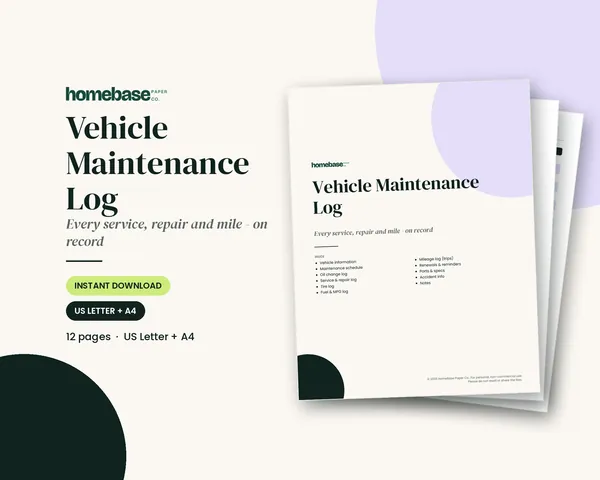
Vehicle Maintenance Log
Oil changes, repairs, tires, fuel and MPG, trip mileage and renewal dates - so resale and warranty records are easy.
 Club
Monthly club
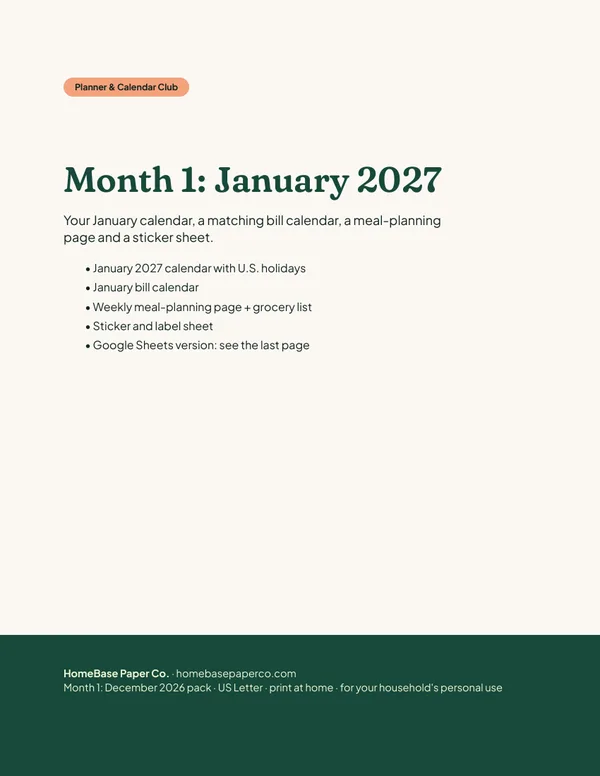
Planner & Calendar Club
Anyone who wants a monthly calendar, bill calendar and meal plan ready to print.
Free printable
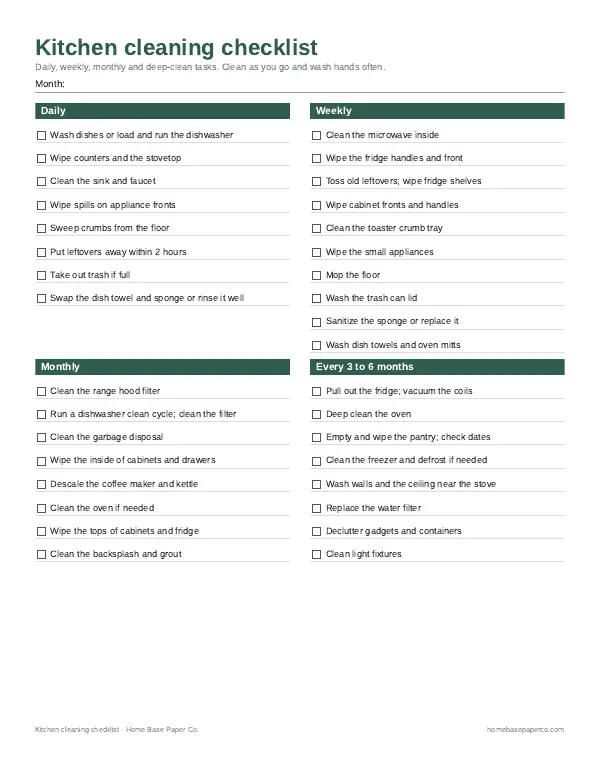
Keep the kitchen clean with a little every day
Daily, weekly, monthly and deep-clean tasks plus a who-does-what table. You'll also get our weekly HomeBase email with simple cleaning routines and chore ideas the whole family can help with.
Sources
- Consumer Reports: How to Clean Your Coffee Maker consumerreports.org
- Consumer Reports: How to Clean Your Small Kitchen Appliances consumerreports.org
- Consumer Reports: Things You Can Safely Clean With Vinegar consumerreports.org