

The short answer: how to clean stainless steel: wipe with mild soap and warm water on a soft cloth, going with the grain, then buff it dry.
- Polish with a stainless steel cleaner
- Keep away bleach, ammonia, chlorides and steel wool
- Rust spots: a baking soda paste
- Fingerprint-resistant finishes need their own care
- Next step: Plan it with the Cleaning Schedule ($4.49).
Here is how to clean stainless steel so it actually shines instead of streaking. Wipe with mild soap and warm water on a soft cloth, going in the direction of the grain, then buff it dry. Use a stainless steel cleaner for polish, and keep bleach, ammonia, chlorides and steel wool far away. This guide covers appliances, fingerprints, rust spots, fingerprint-resistant finishes, and the cleaning mistakes that cause dull patches.
How to clean stainless steel: the quick version
- Find the grain, the faint lines running across the metal.
- Wipe with a soft, clean cloth dampened in warm water and a little mild dish soap, along the grain.
- Rinse with a cloth dampened in plain water.
- Buff dry with a clean, dry microfiber cloth.
- Polish (optional) with a stainless steel cleaner, again with the grain.
- Treat rust spots with a baking soda paste or stainless brightener.
Why stainless needs gentle cleaning
Stainless steel resists stains, but it is not stain-proof. Consumer Reports quotes a GE Appliances quality manager who explains that the chromium in stainless forms an invisible layer that keeps moisture from reaching the iron. If that layer is breached or degraded, rust can form. Harsh cleaners and scratches are the most common ways the layer gets damaged, which is why the method matters as much as the cleaner.
What you need
| Item | Use |
|---|---|
| Microfiber cloths (at least two) | One damp for washing, one dry for buffing |
| Mild dish soap | Everyday cleaning |
| Stainless steel cleaner (optional) | Polish and fingerprint protection |
| Baking soda | Rust spots and stubborn marks |
| Soft-bristle toothbrush | Seams, handles and vents |
Step 1: Find the grain
Brushed stainless has a direction, a pattern of fine parallel lines. On refrigerator doors it usually runs up and down. On dishwashers and range fronts it often runs side to side. Consumer Reports' cleaner tests say to always wipe in the direction of the metal's natural grain. Wiping in circles pushes grime into the lines and leaves swirl marks.
Step 2: Wash with mild soap
Consumer Reports' basic rule: wash stainless with mild soap, using a soft, clean cloth, then rinse and dry. Add a few drops of dish soap to warm water, dip a microfiber cloth, wring it out until it is just damp and wipe the surface along the grain. Start at the top and work down. Use a soft toothbrush on handles, seams and around buttons.
Use a fresh cloth. Consumer Reports says not to wipe stainless with a used dishrag, because it can contaminate the surface with food oils that can be acidic and harm the protective layer.
Step 3: Rinse and buff dry
Wipe again with a cloth dampened in plain water to remove soap, then buff dry with a clean, dry microfiber cloth. Consumer Reports says to buff the surface after cleaning. Drying is what prevents water spots and streaks.
Step 4: Polish with a stainless cleaner (optional)
Dedicated stainless cleaners remove greasy fingerprints and leave a shine. Consumer Reports tested eight sprays, wipes and aerosols and found some that cleaned well and left no streaks. It also notes that most stainless cleaners contain mineral oil, which helps shield the steel's protective layer. Spray it onto a microfiber cloth, wipe with the grain and buff.
Exception: fingerprint-resistant stainless. These finishes have a clear coating. Consumer Reports says stainless cleaners, acid-based cleaners and abrasives can scratch it. Use only a mild soap solution and a soft cloth.
How to remove rust from stainless steel
Small rust spots are treatable. Consumer Reports' options:
- A stainless cleaner or brightener, such as Bar Keepers Friend.
- A baking soda paste, applied with a soft cloth and rubbed gently with the grain. Samsung suggests 1 tablespoon of baking soda to 2 cups of water. Kenmore suggests equal parts.
Then rinse with clean water and a soft cloth, and dry. Follow your appliance brand's instructions first, or call its customer service line for model-specific advice. Keep an eye on spots you have treated, since they are more likely to rust again.
What never to use
| Avoid | Why |
|---|---|
| Bleach | Consumer Reports quotes a KitchenAid engineer: high-bleach cleaners can cause corrosion, especially in crevices |
| Ammonia, alcohol, chlorides, disinfectants | All can harm stainless |
| Steel wool, steel brushes, scrub pads | They scratch, and steel fragments can embed and rust |
| Abrasive powders | They dull and scratch the finish |
| A used dishrag | Leaves food oils that can harm the protective layer |
| Acid cleaners on fingerprint-resistant finishes | They damage the clear coat |
Also check labels of cleaners you use nearby. Consumer Reports notes that Samsung warns the fumes alone from muriatic acid, found in some grout cleaners, can damage stainless steel.
Cleaning by appliance
Refrigerator. Handles collect the most fingerprints and food oils. Wipe them every few days with soapy water, then buff. Clean the door in vertical strokes if the grain runs up and down.
Dishwasher. The front panel and the top edge collect drips. Wipe and dry, paying attention to the controls on the top edge.
Range and oven. Let it cool completely. Wipe splatter from the front and backguard with soapy water. Heavy grease may need a second pass.
Microwave. Use the same soap-and-water method on the door, spraying onto the cloth so nothing drips into the keypad.
Sink. Stainless sinks get scratched by pots and stained by hard water. Rinse after use, wipe dry, and use a baking soda paste with the grain for spots. Our guide on how to clean a stainless steel sink has a full routine and stain fixes.
Stainless steel pots, pans and sinks
The same rules apply to cookware, with a little more scrubbing allowed on the inside of pans. Let a pan cool, then soak it in hot, soapy water to loosen stuck food. Scrub with a nonscratch sponge. For browned or rainbow-tinted spots from high heat, a baking soda paste or a stainless brightener usually lifts them; check the cookware maker's care instructions first. Dry pans right away so water spots do not form. Skip steel wool here too, since embedded fragments can rust.
Why some stainless rusts more than others
Not all stainless is equal. Consumer Reports reports that GE and KitchenAid say nonmagnetic grades, such as 304, which contains nickel, tend to be more rust-resistant than magnetic grades such as 430. Samsung and Bosch say all grades can rust if not properly maintained. Rust can also come from impurities embedded during manufacturing. So if a magnet sticks to your appliance, be extra careful with harsh cleaners and wipe spills promptly.
How often to clean stainless steel
| Task | How often |
|---|---|
| Wipe handles and high-touch spots | Every few days, or daily |
| Full wash, rinse and buff | Weekly |
| Polish with stainless cleaner | Every 1 to 2 weeks (not on fingerprint-resistant) |
| Check for and treat rust spots | Monthly |
Common mistakes
Wiping in circles. It leaves swirls. Go with the grain.
Too much water. Wet surfaces air-dry into spots. Wring the cloth and buff dry.
Using an all-purpose spray. Consumer Reports says stainless is not a surface on which you want to fool around with random multipurpose cleaners. Many contain ammonia or chlorides.
Skipping the dry step. Buffing is what makes it look clean.
Letting spills sit. Salty, acidic or sugary spills left on stainless can stain or wear the protective layer. Wipe them up the same day, then rinse and dry the spot.
Make it a weekly habit
Stainless looks great for about a day, then fingerprints win. A short weekly routine keeps it ahead.
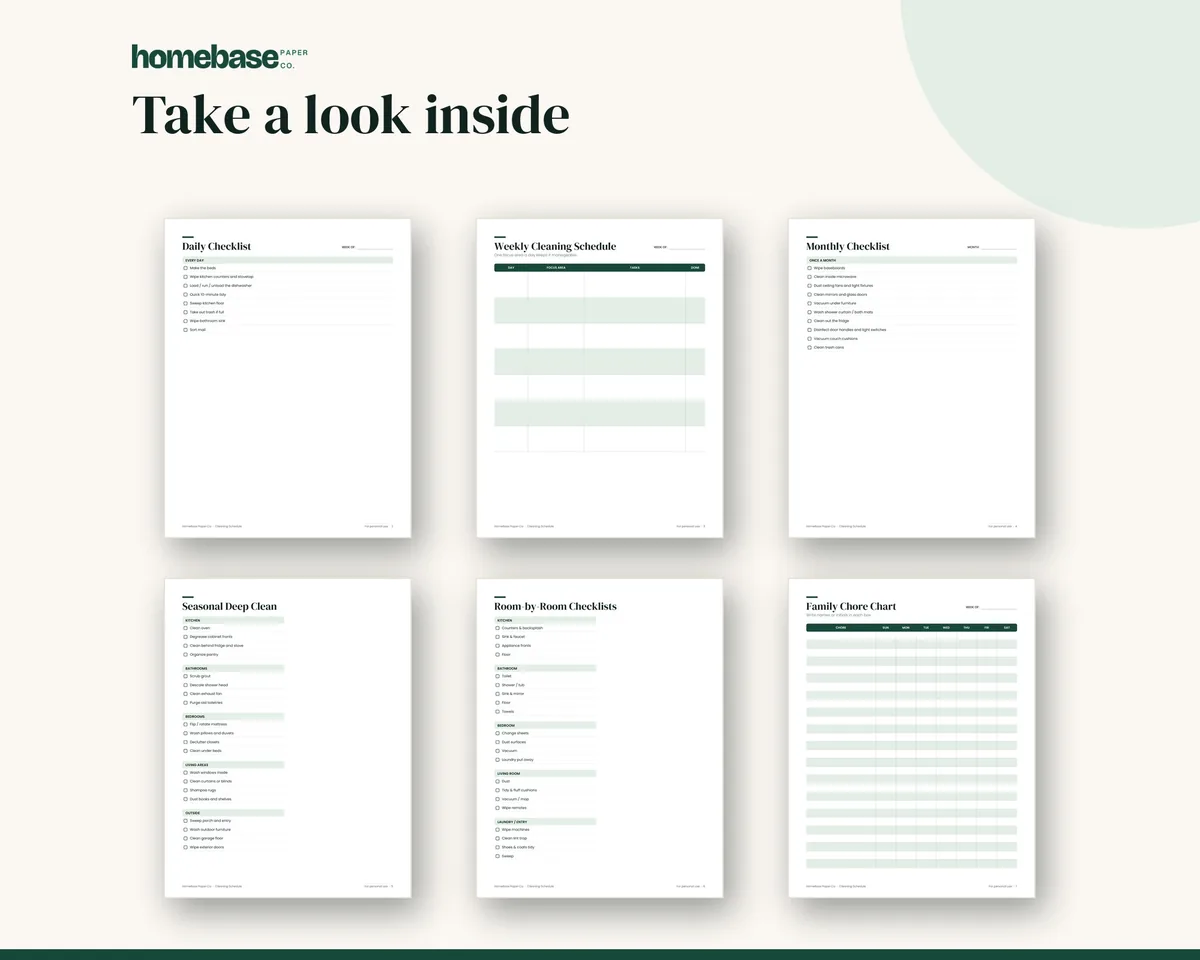
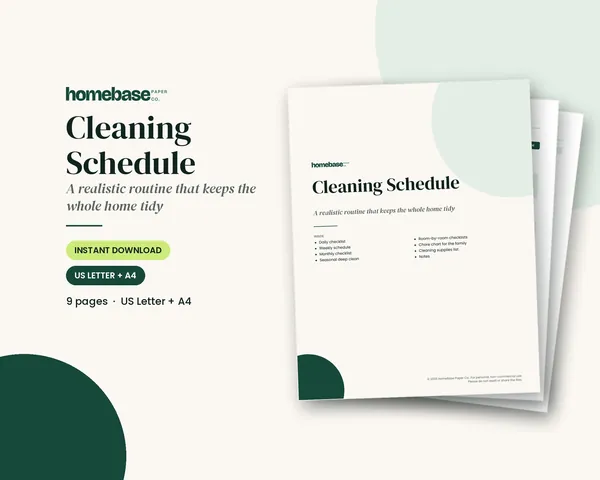
Our Cleaning Schedule ($4.49) is a 9-page printable with daily, weekly and monthly checklists, a seasonal deep clean list, room-by-room checklists, a family chore chart and a cleaning supplies list. Put "wipe appliance handles" on daily, "wash and buff stainless" on weekly, and "stainless cleaner and microfiber cloths" on the supplies list.
For a whole-home system, the Home Management Bundle ($16.99) includes the Cleaning Schedule along with the Household Binder, Home Maintenance Log, Home Inventory, Moving Planner and Password & Accounts Log. Bought separately, those six come to $32.94.
A 2-minute daily wipe
Most stainless steel grime is fingerprints on handles and the area around them. Keep a dry microfiber cloth near the refrigerator, and wipe the handles and the most-touched spots once a day, following the grain. Do a full damp wipe with mild dish soap weekly, and save the stainless cleaner or polish for when the surface looks dull or streaky. Less product means fewer streaks.
For the bathroom, see our guide on how to clean shower glass.
Your next step
Grab two microfiber cloths and some dish soap. Find the grain on your fridge, wash one door with the grain, then buff it dry. Compare it with the other door. That is the routine; add it to your weekly list.
Next up in the kitchen: how to clean stone countertops safely and how to remove sticky residue left by labels and tape.
If you spot orange spots that won't wipe away, see how to remove rust from metal for gentle methods that are safe on stainless steel.
Make it easier
Tools for this
Printables
Cleaning Schedule
Daily, weekly, monthly and seasonal lists - plus a family chore chart.
 Save 48%
Bundles
Home Management Bundle
Household binder, maintenance log, moving planner, cleaning schedule, home inventory and password log.
Frequently asked questions
What is the best way to clean stainless steel? The best way to clean stainless steel is to wash it with mild soap and warm water on a soft, clean cloth, wiping in the direction of the grain, then rinse and buff it dry with a microfiber cloth. For a polished finish, follow with a stainless steel cleaner. That is the routine Consumer Reports describes.
How do you clean stainless steel without streaks? To clean stainless steel without streaks, wipe with the grain, use a barely damp cloth so you are not leaving water behind, and buff dry immediately with a clean, dry microfiber cloth. Use a fresh cloth, not a used dishrag, which leaves food oils that smear.
What should you not use on stainless steel? Do not use disinfectants, abrasives, or cleaners containing bleach, alcohol, ammonia or chlorides on stainless steel, Consumer Reports says. Skip steel wool and scrub pads, which scratch the surface and can leave steel fragments that rust. Also avoid used dishrags.
Can you clean stainless steel with vinegar? Yes, you can clean stainless steel with vinegar if you're careful, but not fingerprint-resistant stainless. Vinegar's acid can dull some finishes, and Consumer Reports says to avoid acid-based cleaners on fingerprint-resistant stainless entirely. Mild dish soap and water, or a dedicated stainless steel cleaner, is the safer everyday choice. If you do use diluted vinegar, rinse and dry right away.
How do you get rust off stainless steel? To get rust off stainless steel, make a paste of baking soda and water and rub it gently with a soft cloth in the direction of the grain, or use a stainless brightener such as Bar Keepers Friend. Then rinse with clean water and dry. Follow your appliance brand's instructions first.
Can stainless steel rust? Yes, stainless steel can rust. Consumer Reports explains that chromium forms an invisible protective layer, and if bleach, abrasives or trapped moisture breach it, rust spots can form. Spots you have cleaned before are more likely to rust again, so keep an eye on them.
How do you clean fingerprint-resistant stainless steel? Clean fingerprint-resistant stainless steel with a mild soap solution and a soft cloth only. Consumer Reports warns that stainless steel cleaners, acidic cleaners and abrasives can scratch its clear protective coating. Rinse and dry it afterward.
Do stainless steel cleaners really work? Yes, stainless steel cleaners really work. Consumer Reports tested eight stainless cleaners and found some cleaned well and left no streaks. Most contain mineral oil, which it says helps shield the steel's protective layer. Use them on standard stainless, not on fingerprint-resistant finishes.
How do you find the grain on stainless steel? Look closely at the surface in good light: you will see faint parallel lines, usually running vertically on fridge doors and horizontally on dishwashers. Wipe along those lines, never in circles, so dirt comes out of the grain instead of being pushed into it.
How often should you clean stainless steel appliances? Wipe stainless steel appliance handles and doors every few days, or daily in a busy kitchen, and do a full clean and polish once a week. Clean spills, especially salty or acidic ones, right away so they do not stain or corrode.
Can grout cleaner damage stainless steel? Yes, some grout cleaners can damage stainless steel. Consumer Reports notes that Samsung warns the fumes alone from muriatic acid, an ingredient in some grout cleaners, can damage stainless steel. Check labels on any cleaner you use near stainless appliances, and ventilate well.
How do I keep a kitchen cleaning routine? Split kitchen jobs into daily, weekly and monthly lists so appliances never get grimy. The Cleaning Schedule ($4.49) has room-by-room checklists and daily, weekly and monthly pages, so "wipe appliance fronts" gets done on schedule.
More from HomeBase
You may also like

Printables
Household Binder
Family info, emergency plan, calendars, meals, groceries, cleaning, bills and sitter notes.

Printables
Home Maintenance Log
Monthly, seasonal and annual checklists plus a record of every appliance and repair.

Printables
Home Inventory
Printable pages and a spreadsheet that totals the value of every room.

Printables
Vehicle Maintenance Log
Oil changes, repairs, tires, fuel and MPG, trip mileage and renewal dates - so resale and warranty records are easy.
 Club
Monthly club
Planner & Calendar Club
Anyone who wants a monthly calendar, bill calendar and meal plan ready to print.
Free printable
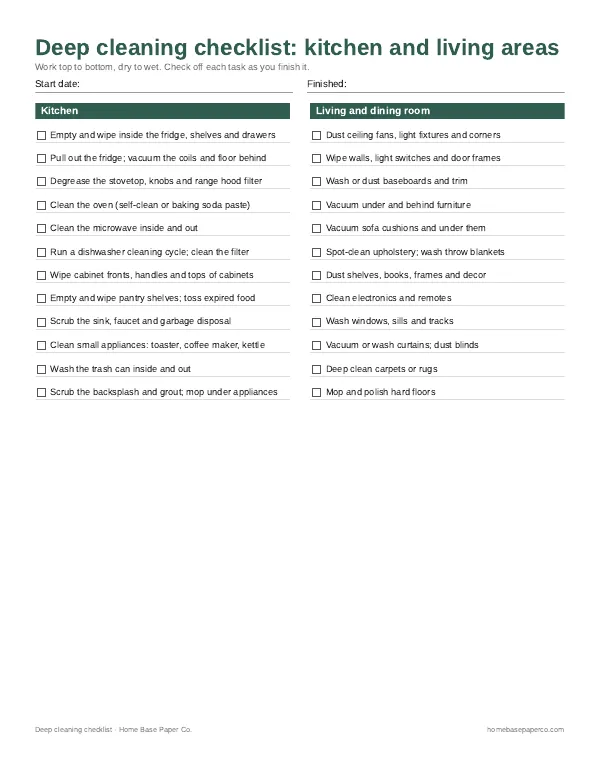
Clean the whole house in order: get the free deep cleaning checklist
A printable room-by-room deep cleaning checklist that tells you what to do first, so nothing gets cleaned twice. You'll also get our weekly HomeBase email with simple cleaning routines and chore ideas the whole family can help with.
Sources
- Consumer Reports: Best Stainless Steel Cleaners consumerreports.org
- Consumer Reports: Stainless Steel Appliances Can Rust consumerreports.org