The short answer: to remove rust from metal, match the method to how deep the rust goes. Light surface rust comes off with baking soda, vinegar or lemon and salt; heavier rust needs a wire brush, sandpaper or a commercial rust remover.
- Baking soda paste: light rust on stainless steel and kitchen items, about 1 hour
- White vinegar soak: tools, bolts and small parts, several hours to overnight
- Wire brush or sandpaper: medium to heavy rust, 15 to 60 minutes
- Don't skip the safety rule and the tips to keep rust from coming back
- Next step: Plan it with the Home Maintenance Log ($5.99).
If you're wondering how to remove rust from metal, the right method depends on how deep the rust goes and what the item is made of. Light surface rust comes off with pantry staples like baking soda, vinegar or lemon and salt. Heavier rust on tools, hardware and outdoor furniture needs a wire brush, sandpaper or a commercial rust remover. This guide covers seven methods, which one to use for each job, and how to keep rust from coming back.
Keep track of when you clean, oil and treat tools and outdoor metal in the Home Maintenance Log ($5.99). For rust checks on the car, the Vehicle Maintenance Log ($3.99) keeps every service in one place.
What causes rust on metal
Rust is iron oxide. It forms when iron or steel is exposed to oxygen and moisture over time. Salt, humidity and standing water speed it up. That is why rust shows up first on garden tools, cast iron pans left wet, bike chains, patio furniture and car parts exposed to road salt.
Even stainless steel can rust. Consumer Reports notes that scratches and harsh cleaners can damage the protective surface and leave spots.
Which rust removal method should you use?
| Method | Best for | Rust level | Time |
|---|---|---|---|
| Baking soda paste | Stainless steel, kitchen items | Light | About 1 hour |
| White vinegar soak | Tools, bolts, small parts | Light to medium | Several hours to overnight |
| Lemon juice and salt | Small spots, knives, fixtures | Light | 1 to 3 hours |
| Potato and dish soap | Pans and small household items | Light | A few hours |
| Wire brush or sandpaper | Tools, grills, outdoor furniture | Medium to heavy | 15 to 60 minutes |
| Commercial rust remover | Heavily rusted tools and hardware | Heavy | Follow the label |
| Rust converter and paint | Railings, trailers, metal you will repaint | Heavy, can't remove fully | Follow the label |
How to remove rust from metal: 7 methods
1. Baking soda paste
- Mix baking soda with a little water to make a thick paste.
- Spread it over the rust and let it sit for about an hour.
- Scrub with a soft brush or non-scratch pad.
- Rinse, then dry completely.
This gentle method is the one to try first on stainless steel. Rub in the direction of the grain.
2. White vinegar soak
- Place small items in a bowl and cover them with white vinegar.
- Soak for several hours or overnight.
- Scrub with a brush or steel wool.
- Rinse well, dry right away and wipe on a thin coat of oil.
For large items, soak a rag in vinegar and wrap it around the rusty spot.
3. Lemon juice and salt
- Sprinkle salt over the rust.
- Squeeze lemon juice over the salt.
- Let it sit for one to three hours.
- Scrub with the lemon rind or a brush, rinse and dry.
4. Potato and dish soap
- Cut a potato in half.
- Dip the cut side in dish soap or baking soda.
- Rub it over the rust and let it sit for a few hours.
- Scrub, rinse and dry.
5. Wire brush or sandpaper
- Put on gloves and eye protection.
- Scrub loose rust with a wire brush.
- Sand remaining rust with coarse sandpaper, then finer grit to smooth.
- Wipe away dust and protect the bare metal with oil or primer.
6. Commercial rust remover
Rust removers come as gels, sprays and soaks. Follow the label for time and rinsing, wear gloves and work in a ventilated space. They work well on heavily rusted tools and hardware. Test the product on a hidden spot first, because some formulas can dull plated or painted finishes. Rinse and dry the item fully when you're done.
7. Rust converter for metal you will paint
When rust is too deep to remove completely, a rust converter turns the remaining rust into a stable surface you can paint. Brush off loose flakes first, apply the converter, let it cure, then prime and paint.
A safety rule you shouldn't skip
Never mix cleaning products. The Washington State Department of Health warns that bleach reacts with acids, including vinegar and rust removal products, and can release toxic gas. Use one product at a time and rinse between them.
How to remove rust from common items
- Cast iron pans: scrub to bare metal, wash, dry on the stove and re-season with oil. See our guide on how to clean a cast iron skillet.
- Stainless steel sinks and appliances: use baking soda paste and a soft cloth. Our stainless steel cleaning guide and stainless steel sink guide cover daily care.
- Garden and hand tools: wire brush, vinegar soak, then oil.
- Bike chains: degrease, scrub with a brush and re-lubricate.
- Outdoor furniture and railings: sand, apply a rust converter or primer and repaint.
- Car parts: check under the car after winter and wash off road salt. Add a rust check to your car maintenance schedule.
How to keep rust from coming back
- Dry metal right after washing or rain.
- Wipe a thin coat of oil on bare steel tools.
- Store tools off concrete floors and in a dry spot.
- Run a dehumidifier in damp basements and garages.
- Touch up chipped paint on outdoor metal quickly.
- Add a seasonal rust check to your home maintenance checklist.
A short note in a maintenance log after each check makes it easy to spot rust early, before it spreads.
Make it easier
Tools for this
Printables
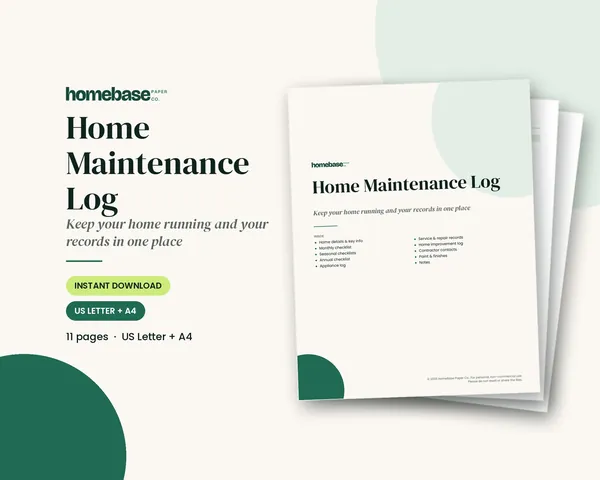
Home Maintenance Log
Monthly, seasonal and annual checklists plus a record of every appliance and repair.
Printables
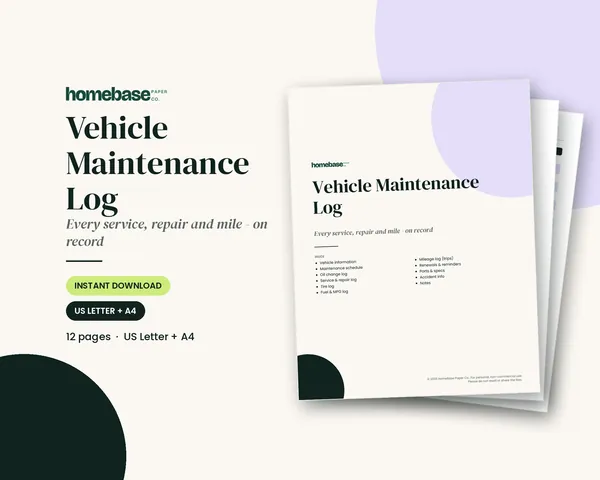
Vehicle Maintenance Log
Oil changes, repairs, tires, fuel and MPG, trip mileage and renewal dates - so resale and warranty records are easy.
Frequently asked questions
What is the fastest way to remove rust from metal? For light surface rust, the fastest way to remove rust from metal is to scrub it with a paste of baking soda and water or a non-scratch pad, then rinse and dry. For heavier rust on tools or hardware, a wire brush or sandpaper followed by a commercial rust remover works faster than a long vinegar soak.
Does vinegar remove rust? Yes, vinegar removes rust: white vinegar is a mild acid that loosens rust on tools, bolts and small metal parts. Soak the item for several hours or overnight, scrub with a brush or steel wool, then rinse, dry right away and oil the surface. Don't leave delicate or plated pieces soaking too long, because acid can also etch the metal.
How do you remove rust with baking soda? Mix baking soda with enough water to make a thick paste, spread it over the rusty spot, let it sit for about an hour, then scrub with a brush or non-scratch pad and rinse. Baking soda is gentle, so it suits light rust, stainless steel and items you don't want to scratch.
How do you remove rust from stainless steel? Stainless steel can rust when it is scratched or exposed to harsh chemicals. Consumer Reports suggests a stainless cleaner or a paste of baking soda and water, rubbed gently in the direction of the grain with a soft cloth. Avoid steel wool, which scratches the surface and can leave particles that rust.
How do you remove rust from cast iron? Scrub the rusty area with steel wool or a stiff brush until you reach bare metal, wash with a little soap and water, dry the pan completely on the stove, then rub on a thin layer of cooking oil and bake it upside down to re-season. Dry it right after every wash to keep rust from returning.
Can I mix vinegar and bleach to remove rust? No, you should never mix bleach with vinegar, rust removers or other acids to remove rust. The Washington State Department of Health warns that mixing bleach with acids can release toxic chlorine gas. Use one product at a time, rinse well between products and work in a ventilated area.
How do you remove rust from tools? Wipe off dirt and grease, then remove loose rust with a wire brush. Soak small tools in white vinegar overnight, scrub, rinse and dry thoroughly. Finish with a light coat of oil and store tools somewhere dry. For heavily pitted tools, a commercial rust remover or a rotary tool with a wire wheel saves time.
How do you keep metal from rusting again? Rust needs moisture and oxygen, so keep metal dry. Wipe tools and pans dry right after use, oil bare steel, store items off concrete floors, use a dehumidifier in damp basements or garages, and touch up chipped paint on outdoor metal. A seasonal check in your home maintenance routine catches rust early.
Is rust removal safe to do at home? Yes, as long as you follow product labels, wear gloves and eye protection when scrubbing or using chemical rust removers, and keep the area ventilated. Never combine different cleaning chemicals. For large structural rust, such as on railings, trailers or car frames, a professional can tell you whether the metal is still sound.
More from HomeBase
You may also like

Printables
Household Binder
Family info, emergency plan, calendars, meals, groceries, cleaning, bills and sitter notes.
Printables
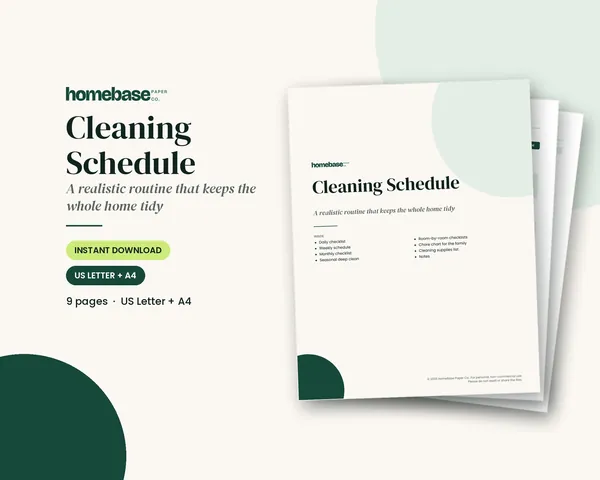
Cleaning Schedule
Daily, weekly, monthly and seasonal lists - plus a family chore chart.

Printables
Home Inventory
Printable pages and a spreadsheet that totals the value of every room.
 Save 48%
Bundles
Home Management Bundle
Household binder, maintenance log, moving planner, cleaning schedule, home inventory and password log.
 Club
Monthly club
Planner & Calendar Club
Anyone who wants a monthly calendar, bill calendar and meal plan ready to print.
Free printable
Clean the whole house in order: get the free deep cleaning checklist
A printable room-by-room deep cleaning checklist that tells you what to do first, so nothing gets cleaned twice. You'll also get our weekly HomeBase email with simple cleaning routines and chore ideas the whole family can help with.