The short answer: To remove sticky residue, soften the adhesive first and then lift it: rub in a little cooking oil, warm it with a hair dryer, or dab it with rubbing alcohol, then scrape gently and wash with soapy water. The right method depends on the surface.
Our picks for how to remove sticky residue
Printables
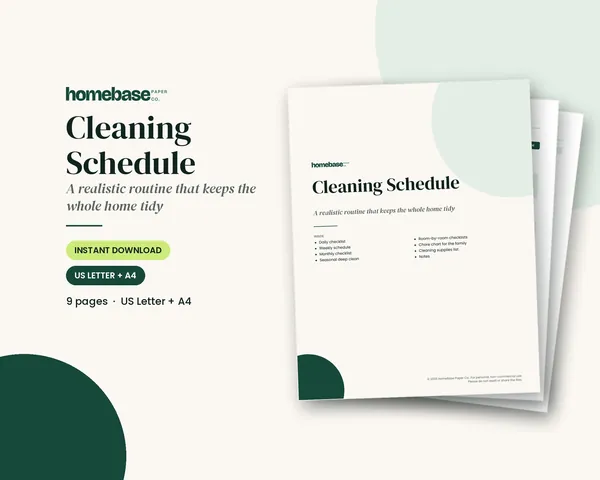
Cleaning Schedule
Daily, weekly, monthly and seasonal lists - plus a family chore chart.
Printables
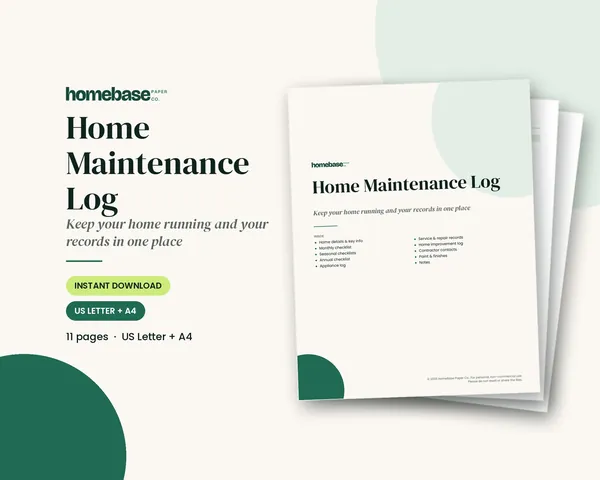
Home Maintenance Log
Monthly, seasonal and annual checklists plus a record of every appliance and repair.
 Save 48%
Bundles
Home Management Bundle
Household binder, maintenance log, moving planner, cleaning schedule, home inventory and password log.
Below are 10 ways to remove sticky residue, a chart for 8 common surfaces, the mistakes people make, and how to keep a simple cleaning routine.
Keeping up with the small jobs is easier with a plan. Our Cleaning Schedule Printable ($4.49) splits chores into daily, weekly and monthly lists.
The full list: 10 ways to remove sticky residue
- Cooking oil. Vegetable, olive or coconut oil breaks down most sticker glue. Rub it in, wait five minutes, then wipe.
- Warm soapy water. The gentlest method. Soak or hold a hot, soapy cloth on the spot, then rub.
- Rubbing alcohol. Fast on glass, metal and ceramic. Hold a damp cloth on the residue for a minute.
- Heat. A hair dryer on low for 20 to 30 seconds softens old label and tape glue so it peels.
- Baking soda paste. Mix baking soda with a little oil or water and rub. It adds gentle grit.
- White vinegar. Good on glass and ceramic. Lay a soaked cloth on the spot for a few minutes.
- Plastic scraper or old gift card. Lifts softened residue without scratching.
- Masking tape or the sticker itself. Press and pull repeatedly to lift crumbly leftover glue.
- Ice. Hardens gum and gummy residue on fabric and carpet so you can scrape it off.
- A commercial adhesive remover. For stubborn jobs on hard surfaces. Follow the label and ventilate.
Sticky residue removal chart for 8 surfaces
| Surface | Try first | Then | Avoid |
|---|---|---|---|
| Glass and jars | Hot soapy soak | Rubbing alcohol or vinegar, flat razor on flat glass | Steel wool |
| Hard plastic | Cooking oil | Soapy water | Acetone, nail polish remover |
| Finished wood | Mineral or cooking oil | Mild soap, dry right away | Alcohol, acetone, soaking |
| Stainless steel | Cooking oil | Rubbing alcohol, wipe with the grain | Abrasive pads |
| Painted walls | Warm soapy water | Hair dryer on low | Oil, solvents, scrubbing |
| Fabric and clothes | Ice for gummy residue | Dish soap or pre-treater, then wash | The dryer until it's gone |
| Ceramic tile | Soapy water | Rubbing alcohol or baking soda paste | Metal scrapers |
| Natural stone | Warm soapy water | A stone-safe cleaner | Vinegar, lemon, abrasives |
Working on a stone surface? See our guide on how to clean stone countertops before you use anything acidic.
The sticky spots people forget
- Price stickers on gifts and frames. Warm, peel, then oil.
- Jar labels you want to reuse for pantry storage.
- Tape marks from holiday decorations on walls and windows.
- The bottoms of pans and appliances where packing stickers left glue.
- Kids' stickers on furniture, windows and car seats.
- Sticky cabinet handles in the kitchen, where grease and fingerprints build up.
How to choose the right method
- Identify the surface. Glass and metal handle more than wood, paint or plastic.
- Start gentle. Begin with soapy water or oil, and only move to alcohol or a remover if needed.
- Test a hidden spot. Wait a few minutes and check for dulling or color change.
- Give it time. Most failures happen when people wipe before the residue has softened.
- Lift, don't grind. Use a plastic edge at a low angle, not a scrub pad.
- Wash and dry. Remove any oily film with warm soapy water, then dry the surface.
Never mix cleaning products. Washington State's Department of Health warns that mixing bleach with ammonia or acids can release toxic gases, and its page on the dangers of mixing bleach with cleaners says to always read the product label first. The CDC's bleach cleaning guide adds that bleach should never be mixed with any other cleaner, and that you should open windows for fresh air while you clean.
Turn small fixes into a routine
Sticky spots, scuffs and stains pile up when nobody has a plan for them. A short weekly "reset" list fixes them before they set:
- Pick one day for small fixes, like Saturday morning.
- Keep a kit together: cooking oil, rubbing alcohol, a plastic scraper, microfiber cloths and dish soap.
- Do one room at a time, starting with the kitchen.
- Write down bigger repairs that need a tool or a pro.
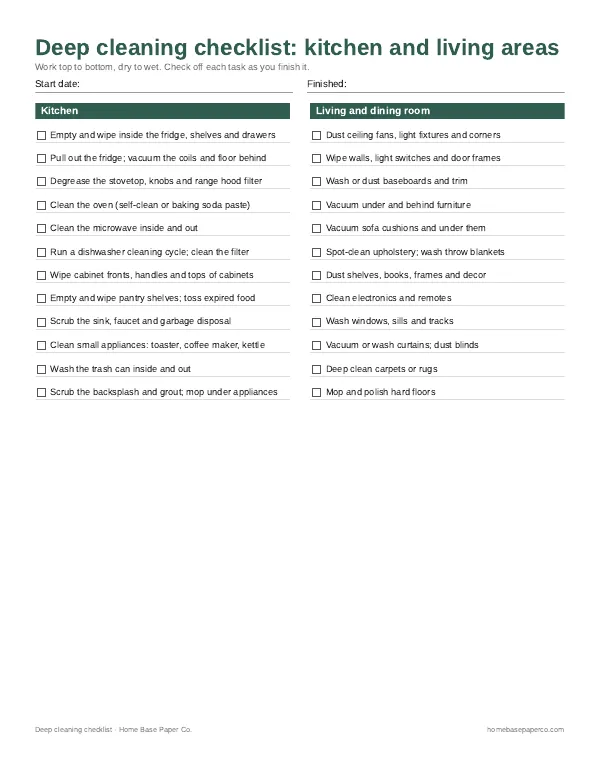
For deeper jobs, see our deep cleaning checklist, and for the kitchen, our kitchen cleaning checklist. Stains are a different job: try our guides to oil stains and wine stains.
Printables for a cleaner, calmer home
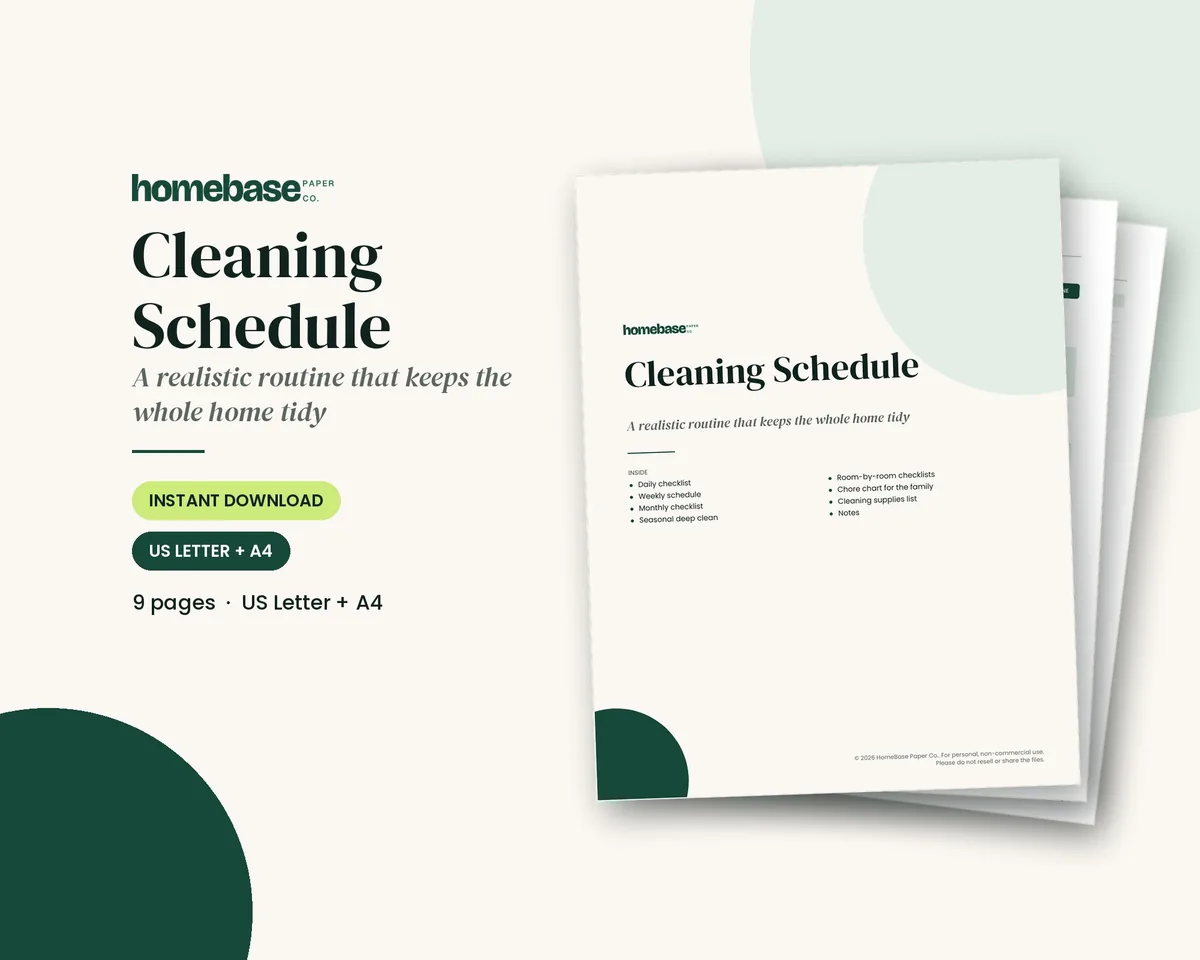
- Cleaning Schedule Printable, $4.49. Daily, weekly and monthly lists so small jobs don't pile up.
- Home Maintenance Log, $5.99. Track repairs, filters, appliances and what you used where.
- Home Management Bundle, $16.99 (regularly $32.94 for the six items bought separately). The cleaning schedule and maintenance log plus a household binder, home inventory, password log and moving planner.
Browse all our Printables.
Cleaning Schedule
Daily, weekly, monthly and seasonal lists - plus a family chore chart.
$4.49 · Instant download. Print at home or fill it in on screen. Or browse the full Home & Organizing collection.
Frequently asked questions
What is the best way to remove sticky residue? The best way to remove sticky residue is to soften it, then lift it. Rub a little cooking oil into the residue, wait five minutes, then scrape gently with a plastic card and wash with warm soapy water. For hard surfaces like glass and metal, rubbing alcohol on a cloth works faster. For stubborn label glue, warm it first with a hair dryer on low. Always test any method on a hidden spot first.
Does rubbing alcohol remove sticky residue? Yes, isopropyl rubbing alcohol dissolves most sticker and tape adhesives on glass, metal, ceramic and many hard plastics. Dampen a cloth, hold it on the residue for a minute, then wipe. Avoid it on finished wood, painted walls, leather and some plastics, since alcohol can dull or strip finishes. Test first.
How do you get sticky residue off plastic? On plastic, use cooking oil or a dab of dish soap and warm water first, because some plastics cloud or soften with solvents. Rub the oil in, let it sit for a few minutes, then wipe with a soft cloth and wash with soapy water. Avoid acetone and nail polish remover on plastic.
How do you remove sticky residue from glass? Glass is the easiest surface. Scrape off what you can with a plastic scraper or a razor blade held flat (on flat glass only), then wipe with rubbing alcohol or white vinegar. Finish with glass cleaner. For jars, soak in hot soapy water first, then rub with oil and baking soda.
How do you get sticky residue off wood? On finished wood, use a little cooking oil or mineral oil, let it soak in, then gently rub with a soft cloth in the direction of the grain. Wipe away the oil with a damp cloth and a drop of dish soap, then dry. Skip alcohol and acetone, which can damage the finish.
Does vinegar remove sticky residue? Vinegar helps with light residue on glass, ceramic and some metals. Soak a cloth in white vinegar, lay it on the residue for a few minutes, then wipe. Don't use vinegar on natural stone like marble or granite, since its acid can etch the surface.
How do you remove sticky residue from clothes? Freeze the fabric with an ice cube or in the freezer to harden gummy residue, then scrape it off. For label or tape adhesive, dab a little dish soap or a laundry pre-treater on the spot, work it in, and wash as usual. Check the care label, and don't put the item in the dryer until the residue is gone.
How do you get tape residue off walls? On painted walls, use warm water with a drop of dish soap on a soft cloth, and rub gently. A hair dryer on low can soften old tape glue first. Avoid oil and solvents, which can stain or dull paint. Test on a hidden spot, especially on flat paint.
Can I use WD-40 or Goo Gone on sticky residue? Many people use lubricants and citrus-based adhesive removers on hard surfaces like metal and glass. Read the label for which surfaces they're safe on, use them in a ventilated area, and wash the surface with soapy water afterward to remove the oily film. Keep them away from kids and pets.
How do you remove sticky residue from stainless steel? Rub a little cooking oil or rubbing alcohol on the residue with a soft cloth, wiping in the direction of the grain. Avoid abrasive pads that scratch. Finish with warm soapy water and dry with a microfiber cloth. See our stainless steel cleaning guide for more.
How do you remove price sticker residue from a gift? Peel what you can, then warm the spot with a hair dryer for 20 to 30 seconds and peel again. Rub any leftover glue with a dot of cooking oil on a cotton swab, then wipe clean. It's a handy trick when wrapping gifts in December.
What should I avoid when removing sticky residue? Avoid metal scrapers on anything but flat glass, steel wool on coated or soft surfaces, acetone on plastics and finishes, and mixing cleaning products. Never mix bleach with ammonia or vinegar. Work slowly, test first and use the gentlest method that works.
How do I remove sticky residue from a car? On car paint, use warm soapy water and a soft microfiber cloth first, then a product made for automotive paint if needed. A hair dryer on low can soften old bumper sticker glue. Avoid household solvents and abrasive pads, which can damage the clear coat.
Free printable
Clean the whole house in order: get the free deep cleaning checklist
A printable room-by-room deep cleaning checklist that tells you what to do first, so nothing gets cleaned twice. You'll also get our weekly HomeBase email with simple cleaning routines and chore ideas the whole family can help with.