

The short answer: how to clean a washing machine: once a month, run the tub-clean cycle, or a hot cycle with a washing machine cleaner or 1 cup of bleach.
- Wipe the door, gasket and dispenser
- Clean the drain pump filter
- Leave the door open to dry
- Check your manual first
- Next step: Plan it with the Home Maintenance Log ($5.99).
Knowing how to clean a washing machine is the fix for musty towels and gray "clean" laundry. Once a month, run the tub-clean cycle, or a hot cycle with a washing machine cleaner or 1 cup of bleach. Then wipe the door, gasket and dispenser, and leave the door open to dry. This guide covers front-loaders and top-loaders, the drain filter, odors, and the habits that keep mold from coming back.
How to clean a washing machine: the quick version
- Check your manual for its cleaning cycle and any cleaner it recommends.
- Run a tub-clean cycle, or a hot cycle with washer cleaner or 1 cup of bleach.
- Wipe the door and gasket, pulling back the rubber seal to reach the folds.
- Wash the dispenser drawer and fabric softener cup.
- Clean the drain pump filter if your washer has one.
- Wipe the outside and leave the door open to dry.
Why washers get dirty
A washer seems like it should clean itself, but it is a warm, wet box full of soap and lint. Consumer Reports explains that mold thrives on food and water, and washers supply both, with detergent and fabric softener residue as the food. In a Consumer Reports survey, 16 percent of front-load washer owners reported mold, mildew and odor problems. Top-loaders get residue too, just less often.
It adds up fast. ENERGY STAR says the average American family washes about 300 loads of laundry a year. Check pockets before each load, too: a stray pen can leave ink on the drum and the next load (here is how to get ink out of clothes).
What you need
| Item | Use |
|---|---|
| Washing machine cleaner or regular bleach | The monthly cleaning cycle |
| Microfiber cloths | Door, gasket and drum |
| An old toothbrush | Gasket folds and dispenser corners |
| Mild dish soap | Dispenser drawer |
| Towel and a shallow pan | Catching water from the drain filter |
Step 1: Run the tub-clean cycle
Most newer washers have a tub-clean, self-clean or sanitize cycle. Consumer Reports says the recommended frequency varies, from monthly to every 50 loads, so check your manual. Run it empty, with the cleaner your manual names.
No cleaning cycle? Consumer Reports suggests running an empty load on the hottest setting with a cup of bleach, or a hot cycle with a washing machine cleaner that contains bleach. ENERGY STAR notes that some manufacturers recommend running a normal cycle with 1 cup of bleach each month and wiping down the compartments.
Safety note: never mix bleach with vinegar, ammonia or other cleaners. Run cycles with one product only.
Step 2: Wipe the door and gasket
On a front-loader, the rubber gasket around the door is where most smells start. Consumer Reports' steps: dry the inside of the door with a rag, gently pull back the gasket, wipe it clean and dry it. Watch for socks and small items stuck in the folds, which turn moldy. Use a toothbrush with a little soapy water for the crevices, then dry well.
On a top-loader, Consumer Reports says it is a good idea to periodically wipe the circular upper rim of the tub and the agitator.
Step 3: Clean the dispenser drawer
Detergent and softener residue builds up in the dispenser and turns to slime. Pull the drawer out (most have a release tab), soak it in warm, soapy water, and scrub with a toothbrush. Wipe the cavity it slides into, which often hides black spots. Let everything dry before you slide it back.
Step 4: Clean the drain pump filter
Many front-loaders have a filter behind a small panel at the bottom front. It catches lint, coins, hair and the odd hair tie. Check your manual for the location and steps. Lay down a towel and a shallow pan, open the drain hose or filter slowly, let the water run out, then twist out the filter and rinse it. Some top-loaders have a lint trap in the agitator instead, and some have no user filter at all.
Step 5: Wipe the outside
Wipe the lid, control panel and sides with a damp cloth. Spray cleaner on the cloth, not on the controls. While you are there, look behind the machine. Consumer Reports advises checking the drain hose for kinks or clogs, and keeping the washer level, since an off-balance machine vibrates and wears faster.
Front-load vs. top-load at a glance
| Task | Front-load | Top-load |
|---|---|---|
| Monthly clean cycle | Yes | Yes |
| Gasket wipe | After the last load of the day | No gasket |
| Tub rim and agitator wipe | n/a | Every few weeks |
| Drain pump filter | Usually yes | Sometimes |
| Leave lid or door open | Yes, always | Yes, helps |
How to choose a washing machine cleaner
A washing machine cleaner is a product made to clean the drum, hoses and hidden parts during an empty cycle. You'll find tablets, powders and liquids. We don't rank brands here; use this checklist to compare labels before you buy one:
- Your manual comes first. Many manuals name a cleaner or a type of cleaner. Using it keeps you in line with the warranty and suits your machine's seals and sensors.
- HE compatibility. If you have a high-efficiency washer, the package should say it is safe for HE machines.
- The active ingredient. Many washing machine cleaners are bleach-based, which matches the bleach cycle Consumer Reports and ENERGY STAR describe. Others use oxygen-based or enzyme formulas. If your manual says to avoid chlorine bleach, choose one of those.
- The form. Tablets are pre-measured and easy to store. Powders and liquids let you adjust the dose. All three go into an empty drum or the dispenser, per the package.
- Clear dosing and safety directions. Look for a clear dose, cycle setting and a warning about mixing products.
- A safer-ingredient label. EPA's Safer Choice label marks products whose chemical ingredients EPA has reviewed, and EPA says those products must also meet performance standards. It's optional, but it helps if you want a gentler cleaner.
DIY washing machine cleaner options
You don't have to buy a washing machine cleaner. These DIY options cover most washers. Use one per cycle, never two.
Regular chlorine bleach. This is the simplest homemade washing machine cleaner. Pour 1 cup into the bleach dispenser or drum and run an empty load on the hottest setting. Consumer Reports suggests this when a washer has no cleaning cycle. If the bleach smell lingers, run one more rinse cycle.
White vinegar. Vinegar can help with mineral film in hard-water areas. Some manufacturers caution that it can wear rubber seals and hoses over time. Check your manual before using it, and never run it in the same cycle as bleach.
Dish soap and a toothbrush. For the parts a cycle can't reach, warm soapy water does the work. Scrub the dispenser drawer, the gasket folds and the door glass by hand.
Cleaner, bleach or vinegar?
Here's how a washing machine cleaner compares with the DIY options at a glance.
| Option | Pros | Watch out for |
|---|---|---|
| Washing machine cleaner tablets or powder | Made for the job; many are bleach-based | Follow the package dose |
| Regular chlorine bleach (1 cup) | Cheap and named by Consumer Reports and ENERGY STAR | Never mix with vinegar or ammonia; rinse if the smell lingers |
| White vinegar | Cuts mineral film | Some makers caution it can wear rubber parts; check your manual |
If your manual names a specific product, use it. That keeps your warranty intact and suits your machine's seals and sensors.
Whichever washing machine cleaner you choose, write the product and date in a log. If the smell comes back sooner than a month, that record shows whether the cleaner or the habit needs to change.
Signs your washer needs a deeper clean
- Towels smell musty even right out of the wash.
- You see black spots in the gasket folds or the dispenser.
- Gray flecks or residue show up on clean clothes.
- The drum smells when you open the door after a few days.
- Loads drain slowly or the machine shows a drain error.
If the smell survives two cleaning cycles, clean the drain filter and check the drain hose. If it still persists, a technician can check the pump and hoses. Log what you find.
How to stop the smell from coming back
Consumer Reports' prevention list for washer mold is short and works:
- Use only HE detergent in HE machines, and not too much. Extra suds make the washer work harder and leave residue. Use the amount your manual recommends.
- Skip or cut back on fabric softener. It leaves residue that feeds mold.
- Remove wet laundry promptly. Damp clothes sitting in a closed drum are the perfect mold setup. For the full wash-to-fold routine, see our guide on how to do laundry.
- Leave the door open between loads so the drum and gasket dry.
- Wipe the gasket after the last load of the day.
- Clean the dispenser every few weeks.
- Run the tub-clean cycle monthly or every 50 loads.
ENERGY STAR adds an energy tip: water heating uses about 90 percent of the energy a clothes washer consumes. Washing everyday loads in cold water saves money, which makes the monthly hot cleaning cycle even more important.
How often to clean a washing machine
| Task | How often |
|---|---|
| Leave the door open | After every load |
| Wipe the door and gasket | After the last load of the day |
| Clean the dispenser | Every 2 to 4 weeks |
| Tub-clean or hot bleach cycle | Monthly or every 50 loads |
| Drain pump filter | Every 1 to 3 months, per manual |
| Check hoses and level | Twice a year |
Common washer-cleaning mistakes
Cleaning only the drum. The drum is usually the cleanest part. Smells live in the gasket, dispenser and drain filter.
Closing the door right after a cleaning cycle. The drum is wet when the cycle ends. Leave the door open for a few hours so it dries.
Mixing cleaners. Bleach plus vinegar or ammonia releases harmful fumes. Use one product per cycle.
Overloading every load. A packed drum does not rinse well, so more soap stays behind. Leave room for clothes to tumble.
Keep a record
Washers fail quietly. A leaking hose, a filter full of lint or a gasket going bad can turn into a flood or a repair bill. Writing down what you did and when makes problems easier to spot.
Also prone to mold: see our guides on how to clean a humidifier and how to clean a dishwasher.
Our Home Maintenance Log ($5.99 printable) has monthly, seasonal and annual checklists, an Appliance Log for your washer's model, purchase date and warranty, and Service & Repair Records for each repair or filter cleaning. Our Cleaning Schedule ($4.49) covers the housework side, with weekly and monthly checklists where "wipe washer gasket" and "run tub-clean cycle" can live.
Need both? The Home Management Bundle ($16.99) includes the Cleaning Schedule along with the Household Binder, Home Maintenance Log, Home Inventory, Moving Planner and Password & Accounts Log. Bought separately, those six come to $32.94.
You can browse every home organization printable in our shop, too.
Your next step
Open your washer's door and pull back the gasket. If you see gray film or black spots, wipe it out tonight and run the tub-clean cycle with the door closed. Then leave the door open, and add "clean washer" to the first weekend of each month.
Make it easier
Tools for this
Printables
Cleaning Schedule
Daily, weekly, monthly and seasonal lists - plus a family chore chart.
Printables
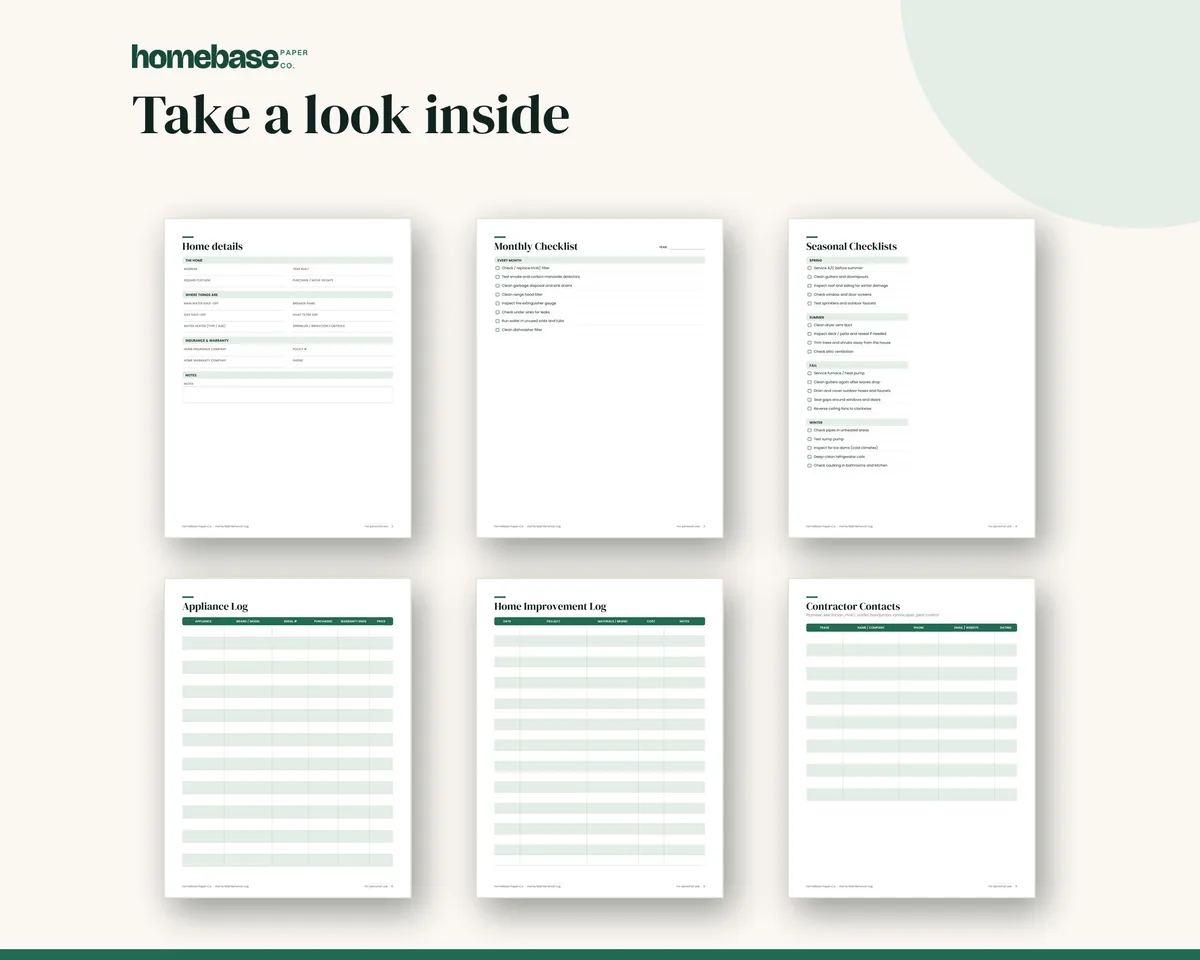
Home Maintenance Log
Monthly, seasonal and annual checklists plus a record of every appliance and repair.
 Save 48%
Bundles
Home Management Bundle
Household binder, maintenance log, moving planner, cleaning schedule, home inventory and password log.
Frequently asked questions
What is the best way to clean a washing machine? The Cleaning Schedule ($4.49) puts the best way to clean a washing machine on a monthly list so the cycle actually happens. The best way to clean a washing machine is to run its tub-clean cycle once a month, or a hot-water cycle with a washing machine cleaner or 1 cup of bleach if it has no such cycle. Then wipe the door, gasket and dispenser drawer and leave the door open to dry. Check your manual first.
What is the best washing machine cleaner? The Home Maintenance Log ($5.99) Appliance Log is where to note the washing machine cleaner your manual recommends, which is usually the best one for your machine. If the manual names a product, use it. If not, Consumer Reports and ENERGY STAR both point to a hot cycle with 1 cup of bleach or a washing machine cleaner that contains bleach. Pick one that says it is safe for HE machines if yours is HE, and follow the package dose.
Can you make a homemade washing machine cleaner? The Cleaning Schedule ($4.49) supplies list can hold your homemade washing machine cleaner, which for most machines is simply regular chlorine bleach. Consumer Reports suggests an empty load on the hottest setting with a cup of bleach. Vinegar is popular in homemade washing machine cleaner recipes, but some makers caution it can wear rubber seals, so check your manual first. Never combine bleach and vinegar in the same cycle.
Are washing machine cleaner tablets better than bleach? The Cleaning Schedule ($4.49) works with either one, since washing machine cleaner tablets and bleach both depend on a regular monthly cycle. Tablets are pre-measured and easy to store, and many are bleach-based. Regular bleach is cheaper and is the option Consumer Reports and ENERGY STAR mention. Your manual is the tiebreaker: if it names a cleaner, use that one.
How often should you clean a washing machine? The Home Maintenance Log ($5.99) tracks how often you clean a washing machine, with a dated record of each tub-clean cycle. Clean a washing machine once a month or every 50 loads, the range Consumer Reports gives for tub-clean cycles. Wipe the door and gasket after the last load of the day, and clean the dispenser drawer every few weeks.
How do you clean a front-load washing machine? The Cleaning Schedule ($4.49) has a weekly list where the front-load washing machine gasket wipe fits. To clean a front-load washing machine, pull back the rubber gasket and wipe it clean and dry, wash the detergent drawer, then run the tub-clean cycle or a hot cycle with washer cleaner. Consumer Reports adds: remove wet laundry promptly and leave the door open so the drum can dry.
How do you clean a top-load washing machine? The Cleaning Schedule ($4.49) has a monthly list where cleaning a top-load washing machine belongs. To clean a top-load washing machine, run its clean cycle, or fill it on the hottest setting with 1 cup of bleach and run an empty load. Wipe the upper rim of the tub and the agitator, which Consumer Reports says is a good idea for top-loaders, and clean the lid and dispensers.
How do you get rid of a washing machine smell? The Home Maintenance Log ($5.99) helps you get rid of a washing machine smell for good by showing when the last cleaning cycle ran. To get rid of a washing machine smell, run a tub-clean or hot bleach cycle, wipe the gasket and door, wash the dispenser and clean the drain pump filter if your model has one. Then stop the cause: use less HE detergent, skip fabric softener and leave the door open between loads.
Can you clean a washing machine with vinegar? The Home Maintenance Log ($5.99) Appliance Log is a good place to note whether your washing machine manual allows vinegar. You can, but check your manual first. Some makers caution that vinegar can harm rubber seals and hoses over time. Consumer Reports and ENERGY STAR both point to a tub-clean cycle, a washing machine cleaner or a cycle with 1 cup of bleach as the standard approach.
How much bleach do you use to clean a washing machine? The Cleaning Schedule ($4.49) supplies list is a handy place to note the 1 cup of bleach you use to clean a washing machine. Use 1 cup of bleach for an empty hot-water cycle. That is the amount Consumer Reports and ENERGY STAR both mention. Never mix bleach with vinegar or ammonia, and run a rinse cycle afterward if the bleach smell lingers.
Why does my front-load washer get moldy? The Cleaning Schedule ($4.49) can't stop a front-load washer from getting moldy, but it keeps the gasket wipe and door-open habits on your weekly list. Front-load washers get moldy because the airtight door traps moisture, and detergent and fabric softener residue feed mold. Consumer Reports found 16 percent of front-load owners reported mold, mildew or odor. Leaving the door open, using less HE detergent and removing laundry promptly all help.
Where is the filter on a washing machine? The Home Maintenance Log ($5.99) Appliance Log is the place to write down where the filter on your washing machine is and when you cleaned it. On most front-load washers the drain pump filter sits behind a small panel at the bottom front corner. Many top-loaders have no user-cleanable filter. Check your manual, put down a towel and a shallow pan before opening it, and clear lint, coins and hair.
Should you leave the washing machine door open? The Cleaning Schedule ($4.49) daily list is a good reminder to leave the washing machine door open after the last load. Yes, leave a front-load washer door open between loads so the drum and gasket can dry. Consumer Reports lists it as a key mold-prevention step. Keep it closed only if small children or pets could climb in.
Does too much detergent make a washer dirty? The Cleaning Schedule ($4.49) can't measure detergent, but it reminds you to check the washer dosing line, because too much detergent makes a washer dirty. Yes, too much detergent makes a washer dirtier. Consumer Reports says extra suds make the washer work harder and leave residue that feeds mold. Use HE detergent in the amount your manual recommends, which is often less than the cap line.
How do I track washer cleaning and maintenance? The Home Maintenance Log ($5.99) is how to track washer cleaning and maintenance, with an Appliance Log and Service & Repair Records. Log each tub-clean and filter cleaning, plus the model number and warranty, in one place. The Home Maintenance Log ($5.99) has an Appliance Log and Service & Repair Records, and the Cleaning Schedule ($4.49) puts the monthly cleaning cycle on your checklist.
More from HomeBase
You may also like

Printables
Household Binder
Family info, emergency plan, calendars, meals, groceries, cleaning, bills and sitter notes.
Printables
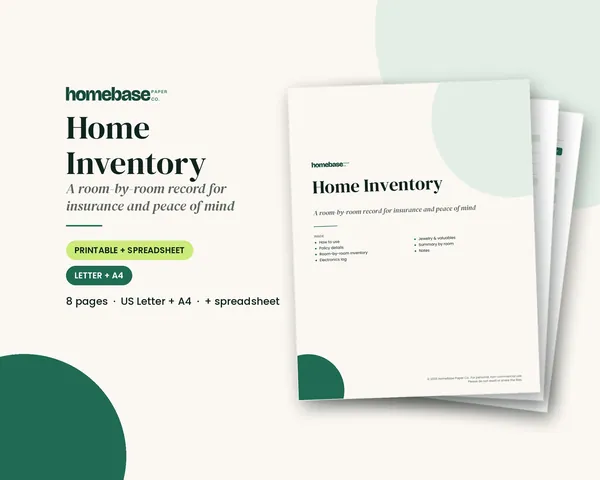
Home Inventory
Printable pages and a spreadsheet that totals the value of every room.
Printables
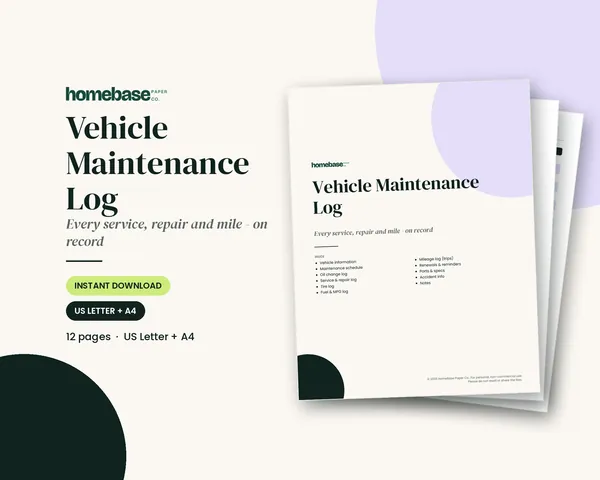
Vehicle Maintenance Log
Oil changes, repairs, tires, fuel and MPG, trip mileage and renewal dates - so resale and warranty records are easy.

 Club
Monthly club
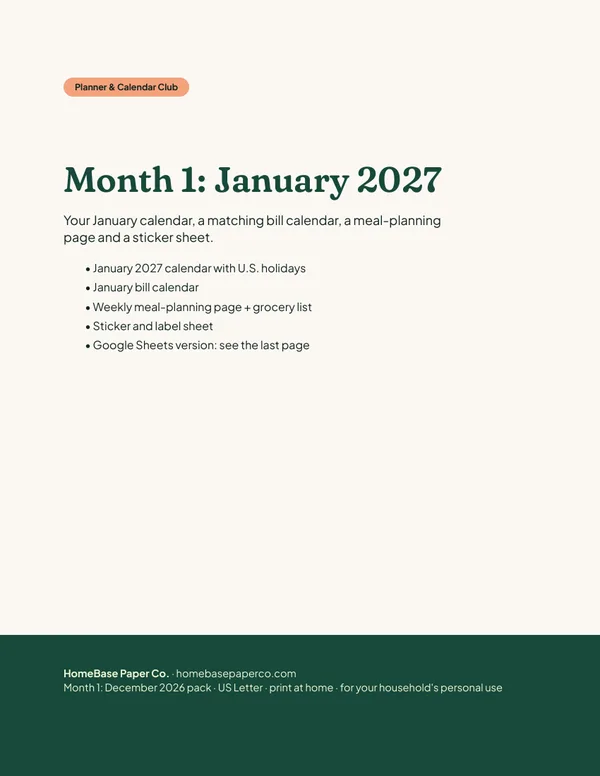
Planner & Calendar Club
Anyone who wants a monthly calendar, bill calendar and meal plan ready to print.
Free printable
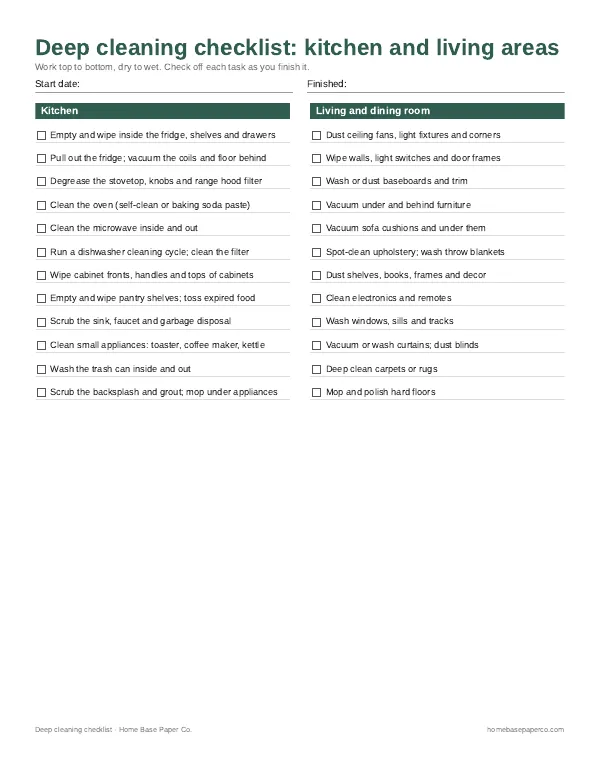
Clean the whole house in order: get the free deep cleaning checklist
A printable room-by-room deep cleaning checklist that tells you what to do first, so nothing gets cleaned twice. You'll also get our weekly HomeBase email with simple cleaning routines and chore ideas the whole family can help with.
Sources
- Consumer Reports: How to Minimize Mold in Your Washing Machine consumerreports.org
- Consumer Reports: How to Make Your Washer and Dryer Last consumerreports.org
- ENERGY STAR: Clothes Washers energystar.gov
- EPA: Learn About the Safer Choice Label epa.gov