The short answer: To clean stone countertops, wipe them with warm water and a few drops of mild, pH-neutral dish soap on a soft microfiber cloth, rinse, and dry. That works for granite, quartz, marble, quartzite and soapstone. The big rule for how to clean stone countertops is what to skip: vinegar, lemon, bleach and abrasives can etch or dull the surface.
Our picks for how to clean stone countertops
Printables
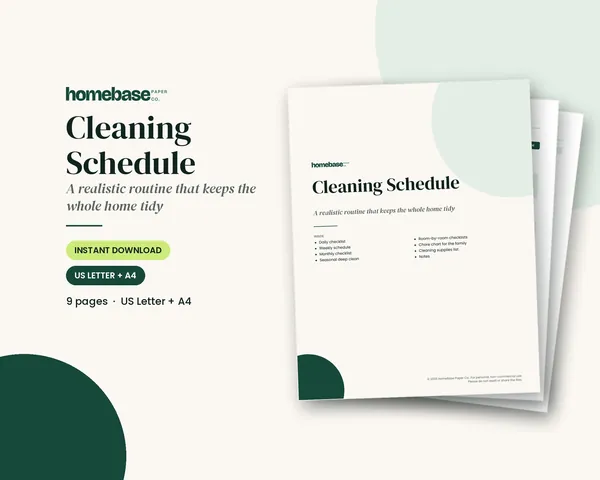
Cleaning Schedule
Daily, weekly, monthly and seasonal lists - plus a family chore chart.
Printables
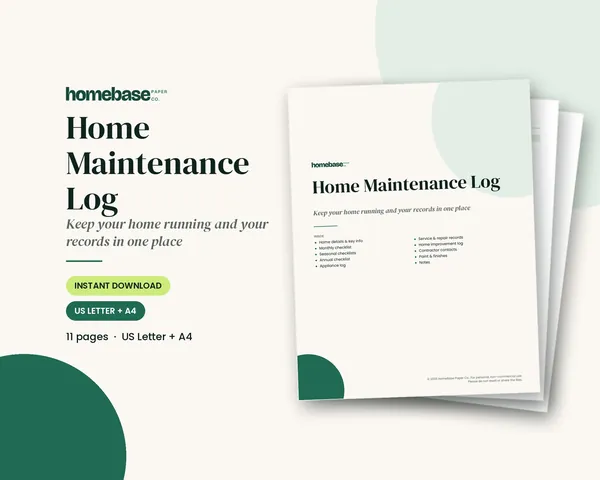
Home Maintenance Log
Monthly, seasonal and annual checklists plus a record of every appliance and repair.
 Save 48%
Bundles
Home Management Bundle
Household binder, maintenance log, moving planner, cleaning schedule, home inventory and password log.
Below are the daily, weekly and deep-clean steps, a stone-by-stone chart and fixes for common stains.
Counters stay nice when cleaning is a habit. Our Cleaning Schedule Printable ($4.49) puts the daily wipe-down and the weekly deep clean on one plan.
The full routine: 3 levels of stone countertop cleaning
Daily (2 minutes)
- Clear the counter and sweep crumbs into your hand or a bowl.
- Wipe with warm water and a few drops of mild dish soap.
- Rinse with a clean damp cloth so no soap film is left behind.
- Dry with a microfiber cloth to prevent streaks and water spots.
Weekly (10 minutes)
- Move small appliances and wipe underneath.
- Use a cleaner labeled safe for your stone.
- Scrape dried food with a plastic scraper, never metal.
- Wipe the backsplash and the front edge where hands touch.
Yearly (or as needed)
- Do the water drop test to check the sealer on natural stone.
- Reseal granite or marble if water soaks in.
- Treat stains with a poultice.
- Call a stone professional for deep etching, chips or cracks.
Stone countertop cleaning chart
| Stone | Daily clean | Seal? | Never use |
|---|---|---|---|
| Granite | Warm soapy water, dry | Every 1 to 3 years | Vinegar, bleach, abrasives |
| Quartz (engineered) | Warm soapy water | No | Oven cleaner, high heat, harsh solvents |
| Marble | pH-neutral soap or marble cleaner | Every 1 to 2 years | Any acid, including lemon and wine left sitting |
| Quartzite | Warm soapy water | Depends on the slab | Acids and abrasives |
| Soapstone | Warm soapy water | No, mineral oil optional | Sharp metal scrapers |
| Limestone and travertine | pH-neutral stone cleaner | Yes, often | Vinegar, citrus, bleach |
Not sure what stone you have? Check your installer's paperwork or your home records. A Home Maintenance Log ($5.99) is a good place to keep the stone type, sealer brand and the date you last sealed.
The mistakes people forget
- Using vinegar or "natural" citrus sprays. Acid etches marble and wears down sealer.
- Leaving it wet. Drying is what prevents water spots and streaks.
- All-purpose spray every day. Many contain chemicals that dull stone over time.
- Hot pans on quartz. The resin can scorch or discolor. Use a trivet.
- Cutting directly on the counter. It dulls knives and can scratch softer stone.
- Ignoring the sealer. A quick water test once a year saves you from deep stains.
- Mixing products. Never combine cleaners. Washington State's Department of Health warns about the dangers of mixing bleach with cleaners, including ammonia and acids. The CDC's ammonia fact sheet gives the same warning: do not mix household cleaners.
How to remove common stains from stone countertops
- Oil and grease: spread a paste of baking soda and water, cover with plastic wrap, wait 24 hours and rinse.
- Coffee, tea and wine: blot fast, then use a stone-safe poultice made for your stone type.
- Hard water spots: wash with warm soapy water and buff dry with microfiber.
- Sticky residue: soften with warm soapy water and lift with a plastic scraper. See how to remove sticky residue for more, and skip the vinegar method on stone.
- Etch marks on marble: these are surface damage, not stains. Light etching may polish out with a marble polishing product, and deep etching needs a professional.
How to do the water drop test
- Pour a few drops of water on the counter in a spot you use often, like near the sink.
- Wait about 10 to 15 minutes.
- If the water beads up, the sealer is working.
- If the stone darkens under the water, it's time to reseal.
- Write the test date in your home log so you know when to check again.
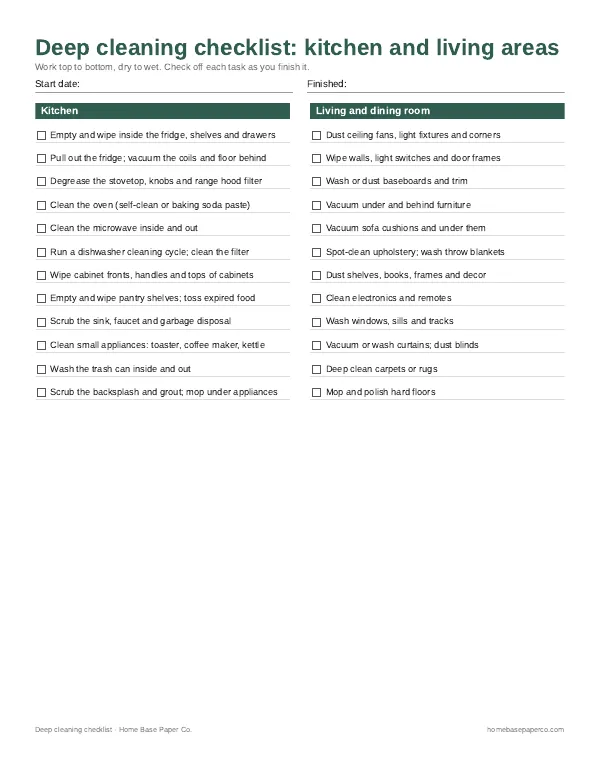
For the rest of the kitchen, follow our kitchen cleaning checklist, and for appliances, see how to clean stainless steel.
Turn counter care into a simple routine
A clean kitchen is mostly small habits done on a schedule:
- Wipe and dry counters every night after dinner.
- Pick a weekly reset day for the deeper clean and the backsplash.
- Set a yearly reminder for the seal test, along with other home maintenance.
- Keep a small kit under the sink: mild dish soap, two microfiber cloths, a plastic scraper and a stone-safe cleaner.
Printables for a calmer kitchen
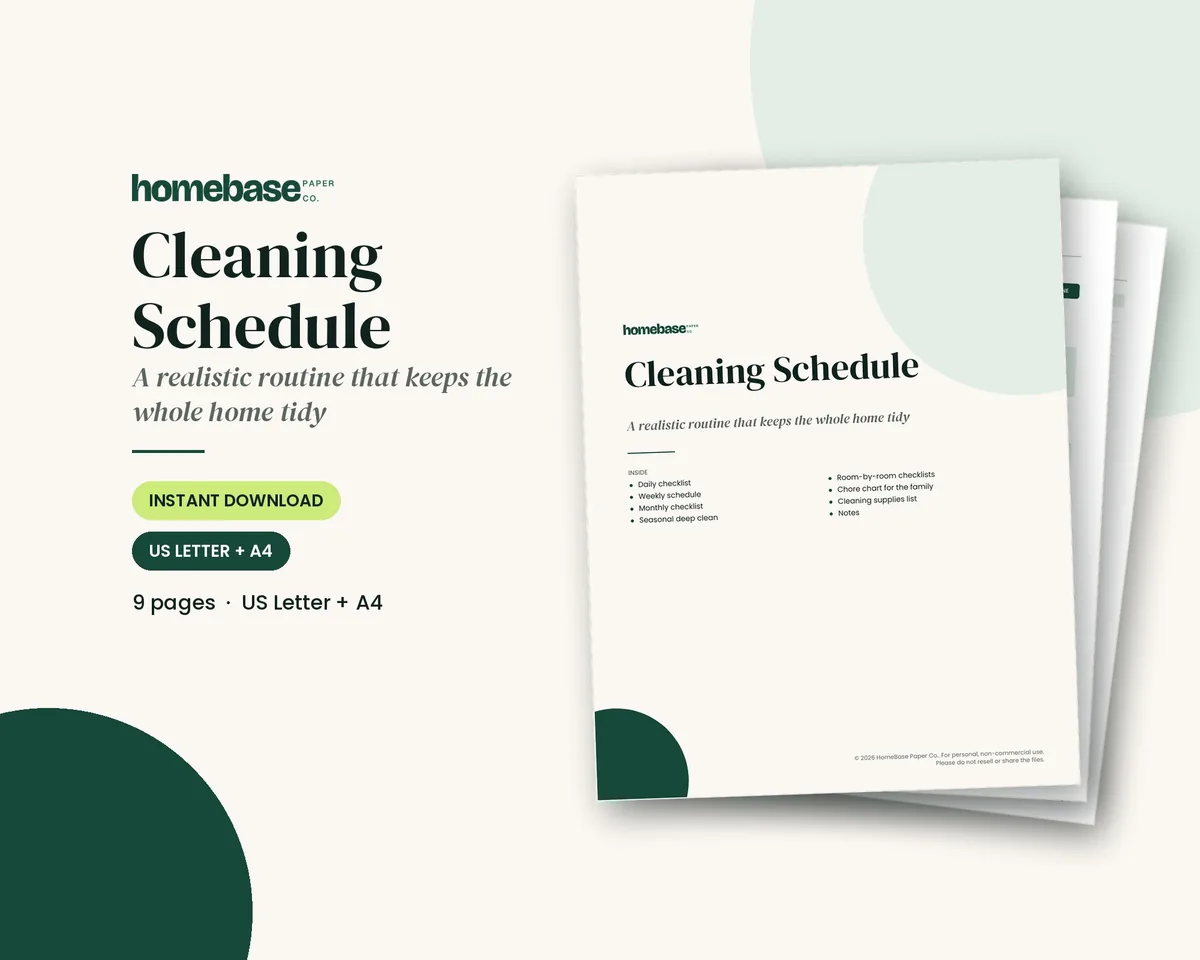
- Cleaning Schedule Printable, $4.49. Daily, weekly and monthly chores on one plan, including the kitchen.
- Home Maintenance Log, $5.99. Record the stone type, sealing dates, appliance details and repairs.
- Home Management Bundle, $16.99 (regularly $32.94 for the six items bought separately). The cleaning schedule and maintenance log plus a household binder, home inventory, password log and moving planner.
Browse all our Printables.
A cleaning schedule you can actually keep
Daily, weekly, monthly and seasonal lists - plus a family chore chart.
$4.49 · Instant download. Print at home or fill it in on screen. Or browse the full Home & Organizing collection.
Frequently asked questions
What is the best way to clean stone countertops? The best way to clean stone countertops is warm water with a few drops of mild, pH-neutral dish soap on a soft microfiber cloth. Wipe the surface, rinse with a clean damp cloth, then dry it to prevent streaks and water spots. Do this daily. Avoid vinegar, lemon, bleach, ammonia and abrasive powders on natural stone, because acids and harsh chemicals can etch or dull the finish and wear down the sealer.
Can I use vinegar on stone countertops? No, you shouldn't use vinegar on natural stone countertops. Vinegar is acidic and can etch marble, limestone and travertine, and it can wear down the sealer on granite over time. Quartz handles a mild vinegar solution better, but most makers still recommend plain soap and water. Save vinegar for glass and ceramic tile.
How do I clean granite countertops? Wipe granite daily with warm water and a drop of mild dish soap, rinse and dry with a microfiber cloth. Once a week, use a cleaner labeled safe for granite. Wipe spills quickly, especially oil, wine and coffee. Check the sealer about once a year with the water drop test and reseal if water soaks in.
How do I clean quartz countertops? Quartz is engineered stone with resin, so it doesn't need sealing. Clean it with warm soapy water and a soft cloth, and use a plastic scraper for dried-on food. Avoid high heat, so always use trivets under hot pans, and skip harsh chemicals like oven cleaner and bleach that can discolor the resin.
How do I clean marble countertops? Marble is soft and very sensitive to acid. Use only warm water with a pH-neutral soap or a cleaner made for marble, and dry it after cleaning. Wipe spills like lemon juice, wine, tomato sauce and coffee right away, and use coasters under glasses. Etch marks may need a professional to polish out.
What should you never use on stone countertops? Never use vinegar, lemon juice, bleach, ammonia, abrasive powders, scouring pads, steel wool or oven cleaner on natural stone. Avoid all-purpose cleaners unless the label says they're safe for stone. Never mix cleaning products, since some combinations release toxic gases.
How do I disinfect stone countertops? For everyday kitchen cleaning, soap and water removes most germs. If you need to disinfect, for example after raw meat, use a product labeled safe for stone, or wipe with 70% isopropyl alcohol diluted with water, let it sit briefly, then rinse and dry. Avoid bleach on natural stone.
How do I remove stains from granite? For oil stains, make a paste of baking soda and water, spread it over the stain, cover with plastic wrap and leave it for 24 hours, then rinse. For water-based stains like coffee, a stone-safe poultice made for granite works the same way. Repeat if needed, and reseal the area after it dries.
How often should stone countertops be sealed? Many granite and marble counters need sealing every one to three years, depending on the stone and how much you cook. Test by putting a few drops of water on the surface. If it darkens the stone within a few minutes, it's time to reseal. Quartz and most quartzite in good condition need less or none.
Can I use Clorox wipes on granite or quartz? Disinfecting wipes with bleach or harsh chemicals can dull natural stone and wear down the sealer with regular use. On quartz, frequent use may discolor the resin. Use a stone-safe cleaner for daily wiping and save disinfectants for when you truly need them, rinsing afterward.
How do I clean soapstone countertops? Soapstone is non-porous and chemical resistant, so warm soapy water is all it needs. Many owners apply mineral oil every few weeks at first to even out the darkening. Light scratches can be sanded out with fine sandpaper, then re-oiled.
How do I get water spots off stone countertops? Water spots usually come from hard water drying on the surface. Wipe with warm soapy water, rinse, then buff dry with a microfiber cloth. Dry the counter after every cleaning, and keep a towel by the sink to prevent new spots.
What is the daily routine for stone countertops? Clear the counter, wipe crumbs, wash with warm soapy water, rinse and dry. It takes about two minutes. Add a weekly stone-safe cleaner and a yearly seal check, and your counters will look new for years.
Free printable
Clean the whole house in order: get the free deep cleaning checklist
A printable room-by-room deep cleaning checklist that tells you what to do first, so nothing gets cleaned twice. You'll also get our weekly HomeBase email with simple cleaning routines and chore ideas the whole family can help with.