

The short answer: ketosis is a normal metabolic state in which your body burns fat instead of glucose (sugar) for fuel, and your liver makes ketones as a backup energy source. On 20 to 50 grams of carbohydrates a day, most people get there in 2 to 4 days, though it can take a week or longer.
- Key numbers: under 50 g of carbs a day to reach and stay in ketosis (about 3 slices of bread or 1 cup of pasta) · usually 2 to 4 days to get in · it happens naturally during sleep, fasting and exercise too
- Ketosis vs. ketoacidosis: ketosis raises ketones without making your blood acidic. Ketoacidosis (most often diabetic ketoacidosis, or DKA) makes the blood acidic and is a medical emergency.
- Talk to your doctor first if you have diabetes, are pregnant or breastfeeding, or take daily medicine
- Free and paid next step: get the free calorie tracker (we email it to you) to log carbs for a week, or plan your meals with the Meal Planner & Grocery List ($3.99).
Facts checked November 12, 2026 against Cleveland Clinic, MedlinePlus (National Library of Medicine) and the CDC. This is general information, not medical advice. Below: what ketosis is, how long it takes, how many carbs, the signs, how to check ketones, ketosis vs. ketoacidosis, who should ask a doctor first, and how to plan meals and groceries for it.
Ketosis at a glance
| Question | Quick answer |
|---|---|
| What is ketosis? | Your body uses fat as its main fuel, and the liver turns fat into ketones |
| How many carbs? | Under 50 grams a day to enter and stay in ketosis |
| How long to get in? | Usually 2 to 4 days at 20 to 50 g of carbs a day; sometimes a week or more |
| Common signs | "Keto breath," upset stomach, headache, tiredness, constipation, trouble sleeping |
| How to check | Blood ketone meter, urine strips; breath meters aren't proven reliable yet |
| Is it the same as ketoacidosis? | No. Ketoacidosis makes the blood acidic and needs emergency care |
| Who should ask a doctor first? | Anyone with diabetes, a chronic condition or daily medicine, and anyone pregnant or breastfeeding |
What is ketosis?
Your body's everyday fuel is glucose, which mostly comes from the carbohydrates you eat, like bread, rice, fruit and starchy vegetables. Your liver stores extra glucose and releases it when you need it.
According to Cleveland Clinic's overview of ketosis, when you eat very few carbs, those glucose stores drain down. Your body then burns fat instead, and breaking down that fat produces compounds called ketones (or ketone bodies). Ketones become a main energy source for your body and brain. As glucose drops, insulin drops too, and your liver ramps up ketone production. That's why your blood has more ketones during ketosis.
Ketosis isn't only a diet thing. Cleveland Clinic's page on ketones says it's a normal process, and your body can make more ketones:
- while you're asleep
- while you're fasting
- while you're exercising
- when you're on a keto diet
The difference with a ketogenic diet is that you cut carbs on purpose so ketosis keeps going. If you want the eating plan itself, our keto diet plan has a 14-day menu with macros, shopping lists and costs.
What is the ketosis diet?
When people say "ketosis diet," they almost always mean the keto (ketogenic) diet: high in fat, moderate in protein and very low in carbs. Cleveland Clinic describes the standard version as 70% to 80% fat, 10% to 20% protein and 5% to 10% carbohydrates. Bread, cereal and other grains are cut, and fruit and starchy vegetables are cut way back. Fat comes from meat and fish, eggs, nuts and seeds, butter and cream, cheese, and oils like olive and canola.
How long does it take to get into ketosis?
Cleveland Clinic says that if you eat 20 to 50 grams of carbohydrates a day, it usually takes 2 to 4 days to enter ketosis. For some people it takes a week or longer, because the body has to use up its stored glucose first.
| Your starting point | What to expect |
|---|---|
| Typical higher-carb diet, then 20 to 50 g of carbs a day | Usually 2 to 4 days |
| Already eating fairly low-carb | Often faster, since there's less stored glucose to use up |
| Higher carbs, more stress, short sleep | Can take a week or longer |
| Overnight sleep or a long gap between meals | Your body may make some ketones on its own |
Cleveland Clinic lists the factors that change your timeline:
- Age
- Carbohydrate, fat and protein intake
- Physical activity level
- Metabolism
- Sleep health
- Stress level
Fasting tip: Cleveland Clinic notes that intermittent fasting, most commonly eating within 8 hours and fasting for the other 16, may help you get into ketosis faster. Skipping meals isn't safe for everyone, especially if you take insulin or other diabetes medicine, so ask your doctor before you combine fasting with a very low-carb diet.
How many carbs keep you in ketosis?
Cleveland Clinic puts the line at under 50 grams of carbohydrates a day to enter and stay in ketosis. To picture that, 50 grams is about:
- 3 slices of bread, or
- 2 bananas, or
- 1 cup of pasta
That's the whole day, not one meal. Cleveland Clinic's 2-to-4-day estimate assumes 20 to 50 grams, and remember that vegetables, nuts and dairy all carry some carbs too.
How to count it: read the "Total Carbohydrate" line on Nutrition Facts labels and multiply by the servings you actually eat. Writing it down as you go is what keeps the number honest. Our keto diet recipes and low carb meals list meals that fit, and low carb snacks covers in-between bites.
Signs of ketosis
No single feeling proves you're in ketosis, and not everyone notices anything. The side effects Cleveland Clinic lists for ketosis include:
- "Keto flu": upset stomach, headache and fatigue, usually in the first stretch
- Bad breath ("keto breath"): Cleveland Clinic notes fruity-smelling breath is sometimes called keto breath
- Constipation: cutting grains, fruit and starchy vegetables lowers fiber
- Insomnia: trouble falling or staying asleep
- Dehydration: keep water handy through the day
Over time, Cleveland Clinic also lists low bone density, high cholesterol and kidney stones among the possible side effects of ketosis. That's one reason to keep your doctor in the loop if you plan to stay on a ketogenic diet for months.
Important: fruity breath, extreme thirst and peeing a lot are also early signs of diabetic ketoacidosis. If you have diabetes, or those symptoms come with nausea, vomiting, belly pain, confusion or trouble breathing, read the ketoacidosis section below and get medical help.
For tips on handling the first week of keto, see the side-effects section of our keto diet plan.
How to check if you're in ketosis
Signs are only clues. Testing your ketones is the only way to know. Cleveland Clinic describes three home options:
| Test | How it works | What to know |
|---|---|---|
| Blood ketone meter | Finger prick, drop of blood on a strip, meter shows your current level | Shows your level right now. Some glucose meters check ketones too |
| Urine strips | Dip a strip in urine and match the color to the chart | Shows what your levels were over the last few hours, not right now |
| Breath meter | Handheld device that detects acetone, one type of ketone | Still new and not yet proven reliable. People at risk of DKA should never rely on one |
What do blood ketone numbers mean?
This chart is from Cleveland Clinic, and it's written as DKA risk guidance for people with diabetes, not as a keto-diet target chart:
| Blood ketone level | Cleveland Clinic's guidance (for DKA risk) |
|---|---|
| Less than 0.6 mmol/L | Normal. No action needed |
| 0.6 to 1.5 mmol/L | Low to moderate risk of DKA. Contact your healthcare provider for advice |
| 1.6 to 2.9 mmol/L | High risk of DKA. Visit the ER |
| More than 3.0 mmol/L | Very high risk of DKA. Visit the ER |
Cleveland Clinic adds that what counts as normal or high can vary from person to person. The "ideal keto ranges" printed on meter boxes and fitness sites don't come from these medical sources, so if you have diabetes or another health condition, ask your doctor which number should prompt a call.
Ketosis vs. ketoacidosis
MedlinePlus, from the National Library of Medicine, explains that people on a keto diet have blood ketones that are higher than usual but not high enough to be ketoacidosis. Ketosis doesn't make your blood too acidic because your body uses the ketones, so they don't build up. Ketoacidosis happens when ketones build up so much that the blood becomes too acidic.
| Ketosis | Ketoacidosis (most often DKA) | |
|---|---|---|
| What happens | Ketones rise, but your blood doesn't turn acidic | So many ketones build up that your blood becomes acidic |
| Common causes | Very low-carb eating, fasting, sleep, exercise | DKA: not enough insulin plus high blood sugar. Other types: alcohol use disorder, starvation, long-lasting vomiting or diarrhea |
| Who gets it | Anyone who eats very few carbs or fasts | DKA is most common with type 1 diabetes but can happen with type 2, and it's sometimes the first sign of undiagnosed diabetes |
| How serious | Cleveland Clinic says ketosis isn't harmful, though it can cause side effects | Life-threatening. A medical emergency |
| What to do | Ask your provider before starting a keto diet | Call 911 or go to the emergency room |
MedlinePlus also notes that it's possible to develop ketoacidosis on a keto diet, which is why it says to talk with your provider about whether keto is safe for you.
Warning signs of diabetic ketoacidosis
The CDC's diabetic ketoacidosis page says DKA usually starts slowly with being very thirsty and urinating a lot more than usual. If it isn't treated, more severe symptoms can appear quickly: fast, deep breathing; dry skin and mouth; a flushed face; fruity-smelling breath; headache; muscle stiffness or aches; being very tired; nausea and vomiting; and stomach pain.
The CDC says to go to the emergency room or call 911 right away if:
- your blood sugar stays at 300 mg/dL or above
- your breath smells fruity
- you're vomiting and can't keep food or drinks down
- you're having trouble breathing
- you have multiple signs and symptoms of DKA
Talk to your doctor before trying ketosis if...
Cleveland Clinic says you should always speak with a healthcare provider before trying the keto diet, because it causes major changes to your body and isn't for everyone. Please don't skip that conversation if you:
- Have diabetes, type 1 or type 2. DKA is most common with type 1, and cutting carbs changes how much medicine you may need. Never change insulin or other diabetes medicine on your own.
- Take daily medicine. The CDC lists certain medicines, such as some diuretics (water pills) and corticosteroids, among the causes of DKA. Your doctor or pharmacist can tell you whether yours matters.
- Are pregnant, breastfeeding or planning a pregnancy. Cleveland Clinic says people with diabetes may need extra care with insulin and ketones during pregnancy. Ask before making a big diet change.
- Have kidney, liver or heart disease, high cholesterol or a history of kidney stones, since Cleveland Clinic lists kidney stones and high cholesterol among possible side effects.
- Have a history of an eating disorder, or drink heavily. MedlinePlus lists eating disorders, starvation and alcohol use disorder as ketoacidosis risks.
- Are planning meals for a child or teen. Kids' needs are different, so a pediatrician should weigh in.
Ketosis doesn't diagnose, treat or cure anything on its own. It's a metabolic state, and whether it fits your health is a question for your doctor.
How to plan meals for ketosis (a simple weekly system)
Once your doctor says it's okay, the hard part is knowing what's for dinner on a tired Wednesday. A written plan fixes that.
- Pick your daily carb limit with your doctor, at or under 50 grams.
- Choose 3 breakfasts, 3 lunches and 4 dinners you'll repeat. Pull ideas from keto breakfast, keto diet recipes and keto chili.
- Write the week on paper, with each meal's carbs next to it, and check that every day stays under your limit.
- Build in vegetables every day. Leafy greens, broccoli, cauliflower, zucchini and green beans add fiber, which helps with the constipation Cleveland Clinic lists as a side effect.
- Plan snacks so hunger doesn't push you toward chips or crackers. See low carb snacks and high protein foods.
- Make one grocery list from the plan, sorted by store section, and shop once.
- Log what you actually ate for the first week. That's how you find the hidden carbs in sauces, coffee drinks and "just a few" crackers.
| Meal | Low-carb building blocks |
|---|---|
| Breakfast | Eggs, cheese, plain Greek yogurt with a few berries, sausage, spinach |
| Lunch | Big salads with chicken or tuna, lettuce-wrap burgers, leftover dinner |
| Dinner | Chicken thighs, ground beef, salmon or pork with two nonstarchy vegetables |
| Snacks | Cheese sticks, hard-boiled eggs, nuts, celery with peanut butter, olives |
| Cooking fats | Olive oil, canola oil, butter |
Ketosis on a grocery budget
Keto has a reputation for being pricey, but most of the cost comes from specialty products, not plain food. When we priced our 14-day keto diet plan on November 5, 2026, it came to about $7 a day for one person.
- Money-saving tip: build meals around eggs, chicken thighs, ground beef and frozen vegetables instead of keto-labeled bars, breads and snacks.
- Price book tip: track what you pay for your keto staples in a grocery price book so you know a real sale when you see one.
- Shopping tip: follow the habits in how to grocery shop on a budget and use a grocery list template so you only buy what's on the plan.
- Planning tip: our meal planning on a budget system works for keto too. Plan, shop once, cook double and eat leftovers.
If you're feeding a household where not everyone eats keto, serve the same protein and vegetables to everyone and add rice, potatoes or bread on the side for those who want it. Our cheap meal ideas and average grocery cost per month guides can help you set the overall food budget.
Plan your ketosis week and print your list
A plan on paper makes the carb math easy. The Meal Planner & Grocery List ($3.99) gives you a weekly menu page, a grocery list grouped by store section, and pantry and freezer inventories, so you can write each day's meals and carbs on one page and shop once. It's part of our Printables line.
Save the low-carb dinners you like in the Family Recipe Binder ($6.99). Want both? The Family Life Admin Bundle is $15.99 ($23.95 bought separately); see all Bundles.
Not ready to buy? Get the free calorie tracker (we email it to you), and jot each food's carbs next to it for a week.
More ways to eat well: healthy eating, diet plans, how to meal plan and our low carb and keto collection.
Make it easier
Tools for this
 Starter pick
Printables
Meal Planner & Grocery List
Weekly meals, a grocery list sorted by aisle, and pantry and freezer inventories so you shop once and waste less.
Printables
Family Recipe Binder
Section dividers, four recipe page layouts with room for the family story, 4x6 and 3x5 cards and a conversion chart - print it or type into the fillable version.
 Save 33%
Bundles
Family Life Admin Bundle
Baby logs, chore charts, pet records, meal plans and family recipes in one tidy set.
Frequently asked questions
What is ketosis? Ketosis is a metabolic state in which your body burns fat instead of glucose for fuel. When carbs run low, your liver breaks down fat into ketones, which become a main energy source for your body and brain, according to Cleveland Clinic. It also happens naturally during sleep, fasting and exercise.
How long does it take to get into ketosis? Most people get into ketosis in 2 to 4 days. Cleveland Clinic says that is typical when you eat 20 to 50 grams of carbohydrates a day, but it can take a week or longer depending on your age, activity, metabolism, sleep, stress and how many carbs you ate before.
How many carbs can I eat and stay in ketosis? Stay under 50 grams of carbohydrates a day. Cleveland Clinic says that is the limit to enter and stay in ketosis, about 3 slices of bread, 2 bananas or 1 cup of pasta for the whole day. Ask your doctor what limit is right for you.
What are the signs of ketosis? Common signs are bad breath, headache, tiredness and an upset stomach. Cleveland Clinic lists keto flu (upset stomach, headache, fatigue), keto breath, constipation, insomnia and dehydration among the side effects of ketosis. Not everyone notices symptoms, so signs alone don't prove you're in ketosis.
How do I know for sure if I'm in ketosis? Testing your ketones is the only way to know. Cleveland Clinic describes blood ketone meters (your level right now), urine strips (your level over the last few hours) and breath meters, which it says are still new and not yet proven reliable.
What is the difference between ketosis and ketoacidosis? Ketosis raises ketones without making your blood acidic; ketoacidosis makes it acidic. MedlinePlus explains that keto dieters have higher ketones that aren't high enough to be ketoacidosis. Ketoacidosis, most often diabetic ketoacidosis (DKA), is a life-threatening medical emergency.
Is ketosis safe? Ketosis on its own isn't harmful, according to Cleveland Clinic, but a keto diet can cause side effects. Cleveland Clinic lists constipation, dehydration, high cholesterol, low bone density and kidney stones, and MedlinePlus notes it's possible to develop ketoacidosis on a keto diet. Talk with your doctor before you start.
Can people with diabetes try to get into ketosis? Only with their doctor's guidance. The CDC says DKA is most common with type 1 diabetes and can also happen with type 2. Cutting carbs can change how much insulin or other medicine you need, so never adjust diabetes medicine on your own.
What are the warning signs of diabetic ketoacidosis? Early signs are being very thirsty and urinating a lot more than usual. The CDC says to call 911 or go to the emergency room if your blood sugar stays at 300 mg/dL or above, your breath smells fruity, you're vomiting and can't keep food or drinks down, you're having trouble breathing, or you have several DKA symptoms.
Does intermittent fasting help you get into ketosis faster? It may. Cleveland Clinic says intermittent fasting, most commonly eating within 8 hours and fasting for 16, may help you get into ketosis faster. Fasting isn't safe for everyone, especially people who take insulin or other diabetes medicine, so check with your doctor first.
What foods help you get into ketosis? Foods high in fat and very low in carbs help you get into ketosis. Cleveland Clinic lists meats and fish, eggs, nuts and seeds, butter and cream, cheese, and oils like olive and canola. Grains, sugar and most fruit are cut, and nonstarchy vegetables fill out the plate.
What printable helps me plan meals for ketosis? The HomeBase Meal Planner & Grocery List is $3.99. It has a weekly menu page, a grocery list grouped by store section, and pantry and freezer inventories, so you can write each day's meals and carbs on one page and shop once.
Is there a free printable to track carbs? Yes. The free HomeBase calorie tracker is a daily food log you fill in by hand, and you can jot each food's carbs next to it. Request it on the calorie tracker download page and we email it to you.
Where can I save keto recipes I like? The HomeBase Family Recipe Binder is $6.99 and has section dividers, recipe cards and a fillable type-in version, so your favorite low-carb dinners are easy to repeat.
What is the best-value bundle for meal planning? The HomeBase Family Life Admin Bundle is $15.99 instead of $23.95 bought separately. It includes the Meal Planner & Grocery List and the Family Recipe Binder, plus a kids chore chart, a newborn baby tracker and pet health records.
More from HomeBase
You may also like

Printables
Household Binder
Family info, emergency plan, calendars, meals, groceries, cleaning, bills and sitter notes.
Printables
Cleaning Schedule
Daily, weekly, monthly and seasonal lists - plus a family chore chart.
Printables
Home Maintenance Log
Monthly, seasonal and annual checklists plus a record of every appliance and repair.
Printables
Home Inventory
Printable pages and a spreadsheet that totals the value of every room.
 Club
Monthly club
Planner & Calendar Club
Anyone who wants a monthly calendar, bill calendar and meal plan ready to print.
Free printable
Save the family favorites: get the free recipe book pages
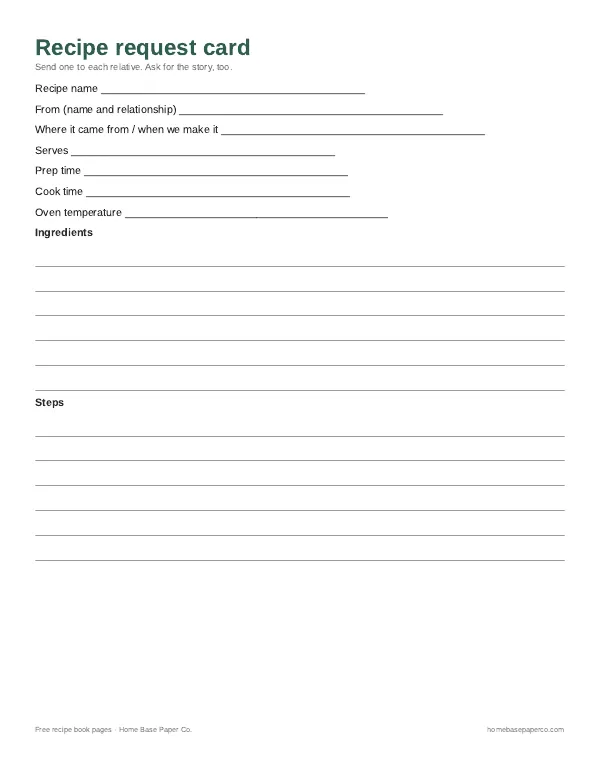
Printable recipe pages and a recipe request card to send to relatives, so the dishes everyone loves end up in one book. You'll also get our weekly HomeBase email with easy meal planning ideas and family recipe tips.
Sources
- Ketosis: Definition, Benefits & Side Effects (Cleveland Clinic) my.clevelandclinic.org
- Ketones: What They Are, Function, Tests & Normal Levels (Cleveland Clinic) my.clevelandclinic.org
- Ketones in Blood (MedlinePlus, National Library of Medicine) medlineplus.gov
- Diabetic Ketoacidosis (Centers for Disease Control and Prevention) cdc.gov