

The short answer: grocery shopping on a budget is mostly about what happens before you get to the store: a number, a plan and a list. The big savings come from buying only what you'll eat.
- Set a weekly grocery number
- Shop your pantry, fridge and freezer first, then plan the week's dinners
- At the store: shop from a list sorted by aisle, compare unit prices and buy store brands
- After: use what you buy
- Next step: Plan it with the Meal Planner & Grocery List ($3.99).
Knowing how to grocery shop on a budget is mostly about what happens before you get to the store: a number, a plan and a list. When you're grocery shopping on a budget, the aisle tricks help, but the big savings come from buying only what you'll eat. These 12 habits work for any family size and any store.
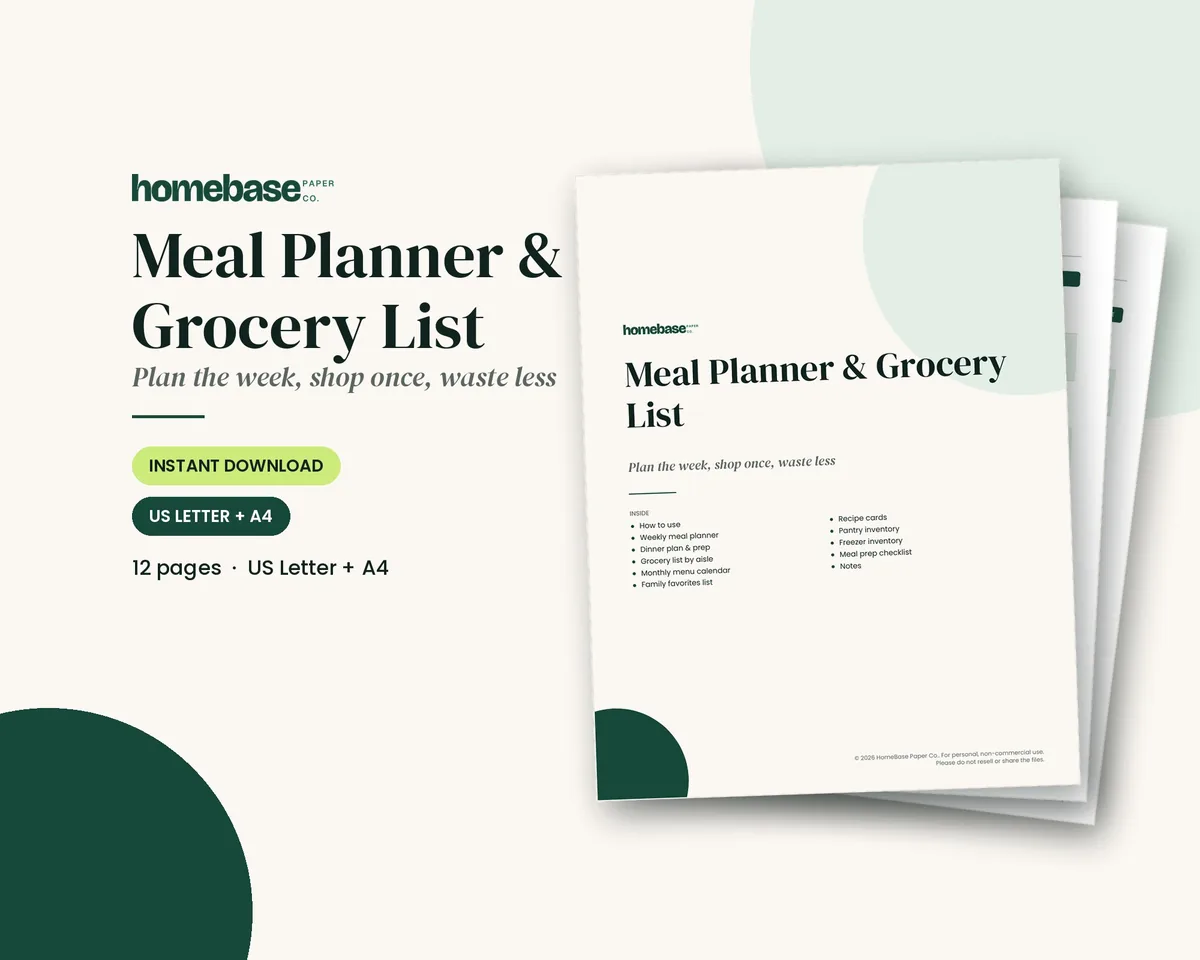
Our Meal Planner & Grocery List printable puts the weekly meal plan, a grocery list sorted by aisle and pantry and freezer inventories on paper, so you shop once and waste less.
Before you shop
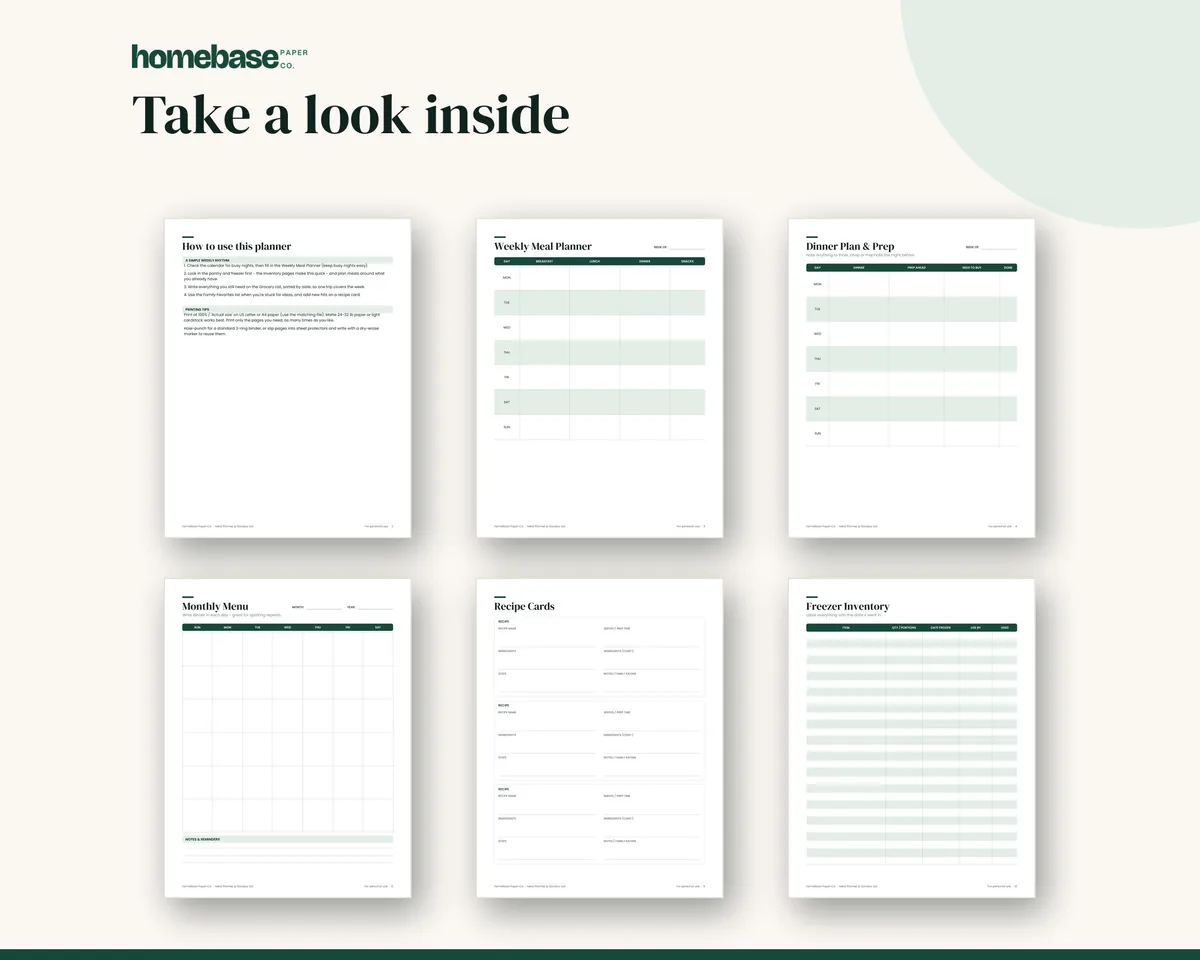
A grocery list template sorted by store section makes the list faster to write and faster to shop.
A cheap shop starts with a plan. Our family meal planning routine takes about 20 minutes a week, and a monthly meal planner lets you map four weeks of dinners around one big shop.
1. Set a weekly number
Pick a realistic grocery number for the week. If you don't know where to start, USDA publishes monthly cost of food reports with four plan levels (Thrifty, Low-Cost, Moderate-Cost and Liberal) and costs for each age and sex group. Add up your household members, then divide the monthly total by about 4.3 for a weekly target. USDA notes that monthly costs are calculated by multiplying weekly costs by 4.333 and that the figures assume all meals and snacks are prepared at home.
Then check your last month of receipts. Your real number is the one to beat.
2. Shop your kitchen first
Before writing anything down, look in the fridge, freezer and pantry. Build at least two dinners from what you already have. This step alone can cut a trip noticeably. Our pantry organization guide shows how to sort shelves into zones so it's easy to see what's there.
3. Plan meals, then write the list
Write down dinners for the week first, then lunches and breakfasts, then the list. The FDA's tips to reduce food waste start right here: preplan and write your shopping list, think about the meals you'll prepare, and check the fridge for what you already have. Then batch-cook with our cheap meal prep ideas, all under $2 a serving.
The Meal Planner & Grocery List ($3.99) puts the plan and the list side by side, with a weekly meal planner, grocery list, monthly menu, family favorites, pantry and freezer inventories and a meal prep checklist.
4. Group the list by store section
Produce, meat, dairy, frozen, pantry, household. A list in store order is a shorter trip, and a shorter trip is fewer impulse buys.
At the store
5. Compare unit prices
The big box isn't always cheaper. Compare the unit price (per ounce, pound or count) on the shelf tag. If you want to track your best prices over time, start a grocery price book.
6. Try store brands on staples
Flour, sugar, rice, oats, canned tomatoes, beans, spices, frozen vegetables and cleaning basics are easy places to switch.
7. Buy produce in season, and frozen when it isn't
Frozen fruits and vegetables are a smart backup: they keep for months and you use only what you need.
8. Watch the categories that move
Prices change unevenly. In its October 2026 Food Price Outlook, USDA forecast food-at-home prices up 2.3% for 2026, with beef and veal forecast up 8.7% while eggs were forecast down 29.3%. When one protein is expensive, swap in another for the week.
9. Stick to the list (with one planned treat)
Leave room for one small treat you choose in advance. It's easier to skip the rest when you know you've already got something.
After you shop
10. Store food so it lasts
Put away groceries right away. FDA recommends keeping the fridge at 40°F or below and the freezer at 0°F, and suggests a designated spot in the fridge for food that needs to be used in the next few days.
11. Use leftovers on purpose
Waste is the hidden grocery bill. USDA's food waste FAQs estimate that food waste in the United States is between 30 and 40 percent of the food supply. Plan one "leftovers night" a week, and cook once to eat twice: roast chicken Sunday, chicken tacos Tuesday.
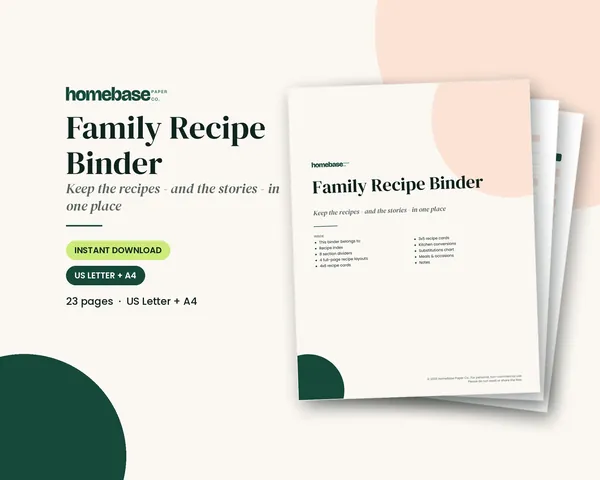
Saving your family's go-to budget meals helps too. The Family Recipe Binder ($6.99) keeps the recipes that work in one place, with a recipe index and cards, so weekly planning gets faster.
12. Track what you spent
Write the receipt total down the day you shop and compare it to your weekly number. The Budget Planner Printable ($5.99) has an expense log and monthly budget page, so groceries sit inside your full plan.
A sample budget grocery week
| Day | Dinner | Uses |
|---|---|---|
| Sunday | Roast chicken, potatoes, carrots | Whole chicken |
| Monday | Bean and cheese quesadillas, salad | Pantry beans |
| Tuesday | Chicken tacos | Sunday's chicken |
| Wednesday | Pasta with tomato sauce and frozen spinach | Pantry and freezer |
| Thursday | Breakfast for dinner: eggs, toast, fruit | Staples |
| Friday | Leftovers night | Whatever's left |
| Saturday | Chili with rice | Beans, ground meat or lentils |
How to save money on groceries: the quick version
If you only remember a few habits, these are the ones that save the most money on groceries week after week:
- Set a weekly grocery number and write it at the top of your list.
- Shop your pantry, fridge and freezer first, then plan meals around what you already have.
- Plan the week's dinners, including one leftovers night.
- Shop from a list sorted by aisle, and stick to it.
- Compare unit prices, not package prices.
- Buy store brands for staples like flour, rice, canned goods and spices.
- Use what you buy. Food you throw away is money spent twice.
The habits above explain each one in more detail, and the sample week shows what a budget menu looks like in practice.
Frozen dinners can fill gaps in a busy week; our frozen meals guide compares 19 healthy picks by protein, fiber and sodium.
Keep going
Ready for bigger savings? See meal planning on a budget for more weekly strategies, how to grocery shop once a month if you'd like fewer trips, and our budgeting for beginners guide to fit groceries into a full plan.
Groceries are one line in the bigger picture; our family budgeting guide shows how the food budget fits with everything else.
Snacks add up fast at the store, so plan them like meals; our healthy snacks list has budget-friendly ideas to put on your list. The same approach works for mornings: our healthy breakfast ideas guide keeps breakfast cheap and filling.
Not sure what a normal grocery bill looks like? Compare yours with the average grocery cost per month by household size.
Want more back from every grocery receipt? See our guide to cash back apps and how to stack them. Once the cart is cheaper, cook from our how to make budget friendly meals playbook. Turn that cheaper cart into budget meals with a per-serving price on every plate. Put those ingredients into lunches with our healthy meal prep ideas.
Make it easier
Tools for this
 Starter pick
Printables
Meal Planner & Grocery List
Weekly meals, a grocery list sorted by aisle, and pantry and freezer inventories so you shop once and waste less.
Printables
Budget Planner Printable
Twelve undated pages you can print every month: budget, bills, spending, savings and debt.
Printables
Family Recipe Binder
Section dividers, four recipe page layouts with room for the family story, 4x6 and 3x5 cards and a conversion chart - print it or type into the fillable version.
Frequently asked questions
How do I grocery shop on a budget? To grocery shop on a budget, set a weekly spending number, plan meals around what you already have, shop from a written list and compare unit prices in the store. The Meal Planner & Grocery List keeps your meal plan, pantry inventory and shopping list on matching pages.
How much should I spend on groceries per week? A good starting point for your grocery budget is USDA's monthly food plans, which show costs at four levels for each age group. Divide the monthly figure by about 4.3 to get a weekly number, then adjust to your real receipts.
What is the cheapest way to buy groceries? The cheapest way to buy groceries is to shop your pantry first, buy store brands, compare unit prices, buy produce in season and stock up only on items at their lowest price. Planning meals before you shop matters more than any coupon.
How do I make a grocery list on a budget? Make a budget grocery list by writing your meals for the week first, checking your pantry and freezer, then listing only what's missing, grouped by store section. A list sorted by aisle keeps you from wandering. The Meal Planner & Grocery List has a weekly meal plan page and a grocery list already grouped by aisle.
How do I stop overspending at the grocery store? Stop overspending at the grocery store by shopping with a list, eating before you go, skipping the aisles you don't need, and paying with a set amount of cash or a tracked card balance.
Is it cheaper to shop once a week or once a month? Neither is always cheaper: once a week makes it easier to buy fresh produce and stay on budget, while once a month saves trips and can cut impulse buys. Many families do one big monthly stock-up plus small weekly produce runs.
Do store brands save money? Yes, store brands usually save money, with a lower unit price than name brands for staples like flour, sugar, rice, canned goods and spices. Try them on the items where your family won't notice the difference.
How do I reduce food waste to save money? Reduce food waste by planning meals before you shop, checking your fridge first, storing food at the right temperature and using leftovers on purpose. FDA recommends keeping the fridge at 40°F or below and the freezer at 0°F.
What foods are cheapest to buy? Budget staples include rice, dried beans, lentils, oats, pasta, potatoes, eggs, frozen vegetables, bananas, carrots, cabbage and whole chickens. Exact prices vary by store and season, so check unit prices.
How can I feed a family of four on a budget? To feed a family of four on a budget, plan seven dinners around cheap proteins, cook once and eat twice, pack lunches from leftovers and keep a running pantry list. Track spending weekly so you can adjust before the month runs out.
Should I use coupons and cashback apps? Yes, use coupons and cashback apps, but only on items already on your list. A deal on something you didn't plan to buy isn't savings. Plan the list first, for example on the grocery list page of the Meal Planner & Grocery List, then check for coupons on what's already there.
How do I track my grocery spending? Track grocery spending by writing each receipt total in an expense log and comparing it to your weekly number. The Budget Planner Printable includes an expense log and monthly budget page for this.
How can I save money on groceries? The biggest grocery savings come from planning: set a weekly budget, check what you already have, plan dinners around it, shop from a list sorted by aisle, compare unit prices, choose store brands for staples and use up leftovers. Doing these every week usually saves more than chasing individual coupons or deals.
More from HomeBase
You may also like
 Thanksgiving Edition
Printables
Meal Planner & Grocery List: Thanksgiving Edition
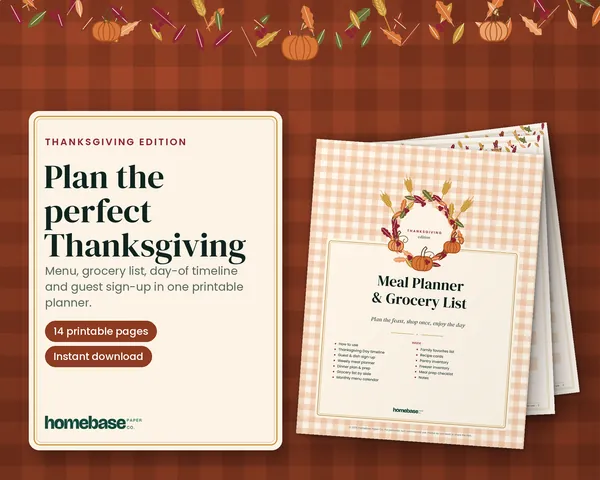
Plan the perfect Thanksgiving: our meal planner in a warm harvest design, with a Thanksgiving Day timeline, a guest & dish sign-up, an aisle-sorted grocery list and pantry and freezer trackers.
Printables
Household Binder
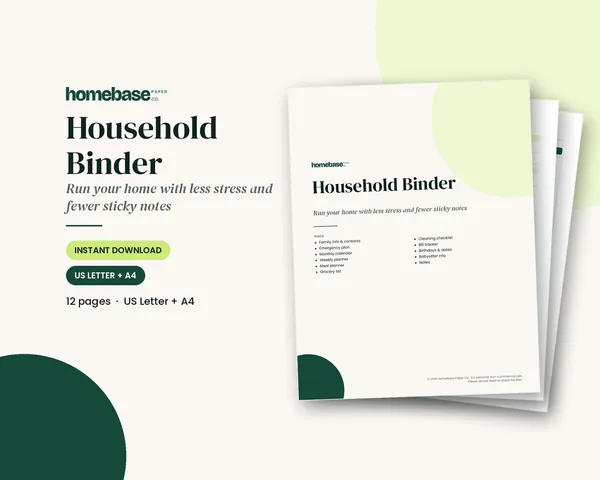
Family info, emergency plan, calendars, meals, groceries, cleaning, bills and sitter notes.
 Starter pick
Printables
Kids Chore Chart
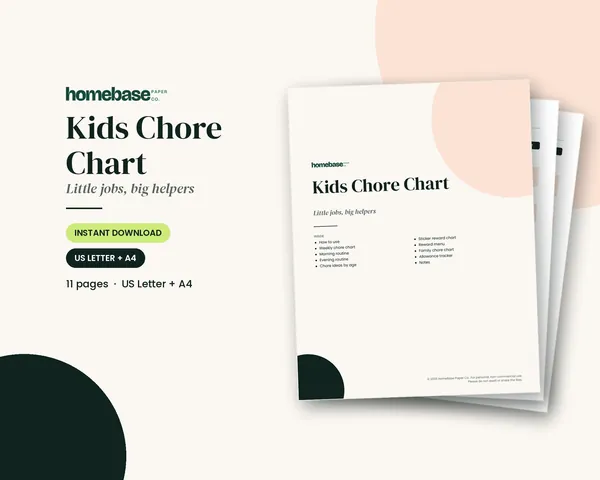
Weekly chore chart, morning and evening routines, chore ideas by age, a sticker reward chart and an allowance tracker.
 Save 38%
Bundles
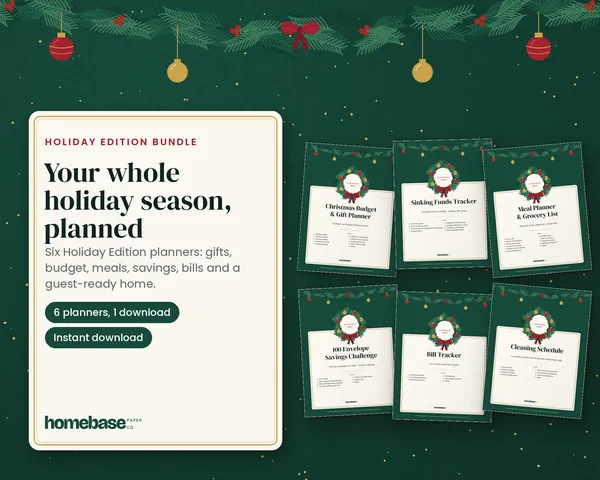
Holiday Season Bundle
Plan Christmas, save for it all year, and host without the January money hangover.
 Club
Monthly club
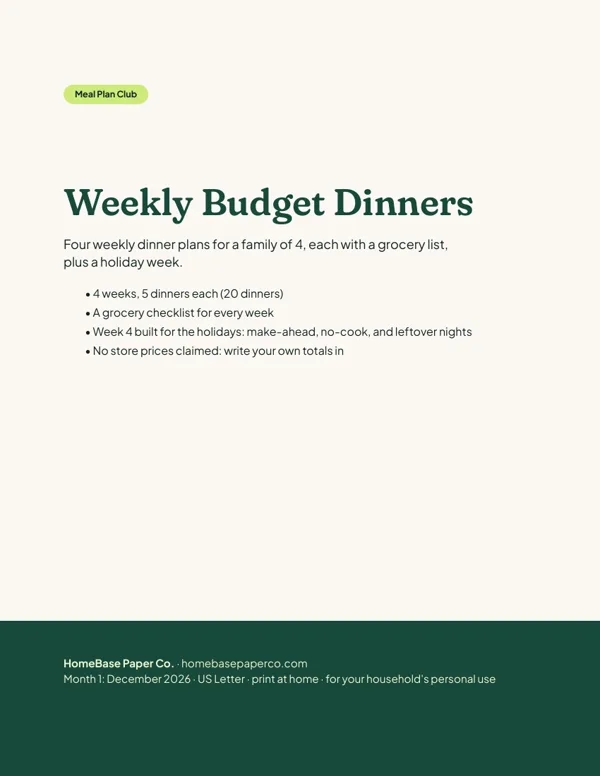
Meal Plan Club
Families who want dinner planned and a grocery list ready every week.
Free printable
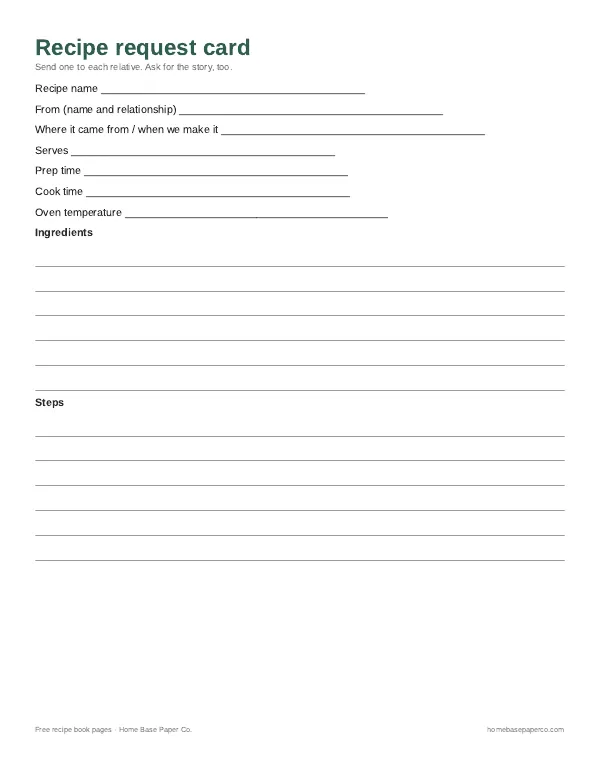
Save the family favorites: get the free recipe book pages
Printable recipe pages and a recipe request card to send to relatives, so the dishes everyone loves end up in one book. You'll also get our weekly HomeBase email with easy meal planning ideas and family recipe tips.
Sources
- USDA Food Plans: Monthly Cost of Food Reports (USDA Food and Nutrition Service) fna.usda.gov
- Tips to Reduce Food Waste (U.S. Food and Drug Administration) fda.gov
- Food Price Outlook: Summary Findings (USDA Economic Research Service) ers.usda.gov
- Food Waste FAQs (U.S. Department of Agriculture) usda.gov