The short answer: good pantry organization comes down to four moves: take everything out, toss what's expired or damaged, group what's left into zones that match how you cook, and put daily items at eye level.
- Measure every shelf before you buy bins
- Decide what to decant and what to leave in the box
- Add labels and a pantry inventory with par levels
- 10-minute weekly reset keeps it that way
- Next step: Plan it with the Meal Planner & Grocery List ($3.99).
Good pantry organization comes down to four moves: take everything out, get rid of what's expired or damaged, group what's left into zones that match how you actually cook, and put the things you reach for daily at eye level. Then add labels and a simple pantry inventory so you restock on purpose instead of guessing. You don't need matching jars or a walk-in closet. A single cabinet organized this way works better than a beautiful pantry nobody can keep up.
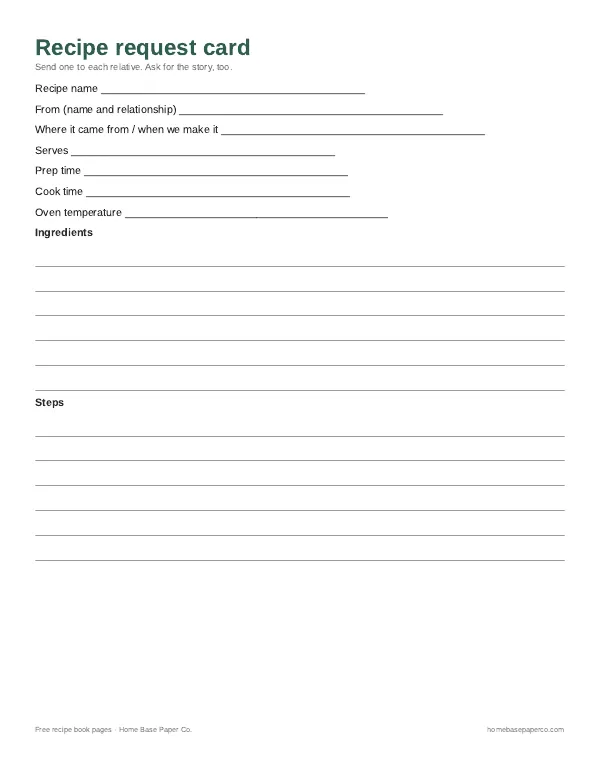
Our Meal Planner & Grocery List printable includes a pantry inventory and freezer inventory alongside the weekly meal planner and grocery list.
Below: the eight steps, a zone map, a shelf layout, a "decant or keep the box" chart, USDA storage times, ideas for small spaces and a 10-minute weekly reset.
How to organize a pantry: the 8 steps at a glance
- Empty it. Take everything out, shelf by shelf if a full purge feels like too much.
- Sort into four piles: keep, use this week, donate and toss.
- Clean and check for pests before anything goes back in.
- Measure each shelf's width, depth and height.
- Choose your zones (breakfast, dinner builders, baking, snacks and so on).
- Map the zones to shelves: daily items at eye level, heavy items low, extras up high.
- Contain and label only where it solves a real problem.
- Keep a pantry inventory and do a 10-minute reset before each grocery trip.
Before you start: what you need
Most of what you need is already in your home. Buy containers after you've sorted and measured, never before.
| You need | Why | Low-cost option |
|---|---|---|
| A cleared counter or table | Room to sort without piling things on the floor | A folding table or the kitchen table |
| Trash bag and a donation box | Decisions get made faster when items have somewhere to go | Any grocery bag or shipping box |
| Measuring tape | Bins that don't fit are the most common wasted purchase | Free, if you already own one |
| Painter's tape and a marker | Temporary labels while you test your zones | Masking tape works too |
| Pantry inventory sheet | So you know what you have and what to restock | The printable Pantry Inventory page in our Meal Planner & Grocery List |
Plan on one to two hours for a standard pantry and 30 to 45 minutes for a single cabinet.
Step 1: Empty the pantry and sort everything
Take every item out and group like with like on the counter. Seeing duplicates side by side is what makes this step worth doing: three jars of cinnamon, no baking soda.
Sort into four piles:
- Keep: you'll use it and it's in good shape.
- Use this week: open packages, near-date items and duplicates. These go on a "use it up" shelf and into this week's meal plan.
- Donate: unopened, undamaged food you won't eat. Check your local food pantry's rules first, since many don't accept expired or opened items.
- Toss: damaged cans, stale snacks and anything with signs of pests.
The USDA Food Safety and Inspection Service says to throw away deeply dented, bulging, leaking or heavily rusted cans. A deep dent is one you can lay your finger into, and any sharp dent on a seam is a reason to discard the can. A small dent on an otherwise sound can is usually fine.
Don't toss shelf-stable food just because the "best by" date has passed. FSIS explains that, except for infant formula and some baby food, those dates are about quality, not safety. Move it to the use-this-week pile instead.
Step 2: Clean and check for pantry pests
Vacuum the corners and cracks, wipe the shelves with warm soapy water and let them dry before you restock. Look for signs of pantry pests: small moths, webbing in flour, tiny beetles or holes in packaging. The University of Minnesota Extension notes that pantry pests are one of the most common household insect problems and recommends:
- Throwing away infested food and cleaning the cupboard thoroughly.
- Buying dried foods in amounts you'll use within two to four months.
- Using older and opened packages before newer ones.
- Storing grains, flour and cereal in tightly closed glass, metal or heavy plastic containers.
They also note there's no evidence that bay leaves or sticks of gum in the cupboard keep pests away, so skip the folk remedies and rely on sealed containers and rotation.
Step 3: Measure every shelf
Write down the width, depth and height of each shelf, plus the floor and the back of the door. Note corners, deep sections and shelves too short for cereal boxes. These numbers decide which containers fit.
Step 4: Choose pantry zones that match how you cook
Organize by category, not by size. Grouping by meal means you can grab everything for taco night from one spot. Most households need six to nine zones. The same zone covers a ground beef taco salad.
| Zone | What goes in it |
|---|---|
| Breakfast | Cereal, oats, pancake mix, syrup, peanut butter, coffee and tea |
| Dinner builders | Pasta, rice, grains, sauces, broth, taco kits |
| Canned goods | Beans, vegetables, tomatoes, soup, canned fish and chicken |
| Baking | Flour, sugars, baking soda and powder, chocolate chips, vanilla, mixes |
| Snacks | Crackers, chips, granola bars, dried fruit, popcorn |
| Oils, vinegars and condiments | Cooking oils, vinegars, unopened ketchup and hot sauce |
| Spices and seasonings | Jars, packets and blends, ideally on a riser or rack |
| Use it up | Open packages and near-date items to cook first |
| Backstock | The extra jar or can you bought on sale |
The "use it up" zone is the one most organizers skip, and it's the one that saves money. It's also the first place to look when you sit down to plan the week's meals.
Step 5: Map the zones to the right shelves
Where a zone sits matters as much as what's in it. Give the best spots to what you use most.
| Shelf position | Best for | Why |
|---|---|---|
| Eye level (roughly chest to eye height) | Daily items: breakfast, dinner builders, use it up | You see it first and reach it without bending |
| Just above eye level | Snacks and lighter items, spices on a riser | Easy to reach, still visible |
| Top shelf | Backstock, holiday baking, party supplies, rarely used appliances | Fine for things you use a few times a year |
| Lower shelves | Canned goods, heavy bottles, bulk bags | Heavy items are safer low |
| Floor | Bulk bags in bins, drinks, root vegetables in a breathable basket | Use bins or a rolling cart so nothing piles up |
| Door or side wall | Spices, foil and wraps, small packets | Uses space that is otherwise empty |
If everyone in your household grabs their own snacks, put the snack zone on a shelf they can all reach.
Step 6: Decide what to decant and what to leave in the box
Clear canisters look lovely, but refilling them is work. Decant only where it solves a problem: pests, stale food or bags that won't stack. Corral the rest in bins.
| Item | Decant? | Why |
|---|---|---|
| Flour, sugar, cornmeal | Yes | Airtight containers protect against pests and moisture |
| Rice, oats, dried beans | Yes | Bags tear and spill; containers stack |
| Cereal and crackers | Optional | Containers keep them crisp longer once open |
| Pasta | Optional | Fine in the box; a bin keeps boxes upright |
| Snacks in multipacks | No, use a bin | Open bins act like drawers and make it easy to see when you're low |
| Canned goods | No | Use a can riser or tiered shelf so you see every label |
| Spices | No | Original jars are fine; a tiered rack or drawer insert does the work |
| Anything with cooking directions | Keep the directions | Cut out the instructions and tape them to the container |
When you decant, label each container with what's in it and the use-by date from the package. That keeps first in, first out possible.
Step 7: Contain and label
Bins with handles make shelves work like drawers: you pull out a whole zone instead of reaching past three rows of cans. Choose bins about as deep as the shelf so nothing gets lost in the back.
Label every zone, not just every jar. A shelf label that says "Dinner builders" tells everyone where the pasta goes after a grocery run. Use painter's tape for two weeks, then make permanent labels once the zones feel right.
Step 8: Keep a pantry inventory with par levels
A pantry stays organized when you stop overbuying. A pantry inventory lists what you keep, how much you have and a par level, the minimum you want on hand. Below par, it goes on the grocery list. Nothing else does.
Our guide to the pantry inventory list walks through the columns, categories and par levels in detail. If you keep a deep freezer, pair it with a freezer inventory list so you aren't buying chicken you already have.
Rotate as you restock: new items go behind older ones (first in, first out), so the oldest can or box is always the one you grab next.
How long pantry staples last
Store shelf-stable food somewhere cool and dry. FSIS recommends temperatures below 85°F and says never to store canned goods above or beside the stove, under the sink, or in a damp garage or basement. These are the USDA's suggested shelf times for unopened products stored that way:
| Food | Unopened, on the shelf | After opening |
|---|---|---|
| Low-acid canned goods (soups other than tomato, beans, corn, carrots, meats) | 2 to 5 years | 3 to 4 days in the refrigerator |
| High-acid canned goods (tomatoes, fruit, juices, pickles) | 12 to 18 months | 5 to 7 days in the refrigerator |
| Rice and dried pasta | 2 years | 3 to 4 days in the refrigerator, once cooked |
| Commercially packaged jerky | 12 months | Not applicable |
| Tuna and seafood in pouches | 18 months | 3 to 4 days in the refrigerator |
Source: USDA FSIS shelf-stable food storage chart. FSIS also suggests checking your pantry every few weeks and using canned goods you've had for a while, which is exactly what the weekly reset below does.
Pantry organization ideas for every kind of space
Small pantry or a single cabinet. Use every inch of height with shelf risers, a tiered can organizer and an over-the-door rack. Keep one backstock of each item and move extras to a labeled bin elsewhere.
The fridge needs zones too. Our guide to fridge organization explains where everything goes, shelf by shelf.
For the rest of the room, see our 30 kitchen organization ideas for cabinets, drawers, the fridge and small kitchens.
No pantry at all. Assign one upper cabinet to breakfast and baking and one lower cabinet to cans and dinner builders. A rolling cart beside the fridge can hold snacks and bread. A freestanding shelf or bookcase in a nearby closet works as overflow.
Deep shelves. Deep shelves are where food goes to be forgotten. Use long, pull-out bins so the back row comes forward with one tug, and use the back of the shelf for backstock only.
Corner pantry. Put a turntable (lazy Susan) in each corner for oils, vinegars and jars. Keep the frequently used zones on the straight sections.
Walk-in pantry. Use the floor for heavy bins and drinks, and hang a clipboard with your inventory sheet on the wall.
Organizing on a tight budget. Shoe boxes, sturdy shipping boxes cut down to tray height, and clean glass jars from pasta sauce all make good containers. Spend money only on the one thing that fixes your biggest problem, usually a can riser or a few airtight containers for flour and rice.
Pantry organization on a budget
You don't need matching canisters to get an organized pantry. Start with what you have and spend only where it fixes a real problem:
- Use free containers first: clean glass jars, shoeboxes and sturdy produce boxes make good bins for packets, snacks and cans.
- Label with masking tape and a marker before buying a label maker; you'll change zones a few times in the first month.
- Buy one fix at a time. If cans get lost, get a can riser or tiered shelf; if bags spill, get a few clear bins; if the back of the shelf is a mystery, try a turntable.
- Measure before you shop (Step 3) so anything you buy actually fits.
- Skip decanting what you don't need to. Boxes and bags that seal well can stay in their packaging inside a bin.
The bigger saving comes from using what you have. Keeping a pantry inventory list and checking it before you write your grocery list helps prevent duplicate buys and forgotten food.
The 10-minute weekly pantry reset
Staying organized is a weekly habit. Pair the reset with your meal planning:
- Put strays back in their zones (2 minutes).
- Check the use-it-up shelf and build two or three of this week's meals around it (3 minutes).
- Compare against your par levels and add anything that's low to the grocery list (3 minutes).
- Wipe one shelf and toss empty boxes (2 minutes).
Once a season, pull everything off one or two shelves, check dates and rethink any zone that isn't working. Before the holidays, check your baking zone: flour, sugars, baking soda, chocolate chips and vanilla are the items most likely to run out mid-recipe.
If you shop once a month, the reset is even more important. Our guide to grocery shopping once a month shows how to plan around a pantry that has to last four weeks.
How pantry organization saves money
An organized pantry is a budget tool. The EPA estimates that the average family of four spends almost $3,000 a year on food that doesn't get eaten, and its first tip is to check your refrigerator, freezer and pantry before you shop so you don't buy food you already have.
When you can see everything, you stop buying duplicates, near-date food gets eaten, and meal planning gets faster. Our guide to meal planning on a budget shows how to build the week around your pantry, and how to grocery shop on a budget covers the store side. If you want to know whether a bulk deal is really a deal, a grocery price book tracks the prices you usually pay.
Common pantry organization mistakes
- Organizing by size instead of use. Group by meal or category so you can grab a zone at once.
- No labels on shelves. If only one person knows where things go, the system lasts until the next grocery run.
- Hiding backstock in front. Backstock goes behind or above what you're using now.
- Skipping the inventory. Without par levels, an organized pantry slowly fills up with doubles again.
- Storing food in the wrong spot. Keep canned and dry goods away from the stove, the dishwasher and under the sink.
Tools that make it easier
The Meal Planner & Grocery List ($3.99, instant download) is the printable we built for exactly this routine. Its 12 pages include a Pantry Inventory, a Freezer Inventory, a Weekly Meal Planner, a Grocery List grouped by store section, a Monthly Menu and a Family Favorites page, in US Letter and A4. Clip the pantry page inside the door, check it before you plan, and the grocery list writes itself.
If you'd like the pantry to be one part of a bigger household system, the Household Binder ($6.99) adds family info, calendars, meals, groceries, cleaning and bill pages in one place. You can browse every planner in Printables or see the full Home & Organizing collection.
More help for the kitchen: the free grocery list template guide, our kitchen cleaning checklist, and the rest of our home organization guides, including how to declutter your home. See the full kitchen organization hub for more.
Why I organize this way
I grew up the oldest of three, the one who kept track of who needed what and when. Later, working as an ABA technician, I learned that big changes come from small, repeatable steps and from making the next step obvious. A pantry works the same way. Clear zones make the next step obvious, labels mean everyone can help, and a 10-minute weekly reset is small enough to repeat. If you fall off for a few weeks, that's fine. Put the strays back, check your inventory, and pick it back up.
Make it easier
Tools for this
 Starter pick
Printables
Meal Planner & Grocery List
Weekly meals, a grocery list sorted by aisle, and pantry and freezer inventories so you shop once and waste less.

Printables
Household Binder
Family info, emergency plan, calendars, meals, groceries, cleaning, bills and sitter notes.
Frequently asked questions
What is the best way to organize a pantry? Empty it, sort it, then group what's left into zones by how you cook, with everyday items at eye level. Toss damaged cans and stale food, clean the shelves, label each zone and keep a pantry inventory. The Pantry Inventory page in the HomeBase Meal Planner & Grocery List ($3.99) helps you track what you have so the pantry doesn't fill back up with duplicates.
How do I organize a small pantry? Organize a small pantry by using height, not more floor space. Add shelf risers, a tiered can organizer and an over-the-door rack for spices and packets. Keep only one backstock of each item, put daily foods at eye level, and move extras to a labeled bin somewhere else. A pantry list, like the pantry inventory page in the Meal Planner & Grocery List, keeps you from rebuying what's tucked away.
How do I organize a pantry if I don't have one? Organize a pantry without a pantry by assigning cabinets to zones. Put breakfast and baking in one upper cabinet and canned goods and dinner builders in a lower one, then add a rolling cart or a freestanding shelf for snacks and overflow. Keep canned and dry food away from the stove, the dishwasher and the space under the sink, and keep a running list of what's in each cabinet, such as the pantry inventory page in the Meal Planner & Grocery List.
What should go on each pantry shelf? Put what you use daily at eye level, heavy items low and rarely used items up high. Breakfast, dinner builders and a use-it-up bin belong at eye level, cans and heavy bottles go on lower shelves, and holiday baking, party supplies and backstock go on the top shelf.
What are pantry zones? Pantry zones are groups of food stored together by how you use them. Common zones are breakfast, dinner builders, canned goods, baking, snacks, oils and condiments, spices, a use-it-up zone and backstock. Zones make it easy to grab everything for one meal and to see when you're running low.
Should I put pantry food in containers? Put only some pantry food in containers: decant it where it solves a problem. Flour, sugar, rice, oats and dried beans do well in airtight containers that keep out moisture and pests. Snacks, pasta boxes and cans are usually fine in their packaging, corralled in bins or on a can riser. Label decanted food with the contents and the use-by date.
How often should you clean out your pantry? Do a 10-minute reset every week and a deeper clean-out once a season. The USDA suggests checking your pantry every few weeks and using canned goods you've had for a while. The HomeBase Meal Planner & Grocery List pairs a pantry inventory with a weekly meal planner, so the weekly check happens while you plan meals.
How long do canned goods last in the pantry? Low-acid canned goods last 2 to 5 years and high-acid canned goods last 12 to 18 months, according to the USDA. Rice and dried pasta keep about 2 years. Store them below 85°F in a cool, dry place, and throw away cans that are bulging, leaking, heavily rusted or deeply dented.
Is it safe to eat pantry food after the best-by date? Yes, it's usually safe to eat pantry food after the best-by date. The USDA says that, except for infant formula and some baby food, dates on shelf-stable food are about quality, not safety. Food past its date may lose flavor or texture, so move it to a use-it-up spot and cook it soon. Always discard damaged or swollen cans.
How do I keep bugs out of my pantry? Seal it, rotate it and don't overbuy. University of Minnesota Extension recommends storing dried foods in tightly closed glass, metal or heavy plastic containers, buying amounts you'll use in two to four months, using older packages first and vacuuming cracks. They found no evidence that bay leaves or gum keep pests away.
How do I keep my pantry organized? Label every zone, keep a pantry inventory with par levels, and reset it before each grocery trip. The HomeBase Meal Planner & Grocery List ($3.99) includes a Pantry Inventory, a Weekly Meal Planner and a Grocery List grouped by store section, so you restock only what's actually low.
Can an organized pantry save money? Yes, because you stop buying what you already have and you use food before it spoils. The EPA estimates the average family of four spends almost $3,000 a year on food that isn't eaten. Checking your pantry inventory before you plan meals and shop is one of the simplest ways to cut that waste.
How do I organize a deep pantry? Organize a deep pantry with long pull-out bins so the back row comes forward in one pull. Keep everyday items in the front half, put backstock behind them, and add a turntable in corners for oils and jars. That way nothing gets lost or forgotten at the back, especially if you note backstock on the pantry inventory page of the Meal Planner & Grocery List.
How do I organize my pantry on a budget? Start with things you already own: clean jars, shoeboxes and sturdy boxes work as bins, and masking tape makes an easy label. Measure your shelves, then buy one fix at a time for the problem that bugs you most, such as a can riser for lost cans, clear bins for loose packets or a turntable for deep corners. Leave well-sealed boxes in their packaging, and keep a pantry inventory so you stop buying duplicates.
How do I organize a pantry step by step? Empty the pantry, sort and toss expired items, clean the shelves and check for pests, measure each shelf, choose zones that match how you cook, map those zones to shelves with everyday items at eye level, decide what to decant, then contain and label everything. Finish by writing a pantry inventory with par levels so restocking is easy. The 8 steps above walk through each one.
More from HomeBase
You may also like
Printables
Cleaning Schedule
Daily, weekly, monthly and seasonal lists - plus a family chore chart.
Printables
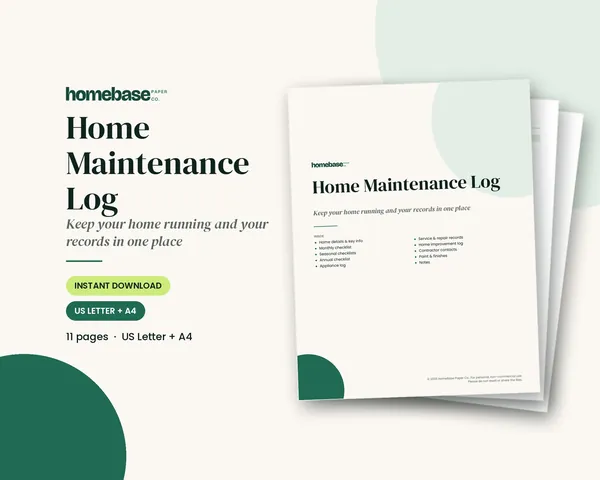
Home Maintenance Log
Monthly, seasonal and annual checklists plus a record of every appliance and repair.
Printables
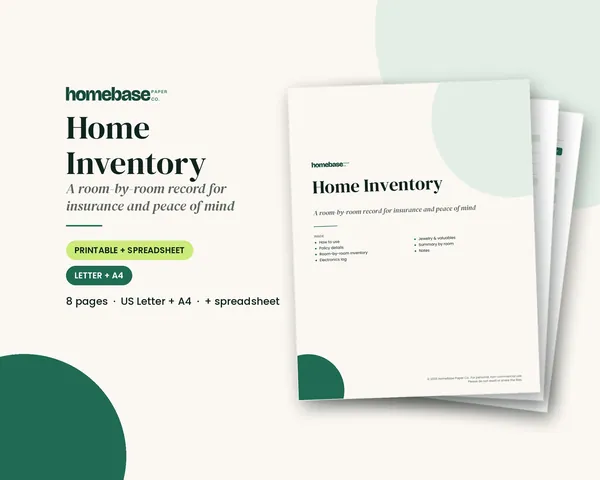
Home Inventory
Printable pages and a spreadsheet that totals the value of every room.
 Save 48%
Bundles
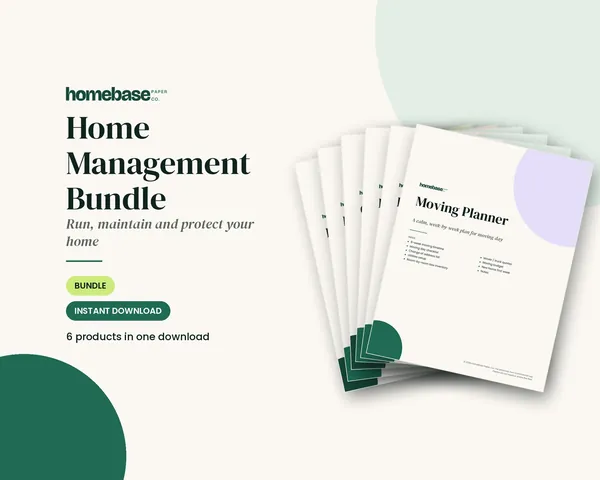
Home Management Bundle
Household binder, maintenance log, moving planner, cleaning schedule, home inventory and password log.
 Club
Monthly club
Planner & Calendar Club
Anyone who wants a monthly calendar, bill calendar and meal plan ready to print.
Free printable
Save the family favorites: get the free recipe book pages
Printable recipe pages and a recipe request card to send to relatives, so the dishes everyone loves end up in one book. You'll also get our weekly HomeBase email with easy meal planning ideas and family recipe tips.