

The short answer: this salsa recipe pulses one 28-ounce can of whole tomatoes (or 2 pounds of ripe Roma tomatoes) with onion, jalapeño, garlic, cilantro, lime and salt in a blender. It takes about 10 minutes and makes about 4 cups.
- Key numbers: 1/2 onion · 1 to 2 jalapeños · 1 garlic clove · 1/2 cup cilantro · 1 lime · 1 teaspoon salt
- Top moves: pulse, do not purée; chill 30 minutes; taste for salt and lime last; refrigerate or freeze, do not can it
- Next step: get the free recipe book starter pages (we email it to you), or keep your heat level in the Family Recipe Binder ($6.99)
Our picks for salsa recipe
 Starter pick
Printables
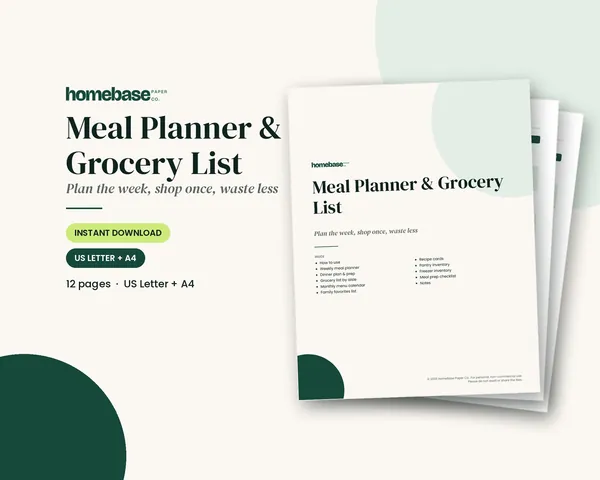
Meal Planner & Grocery List
Weekly meals, a grocery list sorted by aisle, and pantry and freezer inventories so you shop once and waste less.
Printables
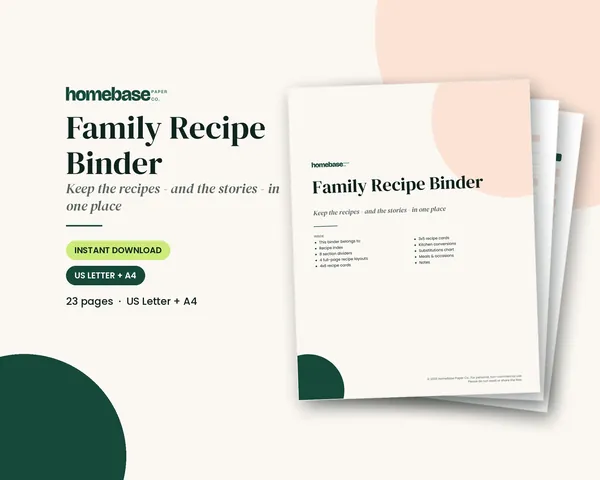
Family Recipe Binder
Section dividers, four recipe page layouts with room for the family story, 4x6 and 3x5 cards and a conversion chart - print it or type into the fillable version.
Prep time: 15 minCook time: 0 minTotal time: 45 minServings: 4 cupsTotal includes 30 min of resting, chilling or rising.
This is the thin, spoonable red salsa that comes with a basket of chips at a Mexican restaurant. Canned tomatoes make it the same every time; fresh tomatoes make it brighter in summer. Both versions use the same method.
Salsa ingredients
| Ingredient | Amount | Notes |
|---|---|---|
| Whole peeled tomatoes | 1 (28-ounce) can, with juice | Or 2 pounds ripe Roma tomatoes, cored and quartered |
| Diced tomatoes with green chiles | 1 (10-ounce) can, optional | Adds body and mild heat |
| White or yellow onion | 1/2 medium, roughly chopped | About 1/2 cup |
| Jalapeño | 1 to 2, stemmed | Seeds and ribs out for mild |
| Garlic | 1 clove | Two if you like it sharp |
| Fresh cilantro | 1/2 cup loosely packed | Leaves and tender stems |
| Lime juice | 2 tablespoons | About 1 lime |
| Salt | 1 teaspoon | Add more to taste |
| Ground cumin | 1/4 teaspoon | Optional |
| Sugar | Pinch | Optional, only if the tomatoes taste sour |
Makes about 4 cups, enough for 8 people as a chip dip.
Rinse the jalapeños, onion, cilantro, lime and any fresh tomatoes before cutting. The FDA's produce guidance says to wash all produce under running water before preparing it, even items you will peel, to cut away bruised or damaged spots, and not to use soap or produce wash.
How to make salsa
- Put the onion, jalapeño and garlic in a blender or food processor first, so they sit nearest the blade. Pulse 5 or 6 times until finely chopped.
- Add the canned tomatoes with their juice (or the fresh Roma quarters), the optional can of tomatoes with chiles, the cilantro, lime juice, salt and cumin.
- Pulse in 1-second bursts, about 8 to 12 times, scraping down once, until everything is finely chopped and saucy but not smooth. Stop before it turns foamy and pink; that is purée.
- Taste with a chip, not a spoon, because chips add salt. Adjust with more salt, lime or a pinch of sugar. Add more jalapeño now if you want more heat and pulse twice.
- Transfer to a covered container and chill for at least 30 minutes so the onion mellows and the flavors blend. Stir before serving and pour off any extra liquid that collects on top.
Salsa made with fresh tomatoes is often thinner on day one because ripe tomatoes release juice. Roma or other paste tomatoes help; the National Center for Home Food Preservation notes that paste tomatoes such as Roma have firmer flesh and make thicker salsas than large slicing tomatoes.
Heat levels and chile swaps
| Heat | What to use | Notes |
|---|---|---|
| Mild | 1/2 jalapeño, seeds and ribs removed, or 1/2 green bell pepper | Good for kids and mixed crowds |
| Medium | 1 jalapeño with some seeds | The standard restaurant level |
| Hot | 2 jalapeños with seeds, or 1 serrano | Serranos are smaller and hotter |
| Smoky | 1 chipotle pepper in adobo plus 1 teaspoon of the sauce | Deep, smoky, medium-hot |
Wear gloves when you cut hot peppers, and keep your hands away from your eyes. The NCHFP salsa ingredient page gives the same advice, because hot peppers can cause extreme skin irritation.
Variations
- Roasted or charred salsa: broil fresh Roma tomatoes, the onion wedge and the jalapeño on a sheet pan until blackened in spots, 8 to 10 minutes, turning once. Cool, then blend as above. Smoky and a little sweeter.
- Chunky fresh salsa: dice everything by hand instead of blending and use fresh tomatoes only. That moves it toward pico de gallo: crunchier, less liquid, best the day it is made.
- Black bean and corn salsa: stir 1 drained, rinsed can of black beans and 1 cup of corn into 2 cups of finished salsa. Serve it as a side or a topping.
- Mango or pineapple salsa: replace half the tomatoes with diced ripe mango or pineapple, chop by hand and add extra lime. Good with fish and pork.
- Mild family salsa: use the bell pepper option, skip the cumin and add the cilantro just before serving.
How to store homemade salsa
- Refrigerate in a covered glass or plastic container. Fresh blender salsa is best within about 5 days. The cilantro fades first.
- Two-hour rule: put leftovers away within 2 hours of setting them out, or within 1 hour if the salsa sat outdoors above 90°F.
- Freeze extra salsa in freezer-safe containers with room at the top. NCHFP says salsas that do not follow tested canning recipes may be frozen or stored in the refrigerator. Thawed salsa is watery, so drain it and use it in cooking: soup, rice, eggs or a quick enchilada sauce.
- Throw it out if it smells fermented, tastes fizzy, or shows mold.
Canning caution: do not can this salsa
This is a fresh refrigerator salsa, not a canning recipe. Salsa mixes acidic tomatoes with low-acid onions, peppers and garlic. The NCHFP explains that if a salsa is not adequately acidified to a pH of 4.6 or below, it is not safe for boiling water canning, and that carefully calculated amounts of vinegar or another acid are necessary. Its salsa ingredient page says not to can salsas that do not follow research-tested recipes, and not to thicken salsa with flour or cornstarch before canning.
If you want shelf-stable jars, use one of the USDA and Cooperative Extension tested salsa recipes from the National Center for Home Food Preservation and follow it exactly. Spices can change, but the amounts of tomatoes, peppers, onions and acid cannot.
Troubleshooting
- Too watery: drain the canned tomatoes and save the juice to add back a spoonful at a time, use Roma tomatoes, or pour off the liquid after chilling.
- Too thick: add a splash of the reserved tomato juice or cold water and pulse once.
- Bland: salt is almost always the fix. Add 1/4 teaspoon at a time, then another squeeze of lime.
- Too spicy: blend in another can of tomatoes or a handful of fresh ones to dilute the heat.
- Bitter or grassy: cilantro stems blended too long, or too much raw garlic. Pulse less next time and add cilantro in the final two pulses.
- Onion is harsh: rinse the chopped onion in cold water before blending, or let the salsa rest longer in the refrigerator.
What to serve with salsa
- Taco night: spoon it over ground beef tacos made with homemade taco seasoning, or over fish tacos.
- Salads and bowls: stir 1/2 cup of salsa with 1/2 cup of sour cream for the creamy dressing on a taco salad.
- Soup: top a bowl of chicken tortilla soup with a spoonful along with avocado and crushed chips.
- Breakfast and leftovers: scrambled eggs, baked potatoes, quesadillas, grilled chicken or rice.
A budget-friendly staple
A can of tomatoes, half an onion, a jalapeño and a lime are inexpensive basics, and one 4-cup batch covers a taco night plus a few lunches. Canned tomatoes are a pantry staple that does not depend on tomato season. Leftover cilantro and lime can go into rice or a marinade later in the week. Planning tacos, a taco salad and a soup that all use the same salsa is an easy way to cut waste; see cheap meal ideas and meal planning on a budget for more.
Plan taco night and save the recipe
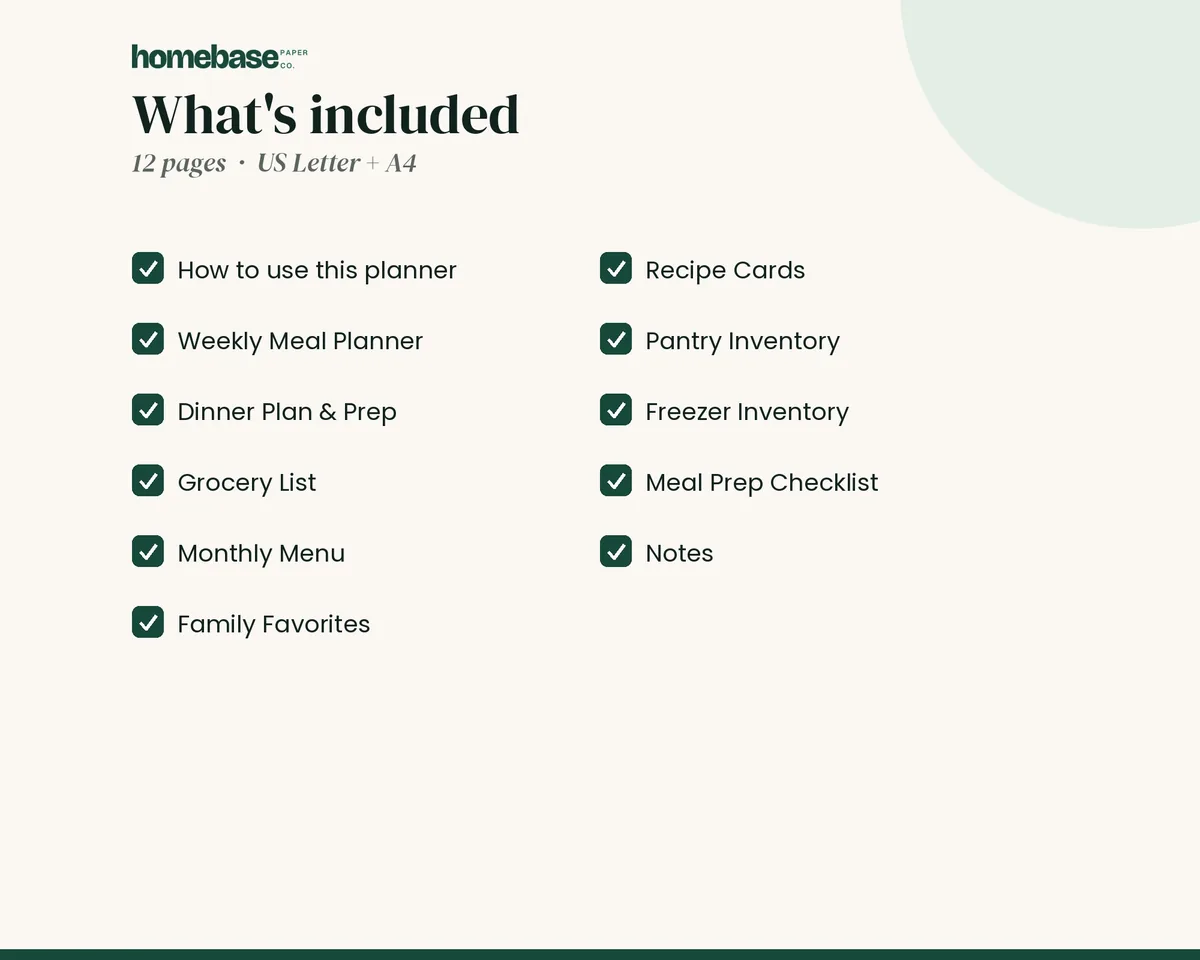
Write the salsa into the week once, and the tomatoes, chiles and limes go on the same list as the tortillas.
- Meal Planner & Grocery List, $3.99. A weekly menu and an aisle-sorted grocery list.
- Family Recipe Binder, $6.99. Record your family's heat level and the tomato brand you like best.
Browse more kitchen printables in the printables shop.
Want free starter pages first? Get the free recipe book starter pages (we email it to you).
Frequently asked questions
How do you make restaurant-style salsa? Restaurant-style salsa is made by pulsing canned whole tomatoes, onion, jalapeño, garlic, cilantro, lime juice, salt and a pinch of cumin in a blender or food processor until finely chopped but not smooth. Chill it for 30 minutes so the flavors blend.
Should I use fresh or canned tomatoes for salsa? Salsa can be made with either fresh or canned tomatoes. Canned whole tomatoes give the smooth, consistent restaurant texture all year. Ripe Roma tomatoes give a brighter, fresher salsa in summer; core them and drain off some of the juice so the salsa is not watery.
How do you make salsa less watery? Watery salsa usually comes from juicy slicing tomatoes or from blending too long. Use paste tomatoes such as Roma, drain canned tomatoes for a thicker salsa, and pulse in short bursts. Pour off any liquid that collects in the jar before serving.
How do you make salsa spicier or milder? Salsa gets its heat from the chiles. For mild salsa, remove the jalapeño seeds and white ribs or use half a pepper. For hot salsa, keep the seeds, add a second jalapeño or a serrano, or add a chipotle in adobo. Wear gloves when cutting hot peppers.
How long does homemade salsa last in the fridge? Homemade fresh salsa is best eaten within about 5 days, covered in the refrigerator. Refrigerate it within 2 hours of serving, or 1 hour if it sat outside above 90°F. Throw it out if it smells fermented, fizzes or grows mold.
Can you freeze homemade salsa? Homemade salsa can be frozen, and the National Center for Home Food Preservation lists freezing or refrigerating as options for salsas that are not from tested canning recipes. Thawed salsa is more watery, so drain it and use it in cooking, such as soups, rice or eggs.
Can I can this salsa recipe? This blender salsa recipe is not a tested canning recipe, so do not can it. The National Center for Home Food Preservation says only salsas that follow research-tested recipes should be canned, because they need enough acid to reach a safe pH. Refrigerate or freeze it instead.
What is the difference between salsa and pico de gallo? Salsa in this recipe is blended into a spoonable, saucy texture, while pico de gallo is chopped by hand into chunky pieces of fresh tomato, onion, chile and cilantro with very little liquid. Both use similar ingredients; the cut and texture are the difference.
Why does my homemade salsa taste bitter? Homemade salsa can taste bitter from over-blended cilantro stems, raw garlic, or tomatoes that are underripe. Pulse instead of blending smooth, use one garlic clove, and balance it with another squeeze of lime, a pinch of salt or a small pinch of sugar.
How do I plan a taco night around homemade salsa? The Meal Planner & Grocery List ($3.99) from HomeBase Paper Co. has a weekly menu and an aisle-sorted grocery list, so tomatoes, chiles, limes and taco fixings land on the same shopping trip.