

The short answer: This alfredo sauce recipe makes a rich, silky sauce from five simple ingredients in about 15 minutes, which beats any jar. Melt butter, cook garlic briefly, simmer heavy cream for 4 to 5 minutes, then take the pan off the heat and whisk in freshly grated Parmesan until smooth. Below you'll learn how to keep it from turning grainy, how to thicken or thin it, lighter versions and how to store and reheat it.
Our picks for alfredo sauce recipe
 Starter pick
Printables
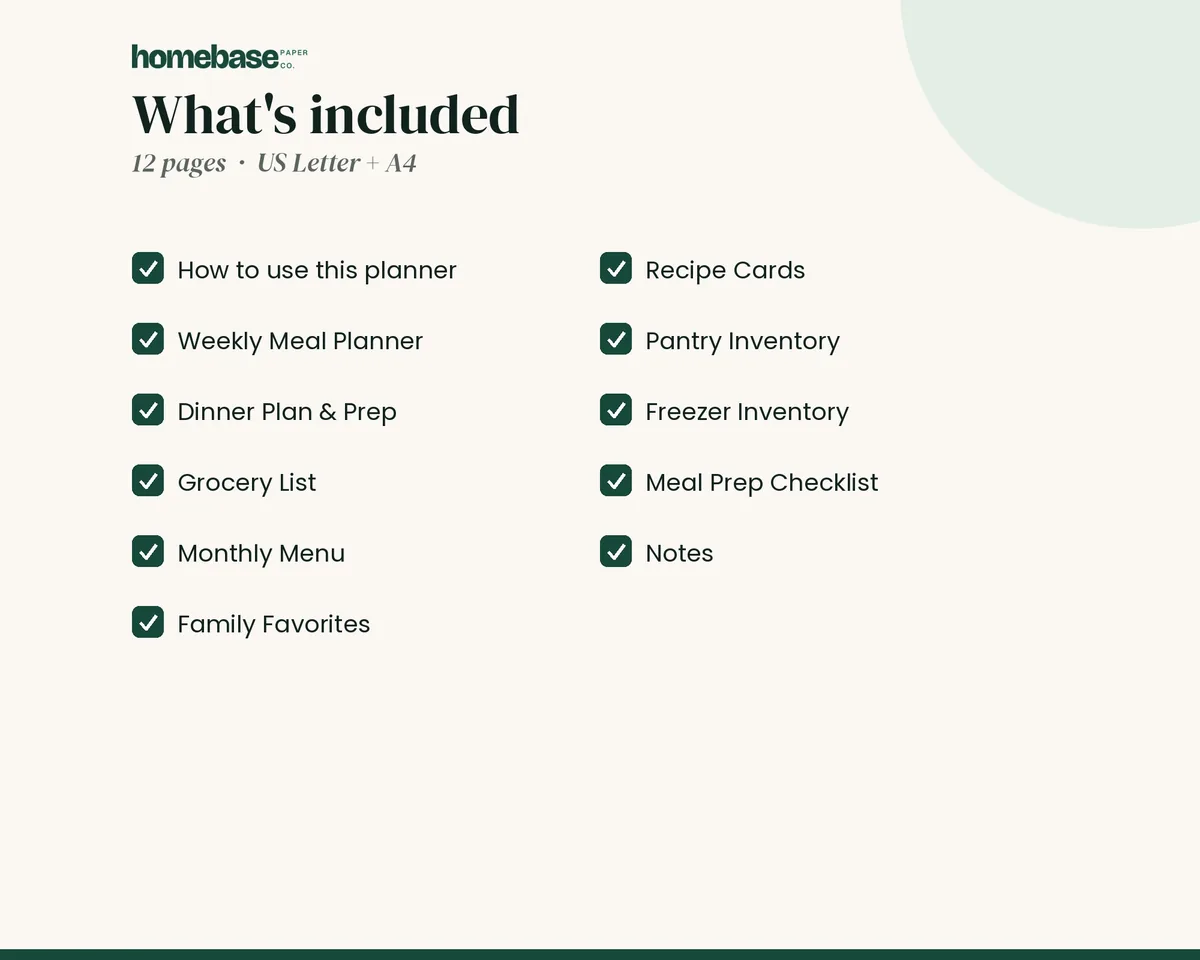
Meal Planner & Grocery List
Weekly meals, a grocery list sorted by aisle, and pantry and freezer inventories so you shop once and waste less.
Printables
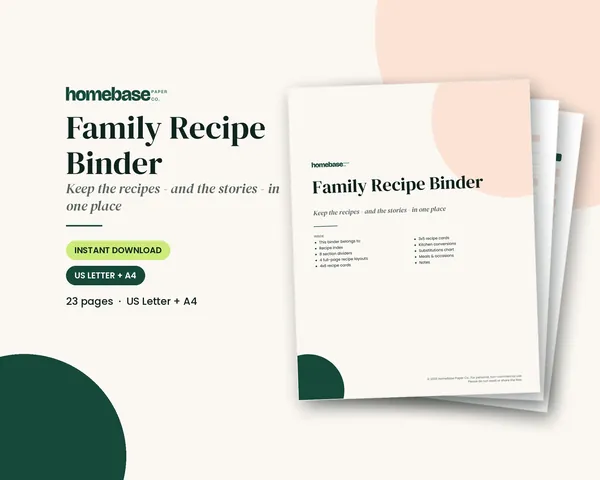
Family Recipe Binder
Section dividers, four recipe page layouts with room for the family story, 4x6 and 3x5 cards and a conversion chart - print it or type into the fillable version.
Homemade alfredo is the sauce I make when I need dinner on the table fast. It also turns leftover chicken and a bag of frozen broccoli into a meal the whole family eats.
Alfredo sauce ingredients
| Ingredient | Amount | Tip |
|---|---|---|
| Unsalted butter | 4 tablespoons | Lets you control the salt |
| Garlic, minced | 2 cloves | Cook just until fragrant |
| Heavy cream | 1½ cups | Gives the thickest, richest sauce |
| Parmesan, finely grated | 1½ cups (about 4 ounces) | Grate a wedge yourself |
| Salt | ¼ teaspoon, to taste | Parmesan is already salty |
| Black pepper | ¼ teaspoon | Freshly cracked |
| Nutmeg | 1 small pinch | Optional, classic in cream sauces |
| Fresh parsley | 1 tablespoon, chopped | For garnish |
Makes about 2 cups, enough for 1 pound of pasta.
How to make alfredo sauce, step by step
- Grate the cheese first. Grate the Parmesan on the fine side of a box grater or a microplane so it's ready when you need it.
- Melt the butter. Melt the butter in a medium saucepan over medium-low heat.
- Cook the garlic. Add the garlic and stir for about 30 seconds, until fragrant but not browned.
- Simmer the cream. Pour in the cream and bring it to a gentle simmer, with small bubbles at the edges. Cook 4 to 5 minutes, stirring, until it's slightly reduced.
- Add the cheese off the heat. Move the pan off the burner. Whisk in the Parmesan a handful at a time, letting each addition melt before adding more.
- Season. Whisk in pepper, nutmeg and salt to taste. The sauce will look a little loose but thickens as it stands.
- Toss and serve. Toss with hot pasta and a splash of pasta water, then top with parsley and more Parmesan.
Alfredo contains milk, so check with guests about food allergies before serving.
Alfredo sauce troubleshooting
| Problem | Why it happens | How to fix it |
|---|---|---|
| Grainy or gritty | Cheese overheated or pre-shredded cheese | Add cheese off the heat; grate it fresh |
| Too thin | Cream not reduced enough | Simmer 2 to 3 minutes more, or add more Parmesan |
| Too thick | Sauce cooled or reduced too long | Whisk in warm pasta water or milk |
| Oily or separated | Boiled after cheese went in | Off the heat, whisk in a splash of warm cream |
| Bland | Not enough salt or pepper | Season after the cheese melts; add lemon zest |
Lighter and easy alfredo variations
- Milk alfredo: cook 1½ tablespoons of flour in the butter, whisk in 1½ cups of whole milk, simmer until thick, then add the cheese.
- Cream cheese alfredo: melt 2 to 4 ounces of cream cheese into the cream for a thick sauce that reheats well.
- Garlic lover's alfredo: use 4 cloves of garlic, or stir in a few cloves of roasted garlic.
- Cajun alfredo: add 1 to 2 teaspoons of Cajun seasoning and toss with shrimp or sausage.
- Lemon alfredo: whisk in the zest of half a lemon for a brighter, lighter taste.
- Pesto alfredo: swirl in 2 tablespoons of basil pesto at the end.
How to use alfredo sauce
Alfredo is classic with fettuccine, but it's also good with penne, rigatoni, tortellini and gnocchi. Toss it with chicken for our chicken alfredo, spread it on pizza dough instead of tomato sauce, or use it to make a creamy pasta bake. It's also delicious over roasted vegetables or spooned over chicken parmesan. For more family-friendly comfort food, see our baked mac and cheese and easy dinner ideas.
Storing, freezing and reheating alfredo sauce
Refrigerate leftover sauce within 2 hours in an airtight container and use it within 3 to 4 days, in line with FoodSafety.gov's cold food storage chart for leftovers. It firms up in the fridge. Reheat it slowly over low heat with a splash of milk, whisking often, until steaming. The USDA's leftovers guidance recommends reheating to 165°F. Cream sauces can separate after freezing, so if you freeze it, use it within about 2 to 3 months and whisk well as it warms.
Plan a pasta night
For a tomato-based pasta night instead, use the spaghetti sauce recipe or quick marinara sauce.
Toss this sauce with vegetables for a creamy pasta primavera.
With butter, cream and a wedge of Parmesan in the fridge, pasta night takes 20 minutes. Add them to your list so you're never stuck with a jar.
- Meal Planner & Grocery List, $3.99. Plan a week of dinners and keep a running grocery list by aisle.
- Family Recipe Binder, $6.99. Write down your family's favorite sauces and the pastas they go with.
Find more printables in the Home shop.
Toss this sauce with fettuccine and garlic butter shrimp for an easy shrimp alfredo pasta. For the same cream sauce with paprika, cayenne and chicken, make Cajun chicken pasta.
Want a pasta sauce without cream? Try classic carbonara, made with eggs, Pecorino and cured pork.
Want to use this sauce in a bake? Swap it into our lasagna recipe for a white lasagna. Prefer a blender emulsion for brunch? See our blender hollandaise.
Want a tomato-and-cream sauce instead? Our vodka sauce recipe turns the same cream and Parmesan into a rosy penne alla vodka in 30 minutes.
Frequently asked questions
How do you make alfredo sauce? To make alfredo sauce, melt 4 tablespoons of butter in a saucepan over medium-low heat, cook 2 minced garlic cloves for about 30 seconds, then add 1½ cups of heavy cream and simmer gently for 4 to 5 minutes. Take the pan off the heat and whisk in 1½ cups of finely grated Parmesan a handful at a time until smooth, then season with salt, pepper and a pinch of nutmeg.
What is alfredo sauce made of? American-style alfredo sauce is made of butter, heavy cream, garlic and Parmesan cheese, seasoned with salt, black pepper and sometimes nutmeg. The original Roman fettuccine Alfredo used only butter, Parmigiano-Reggiano and a splash of pasta water, tossed with hot fresh pasta until it turned into a silky, creamy coating.
Why is my alfredo sauce grainy? Alfredo sauce turns grainy when the cheese gets too hot and its proteins tighten, or when you use pre-shredded Parmesan, which is coated with anti-caking powders that don't melt smoothly. Take the pan off the heat before adding cheese, add it gradually, and grate a wedge of Parmesan yourself on the fine holes of a box grater or a microplane.
How do you thicken alfredo sauce? To thicken alfredo sauce, simmer the cream a few minutes longer before adding the cheese so it reduces, or add a little more grated Parmesan. Alfredo also thickens a lot as it cools, so a sauce that looks slightly thin in the pan is often just right on the plate. For a sturdier sauce, whisk 1 tablespoon of flour into the melted butter before adding the cream.
How do you thin alfredo sauce? To thin alfredo sauce, whisk in a splash of hot pasta water, warm milk or cream a tablespoon at a time until it's the consistency you want. Starchy pasta water is the best choice, because it loosens the sauce while helping it cling to the noodles. Save about a cup before you drain the pasta.
Can I make alfredo sauce without heavy cream? Yes, you can make a lighter alfredo sauce with whole milk thickened by a roux: cook 1½ tablespoons of flour in the melted butter for a minute, slowly whisk in 1½ cups of milk, simmer until it thickens, then stir in the Parmesan off the heat. Half-and-half also works without flour, though the sauce will be thinner.
Can I make alfredo sauce with cream cheese? Yes, cream cheese makes alfredo sauce extra thick and stable. Melt 2 to 4 ounces of softened cream cheese into the butter and cream before you add the Parmesan, and whisk until smooth. It adds a slight tang and helps keep the sauce from separating when you reheat it, which is handy for meal prep.
What kind of Parmesan is best for alfredo sauce? The best cheese for alfredo sauce is a wedge of Parmigiano-Reggiano or a good domestic Parmesan that you grate yourself just before cooking. It melts smoothly and has a nutty, savory flavor. Pre-shredded or canned grated Parmesan contains additives that can make the sauce gritty or clumpy.
How long does homemade alfredo sauce last? Homemade alfredo sauce keeps for about 3 to 4 days in the refrigerator in an airtight container. Refrigerate it within 2 hours of cooking. It will firm up when cold, so reheat it slowly with a splash of milk or cream and stir often. Reheat leftovers until they're steaming hot, or 165°F.
Can you freeze alfredo sauce? You can freeze alfredo sauce for up to about 2 to 3 months, but cream sauces often separate and turn grainy when thawed. Thaw it overnight in the refrigerator, then reheat it gently over low heat while whisking constantly, adding a little milk or cream. Sauces made with cream cheese or a flour roux freeze a bit better.
How do you reheat alfredo sauce without it separating? To reheat alfredo sauce without it separating, warm it slowly over low heat in a saucepan and whisk in a tablespoon or two of milk or cream as it loosens. Avoid boiling it or microwaving it on high, which breaks the sauce. If it does separate, take it off the heat and whisk hard with a little warm cream.
What can I add to alfredo sauce? Popular alfredo sauce add-ins include cooked chicken, shrimp, broccoli, peas, sautéed mushrooms, spinach, sun-dried tomatoes, crispy bacon and roasted garlic. Fresh parsley, lemon zest or cracked black pepper brighten it up. Stir in cooked add-ins at the end so they warm through without overcooking.
How much alfredo sauce do I need for a pound of pasta? This recipe makes about 2 cups of alfredo sauce, which is enough to coat 1 pound of fettuccine or other pasta for about 4 to 6 servings. For a saucier dish, or if you're adding a lot of chicken and vegetables, make 1½ times the recipe. Toss the pasta and sauce together with a splash of pasta water.
Sources
- FoodSafety.gov: Cold food storage chart foodsafety.gov
- USDA FSIS: Leftovers and food safety fsis.usda.gov
- FDA: Food allergies, what you need to know fda.gov