

The short answer: good fridge organization saves money, cuts food waste and keeps raw meat away from ready-to-eat food.
- Top shelves: leftovers, drinks and ready-to-eat food
- Bottom shelf: raw meat, poultry and seafood in a container
- Door: condiments, juice and dressings (the warmest spot)
- Add an "eat first" bin and do a 15-minute weekly reset
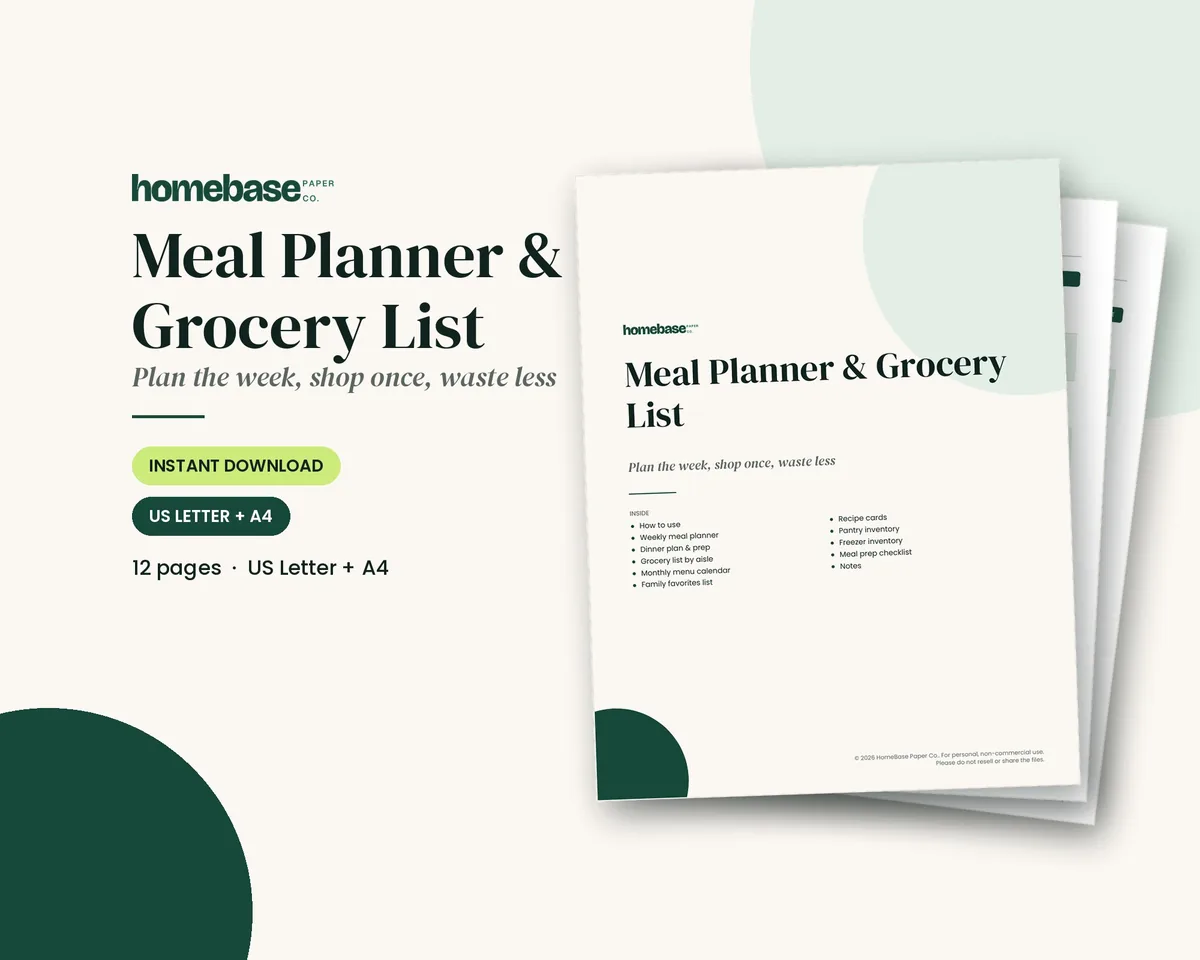
- Next step: Plan it with the Meal Planner & Grocery List ($3.99).
Good fridge organization saves money, cuts food waste and keeps your family safe. When everything has a place, you can see what you have, use food before it spoils and keep raw meat away from ready-to-eat food. This guide walks through what goes on each shelf, drawer and door, the right temperatures, how long common foods keep, and a quick weekly reset that keeps it all working.
Start with the right temperature
Before you rearrange anything, check the temperature. The FDA's guide to storing food safely says to keep the fridge at 40°F or below and the freezer at 0°F. Use an inexpensive appliance thermometer, because the dial on most fridges is just a setting, not a reading. Many people set it to 37°F to stay safely under the limit.
USDA's refrigeration guide explains that cold slows bacteria but doesn't stop them, which is why time limits matter too.
Fridge organization, shelf by shelf
| Zone | What goes there | Why |
|---|---|---|
| Top shelves. | Leftovers, drinks, ready-to-eat food, herbs. | Easy to see and grab. |
| Middle shelves. | Dairy, eggs in the carton, deli meat. | Steady, cold temperature. |
| Bottom shelf. | Raw meat, poultry and seafood in a container. | Coldest spot and no drips on other food. |
| Crisper drawers. | Vegetables in one, fruit in the other. | Controls humidity. |
| Door. | Condiments, juice, butter, dressings. | Warmest spot, fine for these items. |
The main rule: anything raw that you'll cook goes on the bottom, and anything you'll eat as-is goes above it. That way, a leak from a package of chicken can't drip onto your salad.
The crisper drawers
If your drawers have a slider, set one to high humidity and one to low:
- High humidity (closed vent): leafy greens, herbs, broccoli, carrots, peppers and other vegetables that wilt.
- Low humidity (open vent): apples, pears, grapes, stone fruit and avocados once ripe.
Fruits like apples give off ethylene gas, which speeds ripening. Keeping them away from vegetables helps both last longer. Don't wash berries until you're ready to eat them, since extra moisture leads to mold. Apples going soft? Cook them into homemade applesauce and freeze it.
The door
The door is the warmest part of the fridge, because it swings open many times a day. Keep milk and eggs on shelves instead. The door is ideal for:
- Ketchup, mustard, mayonnaise and other condiments.
- Salad dressings, jams and pickles.
- Juice and bottled water.
- Butter, in a covered dish.
How long food keeps
FoodSafety.gov's cold food storage chart lists these fridge times at 40°F or below:
| Food | Fridge time |
|---|---|
| Raw chicken or turkey. | 1 to 2 days. |
| Raw ground meat. | 1 to 2 days. |
| Raw steaks, chops and roasts. | 3 to 5 days. |
| Cooked leftovers. | 3 to 4 days. |
| Opened deli meat. | 3 to 5 days. |
| Egg, chicken or tuna salad. | 3 to 4 days. |
| Raw eggs in the shell. | 3 to 5 weeks. |
| Bacon. | 1 week. |
| Soups and stews. | 3 to 4 days. |
Write the date on leftovers with a marker and masking tape. A dated container is far more likely to get eaten than a mystery one.
Bins, labels and other tools
You don't need a full set of matching containers. A few simple tools go a long way:
- Clear bins group small items like yogurt cups, cheese or snacks, and slide out like drawers.
- A turntable in the back corner keeps sauces and jars from getting lost.
- An "eat first" bin at eye level holds food that needs using up soon.
- A raw meat tray on the bottom shelf catches drips.
- Masking tape and a marker date every leftover.
- Egg and can holders save space, but only if they fit how you use the fridge.
Measure your shelves before you buy bins, and start with three or four. Add more only when you see where you need them.
An "eat first" bin cuts waste
The EPA's guide to preventing wasted food at home recommends planning meals, shopping with a list and storing food so you can see it. An "eat first" bin does all of that in one step. Put leftovers, half-used vegetables and anything near its date in it, and check it before you cook or snack. Kids can learn to look there first, too.
Ripe fruit left on the counter draws pests; here is how to get rid of fruit flies if they show up.
A 15-minute weekly fridge reset
Do this the day before you shop:
- Pull out the leftovers. Toss anything older than 3 to 4 days.
- Check dates on milk, deli meat and opened jars.
- Wipe spills on the shelves with warm, soapy water.
- Move items that need using into the eat-first bin.
- Make a list of what you have and what you need.
- Plan meals around what's already there.
Every 3 or 4 months, do a deep clean: empty it, wash the shelves and drawers, wipe the door seals and vacuum the coils if your model has them exposed. Our kitchen cleaning checklist lists the steps.
French door, side-by-side and small fridges
The same rules apply to every fridge, but the layout changes:
- French door fridges have wide shelves and a freezer drawer below. Use the full-width shelf for party platters and sheet pans, and keep a bin in each back corner so nothing gets lost.
- Side-by-side fridges have tall, narrow shelves. Use slim bins that pull out like drawers, and keep the most-used items at eye level.
- Top-freezer fridges are often coldest near the top, close to the freezer vent. Keep delicate produce away from the vent so it doesn't freeze.
- Small or apartment fridges have little room. Decant bulky items, buy smaller sizes, and shop twice a week instead of once.
Common fridge organization mistakes
- Raw meat on the top shelf. Juices can drip onto everything below.
- Milk in the door. It warms up every time you open the fridge.
- Overstuffing. Cold air needs room to circulate, or food spoils faster.
- Hot food straight into a packed fridge in a big pot. Divide it into shallow containers first.
- Washing produce before storing. Extra moisture speeds spoilage.
- Buying bins before decluttering. Clean out first, then see what you need.
- Ignoring the thermometer. A fridge that runs at 43°F looks the same as one at 37°F.
What to keep out of the fridge
Some foods keep better on the counter or in the pantry. Store bananas, whole tomatoes, potatoes, onions, garlic, winter squash and bread outside the fridge, since cold changes their texture or flavor. Once you cut a tomato or onion, cover it and refrigerate it. Keep potatoes and onions apart, too, since onions can make potatoes sprout faster. Bananas that turn too spotty are perfect for our recipe for banana bread.
A quick fridge deep clean
Every few months, take everything out and set perishables in a cooler. Remove the shelves and drawers and wash them in warm, soapy water; let glass shelves warm to room temperature first so they don't crack. Wipe the inside walls with a mix of 1 tablespoon of baking soda in a quart of warm water. Dry everything, put it back, and return only food that's still good. Place an open box of baking soda on a back shelf to absorb odors, and replace it every 3 months.
Fridge organization for families
For families with kids, a few tweaks help:
- A snack bin at kid height with approved snacks.
- A lunch-packing zone with sandwich fixings and fruit cups in one bin.
- Drinks on one shelf so no one is digging behind the leftovers.
- Labels or pictures on bins for younger kids.
Fridge organization for the holidays
Before Thanksgiving or Christmas, clear a shelf a few days ahead. Use up leftovers, freeze what you can, and move condiments to a cooler or the garage if it's cold enough. Leave room on the bottom shelf for a thawing turkey or ham in a pan. A packed fridge cools poorly, so keep some space for air to move. Our guide on pantry organization helps make room in the rest of the kitchen.
Plan meals around your fridge
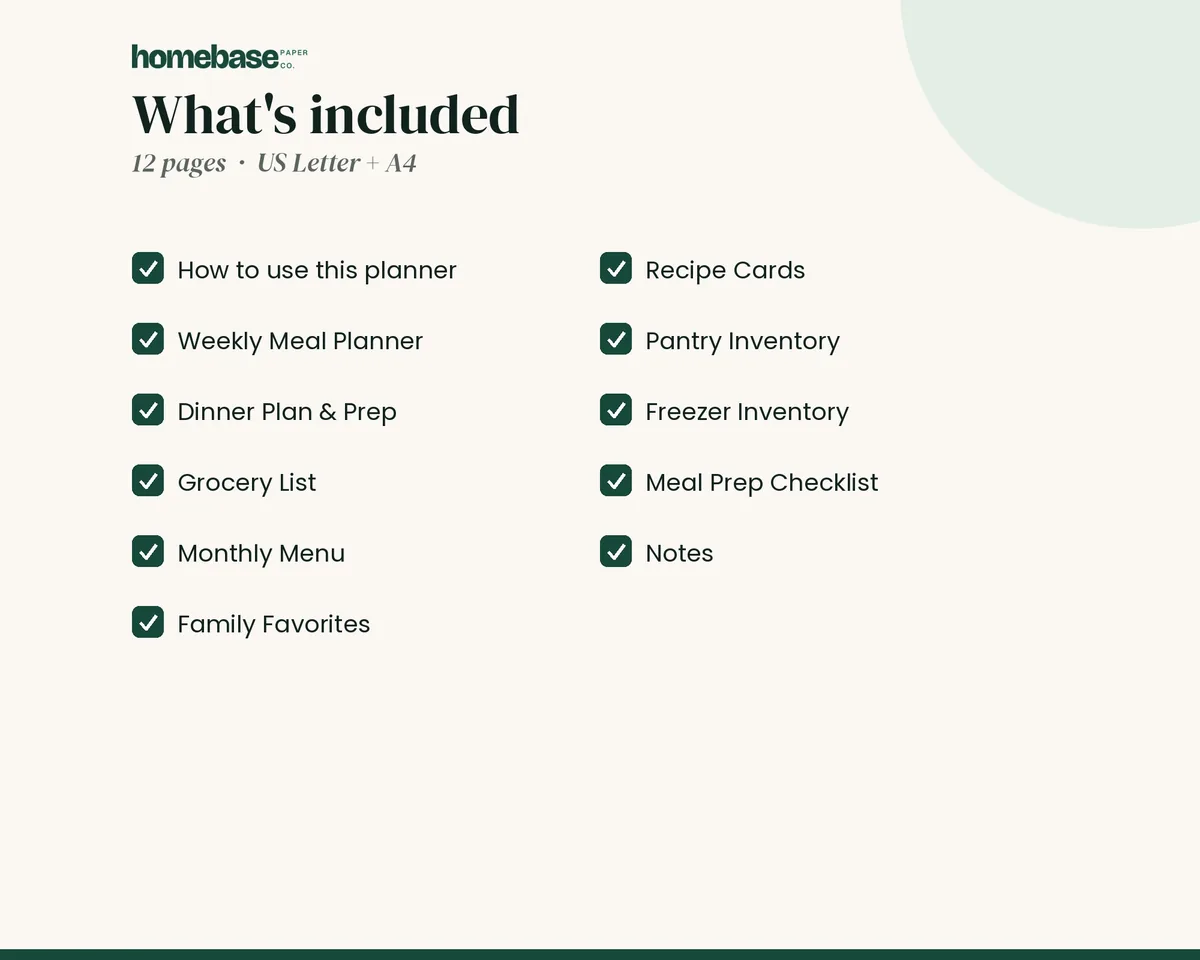
The best fridge organization starts at the grocery store. Shopping from a meal plan means you bring home only what you'll use. The Meal Planner & Grocery List ($3.99) includes a weekly meal planner, an aisle-sorted grocery list and pantry and freezer inventories, so you can check what you have before you shop. The Household Binder ($6.99) adds family calendars, meal and grocery pages and cleaning lists for the whole house.
For more ideas, see our freezer inventory list, monthly meal planner and freezer meals guide. More kitchen systems live in kitchen organization.
Make it easier
Tools for this
 Starter pick
Printables
Meal Planner & Grocery List
Weekly meals, a grocery list sorted by aisle, and pantry and freezer inventories so you shop once and waste less.

Printables
Household Binder
Family info, emergency plan, calendars, meals, groceries, cleaning, bills and sitter notes.
Frequently asked questions
What is the best way to organize a fridge? The best fridge organization puts ready-to-eat food on the top shelves, dairy and eggs in the middle, raw meat on the bottom shelf in a container, produce in the drawers and condiments in the door. That order keeps raw meat juices from dripping onto food that won't be cooked, and puts the most-used items at eye level. A weekly meal plan, like the one in our Meal Planner & Grocery List ($3.99), keeps it from filling up again.
What temperature should a fridge be? Keep your fridge at 40°F or below and your freezer at 0°F, according to the FDA. Many people aim for 37°F to stay safely under the limit. Use an appliance thermometer, because the dial setting doesn't show the actual temperature.
Where should raw meat go in the fridge? Raw meat, poultry and seafood go on the bottom shelf, in a container or on a plate, so juices can't drip onto other food. Some fridges have a meat drawer near the bottom, which also works. Use or freeze raw chicken and ground meat within 1 to 2 days.
Should eggs go in the fridge door? Eggs usually should not go in the fridge door. The door is the warmest part of the fridge, so eggs keep better in their original carton on a middle or lower shelf. The door is best for condiments, juice and other items that hold up to small temperature swings.
Where should milk go in the fridge? Store milk on a middle or lower shelf toward the back, where it stays coldest, not in the door. That helps it last until the date on the carton. Keep it closed and return it to the fridge right after pouring.
What goes in the fridge crisper drawers? Many fridges have a high-humidity drawer for leafy greens and vegetables that wilt, and a low-humidity drawer for fruit like apples and pears that give off ethylene gas. Keeping them apart helps vegetables last longer. Don't overpack the drawers so air can move.
How long do leftovers last in the fridge? Most leftovers keep 3 to 4 days in the fridge at 40°F or below. Label them with the date, and freeze anything you won't eat in time. When in doubt, throw it out, since harmful bacteria don't always change how food looks or smells.
Are fridge bins worth it? Yes, clear bins are worth it for most families. They group small items, make the back of the shelf easy to reach and keep spills contained. Start with 3 or 4 bins for snacks, cheese and deli, leftovers and raw meat, then add more only if you need them.
How often should you clean out the fridge? Do a quick clean-out once a week, ideally the day before grocery shopping, to toss old leftovers and wipe spills. Give the fridge a deep clean every 3 to 4 months by emptying it, washing shelves and drawers, and wiping the seals.
What foods should not go in the fridge? Foods that should not go in the fridge are bananas, whole tomatoes, potatoes, onions, garlic, bread and winter squash, which usually keep better outside it. Cold can change their texture or flavor. Once cut, though, tomatoes and onions should be refrigerated in a covered container.
How do you keep a fridge from getting overcrowded? Plan meals before you shop, buy only what you'll use that week, and do a quick clean-out the day before shopping. An overstuffed fridge also cools poorly, since cold air needs room to move. Keep about a quarter of each shelf open.
How do I plan meals around what is in my fridge? Check the fridge before you plan, and build the first few dinners of the week around food that needs using up. The Meal Planner & Grocery List ($3.99) has a weekly meal plan, an aisle-sorted grocery list and pantry and freezer inventories to make that easy.
More from HomeBase
You may also like
Printables
Cleaning Schedule
Daily, weekly, monthly and seasonal lists - plus a family chore chart.
Printables
Home Maintenance Log
Monthly, seasonal and annual checklists plus a record of every appliance and repair.
Printables
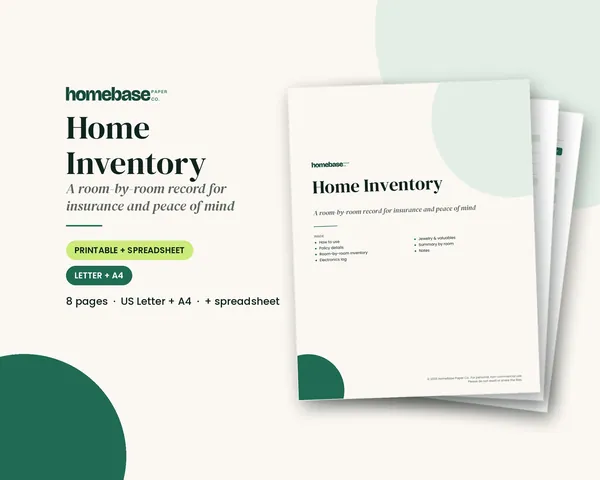
Home Inventory
Printable pages and a spreadsheet that totals the value of every room.
 Save 48%
Bundles
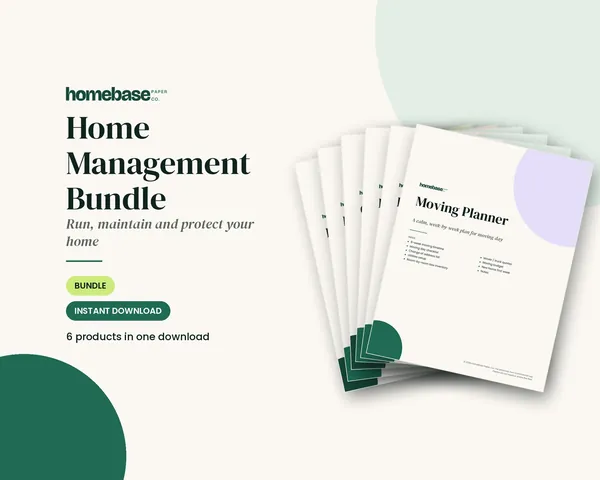
Home Management Bundle
Household binder, maintenance log, moving planner, cleaning schedule, home inventory and password log.
 Club
Monthly club
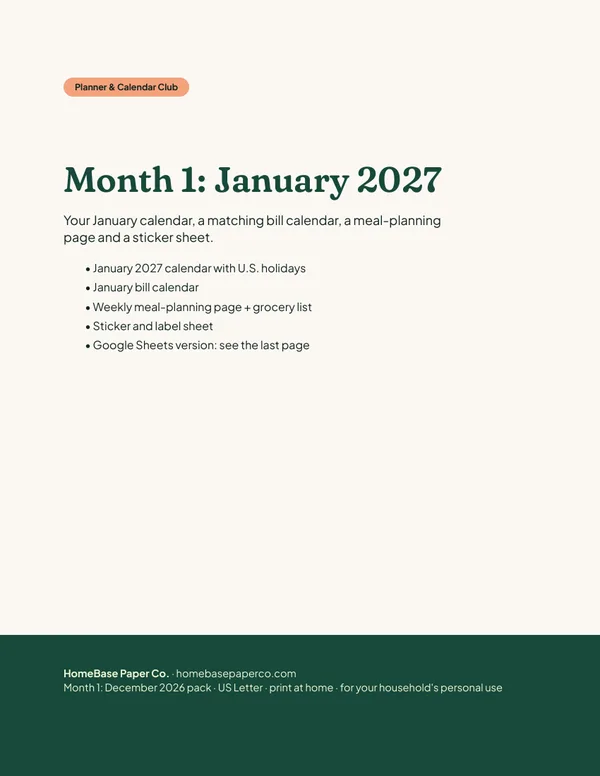
Planner & Calendar Club
Anyone who wants a monthly calendar, bill calendar and meal plan ready to print.
Free printable
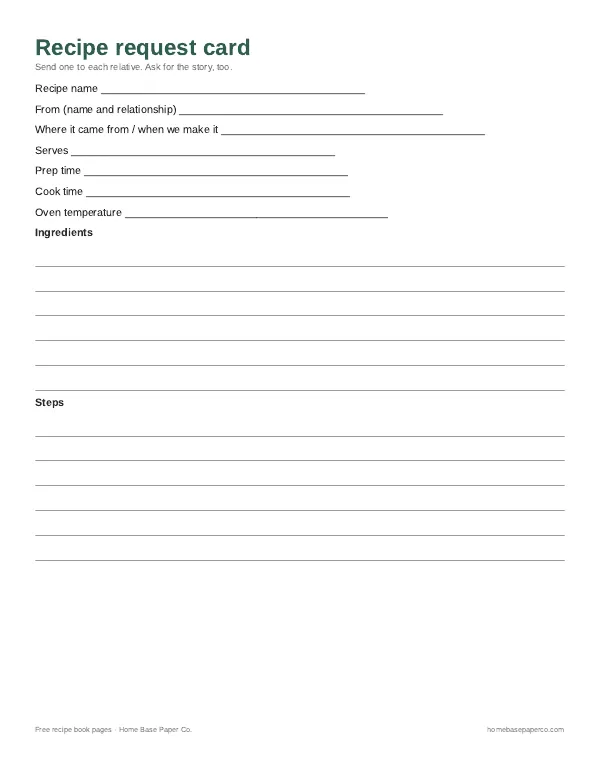
Save the family favorites: get the free recipe book pages
Printable recipe pages and a recipe request card to send to relatives, so the dishes everyone loves end up in one book. You'll also get our weekly HomeBase email with easy meal planning ideas and family recipe tips.
Sources
- FDA: Are you storing food safely? fda.gov
- USDA FSIS: Refrigeration and food safety fsis.usda.gov
- FoodSafety.gov: Cold food storage chart foodsafety.gov
- EPA: Preventing wasted food at home epa.gov