

The short answer: classic hollandaise sauce emulsifies 3 egg yolks with ½ cup of warm melted butter and 1 tablespoon of lemon juice. Use a blender for the fast method, or a whisk over a double boiler when you want full heat control.
- Key numbers: 3 yolks · ½ cup butter · 1 tablespoon lemon · about ¾ cup sauce · yolks to about 160°F · ready in 5 to 10 minutes
- Top moves: warm (not scorching) butter, add it slowly, and fix a break with a fresh yolk or a spoon of hot water
- Free and paid next step: get the free recipe book starter pages (we email it to you), or plan brunch with the Meal Planner & Grocery List ($3.99).
Our picks for hollandaise sauce
 Starter pick
Printables
Meal Planner & Grocery List
Weekly meals, a grocery list sorted by aisle, and pantry and freezer inventories so you shop once and waste less.
Printables
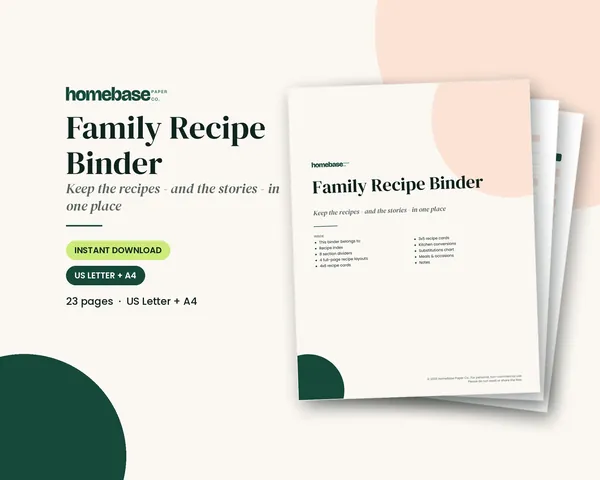
Family Recipe Binder
Section dividers, four recipe page layouts with room for the family story, 4x6 and 3x5 cards and a conversion chart - print it or type into the fillable version.
 Save 33%
Bundles
Family Life Admin Bundle
Baby logs, chore charts, pet records, meal plans and family recipes in one tidy set.
Ratios and egg-safety guidance in this hollandaise sauce recipe were checked November 5, 2026. The sections below cover ingredients, blender and whisk methods, broken-sauce fixes, what to serve it with and storage.
Hollandaise sauce ingredients
| Ingredient | Amount | Notes |
|---|---|---|
| Egg yolks | 3 large | Room temperature helps the emulsion |
| Unsalted butter | ½ cup (1 stick), melted and warm | Clarify it if you want a silkier sauce |
| Fresh lemon juice | 1 tablespoon | Start with 2 teaspoons and add more to taste |
| Warm water | 1 to 2 teaspoons | Optional, to loosen a thick sauce |
| Kosher salt | ¼ teaspoon | |
| Cayenne or white pepper | Pinch | Optional |
Makes about ¾ cup, enough for 4 servings of eggs Benedict or a pound of asparagus.
Blender hollandaise sauce
- Melt the butter. Warm it until hot and foamy, about 180°F. It should steam lightly, not brown.
- Blend the yolks. Put the yolks, lemon juice and salt in a blender. Blend 10 seconds.
- Stream the butter. With the blender running on low, pour the hot butter in a thin stream. The sauce should thicken and turn pale yellow in under a minute.
- Adjust. Blend in warm water a teaspoon at a time if it is too thick. Taste for salt and lemon.
The hot butter cooks the yolks as it hits them. Check the sauce with an instant-read thermometer when you can; FoodSafety.gov lists 160°F as the safe minimum for egg dishes, and the FDA's egg safety page recommends cooking egg dishes thoroughly or using pasteurized eggs.
Whisk hollandaise sauce (double boiler)
- Set up the bowl. Whisk the yolks and lemon juice in a heatproof bowl. Set the bowl over a pan of barely simmering water. The water should not touch the bowl.
- Cook the yolks. Whisk constantly until the mixture thickens, lightens and reaches about 160°F. It should leave a trail on the whisk.
- Add the butter. Take the bowl off the heat. Whisk in the warm melted butter a tablespoon at a time until the sauce is glossy.
- Season. Add salt and cayenne. Loosen with a teaspoon of warm water if needed.
If the bowl gets too hot, lift it off the pan and keep whisking. Scrambled flecks mean the heat climbed too high; start over with fresh yolks if it curdles hard.
How to fix broken hollandaise sauce
| Problem | What it looks like | Fix |
|---|---|---|
| Broken / oily | Butter separates into a greasy pool | Whisk 1 fresh yolk in a clean bowl, then slowly stream in the broken sauce |
| Too thick | Stiff, almost like mayo | Whisk in warm water 1 teaspoon at a time |
| Too thin | Runs off a spoon | Whisk over gentle heat a minute more, or whisk in another yolk |
| Scrambled | Tiny cooked egg bits | Strain if bits are few; otherwise start a new yolk base and use the strained liquid carefully |
| Too lemony | Sharp and thin | Whisk in a little more warm butter |
Prevention tip: keep the butter warm, not smoking, and add it slowly. Cold butter or a dump-and-stir pour is the usual reason hollandaise sauce breaks.
What to serve with hollandaise sauce
- Eggs Benedict: toasted English muffins, Canadian bacon or ham, poached eggs and a spoon of hollandaise. This page covers the sauce; the full plate is on the eggs Benedict recipe.
- Vegetables: steamed asparagus, broccoli, roasted cauliflower or blanched green beans.
- Seafood: baked salmon, shrimp or crab cakes.
- Brunch plates: breakfast sandwiches, breakfast burritos or a breakfast pizza with a light drizzle.
- Steak and potatoes: a small spoon over grilled steak or baked mac and cheese for a rich brunch side.
For other homemade sauces, see marinara sauce, alfredo sauce and chimichurri.
Holding and storing hollandaise
Hollandaise is best served within about 30 minutes. Hold it in a thermos rinsed with hot water, or over a warm water bath around 140 to 150°F, and whisk now and then. Do not leave it in the danger zone of 40°F to 140°F for more than 2 hours. Leftover hollandaise rarely reheats well; make a fresh half batch instead of risking a broken reheat. A simpler egg plate for the same sauce is a skillet of scrambled eggs.
Pasteurized eggs are a good choice for anyone serving pregnant guests, young children, older adults or anyone with a weaker immune system, especially if you are not confirming 160°F with a thermometer.
Plan brunch and save the recipe
Put eggs, butter, lemons and English muffins on the same list as the rest of brunch so one trip covers it.
- Meal Planner & Grocery List, $3.99. A weekly menu grid and an aisle-sorted shopping list.
- Family Recipe Binder, $6.99. Fillable recipe pages and cards for sauces and brunch favorites.
- Family Life Admin Bundle, $15.99 (
$23.95bought separately). Includes both printables above plus three more household organizers.
Browse every planner in our printables shop.
Frequently asked questions
What is hollandaise sauce made of? Hollandaise sauce is egg yolks, melted butter and lemon juice, seasoned with salt and a pinch of cayenne or white pepper. Some cooks add a spoonful of warm water to loosen it.
How do you make hollandaise sauce in a blender? Blend 3 egg yolks with 1 tablespoon of lemon juice and a pinch of salt, then slowly stream in ½ cup of hot melted butter with the blender running until the sauce is thick and pale yellow. It takes about 1 minute.
How do you make hollandaise sauce by hand? Whisk 3 egg yolks with 1 tablespoon of lemon juice in a heatproof bowl set over barely simmering water until the yolks thicken and reach about 160°F, then whisk in ½ cup of warm melted butter a little at a time. Keep the water at a gentle simmer so the eggs do not scramble.
Why did my hollandaise sauce break? Hollandaise sauce usually breaks when the butter is added too fast, the yolks get too hot and scramble, or the sauce cools and separates. Fix a broken sauce by whisking a fresh yolk in a clean bowl and slowly streaming the broken sauce into it, or by whisking in a spoonful of hot water.
Is hollandaise sauce safe to eat? Hollandaise is safest when the yolks are heated to 160°F, the FoodSafety.gov minimum for egg dishes, or when you start with pasteurized eggs. The FDA's egg-safety guidance also points to cooking egg dishes thoroughly. Serve hollandaise soon after making it and do not leave it out more than 2 hours.
Can I make hollandaise sauce ahead of time? Hollandaise is best within about 30 minutes of making it. You can hold it in a warm thermos or over a warm (not hot) water bath for up to an hour, stirring now and then. Reheating leftover hollandaise often breaks it, so make a fresh small batch when you can.
What do you serve with hollandaise sauce? Hollandaise is classic on eggs Benedict, steamed asparagus, broccoli, poached salmon, roasted vegetables and steak. Spoon it over warm food so it stays silky.
Can I make hollandaise without a blender? Yes, you can make hollandaise without a blender. The classic whisk method over a double boiler makes excellent hollandaise. You only need a heatproof bowl, a whisk and careful heat control.
How do I keep hollandaise warm without breaking it? Keep hollandaise over warm water around 140 to 150°F, or in a thermos rinsed with hot water. Do not let it simmer, and whisk in a teaspoon of warm water if it thickens too much.
What is the difference between hollandaise and bearnaise? Hollandaise is butter, egg yolks and lemon. Bearnaise starts the same way, then adds a reduction of white wine vinegar, shallot and tarragon. Use hollandaise for brunch and asparagus; use bearnaise for steak.
How do I plan a brunch menu around hollandaise? The Meal Planner & Grocery List ($3.99) from HomeBase Paper Co. has a weekly menu grid and an aisle-sorted shopping list, so eggs, butter, lemons and English muffins land on one trip.
Where can I save my hollandaise sauce recipe? The Family Recipe Binder ($6.99) from HomeBase Paper Co. has fillable recipe pages and cards, so your preferred yolk-to-butter ratio stays with your other sauces.
Free printable
Get organized for the new year: get the free 2027 planner
A 16-page printable 2027 planner with a year-at-a-glance page and monthly calendars with US holidays marked. You'll also get our weekly HomeBase email with simple planning and home organization tips.

Sources
- FDA: What you need to know about egg safety fda.gov
- FoodSafety.gov: Safe minimum internal temperatures foodsafety.gov
- USDA FSIS: Danger zone, 40°F to 140°F fsis.usda.gov