The short answer: eel sauce (unagi sauce) is a thick, sweet-salty glaze made from soy sauce, mirin and sugar. It contains no eel. Simmer equal parts soy sauce and mirin with sugar for about 8 to 10 minutes, until it coats a spoon. It thickens more as it cools.
- Key numbers: 1/4 cup soy sauce · 1/4 cup mirin · 2 to 3 tablespoons sugar · makes about 1/3 cup
- Top moves: simmer, do not boil hard; stop before it looks thick; store it in a clean jar in the fridge
- Free and paid next step: get the free recipe book starter pages (we email it to you), or keep your ratio in the Family Recipe Binder ($6.99).
Our picks for eel sauce
 Starter pick
Printables
Meal Planner & Grocery List
Weekly meals, a grocery list sorted by aisle, and pantry and freezer inventories so you shop once and waste less.

Printables
Family Recipe Binder
Section dividers, four recipe page layouts with room for the family story, 4x6 and 3x5 cards and a conversion chart - print it or type into the fillable version.
The name comes from its job in Japanese cooking: it is the glaze brushed on grilled freshwater eel (unagi) and served over rice. At sushi restaurants and at home, it goes far beyond eel, drizzled on rolls, salmon, chicken and rice bowls.
Eel sauce ingredients
| Ingredient | Amount | Notes |
|---|---|---|
| Soy sauce | 1/4 cup | Tamari labeled gluten-free for a gluten-free sauce |
| Mirin | 1/4 cup | Sweet Japanese rice wine for cooking |
| Granulated sugar | 2 to 3 tablespoons | Use 3 for a sweeter, thicker sauce |
| Sake (optional) | 1 tablespoon | Adds depth; use more mirin if skipping |
| Cornstarch (optional) | 1 teaspoon | Whisked into 2 teaspoons cold water, for a quick thicken |
Makes about 1/3 cup, enough to drizzle 4 sushi rolls or a 9 x 13 sushi bake. Double it for a jar to keep in the fridge; the simmer time goes up by a few minutes.
How to make eel sauce
- Combine. Add the soy sauce, mirin, sugar and sake (if using) to a small saucepan. Stir over medium heat until the sugar dissolves.
- Simmer. Bring it to a gentle simmer, then lower the heat so it bubbles softly at the edges. A hard boil can scorch the sugar and make the sauce bitter.
- Reduce. Simmer 8 to 10 minutes, stirring now and then, until it has reduced by about a third and coats the back of a spoon in a thin layer. It will still look looser than bottled sauce.
- Check the thickness. Drip a little onto a cold plate and wait 30 seconds. If it holds a line when you drag a finger through it, it is done. If not, simmer 1 to 2 minutes longer.
- Cool. Take it off the heat and let it cool in the pan. It thickens noticeably as it cools. Pour it into a clean jar or squeeze bottle.
If you are short on time, use the cornstarch: whisk the slurry into the simmering sauce after 3 to 4 minutes and cook 1 minute more, until glossy.
Eel sauce vs teriyaki sauce
Both sauces start with soy sauce, mirin and sugar, so they are easy to confuse. The difference is in how far they are cooked and how they are used.
| Eel sauce | Teriyaki sauce | |
|---|---|---|
| Base | Soy sauce, mirin, sugar, sometimes sake | Soy sauce, mirin or sugar, often garlic and ginger |
| Texture | Thick, syrupy drizzle | Thinner; thickened only for glazing |
| Sweetness | Sweeter | Balanced sweet and salty |
| Main use | Finishing drizzle on sushi, eel, rice bowls | Marinade, stir-fry sauce, glaze |
If you want a sauce with garlic and ginger to marinate chicken or cook into a stir-fry, use teriyaki sauce. If you want a sweet, glossy drizzle for the top of a plate, use eel sauce.
Ways to use eel sauce
- Sushi rolls: drizzle over dragon rolls, shrimp tempura rolls, California rolls and anything with avocado or cooked fish.
- Sushi bake: zigzag it over the top of a sushi bake with spicy mayo just before serving.
- Unadon-style rice bowl: brush it on grilled or broiled eel, or on salmon, and serve over steamed rice with more sauce spooned on top.
- Salmon: brush it on baked salmon for the last 2 to 3 minutes of cooking, or drizzle it on after.
- Chicken and tofu: glaze grilled chicken thighs or pan-fried tofu in the final minute of cooking.
- Vegetables: brush it on grilled eggplant, roasted sweet potato or charred broccoli.
- Rice and eggs: a thin drizzle over fried rice, onigiri or a rolled omelet.
- Dipping: mix 2 parts eel sauce with 1 part mayonnaise for a sweet sushi dip. For a sweet-and-spicy dip, see sweet chili sauce.
Because eel sauce is high in sugar, it burns quickly over direct heat. Brush it on near the end of cooking, not at the start.
Variations
- Gluten-free eel sauce: use tamari labeled gluten-free and check the mirin label, since some brands contain added ingredients.
- Without mirin: use 1/4 cup dry sherry or sake plus 1 extra tablespoon of sugar, or 3 tablespoons water with 1 tablespoon rice vinegar and 1 extra tablespoon of sugar.
- Lower-sodium: use reduced-sodium soy sauce. It will need a slightly longer simmer to thicken.
- Honey or brown sugar: swap some or all of the sugar for honey or brown sugar for a darker, rounder flavor. Honey makes the sauce more likely to scorch, so keep the heat low.
- Spicy eel sauce: stir in 1/4 to 1/2 teaspoon sriracha or a pinch of red pepper flakes after cooling.
- Restaurant-style depth: simmer a few grilled eel bones or a small piece of kombu in the sauce, then strain. This is the traditional base for kabayaki, but it is optional.
Allergens and dietary notes
Regular soy sauce is brewed from soybeans and wheat, so standard eel sauce contains two of the nine major food allergens the FDA lists: soybeans and wheat. The same list includes fish, which matters for bottled sauces that add fish extract or bonito. If you are cooking for someone with allergies, make the sauce at home so you know exactly what is in it, and read every bottle label.
Homemade eel sauce with soy sauce, mirin and sugar is vegan. Mirin contains alcohol; simmering cooks some of it off, but not necessarily all of it.
Troubleshooting eel sauce
It is too thin. It may still be warm. Let it cool for 10 minutes before judging. If it is still thin, simmer it 2 more minutes or use the cornstarch slurry.
It turned hard or sticky like candy. It was reduced too far. Warm it gently with 1 to 2 tablespoons of water and stir until it loosens.
It tastes bitter or burnt. The sugar scorched, usually from high heat. Start over and keep it at a gentle simmer.
It is too salty. Add 1 tablespoon each of mirin and sugar and simmer 1 minute. Reduced-sodium soy sauce helps next time.
It crystallized in the fridge. Set the jar in a bowl of warm water, or warm it gently in a pan, and stir.
How to store eel sauce
Pour cooled eel sauce into a clean jar or squeeze bottle, cover it, and refrigerate it. Keep your refrigerator at or below 40°F, as the FDA storage guidance recommends. Use homemade eel sauce within about 2 weeks for best flavor, and discard it if you see mold or it smells sour. Use a clean spoon each time so you do not introduce food from the plate.
Cold eel sauce is thick. Let it sit at room temperature for a few minutes, or set the bottle in warm water, before drizzling. For bottled eel sauce, follow the storage directions on the label.
A cheap upgrade for weeknight rice bowls
A batch of eel sauce costs little to make from pantry bottles you probably already keep for stir-fries: soy sauce, mirin and sugar. One small pan turns plain rice, a fried egg, leftover salmon or roasted vegetables into a sushi-style bowl, which makes it a useful tool for stretching leftovers into another dinner. Keep the three bottles on your pantry list and you can make it any night. For more low-cost dinner ideas built around rice and pantry staples, see cheap meal ideas.
Plan the shopping and save the recipe
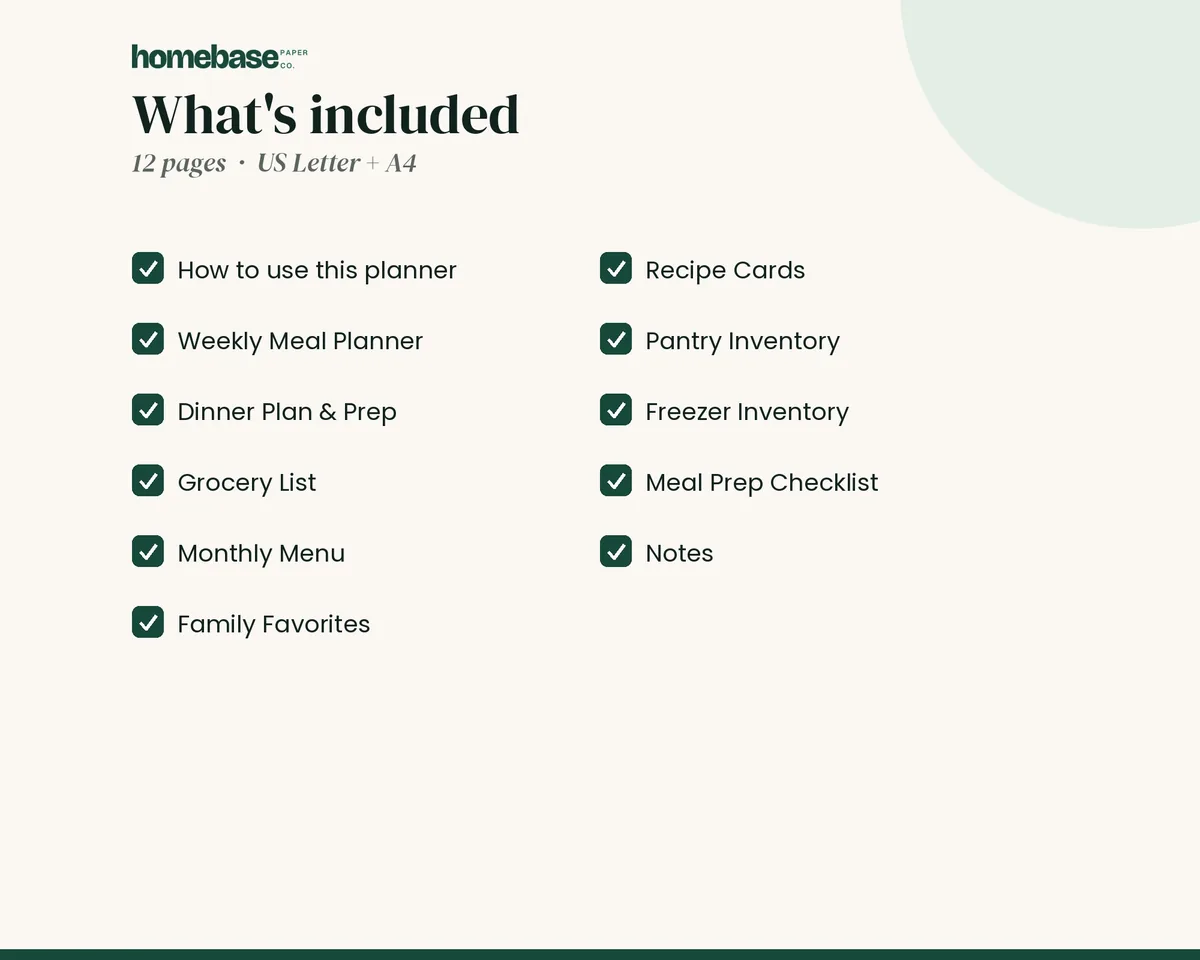
Put sushi bake or rice bowls on the week plan so the sauce, rice and fish land on the same shopping trip.
- Meal Planner & Grocery List, $3.99. A weekly menu, aisle-sorted grocery list and pantry inventory.
- Family Recipe Binder, $6.99. Write down your eel sauce ratio and simmer time next to the dishes you serve it with.
Browse more kitchen printables in the printables shop.
Want free starter pages before you buy a binder? Get the free recipe book pages (we email it to you).
Frequently asked questions
What is eel sauce made of? Eel sauce is made of soy sauce, mirin and sugar, simmered until it reduces into a thick, glossy glaze. Some versions add a splash of sake. It is also called unagi sauce or kabayaki sauce.
Does eel sauce have eel in it? Eel sauce does not contain eel in most homemade and bottled versions. The name comes from its use as the glaze brushed on grilled freshwater eel (unagi). Read the label on bottled sauce if you avoid fish, since a few brands add fish extract.
What does eel sauce taste like? Eel sauce tastes sweet and salty with a deep, savory soy flavor, a little like a thicker, sweeter teriyaki sauce. It has no fishy taste.
Is eel sauce the same as teriyaki sauce? Eel sauce and teriyaki sauce share soy sauce, mirin and sugar, but eel sauce is reduced further, so it is thicker and sweeter. Teriyaki sauce usually adds garlic or ginger and is used as a marinade or glaze.
Is eel sauce gluten-free? Eel sauce is not gluten-free when made with regular soy sauce, which contains wheat. Make a gluten-free eel sauce with tamari labeled gluten-free and a mirin whose label you have checked.
Is eel sauce vegan? Homemade eel sauce made from soy sauce, mirin and sugar is vegan. Some bottled brands add fish extract or bonito, so check the ingredient list.
How long does homemade eel sauce last? Homemade eel sauce keeps about 2 weeks in a clean, covered jar in the refrigerator. Discard it if you see mold or it smells off.
How do you thicken eel sauce? Thicken eel sauce by simmering it a few minutes longer, since it thickens more as it cools. For a fast fix, whisk 1 teaspoon cornstarch into 2 teaspoons cold water and simmer it in for 1 minute.
What can I substitute for mirin in eel sauce? For eel sauce without mirin, use 1/4 cup dry sherry or sake plus 1 extra tablespoon of sugar, or 3 tablespoons water with 1 tablespoon rice vinegar and 1 extra tablespoon of sugar.
What do you put eel sauce on? Put eel sauce on sushi rolls, sushi bake, grilled eel over rice, salmon, chicken, tofu, grilled eggplant and rice bowls. Drizzle it at the end; it burns if it cooks too long over high heat.
Free printable
Get organized for the new year: get the free 2027 planner
A 16-page printable 2027 planner with a year-at-a-glance page and monthly calendars with US holidays marked. You'll also get our weekly HomeBase email with simple planning and home organization tips.