

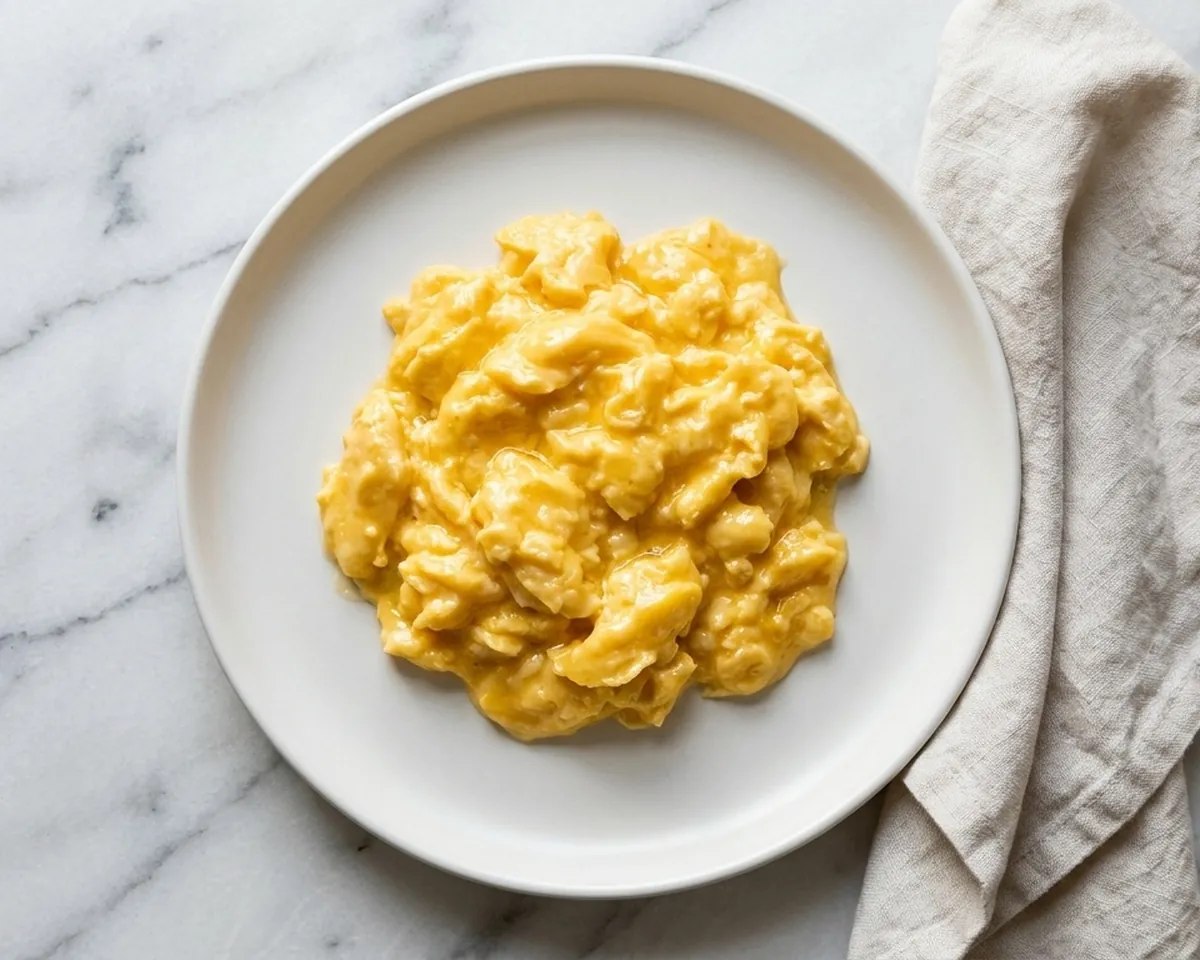
The short answer: great scrambled eggs start with beaten eggs, butter and low heat, stirred into soft curds and pulled from the pan while still a little glossy for fluffy scrambled eggs, or cooked a minute longer for firm ones.
- Key numbers: 2 to 3 eggs per person · low to medium-low heat · about 5 to 10 minutes · optional 1 teaspoon water per 2 eggs
- Top moves: do not overbeat, use enough butter, stir gently, stop while slightly wet, serve immediately
- Free and paid next step: get the free recipe book starter pages (we email it to you), or plan breakfasts with the Meal Planner & Grocery List ($3.99).
Our picks for scrambled eggs
 Starter pick
Printables
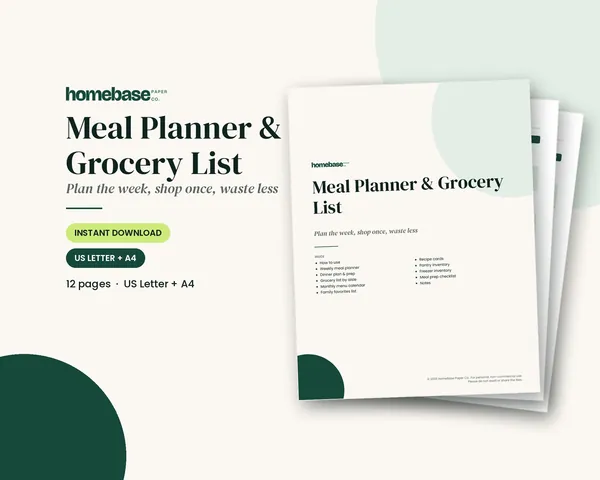
Meal Planner & Grocery List
Weekly meals, a grocery list sorted by aisle, and pantry and freezer inventories so you shop once and waste less.
Printables
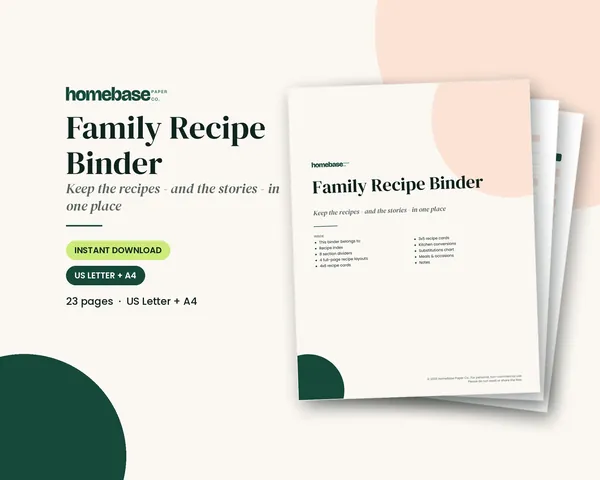
Family Recipe Binder
Section dividers, four recipe page layouts with room for the family story, 4x6 and 3x5 cards and a conversion chart - print it or type into the fillable version.
Methods and egg-safety notes for this scrambled egg recipe were checked November 6, 2026. Below: ingredients, soft vs firm technique, milk vs water, troubleshooting and storage.
Scrambled eggs ingredients (1 to 2 servings)
| Ingredient | Amount | Notes |
|---|---|---|
| Large eggs | 2 to 3 per person | Fresher eggs scramble cleanly |
| Butter or neutral oil | 1 to 2 teaspoons | Butter for flavor |
| Kosher salt | Pinch | Season the beaten eggs |
| Black pepper | To taste | Optional, finish at the end |
| Water or milk (optional) | 1 teaspoon water per 2 eggs, or 1 tablespoon milk | Not required |
| Chives, cheese or cooked add-ins | 2 to 3 tablespoons | Fold in at the end |
Serves 1 hungry person with 3 eggs, or 2 light plates with 2 eggs each.
How to scramble eggs (soft or firm)
- Beat just until blended. Crack eggs into a bowl with a pinch of salt. Beat with a fork until yolks and whites are one color. Stop before the mixture turns foamy; overbeating can make scrambled eggs tough.
- Optional liquid. For fluffier curds, stir in about 1 teaspoon of water per 2 eggs. For a softer dairy note, use up to 1 tablespoon of milk for 2 to 3 eggs. Skip liquid entirely if you want a pure egg flavor.
- Warm the pan. Set an 8 to 10 inch nonstick skillet over low to medium-low heat. Melt the butter until it foams but does not brown.
- Cook gently. Pour in the eggs. As edges set, pull soft curds toward the center with a silicone spatula and tilt the pan so uncooked egg fills the gaps. Keep the heat low so large, tender curds form.
- Choose soft or firm. For soft scrambled eggs, take the pan off the heat while the surface still looks glossy and slightly wet. For firm scrambled eggs, cook another 30 to 60 seconds until the curds look matte and fully set.
- Finish and serve. Pepper, chives or cheese go on now. Plate immediately; scrambled eggs keep cooking on a hot pan and on a hot plate.
Wash hands and tools that touched raw eggs in hot, soapy water before you eat.
Soft vs firm scrambled eggs and egg safety
| Style | Look | Heat / timing | Best for |
|---|---|---|---|
| Soft | Glossy, barely set, large curds | Low heat; pull early | Immediate plating |
| Firm | Matte, fully set, no liquid egg | Low heat; 30–60 seconds longer | Higher-risk diners, meal trays |
USDA FSIS shell-egg guidance notes that eggs can carry Salmonella and advises cooking until yolks and whites are firm. The FDA egg safety page recommends thorough cooking or pasteurized eggs for young children, older adults, pregnant people and anyone with a weaker immune system. Soft restaurant-style scrambled eggs are fine for healthy adults who accept the risk; for higher-risk guests, cook firm or buy pasteurized shell eggs.
Milk vs water (and when to skip both)
- No liquid: clean egg flavor and easy control; the default for the best scrambled eggs when heat and timing are right.
- Water: a small splash can create light steam pockets and help fluffy scrambled eggs without dairy.
- Milk or cream: richer taste and a slightly custardy feel; too much makes watery or spongy curds.
- Cheese: fold grated cheese in off the heat so it melts without overcooking the eggs.
Swap tip: if you already added too much milk, keep stirring on low heat a bit longer so moisture cooks off, and serve with toast to soak any liquid on the plate.
Troubleshooting scrambled eggs
| Problem | Likely cause | Fix |
|---|---|---|
| Rubbery or dry | Heat too high or cooked too long | Lower heat; pull while glossy |
| Watery | Too much milk, or watery raw add-ins | Use less liquid; pre-cook vegetables |
| Gray or browned | Pan too hot; butter browned hard | Medium-low only; fresh butter |
| Tiny dry crumbs | Constant aggressive stirring | Stir less once curds form |
| Sticks | Dry pan or worn nonstick | More butter; better pan |
Easy scrambled egg add-ins
Keep add-ins warm and mostly dry so they do not flood the pan:
- Cheddar, Swiss or feta folded in at the end
- Chives, parsley or soft herbs
- Sautéed spinach, peppers or mushrooms
- Cooked bacon, ham or leftover roasted vegetables
For a folded egg plate instead of stirred curds, see our omelette page. For brunch stacks with poached eggs, use eggs Benedict and hollandaise sauce. Make-ahead protein without the skillet belongs on hard boiled eggs. More morning plates live on breakfast ideas, and our roundup of 20 egg recipes for any meal covers frittata, shakshuka and egg fried rice for dinner.
Storing and reheating scrambled eggs
Refrigerate leftovers within 2 hours. FoodSafety.gov's cold food storage charts and USDA leftovers guidance put cooked leftovers at about 3 to 4 days in the refrigerator. Reheat until steaming hot. Scrambled eggs lose fluffiness after chilling, so many households prefer baking egg muffins for the freezer and saving stove scrambled eggs for fresh mornings. Batching other breakfasts fits beside freezer meals on a prep day.
Plan breakfast and save the recipe
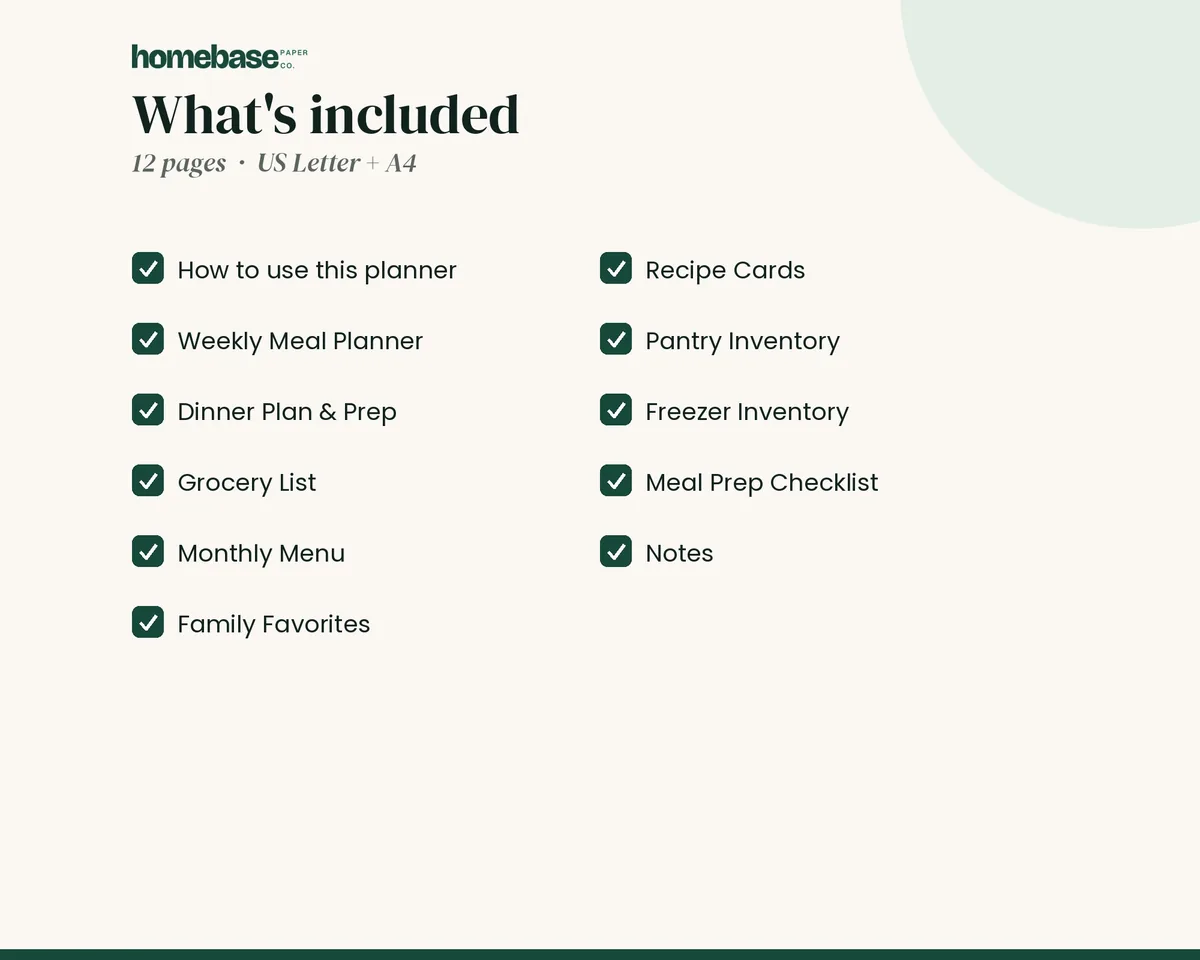
Scrambled eggs use pantry staples once eggs and butter are stocked. Put them on the plan so breakfast is decided before the morning rush.
- Meal Planner & Grocery List, $3.99. A weekly menu, aisle-sorted grocery list and pantry inventory so eggs, butter and bread are already home.
- Family Recipe Binder, $6.99. Keep your soft-or-firm preference, liquid choice and add-in notes with your other family breakfasts.
Browse
For make-ahead breakfast cups, try egg muffins. more kitchen printables in the printables shop. Pair egg mornings with meal planning on a budget or cheap meal ideas when grocery prices climb.
Want free starter pages before you buy a binder? Get the free recipe book pages (we email it to you).
Frequently asked questions
How do you scramble eggs? Beat eggs with a pinch of salt until just blended, melt butter in a nonstick skillet over low to medium-low heat, pour in the eggs, and stir gently with a spatula, pulling soft curds from the edges toward the center. Take the pan off the heat while the eggs still look slightly glossy; carryover heat finishes them.
How do you make fluffy scrambled eggs? Use low heat, do not overbeat the eggs, and stop cooking while they are still a little wet. A teaspoon of water per two eggs can steam tiny pockets into the curds. Stir less once large soft curds form so you do not break them into dry crumbs. Serve right away; fluffy scrambled eggs tighten as they sit.
Should I add milk or water to scrambled eggs? Neither milk nor water is required for scrambled eggs. Plain eggs with salt and butter make excellent scrambled eggs. A splash of water (about 1 teaspoon per 2 eggs) can help fluffiness. Milk or cream softens the flavor and can make the texture a bit more custardy, but too much dairy makes scrambled eggs watery or spongy. Start with no liquid, then test small amounts.
How do you make soft vs firm scrambled eggs? Soft scrambled eggs stay on low heat and come off the stove while still glossy and barely set. Firm scrambled eggs cook a minute longer until the curds look matte and fully set, with no visible liquid egg. Higher-risk diners (young children, older adults, pregnant people and anyone with a weaker immune system) should eat firm scrambled eggs or use pasteurized eggs.
What heat should you use for scrambled eggs? Low to medium-low heat is best for scrambled eggs. High heat browns and toughens the proteins before the curds set evenly. If the pan is smoking or the eggs set in seconds, turn the burner down and start a fresh batch. Patience on low heat is the main difference between rubbery and tender scrambled eggs.
Are soft scrambled eggs safe to eat? USDA FSIS advises cooking eggs until yolks and whites are firm because eggs can carry Salmonella. Soft, glossy scrambled eggs are common in restaurants, but for higher-risk guests use pasteurized shell eggs or cook until the scrambled eggs are fully firm with no runny spots. The FDA egg safety page also recommends thorough cooking or pasteurized eggs for those groups.
How many eggs per person for scrambled eggs? Plan 2 large eggs per person for a light plate, or 3 eggs when scrambled eggs are the main dish. One large egg is about 50 grams. Scale butter and optional liquid with the egg count so the pan does not dry out.
What pan is best for scrambled eggs? An 8 to 10 inch nonstick skillet is the easiest for 2 to 4 eggs. A well-seasoned carbon-steel or stainless pan works if you use enough butter and keep the heat moderate. Avoid a pan that is much larger than the egg volume, or the layer will be too thin and overcook.
Can you make scrambled eggs ahead of time? Scrambled eggs are best fresh. Cooked scrambled eggs keep 3 to 4 days in the refrigerator when chilled within 2 hours, per FoodSafety.gov cold storage charts, but they firm up and lose fluffiness when reheated. For make-ahead mornings, bake egg bites or use hard boiled eggs instead, and keep this stove method for days you can cook to order.
How long do leftover scrambled eggs last? Refrigerate leftover scrambled eggs within 2 hours in a shallow airtight container. USDA leftovers guidance says cooked leftovers keep about 3 to 4 days in the refrigerator. Reheat until steaming hot. Do not leave cooked eggs in the temperature danger zone more than 2 hours.
What can I add to scrambled eggs? Fold in cheese, chives, soft herbs, sautéed spinach, peppers, leftover roasted vegetables, cooked bacon or ham at the end so add-ins do not water down the eggs. Pre-cook watery vegetables. Keep mix-ins to about 2 to 3 tablespoons per 2 eggs so the curds stay the star.
How do I plan scrambled eggs into a week of breakfasts? The Meal Planner & Grocery List ($3.99) from HomeBase Paper Co. has a weekly menu and an aisle-sorted shopping list, so eggs, butter and bread land on one trip. Pencil scrambled eggs on busy mornings because the stove method takes about 5 to 10 minutes.
Where can I save my family's scrambled egg recipe? The Family Recipe Binder ($6.99) from HomeBase Paper Co. has fillable recipe pages and dividers, so your soft-or-firm preference, milk-vs-water note and favorite add-ins stay with your other breakfast recipes. It prints at home on US Letter paper.
Free printable
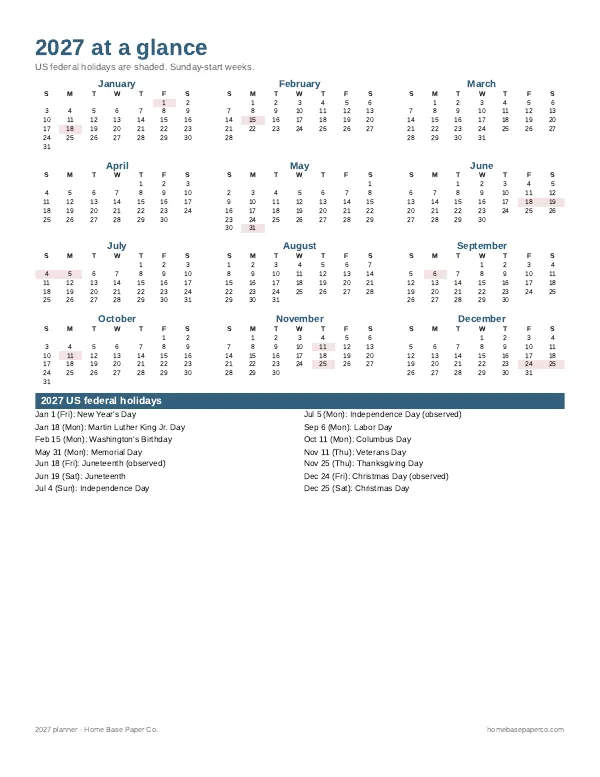
Get organized for the new year: get the free 2027 planner
A 16-page printable 2027 planner with a year-at-a-glance page and monthly calendars with US holidays marked. You'll also get our weekly HomeBase email with simple planning and home organization tips.
Sources
- USDA FSIS: Shell eggs from farm to table fsis.usda.gov
- FDA: What you need to know about egg safety fda.gov
- FoodSafety.gov: Cold food storage charts foodsafety.gov
- USDA FSIS: Leftovers and food safety fsis.usda.gov