

The short answer: these 60 self care ideas come in 8 groups, and most of them are free.
- 5-minute resets: water, breathing, stretching or tidying one surface
- Groups for body, mind, money, home and relationships
- Pick three ideas, not twenty
- A simple weekly plan you can keep
- Next step: Plan it with the Household Binder ($6.99).
Our picks for self care ideas

Printables
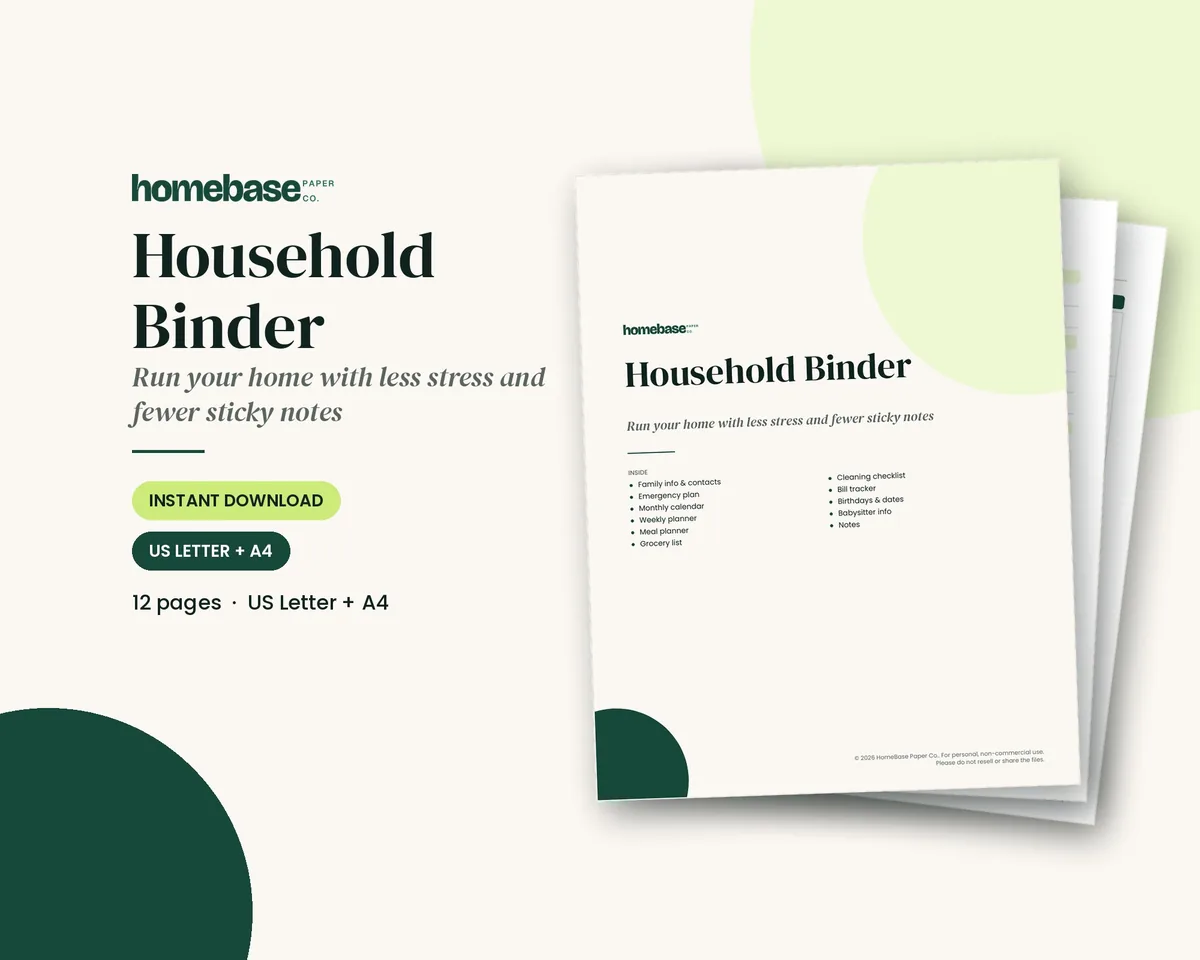
Household Binder
Family info, emergency plan, calendars, meals, groceries, cleaning, bills and sitter notes.
Printables
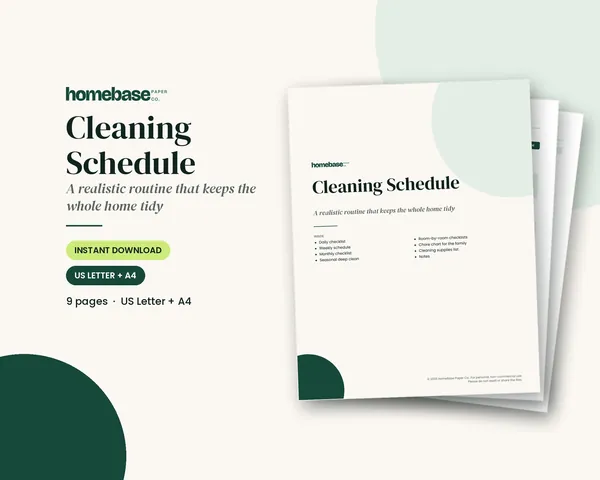
Cleaning Schedule
Daily, weekly, monthly and seasonal lists - plus a family chore chart.
Printables
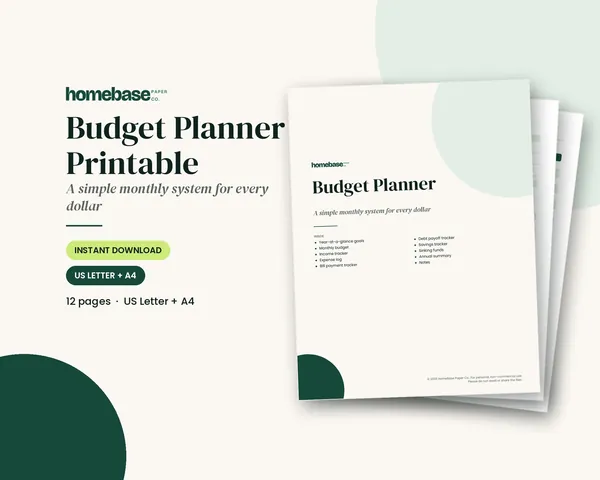
Budget Planner Printable
Twelve undated pages you can print every month: budget, bills, spending, savings and debt.
 Starter pick
Printables
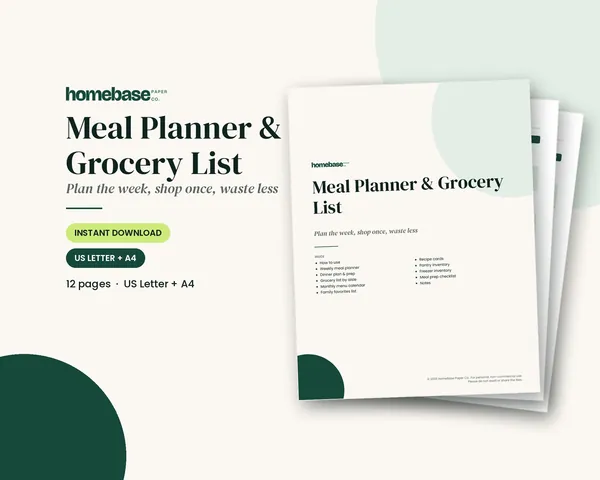
Meal Planner & Grocery List
Weekly meals, a grocery list sorted by aisle, and pantry and freezer inventories so you shop once and waste less.
Self care is anything you do on purpose to look after your body, mind, relationships and daily life, so you have more energy for the people and work that matter. The best self care ideas are small, cheap or free, and easy enough to do on a hard week. Below are 60 ideas in 8 groups, from 5-minute resets to the "practical" self care of a calm home and a working budget, plus a simple weekly plan.
A lot of stress comes from loose ends at home. Our Household Binder keeps bills, contacts, schedules and important information in one place, so there's less to carry around in your head.
The full list: 60 self care ideas in 8 groups
1. Five-minute resets
- Drink a full glass of water
- Step outside and take ten slow breaths
- Stretch your neck, shoulders and back
- Wash your face or brush your hair
- Open a window for fresh air
- Put your phone in another room for five minutes
- Tidy one surface, like your nightstand
2. Body and rest
- Go to bed 30 minutes earlier
- Take a 10- to 20-minute walk
- Eat a real breakfast
- Take a long shower or bath
- Do a short yoga or stretching video
- Book an overdue doctor, dentist or eye appointment
- Take a nap on a weekend afternoon
- Cook a simple, comforting meal
3. Mind and focus
- Read a library book or audiobook
- Journal for 10 minutes
- Do a puzzle or crossword
- Learn something new from a free class
- Turn off notifications for an evening
- Make a "done" list instead of a to-do list
- Listen to a whole album without multitasking
- Spend 10 minutes in prayer, meditation or quiet
4. Emotions and boundaries
- Say no to one optional commitment
- Write down three things that went well today
- Let yourself cry, rest or do nothing
- Unfollow accounts that make you feel worse
- Talk to a counselor or trusted friend
- Write a letter you don't send
- Set a clear end time for work
- Forgive yourself for one mistake
5. People and connection
- Call or video chat with someone you miss
- Have a no-phones dinner with family
- Host a simple potluck or game night
- Join a club, class or volunteer group
- Go on a free date or friend outing
- Send a thank-you note
- Ask for help with one task
6. Home self care
- Make your bed
- Declutter one drawer or shelf
- Put fresh sheets on the bed
- Do a 15-minute evening reset
- Set up a weekly cleaning schedule so chores stop piling up
- Light a candle or open the curtains
- Create a calm corner for reading or coffee
7. Money self care
- Check your bank balance without judgment
- Set up autopay for bills you always pay
- Write down every subscription and cancel one
- Plan next week's meals and groceries
- Start a small emergency fund
- Give yourself a set monthly "fun money" amount
- Schedule a 20-minute monthly money date
8. Fun and joy
- Start a hobby you used to love
- Go to a free museum day or library event
- Watch the sunset or sunrise
- Dance in the kitchen
- Plan a small trip or day outing
- Make something with your hands
- Try a new recipe
- Spend an afternoon in a park or on a trail
Self care by time and cost
| Time you have | Free ideas | Low-cost ideas |
|---|---|---|
| 5 minutes | Water, breathing, stretching, tidying one surface | A favorite tea or coffee at home |
| 30 minutes | A walk, a bath, journaling, a phone call | A new library hold, a simple craft kit |
| An evening | Early bedtime, a movie at home, a game night | Takeout from a favorite place, within your fun money |
| A weekend afternoon | A hike, a free museum day, a nap, a long cook | A class, a matinee or a day trip |
How to build a self care routine you'll keep
- Pick three ideas, not twenty. Choose one 5-minute reset, one body habit and one weekly bigger thing.
- Attach each one to something you already do. Stretch after you brush your teeth; walk after lunch; plan meals while Sunday coffee brews.
- Put the weekly one on the calendar. If it isn't scheduled, it gets bumped.
- Lower the bar on hard weeks. On bad days, the 5-minute version counts.
- Fix one recurring stress. If late bills, messy mornings or dinner panic drain you, fix that system. It's self care that pays off every day.
- Review after two weeks. Keep what helped, drop what didn't, and add one more idea.
Our guides to a morning routine, a night routine and a realistic daily schedule show how to fit these habits into a busy day.
A simple weekly self care plan
| Day | Self care | Time |
|---|---|---|
| Monday | 10-minute walk after lunch | 10 min |
| Tuesday | Phone in another room after 9 p.m. | Evening |
| Wednesday | Call or text a friend | 15 min |
| Thursday | 15-minute home reset | 15 min |
| Friday | Early bedtime | 30 min |
| Saturday | Something fun or outdoors | 1 to 3 hours |
| Sunday | Plan meals and check the week's budget | 30 min |
Practical self care: the systems that lower stress
The self care that helps most over time is often practical: knowing what's for dinner, knowing the bills are paid and not living in clutter. These printables make those systems easy:
- A cleaning routine: the Cleaning Schedule Printable ($4.49) breaks chores into daily, weekly and monthly tasks so the house never gets away from you. See our cleaning schedule template guide.
- Meals without the nightly scramble: the Meal Planner & Grocery List ($3.99) plans a week of dinners and the shopping list in one sitting.
- Money peace of mind: the Budget Planner Printable ($5.99) gives every dollar a job, including fun money. Start with our budget categories list.
- Everything in one place: the Household Binder ($6.99) organizes bills, contacts, schedules and key household information.
Looking for more ways to recharge? Try our list of hobbies, with ideas sorted by cost, or our bucket list ideas for bigger goals to look forward to.
Daily habits count too: see how to stay healthy for 25 habits covering activity, sleep and checkups.
When self care isn't enough
Self care supports your health; it doesn't replace care from a professional. If you feel persistently down, anxious or unable to cope, talk to a doctor or licensed counselor. In the U.S., you can call or text 988 to reach the 988 Suicide & Crisis Lifeline at any time.
Household Binder
Family info, emergency plan, calendars, meals, groceries, cleaning, bills and sitter notes.
$6.99 · Instant download. Print at home or fill it in on screen. Or browse the full Home & Organizing collection.
Frequently asked questions
What are some good self care ideas? Good self care ideas are small, repeatable things that leave you feeling more rested or more in control, such as a 10-minute walk, going to bed 30 minutes earlier, drinking a full glass of water before coffee, a phone-free meal, a short call with a friend, or a quick tidy of the room you wake up in. The best ones are cheap or free and easy enough that you'll do them on a bad week, not just a good one.
What are free self care ideas? Free self care ideas include walking outside, stretching, taking a long shower, reading a library book, journaling, listening to a favorite album, going to bed early, cooking a simple meal at home, calling someone you miss, decluttering one drawer and saying no to one optional commitment. Most of the self care that helps people over time costs nothing at all.
What are the types of self care? Self care is often grouped into a few types: physical (sleep, movement, food and water), mental (rest from screens, learning, quiet time), emotional (journaling, talking, setting boundaries), social (time with people who energize you), practical (home, money and admin tasks that lower stress) and spiritual or reflective (time outdoors, gratitude, faith or meditation). A balanced routine touches several of them each week.
How do I start a self care routine? Start a self care routine by picking just two or three small habits and attaching each one to something you already do, such as stretching after brushing your teeth or a 10-minute walk after lunch. Put them on your calendar, keep them for two weeks, then add one more. A routine that's too ambitious on day one is usually abandoned by day five.
What is practical self care? Practical self care is doing the boring tasks that make the rest of your life easier, like paying bills on time, meal planning, setting up a cleaning routine, organizing important papers or making a budget. It doesn't feel like a treat in the moment, but it removes the background stress of late fees, last-minute dinners and lost documents. Our Household Binder ($6.99) keeps those essentials in one place.
Is spending money self care? Spending money can be part of self care, but it isn't the same thing, and shopping to cope with stress often adds money stress later. Give yourself a set amount of fun money each month in your budget so treats are planned and guilt-free. Many of the most restorative self care ideas, like sleep, walks, time with friends and a tidy space, cost nothing.
How much time should I spend on self care? Even 10 to 15 minutes a day of self care can help, especially when it's consistent. Daily small habits, like a short walk or an earlier bedtime, plus one longer block each week, like an afternoon outside or a long bath, is a realistic rhythm for busy parents and full-time workers. The goal is consistency, not a perfect hour every day.
What are self care ideas for moms? Self care ideas for moms work best when they fit into real family life: a 10-minute walk alone, a shower with no rush, coffee before the house wakes up, trading an hour of childcare with a friend, saying no to one obligation, and sharing the mental load with a weekly family planning chat. Practical systems like a cleaning schedule and a meal plan also free up time and attention.
When is self care not enough? Self care is not a replacement for medical or mental health care. If you feel persistently sad, anxious or overwhelmed, can't sleep, or are struggling to get through the day, talk to a doctor or licensed counselor. In the U.S., you can call or text 988 to reach the 988 Suicide & Crisis Lifeline at any time.
What are self care ideas for a bad day? On a bad day, keep self care tiny: drink a glass of water, eat something simple, step outside for five minutes, take a shower, put on comfortable clothes, text one person, and cancel anything that isn't essential. Go to bed early if you can. Small steps that take less than five minutes are often all you have energy for, and they still count.
Free printable
Get organized for the new year: get the free 2027 planner
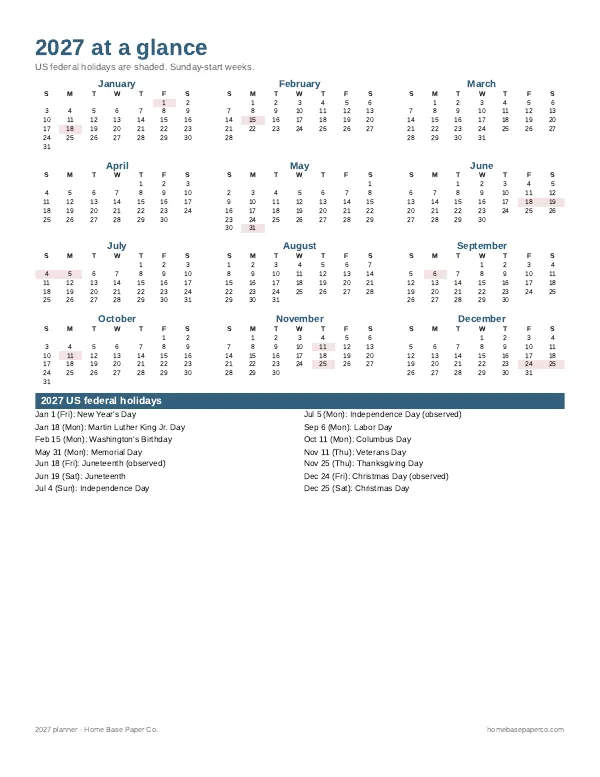
A 16-page printable 2027 planner with a year-at-a-glance page and monthly calendars with US holidays marked. You'll also get our weekly HomeBase email with simple planning and home organization tips.
Sources
- 988 Suicide & Crisis Lifeline 988lifeline.org