The short answer: a daily schedule takes the guesswork out of the day, and the best daily schedules are short. It isn't a rigid timetable: it's a few steady anchors with a sensible order in between.
- Set your anchors and add fixed blocks
- Place your top three tasks and leave buffer time
- Seven sample schedules for kids, teens, parents and remote workers
- Try it for a week, then adjust
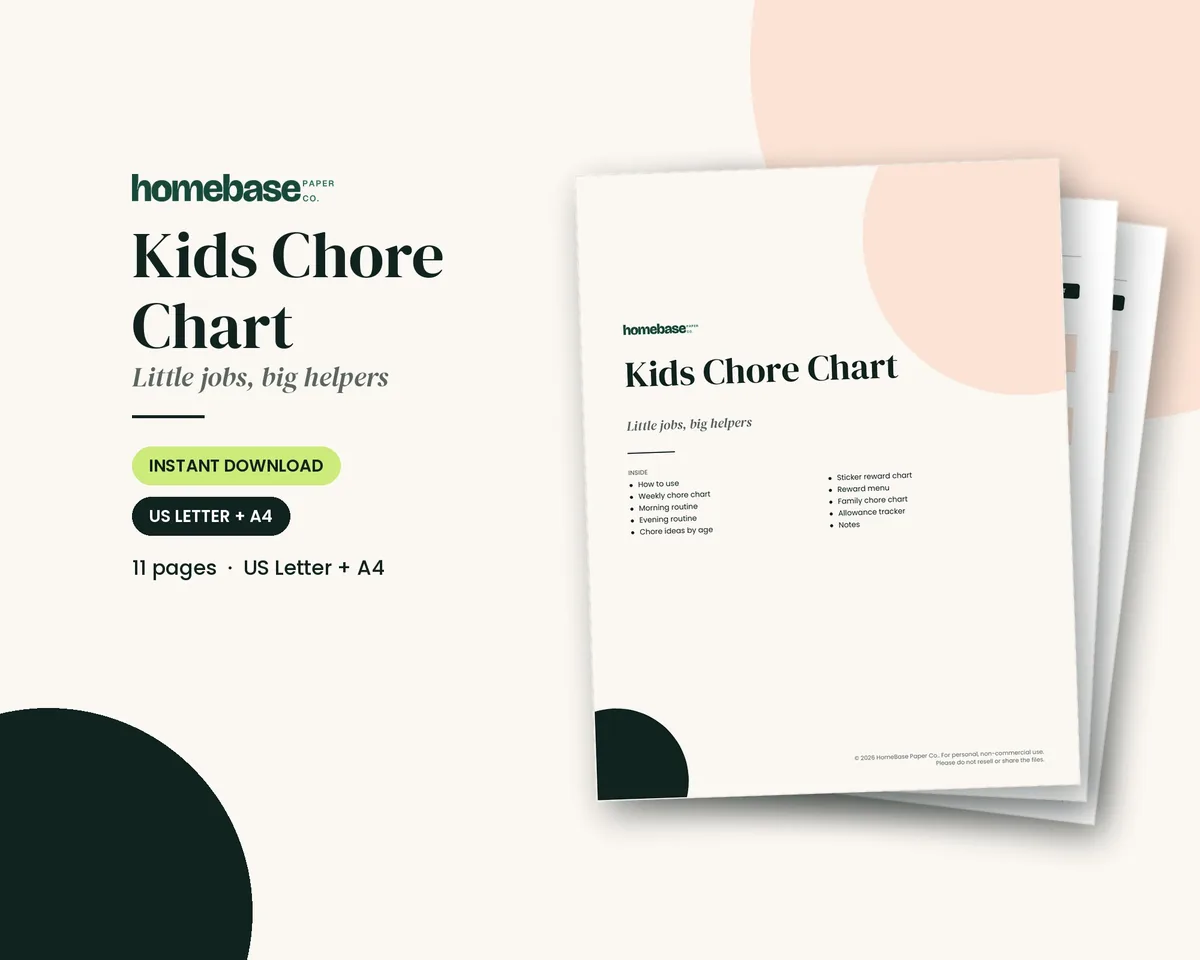
- Next step: Plan it with the Kids Chore Chart ($3.49).
A daily schedule takes the guesswork out of the day. When everyone knows that breakfast is at 7, homework comes after snack and lights go out at 8:30, there are fewer arguments, fewer forgotten tasks and more time left over. A good daily schedule isn't a rigid timetable. It's a few steady anchors with a sensible order in between. This guide shows you how to build one, with a simple daily schedule template and seven sample schedules for kids, teens, parents and remote workers.
Why a daily schedule helps
- Fewer decisions. When the order of the day is set, you don't have to decide it again every morning.
- Better sleep. The CDC recommends going to bed and getting up at the same time each day, including weekends. A schedule makes that automatic.
- Calmer kids. Children handle transitions better when they know what comes next.
- More done. Important tasks get a time slot instead of a spot on a list that never ends.
- More free time. When chores and errands have a place, the rest of the day is truly free.
How to build a daily schedule in 6 steps
- Set your anchors. Wake-up time, bedtime and mealtimes. These rarely change, and everything else fits around them.
- Add fixed blocks. Work hours, school, commutes, practices.
- Place your top three tasks. Put the hardest one in your best-energy hours. For many people that's the morning.
- Add the daily basics. A short chore, physical activity, time outside and family time.
- Leave buffer time. Add 10 to 15 minutes between blocks. Things always take longer than planned.
- Try it for a week, then adjust. Note what slipped and why. Change one thing at a time.
Leave at least one short block for yourself; our self care ideas are sorted by how much time they take.
A simple daily schedule template
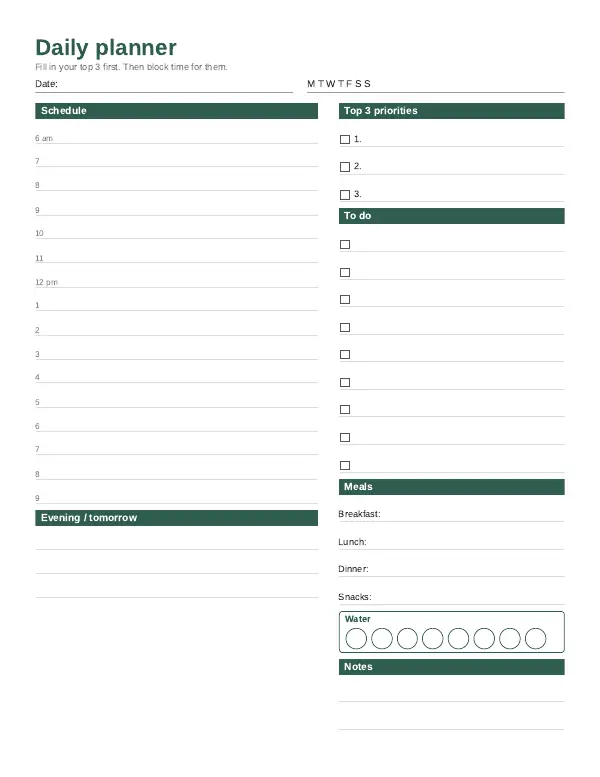
Copy this onto paper, or use an hourly planner page for a time slot every hour.
For work shifts, classes or the whole family's week, print our free schedule template pages.
| Time | Block | Notes |
|---|---|---|
| Wake-up | Morning routine | Dress, breakfast, pack bags |
| Morning | Work, school or top task | Hardest task first |
| Midday | Lunch and a break | Step away from screens |
| Afternoon | Work, school or errands | Batch small tasks |
| Late afternoon | Activity and downtime | Exercise, outdoor time, snacks |
| Evening | Dinner and family time | Short chore after dinner |
| Night | Wind down | Plan tomorrow, screens off |
| Bedtime | Sleep | Same time every night |
Hourly daily schedule template
If blocks feel too loose, use an hourly daily schedule template instead. Copy these slots and fill in only the hours that have something fixed, such as work, school pickup or practice. Leave the rest open.
| Time | Plan |
|---|---|
| 6:00 a.m. | |
| 7:00 a.m. | |
| 8:00 a.m. | |
| 9:00 a.m. | |
| 10:00 a.m. | |
| 11:00 a.m. | |
| 12:00 p.m. | |
| 1:00 p.m. | |
| 2:00 p.m. | |
| 3:00 p.m. | |
| 4:00 p.m. | |
| 5:00 p.m. | |
| 6:00 p.m. | |
| 7:00 p.m. | |
| 8:00 p.m. | |
| 9:00 p.m. |
Which daily schedule template should you use?
| Template type | Best for | How it works |
|---|---|---|
| Block schedule | Families, school-age kids, most adults | Morning, afternoon and evening blocks in a set order, with flexible times |
| Hourly schedule | Packed workdays, appointments, students | One row per hour, so you can see exactly where the time goes |
| Routine checklist | Young kids, mornings and bedtimes | A short list of steps in order, with no clock times at all |
| Family schedule | Households with several people | One column per person, so everyone's commitments sit on the same page |
Most people end up mixing two: a block or hourly schedule for the day, plus a routine checklist for the morning and evening, the two parts covered further down.
Plan by the clock, by priority or by time blocks
A daily schedule does not have to be an hourly grid. Pick the style that matches how your day actually behaves:
| Method | How to do it | Works best when |
|---|---|---|
| By the clock | Write what happens at each hour or half hour | Your day is full of fixed appointments, classes or shifts |
| By priority | Write the three most important tasks first, then fit the rest around them | Your day is flexible and tasks, not times, matter most |
| By time blocks | Group similar tasks into blocks (focus work, errands, family time) | You get pulled in many directions and need protected time |
You can also combine them: block out the fixed parts of the day, then choose your top three tasks for the open blocks. Our time blocking guide shows how to set the blocks.
7 sample daily schedules
1. School-age child (6 to 12) on a school day
- 6:45 a.m. Wake up, get dressed, make bed
- 7:10 a.m. Breakfast
- 7:40 a.m. Brush teeth, pack backpack, leave for school
- 8:00 a.m. to 3:00 p.m. School
- 3:30 p.m. Snack and downtime
- 4:00 p.m. Homework or reading
- 4:45 p.m. Outdoor play, sports or active time
- 6:00 p.m. Dinner
- 6:30 p.m. Chore, such as clearing the table or feeding the pet
- 7:00 p.m. Free time or family time
- 7:45 p.m. Bath, pajamas, lay out clothes for tomorrow
- 8:00 p.m. Reading in bed
- 8:15 p.m. Lights out
The CDC says children 6 to 12 need 9 to 12 hours of sleep and at least 60 minutes of physical activity a day. This schedule gives about 10.5 hours of sleep and an active hour after school.
2. Toddler (1 to 2)
- 7:00 a.m. Wake up, diaper, breakfast
- 8:00 a.m. Play and reading
- 9:30 a.m. Snack
- 10:00 a.m. Outdoor time or errands
- 11:30 a.m. Lunch
- 12:30 p.m. Nap (1.5 to 3 hours)
- 3:00 p.m. Snack and quiet play
- 4:00 p.m. Outdoor play
- 5:30 p.m. Dinner
- 6:30 p.m. Bath and bedtime routine
- 7:15 p.m. Bedtime
Toddlers need 11 to 14 hours of sleep in 24 hours, including naps, according to the CDC.
3. Teen on a school day
- 6:30 a.m. Wake up, shower, breakfast
- 7:15 a.m. Leave for school
- 7:45 a.m. to 2:45 p.m. School
- 3:00 to 5:00 p.m. Practice, job or club
- 5:30 p.m. Snack and homework block one
- 6:30 p.m. Family dinner
- 7:15 p.m. Homework block two
- 8:30 p.m. Free time
- 9:45 p.m. Phone on the charger outside the bedroom
- 10:15 p.m. Lights out
Teens need 8 to 10 hours of sleep. Charging the phone outside the bedroom makes the CDC's advice to turn off screens at least 30 minutes before bed much easier.
4. Working parent with school-age kids
- 6:00 a.m. Wake up, coffee, 15 quiet minutes
- 6:30 a.m. Kids up, breakfast, lunches
- 7:30 a.m. School drop-off
- 8:00 a.m. to 4:30 p.m. Work
- 4:45 p.m. Pickup
- 5:15 p.m. Dinner prep while kids do homework
- 6:00 p.m. Family dinner
- 6:45 p.m. Kitchen cleanup and one 15-minute chore
- 7:30 p.m. Kids' bedtime routines
- 8:30 p.m. Plan tomorrow, check the calendar
- 9:00 p.m. Personal time
- 10:00 p.m. Bed
5. Working from home
- 7:00 a.m. Wake up, breakfast, short walk
- 8:30 a.m. Deep work block
- 10:30 a.m. Break, stretch
- 10:45 a.m. Email and messages
- 11:30 a.m. Meetings
- 12:30 p.m. Lunch away from the desk
- 1:30 p.m. Second work block
- 3:30 p.m. Break and a 15-minute home task
- 3:45 p.m. Meetings, admin, wrap-up
- 5:00 p.m. Shutdown: write tomorrow's top three, close the laptop
- 5:30 p.m. Exercise
- Evening Dinner, family, wind down
6. Stay-at-home parent with young kids
- 6:30 a.m. Wake up before the kids if you can
- 7:00 a.m. Breakfast
- 8:00 a.m. Get dressed, tidy up together
- 9:00 a.m. Outing: park, library or errands
- 11:30 a.m. Lunch
- 12:30 p.m. Nap or quiet time; your break
- 2:30 p.m. Snack and play
- 3:30 p.m. Outdoor time
- 4:30 p.m. Dinner prep with kids helping
- 5:30 p.m. Dinner
- 6:30 p.m. Bath and bedtime routines
- 7:30 p.m. Kids in bed; adult time
7. Weekend or summer day
- 7:30 to 8:00 a.m. Wake within an hour of the weekday time
- Morning Big chore or family project
- Midday Lunch and an outing
- Afternoon Free time, friends, outdoor play
- Evening Dinner, game night
- Bedtime Within an hour of the weekday time
Keeping weekend wake and bed times close to the weekday schedule makes Monday mornings easier. For school breaks, our winter break schedule for kids has more ideas.
Morning and evening routines: the two parts that matter most
If you only plan two parts of the day, plan the start and the end. A smooth morning sets the tone, and a calm evening protects sleep. Build each one step by step with our morning routine and night routine checklists.
A simple morning routine
- Get up at the same time
- Make the bed
- Get dressed
- Eat breakfast
- Brush teeth
- Grab the bag packed the night before
A simple evening routine
- Tidy one room for 10 minutes
- Pack bags and lay out clothes
- Check tomorrow's calendar
- Screens off at least 30 minutes before bed
- Bath or shower, pajamas, brush teeth
- Read, then lights out
For kids, put each routine on a chart with checkboxes or pictures, and keep the order the same every day. Most of the work happens the night before, so mornings need fewer reminders.
How much sleep and activity to plan for
| Age | Sleep the CDC recommends | Daily activity |
|---|---|---|
| 1 to 2 years | 11 to 14 hours, including naps | Active play through the day |
| 3 to 5 years | 10 to 13 hours, including naps | Active play through the day |
| 6 to 12 years | 9 to 12 hours | At least 60 minutes |
| 13 to 17 years | 8 to 10 hours | At least 60 minutes |
| Adults 18 to 60 | 7 or more hours | About 150 minutes a week |
Work backward from wake-up time to find bedtime, then build the evening routine to end there.
Tips to make a daily schedule stick
- Start small. Fix wake-up and bedtime first. Add more after a week.
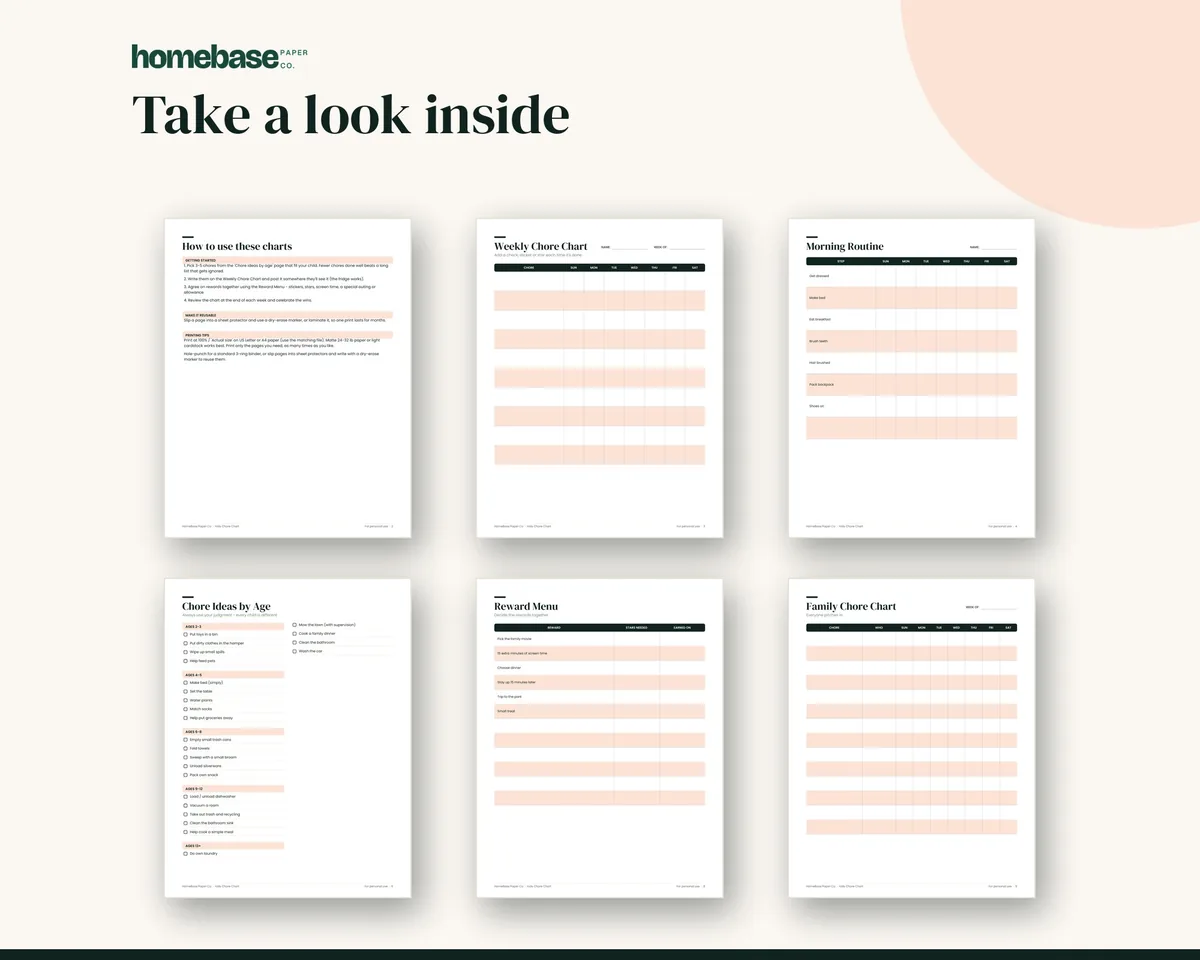
- Use visual charts for kids. A checklist on the wall works better than reminders. Our Kids Chore Chart ($3.49) has morning and evening routine charts, a weekly chore chart and chore ideas by age.
- Plan meals ahead. Dinner is where many schedules fall apart. Our Meal Planner and Grocery List ($3.99) has a weekly meal plan and an aisle-sorted grocery list.
- Give chores a slot. One 15-minute task a day keeps the house in order. Our Cleaning Schedule Printable ($4.49) has daily, weekly and monthly checklists.
- Review on Sunday. Look at the week ahead on a weekly calendar and adjust each day's schedule for practices and appointments. A short Sunday reset covers the home, food and money side too.
- Expect bad days. A sick kid or a late meeting doesn't ruin the schedule. Get back to the anchors tomorrow.
For one-page-a-day planning, try our daily planner. To keep family schedules, meal plans, chores and important contacts together, our Household Binder ($6.99) puts it all in one printable binder.
Make it easier
Tools for this
 Starter pick
Printables
Kids Chore Chart
Weekly chore chart, morning and evening routines, chore ideas by age, a sticker reward chart and an allowance tracker.

Printables
Household Binder
Family info, emergency plan, calendars, meals, groceries, cleaning, bills and sitter notes.
Printables
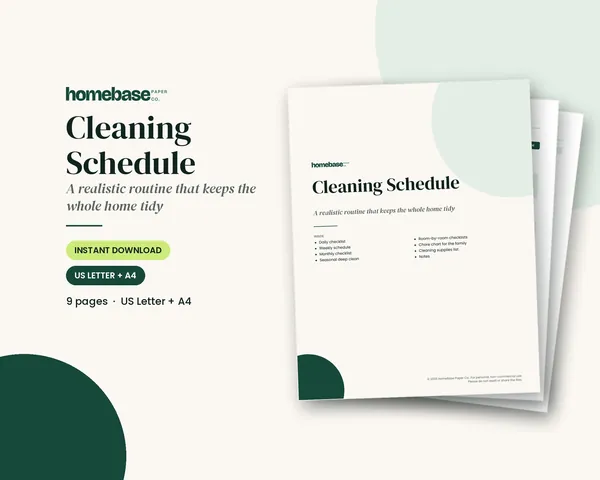
Cleaning Schedule
Daily, weekly, monthly and seasonal lists - plus a family chore chart.
Frequently asked questions
What is a daily schedule? A daily schedule is a plan for your day that gives the main activities a set time or order, such as waking up, meals, work or school, chores, exercise and bedtime. It can be detailed hour by hour or a simple list of routines in order. The goal is fewer decisions and smoother days.
What is the best way to plan a daily schedule? The best way to plan a daily schedule is to start with the fixed parts of your day (work, school, meals, bedtime), then add your top three tasks and leave buffer time between them. Use an hourly grid if your day is full of appointments, or time blocks if you are pulled in many directions.
How do I make a daily schedule? To make a daily schedule, start with your fixed times, such as wake-up, work or school and bedtime. Add meals, then your most important tasks during your best energy hours, then chores, exercise and free time. Leave buffer time between blocks, try it for a week and adjust.
What is a good daily schedule for a child? A good daily schedule for a school-age child includes a consistent wake-up and bedtime, breakfast, school, a snack and downtime after school, homework, at least 60 minutes of physical activity, dinner, a short chore and a calm bedtime routine. The CDC says kids 6 to 12 need 9 to 12 hours of sleep.
What is a good daily schedule for adults? A good daily schedule for adults has a steady wake and sleep time with 7 or more hours of sleep, regular meals, focused work in your best hours, short breaks, some physical activity, a few minutes for home tasks and time to wind down. Plan the evening the night before.
What should a daily schedule include? A daily schedule should include wake-up and bedtime, meals, work or school hours, your top three tasks, exercise or outdoor time, chores, family or social time, free time and a wind-down routine. Busy families also add pickup times, practices and who is responsible for each.
How strict should a daily schedule be? A daily schedule should be firm on a few anchors, such as wake-up, meals and bedtime, and flexible on everything else. Treat the rest as an order of activities rather than exact times. That keeps the day predictable without falling apart when something runs late.
What is a daily schedule template? A daily schedule template is a reusable page with time slots or routine blocks that you fill in for each day. It might list hours from 6 a.m. to 9 p.m., or sections like morning, afternoon and evening. Print it once a week, or use one master version for every school day.
What time should kids go to bed? A bedtime between about 7:30 and 9 p.m. works for most school-age kids who wake around 6:30 a.m., since the CDC recommends 9 to 12 hours of sleep for ages 6 to 12. For ages 3 to 5 it recommends 10 to 13 hours, including naps, and for teens 8 to 10 hours.
How do I stick to a daily schedule? To stick to a daily schedule, keep it simple, post it where you will see it, set phone reminders for the first two weeks and attach new habits to ones you already have, such as reading after brushing teeth. Review it each Sunday and change what is not working.
What is a good daily schedule for working from home? A good daily schedule for working from home starts at the same time each day, puts deep work in the morning, groups meetings together, includes a real lunch break away from the desk, adds a short walk and ends with a clear shutdown routine so work does not spill into the evening.
How do I make a daily schedule for a toddler? To make a daily schedule for a toddler, plan around sleep: a steady wake time, one afternoon nap and a consistent bedtime. Add meals and snacks every two to three hours, outdoor play, quiet play and a short bedtime routine. The CDC says toddlers 1 to 2 need 11 to 14 hours of sleep, including naps.
How do I get kids to follow a daily schedule? To get kids to follow a daily schedule, use a picture or checklist chart they can see, keep the order the same each day, give a five-minute warning before changes and praise them for finishing. Our Kids Chore Chart ($3.49) includes morning and evening routine charts.
What is the best daily schedule template? The best daily schedule template is the one that matches how fixed your day is: a block schedule (morning, afternoon, evening) for flexible days, an hourly schedule for days full of appointments, and a routine checklist for young kids. For a family, the HomeBase Household Binder ($6.99) keeps a weekly planner, a monthly calendar and a meal planner in one printable binder.
How do I use an hourly daily schedule template? Start an hourly daily schedule template by filling in the fixed hours first, such as work, school and appointments. Then add meals and sleep, and leave the open hours blank instead of filling every slot, so the plan can absorb delays.
More from HomeBase
You may also like
Printables
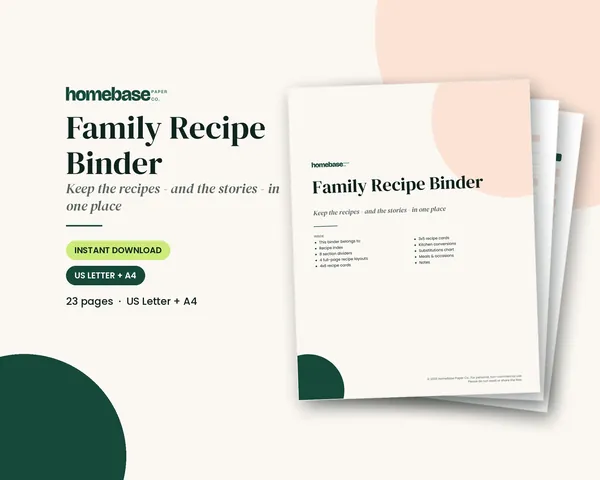
Family Recipe Binder
Section dividers, four recipe page layouts with room for the family story, 4x6 and 3x5 cards and a conversion chart - print it or type into the fillable version.
Printables
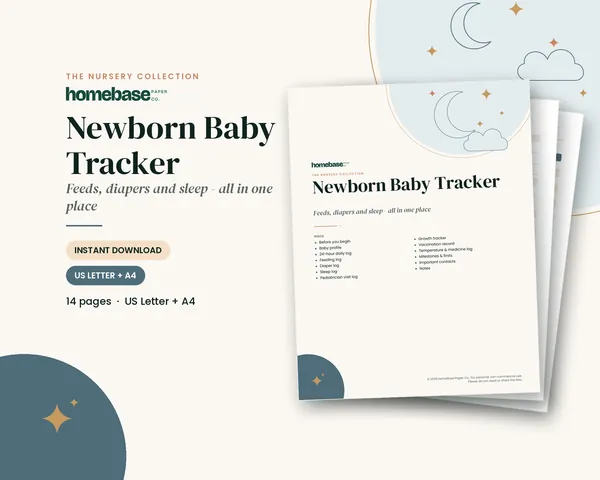
Newborn Baby Tracker
A 24-hour daily log plus feeding, diaper, sleep, growth and pediatrician-visit pages - easy to bring to checkups.
Printables
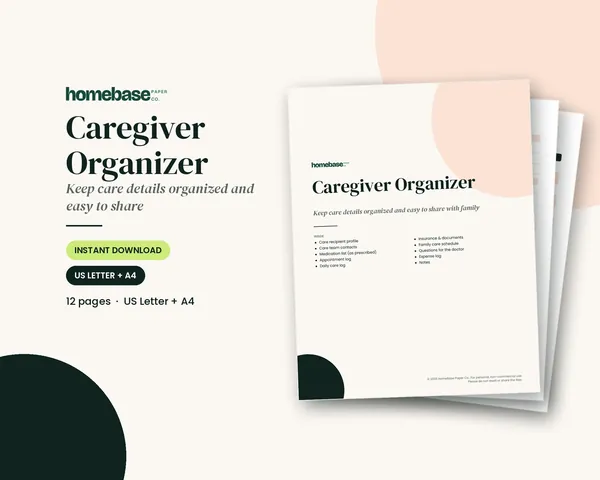
Caregiver Organizer
One place for contacts, appointments, the medication list from the doctor, and daily notes.
 Save 33%
Bundles
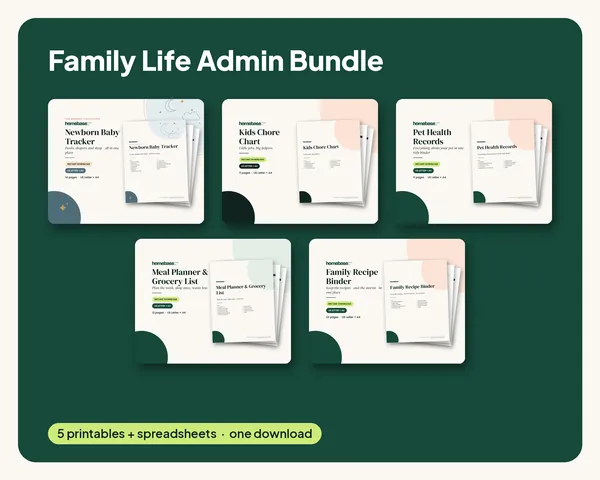
Family Life Admin Bundle
Baby logs, chore charts, pet records, meal plans and family recipes in one tidy set.
 Club
Monthly club
Meal Plan Club
Families who want dinner planned and a grocery list ready every week.
Free printable
Plan your day around your top 3
An hourly planner and a simple to-do layout. Undated. You'll also get our weekly HomeBase email with simple planning and home organization tips.