


The short answer: a clear kitten vaccine schedule protects a new cat during the weeks she's most vulnerable, then sets up a simple booster routine for life.
- 6–8 weeks: first FVRCP dose
- 12–16 weeks: FVRCP, FeLV and rabies
- A dose at or after 16 weeks
- 1 year: FVRCP and rabies boosters
- Next step: Plan it with the Pet Health Records ($5.49).
A clear kitten vaccine schedule protects your new cat during the weeks when she's most vulnerable, then sets up a simple booster routine for life. Below you'll find which shots kittens get at each age, what the core cat vaccines protect against, how often adult cats need boosters, and how to keep a record you can show a groomer, kennel or new vet.
Our Pet Health Records printable keeps vaccines, vet visits, medications and weight in one place to bring to each appointment.
This guide is general information to help you prepare for vet visits, not veterinary advice. Your veterinarian will tailor the plan to your kitten's health, history and whether she'll live indoors or go outside.

Kitten vaccine schedule by age
| Age | Typical vaccines and care | Notes |
|---|---|---|
| 6–8 weeks | FVRCP (1st dose), exam, deworming | Often given by the shelter or breeder |
| 10–12 weeks | FVRCP (2nd dose); FeLV (1st dose) | FeLV test first if not done |
| 12–16 weeks | FVRCP (3rd dose); FeLV (2nd dose); rabies | Rabies age depends on vaccine and local law |
| 16–20 weeks | Final FVRCP if needed | Kittens should get a dose at or after 16 weeks |
| 1 year | FVRCP and rabies boosters; FeLV booster | About a year after the kitten series |
| Adult | FVRCP about every 3 years; rabies every 1 or 3 years; FeLV for cats at risk | Your vet adjusts for lifestyle |
The kitten series is repeated every three to four weeks because antibodies from the mother can block a vaccine in young kittens. Those maternal antibodies fade at different ages, so the last dose given at or after about 16 weeks is the one that counts most.
Core cat vaccines: what they protect against
- FVRCP. A combination of feline viral rhinotracheitis (herpesvirus), calicivirus and panleukopenia. The first two cause most cat colds, with sneezing, runny eyes and mouth ulcers. Panleukopenia, also called feline distemper, is severe and often fatal in kittens.
- Rabies. Rabies is a deadly virus that can spread to people. Vaccinating pets is one of the main ways to prevent rabies, and many states and localities require it for cats as well as dogs.
- Feline leukemia virus (FeLV). Spread through close contact between cats. It is recommended for kittens, then continued for cats that go outside or live with cats that do.
The Cornell Feline Health Center explains the benefits and risks of feline vaccines and why vets tailor the plan to each cat's lifestyle rather than giving every vaccine to every cat.
Adult cat vaccines: how often after the first year
Wondering how old your cat is in people terms? Our cat years to human years chart converts each age and notes when cats count as seniors.
- FVRCP: many vets give this every three years once the one-year booster is done, for lower-risk adults.
- Rabies: every one or three years, depending on the product and your local law.
- FeLV: every one to two years for cats that go outdoors or mix with other cats; often stopped for indoor-only adults.
- Annual checkup: even in years with no vaccines due, a yearly exam catches dental disease, weight changes and early illness.
Veterinary schools publish guidance that clinics use to set these intervals. The UC Davis School of Veterinary Medicine summarizes its vaccination guidelines for dogs and cats, including how intervals differ for indoor and outdoor cats.
Your kitten's first vet visit checklist
- Bring every paper you were given. Shelter or breeder records show which vaccines and dewormers are already done.
- Ask about FeLV/FIV testing. Especially for kittens from rescues, shelters or outdoor colonies.
- Plan parasite prevention. Fleas, worms and ear mites are common in young kittens.
- Discuss spay or neuter timing. Your vet will suggest an age.
- Ask about microchipping. It's often done at the spay or neuter visit.
- Book the next visit before you leave. The series only works if the boosters stay on schedule.
Indoor kitten or outdoor cat?
Lifestyle changes the plan. Indoor-only cats still need core cat vaccines, because viruses like panleukopenia can travel inside on shoes and cats sometimes slip out the door. Cats that go outside, visit a catio with neighbor cats, board, or live with outdoor cats usually keep getting FeLV boosters. Be honest with your vet about how your cat really lives, so you get the protection she needs without extra shots. For more on this topic, see our pet care hub.
Adopting an adult cat with no records? Vets usually treat an unvaccinated adult like a kitten with a shorter series: two doses of FVRCP three to four weeks apart, a rabies shot and, if the cat is at risk, two doses of FeLV after a negative test. After that, the cat moves onto the regular adult booster routine.
Budgeting for your kitten's first year
The kitten series usually means three or four vet visits in the first few months, plus spay or neuter, microchip and parasite prevention. Ask your vet for a first-year package or itemized estimate, and look for low-cost vaccine clinics run by shelters or local animal services. Spreading the cost across a few months is easier with a pets line in your budget. Our budget categories list shows where it fits.
Keep your cat's vaccine record in one place
Boarding, groomers, travel, a new vet and local licensing all ask for proof of vaccination. Keep each certificate in one folder, and note the vaccine, date and next due date. Have a dog too? See our guide to dog vaccines, the puppy vaccine schedule and our dog vaccination record book comparison.
Pet records made simple
The Pet Health Records ($5.49) printable has a profile page for each pet plus vaccine, vet visit, medication and weight logs and a pet sitter sheet. The Pet Health Record Book (Paperback) ($9.99) is the same system in a bound notebook. File it in the Household Binder ($6.99) with the rest of the family's important info.
Leaving your kitten with a sitter? Our pet sitter instructions template guide covers feeding, medications and vet contacts.
Make it easier
Tools for this

Printables
Pet Health Records
Vaccines, vet visits, meds, weight and sitter notes - ready when you need them.

Paperback planners
Pet Health Record Book (Paperback)
Vaccination, Vet Visit, Medication, and Weight Tracker for Dogs and Cats

Printables
Household Binder
Family info, emergency plan, calendars, meals, groceries, cleaning, bills and sitter notes.
Frequently asked questions
What is the usual kitten vaccine schedule? A typical kitten vaccine schedule starts the FVRCP combination shot at six to eight weeks and repeats it every three to four weeks until the kitten is about sixteen weeks or older. Rabies is usually given around twelve to sixteen weeks, and the feline leukemia vaccine is given as two doses three to four weeks apart. Your vet will adjust the plan.
What are the core cat vaccines? The core cat vaccines are FVRCP, which protects against feline viral rhinotracheitis, calicivirus and panleukopenia, and rabies. Feline leukemia virus vaccine is strongly recommended for kittens because young cats are most at risk, and it is continued for adult cats that go outdoors or live with cats that do.
When can my kitten go outside after vaccines? Most vets suggest waiting until about one to two weeks after the final kitten booster, which is usually around sixteen to eighteen weeks of age or later. Even then, outdoor cats face traffic, wildlife and fights, so many families keep cats indoors or use a secure enclosure. Ask your vet what fits your area.
Do indoor cats need vaccines? Yes, indoor cats need vaccines. Indoor cats still need core cat vaccines because viruses like panleukopenia can be carried inside on shoes or clothing, cats can slip outdoors, and rabies vaccination is required by law in many places. Indoor-only adults may not need feline leukemia boosters, so ask your vet which cat vaccines your cat really needs.
How often do adult cats need vaccines? After the kitten series and the one-year boosters, many vets give FVRCP every three years for lower-risk adult cats. Rabies is given every one or three years depending on the vaccine and local law. Feline leukemia boosters are usually given every year or two for cats at ongoing risk. Your vet sets the exact timing.
What does FVRCP stand for? FVRCP stands for feline viral rhinotracheitis, calicivirus and panleukopenia. Rhinotracheitis and calicivirus cause upper respiratory infections with sneezing, eye discharge and mouth ulcers, and panleukopenia, also called feline distemper, is a severe and often fatal virus that attacks the gut and immune system, especially in kittens.
Should my kitten be tested before the FeLV vaccine? Yes, usually: vets usually recommend testing kittens for feline leukemia virus and often feline immunodeficiency virus before or around the first visit, especially kittens from shelters, rescues or outdoor colonies. The test is a small blood sample. Knowing the result helps your vet decide on the vaccine plan and whether other cats at home are at risk.
What side effects can a kitten have after vaccines? Mild sleepiness, a reduced appetite or a sore spot at the injection site for a day or so are common. Contact your vet promptly for vomiting, facial swelling, hives, trouble breathing or a lump at the injection site that is still there weeks later. Tell your vet about any reaction before the next vaccine.
What happens if my kitten misses a vaccine booster? If your kitten is late for a booster, call your veterinarian. Depending on how much time has passed, your kitten may just get the next dose now or may need an extra dose to complete the series. Keep your kitten indoors and away from unknown cats until the vaccine series is complete.
How do I keep track of my kitten's vaccines? Keep track of your kitten's vaccines by asking for a printed record at every visit and keeping it in one folder or a pet health record book, such as the Pet Health Records printable. Note the vaccine name, date, clinic and next due date, and add reminders to your calendar. You will need the record for boarding, grooming, travel, a new vet and sometimes your landlord or local licensing office.
More from HomeBase
You may also like
 Starter pick
Printables
Kids Chore Chart
Weekly chore chart, morning and evening routines, chore ideas by age, a sticker reward chart and an allowance tracker.

Printables
Family Recipe Binder
Section dividers, four recipe page layouts with room for the family story, 4x6 and 3x5 cards and a conversion chart - print it or type into the fillable version.

Printables
Newborn Baby Tracker
A 24-hour daily log plus feeding, diaper, sleep, growth and pediatrician-visit pages - easy to bring to checkups.
Printables
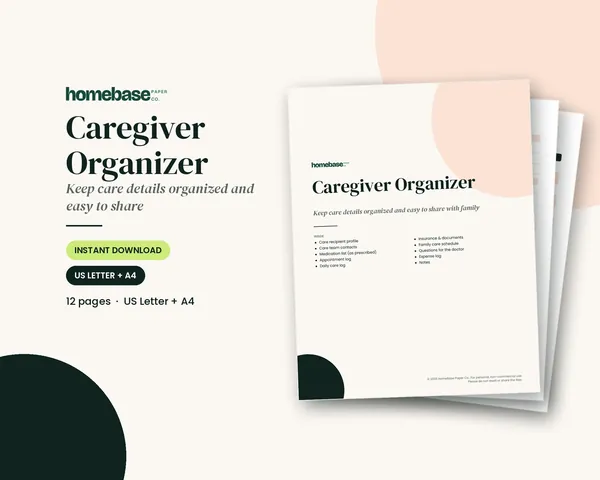
Caregiver Organizer
One place for contacts, appointments, the medication list from the doctor, and daily notes.
 Club
Monthly club
Meal Plan Club
Families who want dinner planned and a grocery list ready every week.
Free printable
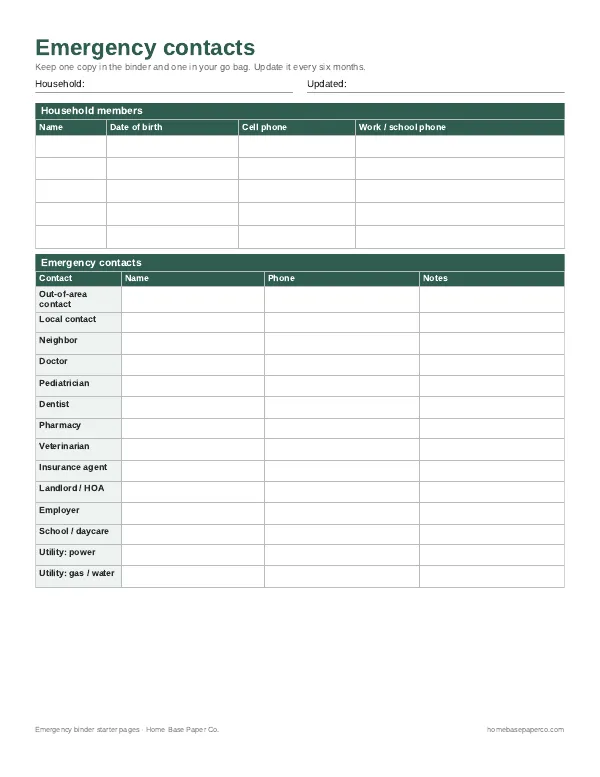
Have the important stuff in one place: get the free emergency binder pages
Printable starter pages for household members, emergency contacts, medical notes and where key documents live. You'll also get our weekly HomeBase email with simple ways to keep family records and important papers in order.
Sources
- Cornell Feline Health Center: Feline vaccines, benefits and risks vet.cornell.edu
- UC Davis Veterinary Medicine: Vaccination guidelines for dogs and cats healthtopics.vetmed.ucdavis.edu
- CDC: Preventing rabies cdc.gov