

The short answer: the most useful healthy foods are whole, minimally processed picks from eight groups: vegetables, fruits, whole grains, protein foods, beans and soy, dairy, healthy fats, and nuts and seeds. All 71 are below with USDA nutrition numbers.
- Daily targets at 2,000 calories: 3 servings of vegetables · 2 of fruit · 2–4 of whole grains · 3 of dairy · protein at every meal (1.2–1.6 g per kg of body weight) · sodium under 2,300 mg, per the Dietary Guidelines for Americans, 2025–2030
- Top 5 pantry staples: oats, eggs, dry lentils and beans, frozen vegetables and canned fish keep for weeks and cover protein, fiber and key vitamins
- Free and paid next step: get the free calorie tracker (we email it to you), or turn this list into a week of meals with the Meal Planner & Grocery List ($3.99).
Nutrition values checked November 13, 2026 in USDA FoodData Central. This is general information, not medical advice: if you have a health condition, allergies or take medicine, follow your clinician's plan. Below: the list, a plate guide, a 1-week grocery list and budget tips.
Healthy foods list at a glance
| Food group | Foods on this list | Daily goal (2025–2030 guidelines, 2,000 calories) |
|---|---|---|
| Vegetables | 14 | 3 servings |
| Fruits | 10 | 2 servings |
| Whole grains | 8 | 2–4 servings |
| Protein foods | 11 | Protein at every meal |
| Beans, lentils and soy | 9 | Counted as protein foods |
| Dairy and alternatives | 6 | 3 servings |
| Healthy fats | 4 | Saturated fat at 10% of calories or less |
| Nuts and seeds | 9 | Counted as protein foods and healthy fats |
71 healthy foods by food group, with USDA nutrition facts
How to read the tables: every number is per 100 grams (about 3.5 ounces) from USDA FoodData Central. "% DV" compares it with the FDA Daily Values used on Nutrition Facts labels. Oats, popcorn, nuts, seeds and oils are listed dry, so 100 grams is far more than one serving.
Vegetables
Why they earn a spot: vitamins A, C and K, potassium and fiber for very few calories. Frozen and canned count too if they have little or no added sugar.
| # | Food | Calories | Protein (g) | Fiber (g) | Standout nutrient |
|---|---|---|---|---|---|
| 1 | Spinach | 23 | 2.9 | 2.2 | 483 mcg vitamin K (402% DV). |
| 2 | Kale | 35 | 2.9 | 4.1 | 93.4 mg vitamin C (104% DV). |
| 3 | Broccoli | 34 | 2.8 | 2.6 | 89.2 mg vitamin C (99% DV). |
| 4 | Carrots | 41 | 0.9 | 2.8 | 835 mcg vitamin A (93% DV). |
| 5 | Sweet potatoes (baked) | 90 | 2.0 | 3.3 | 961 mcg vitamin A (107% DV). |
| 6 | Red bell peppers | 26 | 1.0 | 2.1 | 128 mg vitamin C (142% DV). |
| 7 | Tomatoes | 18 | 0.9 | 1.2 | 13.7 mg vitamin C (15% DV). |
| 8 | Cabbage | 25 | 1.3 | 2.5 | 76 mcg vitamin K (63% DV). |
| 9 | Brussels sprouts | 43 | 3.4 | 3.8 | 177 mcg vitamin K (148% DV). |
| 10 | Cauliflower | 25 | 1.9 | 2.0 | 48.2 mg vitamin C (54% DV). |
| 11 | Green beans | 31 | 1.8 | 2.7 | 43 mcg vitamin K (36% DV). |
| 12 | Collard greens | 32 | 3.0 | 4.0 | 232 mg calcium (18% DV). |
| 13 | Butternut squash (baked) | 40 | 0.9 | 3.2 | 558 mcg vitamin A (62% DV). |
| 14 | White mushrooms | 22 | 3.1 | 1.0 | 9.3 mcg selenium (17% DV). |
More ways to cook them: how to roast vegetables, salad recipes and sweet potato recipes.
Fruits
Why they earn a spot: vitamin C, fiber and natural sweetness. Choose whole fruit; the guidelines say to limit 100% juice or dilute it.
| # | Food | Calories | Protein (g) | Fiber (g) | Standout nutrient |
|---|---|---|---|---|---|
| 15 | Apples (with skin) | 52 | 0.3 | 2.4 | 2.4 g fiber (9% DV). |
| 16 | Bananas | 89 | 1.1 | 2.6 | 358 mg potassium (8% DV). |
| 17 | Blueberries | 57 | 0.7 | 2.4 | 19.3 mcg vitamin K (16% DV). |
| 18 | Strawberries | 32 | 0.7 | 2.0 | 58.8 mg vitamin C (65% DV). |
| 19 | Oranges | 47 | 0.9 | 2.4 | 53.2 mg vitamin C (59% DV). |
| 20 | Kiwifruit | 61 | 1.1 | 3.0 | 92.7 mg vitamin C (103% DV). |
| 21 | Raspberries | 52 | 1.2 | 6.5 | 6.5 g fiber (23% DV). |
| 22 | Pears | 63 | 0.4 | 3.1 | 3.1 g fiber (11% DV). |
| 23 | Grapes | 69 | 0.7 | 0.9 | 14.6 mcg vitamin K (12% DV). |
| 24 | Cantaloupe | 34 | 0.8 | 0.9 | 169 mcg vitamin A (19% DV). |
Blend the berries into healthy smoothie recipes or pack them as healthy snacks.
Whole grains
Why they earn a spot: whole grains keep the bran and germ, so they carry more fiber and minerals than white bread or white rice.
| # | Food | Calories | Protein (g) | Fiber (g) | Standout nutrient |
|---|---|---|---|---|---|
| 25 | Oats (dry) | 379 | 13.2 | 10.1 | 138 mg magnesium (33% DV). |
| 26 | Brown rice (cooked) | 123 | 2.7 | 1.6 | 39 mg magnesium (9% DV). |
| 27 | Quinoa (cooked) | 120 | 4.4 | 2.8 | 64 mg magnesium (15% DV). |
| 28 | Whole-wheat bread | 252 | 12.4 | 6.0 | 25.7 mcg selenium (47% DV). |
| 29 | Whole-wheat pasta (cooked) | 149 | 6.0 | 3.9 | 36.3 mcg selenium (66% DV). |
| 30 | Bulgur (cooked) | 83 | 3.1 | 4.5 | 4.5 g fiber (16% DV). |
| 31 | Popcorn (air-popped) | 387 | 12.9 | 14.5 | 14.5 g fiber (52% DV). |
| 32 | Buckwheat groats (cooked) | 92 | 3.4 | 2.7 | 51 mg magnesium (12% DV). |
Start with overnight oats or a pot of brown rice from our rice recipes.
Protein foods
Why they earn a spot: the guidelines put protein at every meal, from eggs, poultry, seafood, red meat and plants. Salmon, sardines and trout add omega-3 fats.
| # | Food | Calories | Protein (g) | Fiber (g) | Standout nutrient |
|---|---|---|---|---|---|
| 33 | Eggs (hard-boiled) | 155 | 12.6 | 0.0 | 1.1 mcg vitamin B12 (46% DV). |
| 34 | Salmon (farmed, cooked) | 206 | 22.1 | 0.0 | 2.15 g omega-3 EPA + DHA. |
| 35 | Canned light tuna (in water) | 86 | 19.4 | 0.0 | 70.6 mcg selenium (128% DV). |
| 36 | Sardines (canned, drained) | 208 | 24.6 | 0.0 | 382 mg calcium (29% DV). |
| 37 | Chicken breast (roasted, no skin) | 165 | 31.0 | 0.0 | 31 g protein (62% DV). |
| 38 | Ground turkey, 93% lean (cooked) | 213 | 27.1 | 0.0 | 1.9 mcg vitamin B12 (79% DV). |
| 39 | Ground beef, 95% lean (cooked) | 164 | 25.8 | 0.0 | 2.8 mcg vitamin B12 (116% DV). |
| 40 | Pork tenderloin (roasted) | 143 | 26.2 | 0.0 | 38.2 mcg selenium (69% DV). |
| 41 | Cod (cooked) | 105 | 22.8 | 0.0 | 37.6 mcg selenium (68% DV). |
| 42 | Shrimp (cooked) | 99 | 24.0 | 0.0 | 24 g protein (48% DV). |
| 43 | Rainbow trout (farmed, cooked) | 168 | 23.8 | 0.0 | 0.88 g omega-3 EPA + DHA. |
For a protein ranking, see our high protein foods chart, or start dinner with baked salmon.
Beans, lentils and soy
Why they earn a spot: beans and lentils are high in both protein and fiber, plus folate and potassium, and dry ones keep for months.
| # | Food | Calories | Protein (g) | Fiber (g) | Standout nutrient |
|---|---|---|---|---|---|
| 44 | Lentils | 116 | 9.0 | 7.9 | 181 mcg folate (45% DV). |
| 45 | Black beans | 132 | 8.9 | 8.7 | 149 mcg folate (37% DV). |
| 46 | Chickpeas | 164 | 8.9 | 7.6 | 172 mcg folate (43% DV). |
| 47 | Kidney beans | 127 | 8.7 | 6.4 | 405 mg potassium (9% DV). |
| 48 | Pinto beans | 143 | 9.0 | 9.0 | 172 mcg folate (43% DV). |
| 49 | Navy beans | 140 | 8.2 | 10.5 | 10.5 g fiber (38% DV). |
| 50 | Split peas | 118 | 8.3 | 8.3 | 8.3 g fiber (30% DV). |
| 51 | Edamame | 121 | 11.9 | 5.2 | 311 mcg folate (78% DV). |
| 52 | Tofu (firm, calcium-set) | 144 | 17.3 | 2.3 | 683 mg calcium (53% DV). |
Beans are cooked from dry without salt. Recipes: lentil recipes, tofu recipes and our list of plant-based protein sources.
Dairy and alternatives
Why they earn a spot: protein, calcium and vitamin B12. The 2025–2030 guidelines allow full-fat dairy with no added sugars, while the NIH's heart-healthy foods list favors fat-free or low-fat. Either way, buy plain. If heart health is the goal, the heart healthy foods guide goes deeper.
| # | Food | Calories | Protein (g) | Fiber (g) | Standout nutrient |
|---|---|---|---|---|---|
| 53 | Plain nonfat Greek yogurt | 59 | 10.2 | 0.0 | 10.2 g protein (20% DV). |
| 54 | Plain low-fat yogurt | 63 | 5.2 | 0.0 | 183 mg calcium (14% DV). |
| 55 | 1% milk | 42 | 3.4 | 0.0 | 125 mg calcium (10% DV). |
| 56 | 1% cottage cheese | 72 | 12.4 | 0.0 | 12.4 g protein (25% DV). |
| 57 | Soy milk with added calcium | 43 | 2.6 | 0.2 | 123 mg calcium (9% DV). |
| 58 | Part-skim mozzarella | 254 | 24.3 | 0.0 | 782 mg calcium (60% DV). |
Healthy fats
Why they earn a spot: the guidelines name olive oil, avocados, olives, nuts, seeds and fatty fish as healthy fats. Oils are calorie dense, so measure them.
| # | Food | Calories | Protein (g) | Fiber (g) | Standout nutrient |
|---|---|---|---|---|---|
| 59 | Avocados | 160 | 2.0 | 6.7 | 6.7 g fiber (24% DV). |
| 60 | Olive oil | 884 | 0.0 | 0.0 | 14.3 mg vitamin E (96% DV). |
| 61 | Canola oil | 884 | 0.0 | 0.0 | 9.1 g omega-3 ALA. |
| 62 | Ripe olives (canned) | 116 | 0.8 | 1.6 | High sodium: 735 mg (32% DV). |
Nuts and seeds
Why they earn a spot: protein, fiber, magnesium, vitamin E and unsaturated fat. Buy unsalted and keep portions to a small handful.
| # | Food | Calories | Protein (g) | Fiber (g) | Standout nutrient |
|---|---|---|---|---|---|
| 63 | Almonds | 579 | 21.1 | 12.5 | 25.6 mg vitamin E (171% DV). |
| 64 | Walnuts | 654 | 15.2 | 6.7 | 9.1 g omega-3 ALA. |
| 65 | Peanuts | 567 | 25.8 | 8.5 | 240 mcg folate (60% DV). |
| 66 | Pistachios | 560 | 20.2 | 10.6 | 1,025 mg potassium (22% DV). |
| 67 | Chia seeds | 486 | 16.5 | 34.4 | 34.4 g fiber (123% DV). |
| 68 | Flaxseed | 534 | 18.3 | 27.3 | 22.8 g omega-3 ALA. |
| 69 | Pumpkin seeds | 559 | 30.2 | 6.0 | 592 mg magnesium (141% DV). |
| 70 | Sunflower seeds | 584 | 20.8 | 8.6 | 35.2 mg vitamin E (234% DV). |
| 71 | Peanut butter (no salt added) | 598 | 22.2 | 5.0 | 168 mg magnesium (40% DV). |
Lighter options: low calorie meals and low calorie snacks.
Building a healthy plate
The 2025–2030 guidelines replaced MyPlate, the federal icon from 2011 to 2026, with a new food pyramid, per the Dietary Guidelines history page. The plate idea still works for portioning each meal:
- Start with protein: eggs, fish, chicken, beans, tofu or Greek yogurt.
- Fill about half with vegetables or fruit.
- Add a whole grain: oats, brown rice, quinoa or whole-wheat bread.
- Finish with a healthy fat: olive oil, avocado or seeds.
- Drink water or another unsweetened drink.
| Meal | Protein | Vegetable or fruit | Whole grain | Healthy fat |
|---|---|---|---|---|
| Breakfast | 2 hard-boiled eggs or Greek yogurt | Berries or a banana | Oatmeal | Walnuts or chia seeds |
| Lunch | Canned tuna or chickpeas | Spinach, tomatoes, peppers | Whole-wheat bread or quinoa | Olive oil dressing |
| Dinner | Salmon, chicken or lentils | Roasted broccoli and sweet potato | Brown rice | Avocado or olive oil |
| Snack | Peanut butter or cottage cheese | Apple or carrots | Air-popped popcorn | Pumpkin seeds |
More meals built this way: healthy meals, healthy breakfast ideas, healthy lunch ideas and healthy dinner ideas. For daily habits, our healthy eating guide has 15 tips and a sample day.
Starter healthy food grocery list for 1 week
This starter version pulls from all 8 groups and is sized for two adults for seven days. Copy it onto a grocery list template or the meal planner's aisle-sorted list.
- Produce: 1 bag of spinach, 1 head of broccoli, 1 bag of carrots, 3 bell peppers, 4 tomatoes, 3 sweet potatoes, 1 small cabbage, 6 bananas, 6 apples, 4 oranges, 2 avocados.
- Frozen: 2 bags of plain mixed vegetables, 1 bag of green beans, 1 bag of berries, 1 bag of shrimp or salmon fillets.
- Pantry: old-fashioned oats, brown rice, quinoa, whole-wheat pasta, dry lentils, 2 cans of no-salt-added black beans, 2 cans of no-salt-added chickpeas, 4 cans of light tuna in water, popcorn kernels, unsalted peanut butter, olive oil.
- Protein: 1 dozen eggs, 2 pounds of skinless chicken breast or thighs, 1 pound of 93% lean ground turkey, 1 block of firm tofu.
- Dairy: 1 large tub of plain Greek yogurt, 1 half gallon of milk or unsweetened soy milk, 1 small block of part-skim mozzarella.
- Nuts and seeds: unsalted almonds or walnuts, pumpkin seeds, ground flaxseed or chia seeds.
- Flavor: garlic, onions, lemons, black pepper, cumin, chili powder, Italian herbs.
Prep tip: on Sunday, boil the eggs, cook brown rice and lentils, and roast a sheet pan of vegetables. Our healthy meal prep ideas show the full routine.
How to buy healthy foods on a budget
These moves work with any healthy food list:
- Money-saving tip: buy frozen produce. The guidelines count plain frozen vegetables and fruit as good options, and nothing spoils.
- Money-saving tip: cook beans and lentils from dry. If you buy canned, pick no-salt-added and rinse.
- Money-saving tip: mix your proteins. Rotate eggs, canned fish, lentils, tofu and peanut butter in with fresh meat, and compare cost per serving.
- Money-saving tip: buy whole grains plain. Plain oats and brown rice skip the sodium and sugar in flavored mixes.
- Money-saving tip: track what you pay. A grocery price book shows which store is lowest on nuts, olive oil and fish.
For a full plan, see how to grocery shop on a budget, meal planning on a budget, cheap meal ideas the average grocery cost per month and our budget categories list.
Foods to limit
The 2025–2030 guidelines ask you to cut back on:
- Highly processed foods: chips, cookies, candy and salty or sweet packaged foods.
- Added sugars: no more than 10 grams in one meal. Watch for "sugar," "syrup" and "-ose" words on labels.
- Sugary drinks: sodas, fruit drinks and energy drinks.
- Refined grains: white bread, packaged breakfast foods, flour tortillas and crackers.
- Sodium: under 2,300 mg a day from age 14.
Label tip: the FDA says 5% Daily Value or less per serving is low and 20% or more is high. Aim high on fiber and calcium, low on sodium and added sugars.
Plan your healthy food week
A healthy foods list helps only once it turns into meals. I grew up as the oldest of three, the one my family leaned on to keep everything coordinated, and the kitchen works the same way: write the week down once, then shop from it.
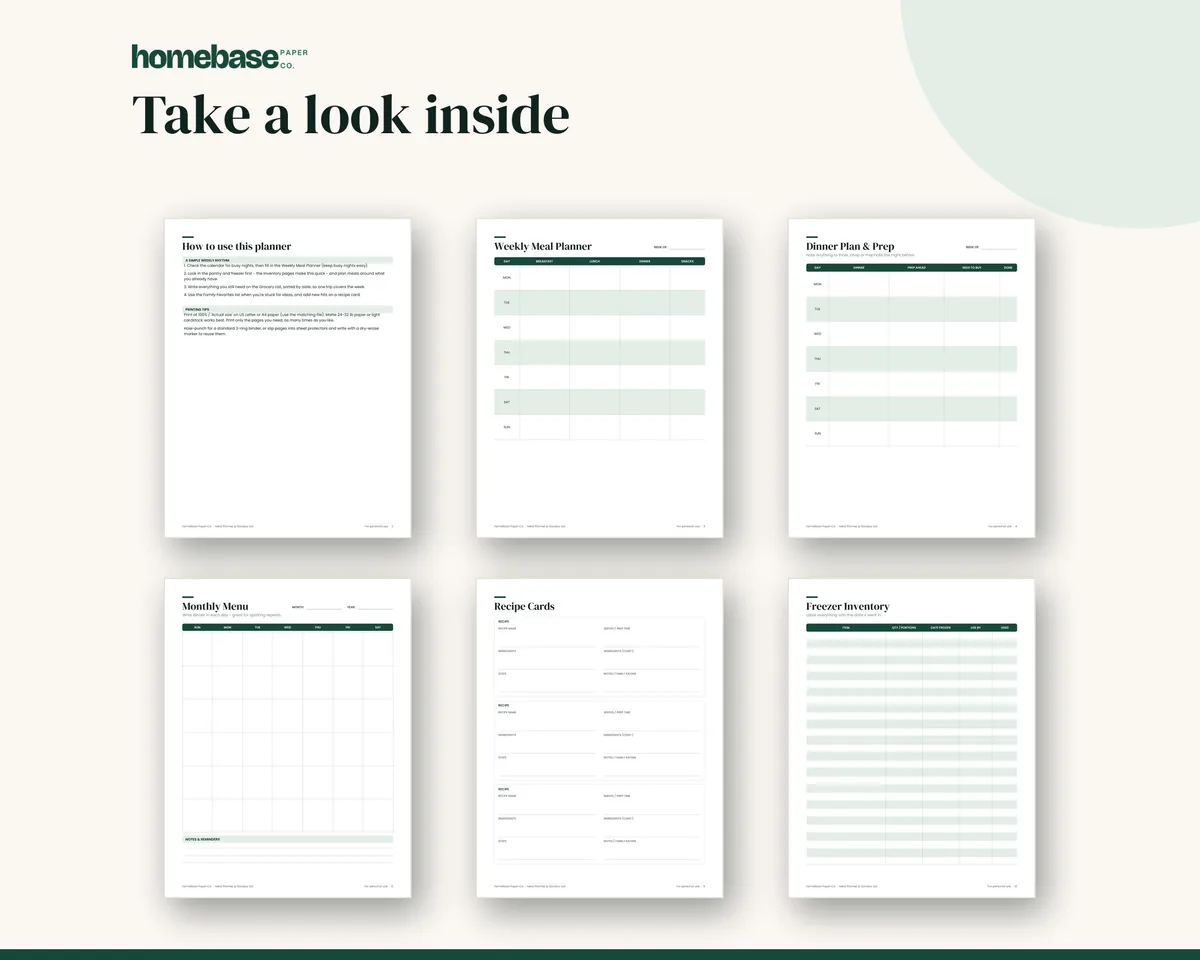
- Plan the week: the Meal Planner & Grocery List ($3.99) is a printable weekly meal planner with an aisle-sorted grocery list plus pantry and freezer inventories.
- Keep the recipes that work: the Family Recipe Binder ($6.99) has dividers, four recipe layouts, recipe cards and a conversion chart.
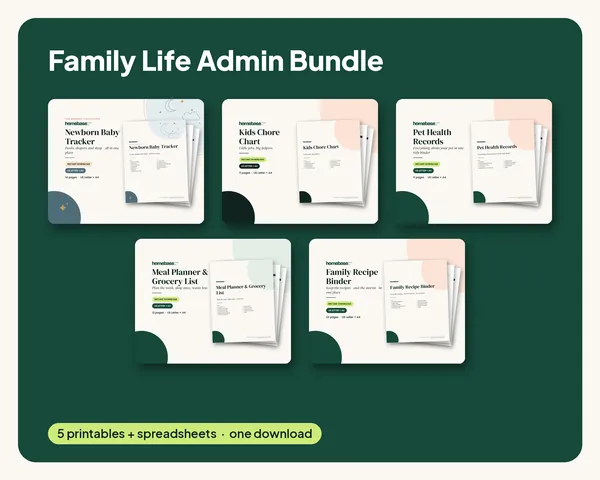
- Get both, plus more: the Family Life Admin Bundle is $15.99 (
$23.95when bought separately) and includes the meal planner and the recipe binder. - Start free: get the free calorie tracker (we email it to you) to log a normal week first. To set protein targets, try the macro calculator.
Browse all Printables or Bundles.
Make it easier
Tools for this
 Starter pick
Printables
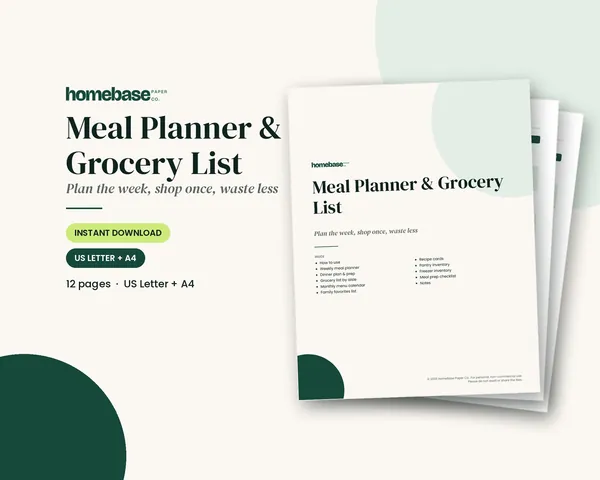
Meal Planner & Grocery List
Weekly meals, a grocery list sorted by aisle, and pantry and freezer inventories so you shop once and waste less.
Printables
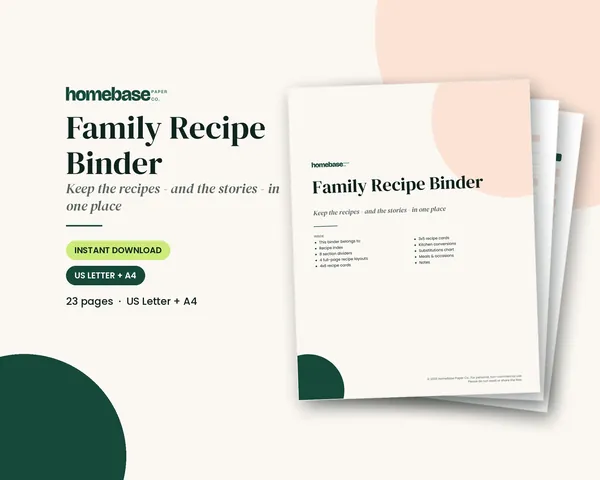
Family Recipe Binder
Section dividers, four recipe page layouts with room for the family story, 4x6 and 3x5 cards and a conversion chart - print it or type into the fillable version.
 Save 33%
Bundles
Family Life Admin Bundle
Baby logs, chore charts, pet records, meal plans and family recipes in one tidy set.
Frequently asked questions
What are the healthiest foods to eat? The healthiest foods are whole, minimally processed foods from every group: vegetables, fruits, whole grains, protein foods, beans and lentils, dairy, healthy fats, and nuts and seeds. Leafy greens, berries, oats, eggs, salmon, lentils, plain yogurt, olive oil and almonds are strong examples, and variety across groups matters more than any single food.
What is the number one healthiest food? No single food is the healthiest, because no one food supplies every nutrient you need. Spinach is a strong contender per calorie: USDA FoodData Central lists 100 grams at 23 calories with more than four times the Daily Value for vitamin K. A pattern built from many of the 71 foods on this list does far more than one superfood.
What healthy foods should I eat every day? Eat a protein food, vegetables and fruit, and a whole grain every day, plus a healthy fat. The Dietary Guidelines for Americans, 2025–2030 set daily goals at 2,000 calories of 3 vegetable servings, 2 fruit servings, 2 to 4 whole-grain servings and 3 dairy servings, with protein at every meal.
What are 10 healthy foods to start with? Ten healthy foods that cover most needs are spinach, broccoli, sweet potatoes, berries, oats, eggs, salmon or canned tuna, lentils, plain Greek yogurt and almonds. Together they supply protein, fiber, vitamins A, C and K, calcium, magnesium and omega-3 fats, and most come frozen, canned or dry.
Are frozen and canned foods healthy? Frozen and canned foods can be just as healthy as fresh. The Dietary Guidelines say frozen, dried or canned vegetables and fruit with no or very limited added sugars are good options. Pick plain frozen vegetables, fruit without syrup, and canned beans or fish labeled low sodium or no salt added.
Is full-fat dairy healthy now? The 2025–2030 Dietary Guidelines say full-fat dairy with no added sugars can be part of a healthy diet, with 3 dairy servings a day at 2,000 calories. The NIH's heart-healthy eating advice still favors fat-free or low-fat dairy, so if you have heart disease or high cholesterol, ask your clinician which fits you.
How much protein should I eat a day? The Dietary Guidelines for Americans, 2025–2030 set a protein goal of 1.2 to 1.6 grams per kilogram of body weight a day. For a 150-pound adult, about 68 kilograms, that works out to roughly 82 to 109 grams. Spread it across meals and adjust for your calorie needs or your clinician's advice.
What foods should I limit for a healthy diet? Limit highly processed foods, added sugars, sugary drinks, refined grains and excess sodium. The 2025–2030 guidelines say one meal should have no more than 10 grams of added sugars, and people 14 and older should keep sodium under 2,300 milligrams a day. Chips, cookies, candy, soda and white bread are the usual places to cut.
How do I build a healthy plate? Build a healthy plate by starting with a protein food, filling about half the plate with vegetables or fruit, adding a whole grain and finishing with a little healthy fat. MyPlate was the federal icon until 2026, when the new guidelines introduced a food pyramid, but the plate method is still a quick way to portion one meal.
How can I eat healthy food on a budget? Eat healthy on a budget by building meals around foods that store well: oats, brown rice, dry beans and lentils, eggs, canned fish, frozen vegetables and frozen fruit. Plan the week first, shop from a list, and track prices in a price book so you know where your staples cost the least.
Are nuts healthy even though they are high in calories? Nuts are healthy in small portions. USDA FoodData Central lists 100 grams of almonds at 579 calories, but also 21 grams of protein, 12.5 grams of fiber and more vitamin E than the Daily Value. Keep portions small and measure them instead of eating from the bag.
How do I use the Nutrition Facts label to find healthy foods? Use the percent Daily Value column on the Nutrition Facts label. The FDA says 5% Daily Value or less of a nutrient per serving is low and 20% or more is high. Look for higher fiber, calcium, iron and potassium, and lower sodium, saturated fat and added sugars.
What planner helps me plan meals with healthy foods? The Meal Planner & Grocery List ($3.99) from HomeBase Paper Co. is a printable weekly meal planner with an aisle-sorted grocery list plus pantry and freezer inventories. Write your healthy meals on the weekly page, then copy the ingredients onto the grocery list.
Where can I keep my healthy recipes? The Family Recipe Binder ($6.99) from HomeBase Paper Co. is a printable with section dividers, four recipe page layouts, 4x6 and 3x5 recipe cards and a conversion chart. Give healthy dinners and breakfasts their own sections so the recipes that work are easy to find again.
Is there a bundle with the meal planner and recipe binder? Yes, the Family Life Admin Bundle is $15.99, compared with $23.95 for its items bought separately. It includes the Meal Planner & Grocery List, the Family Recipe Binder, a kids chore chart, a newborn baby tracker and pet health records.
More from HomeBase
You may also like
 Thanksgiving Edition
Printables
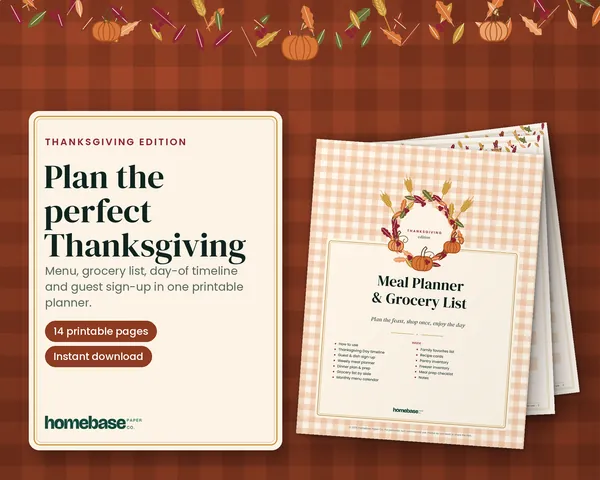
Meal Planner & Grocery List: Thanksgiving Edition
Plan the perfect Thanksgiving: our meal planner in a warm harvest design, with a Thanksgiving Day timeline, a guest & dish sign-up, an aisle-sorted grocery list and pantry and freezer trackers.
Printables
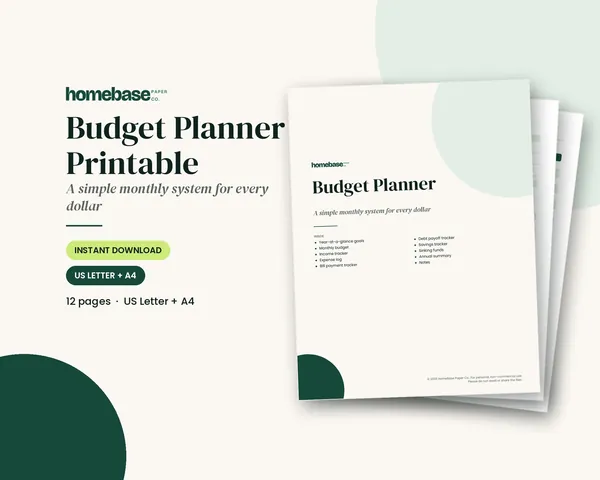
Budget Planner Printable
Twelve undated pages you can print every month: budget, bills, spending, savings and debt.
Printables
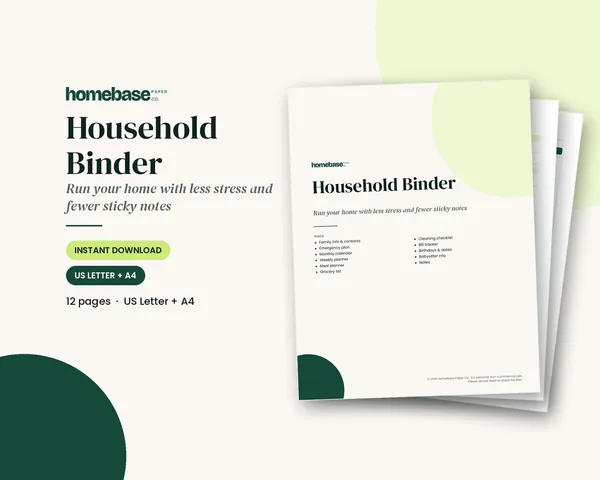
Household Binder
Family info, emergency plan, calendars, meals, groceries, cleaning, bills and sitter notes.
 Starter pick
Printables
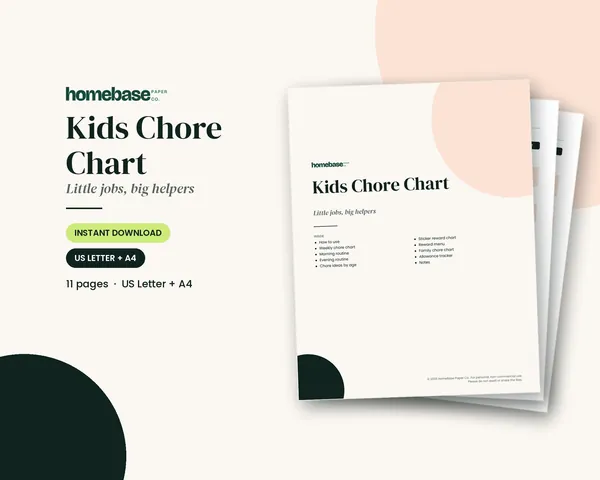
Kids Chore Chart
Weekly chore chart, morning and evening routines, chore ideas by age, a sticker reward chart and an allowance tracker.
 Club
Monthly club
Meal Plan Club
Families who want dinner planned and a grocery list ready every week.
Free printable
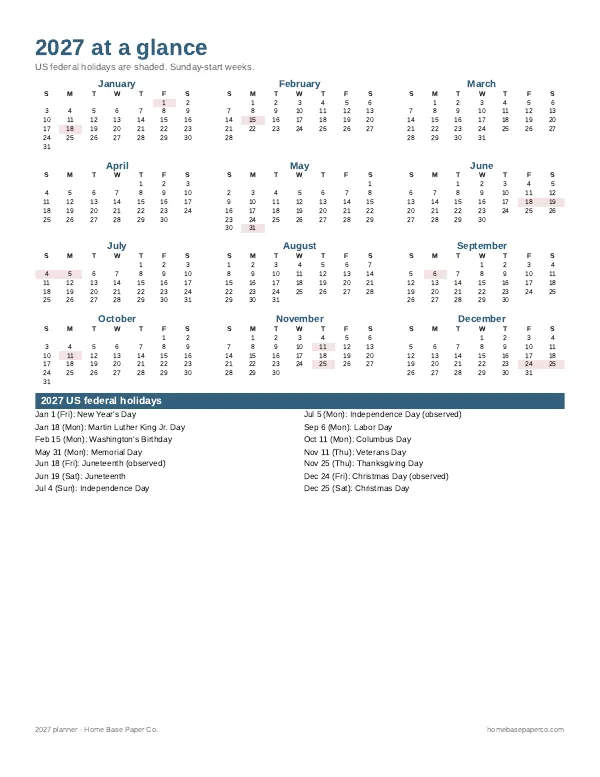
Get organized for the new year: get the free 2027 planner
A 16-page printable 2027 planner with a year-at-a-glance page and monthly calendars with US holidays marked. You'll also get our weekly HomeBase email with simple planning and home organization tips.
Sources
- USDA FoodData Central fdc.nal.usda.gov
- Dietary Guidelines for Americans, 2025–2030 (edition history) dietaryguidelines.gov
- U.S. FDA: Daily Value on the Nutrition and Supplement Facts Labels fda.gov
- NIH NHLBI: Choose Heart-Healthy Foods nhlbi.nih.gov