

The short answer: to roast vegetables, cut them into even pieces, toss with 1 to 2 tablespoons of oil per pound, season, spread in a single layer and roast at 425°F until browned and tender. Use the time chart below for broccoli, carrots, Brussels sprouts and more.
- Key numbers: 425°F · 15 to 45 minutes · single layer · flip once · leftovers 3 to 4 days
- Top moves: dry the vegetables, do not crowd the pan, preheat the sheet, finish with acid or herbs
- Free and paid next step: get the free recipe book starter pages (we email it to you), or plan sheet-pan week with the Meal Planner & Grocery List ($3.99).
Our picks for how to roast vegetables
 Starter pick
Printables
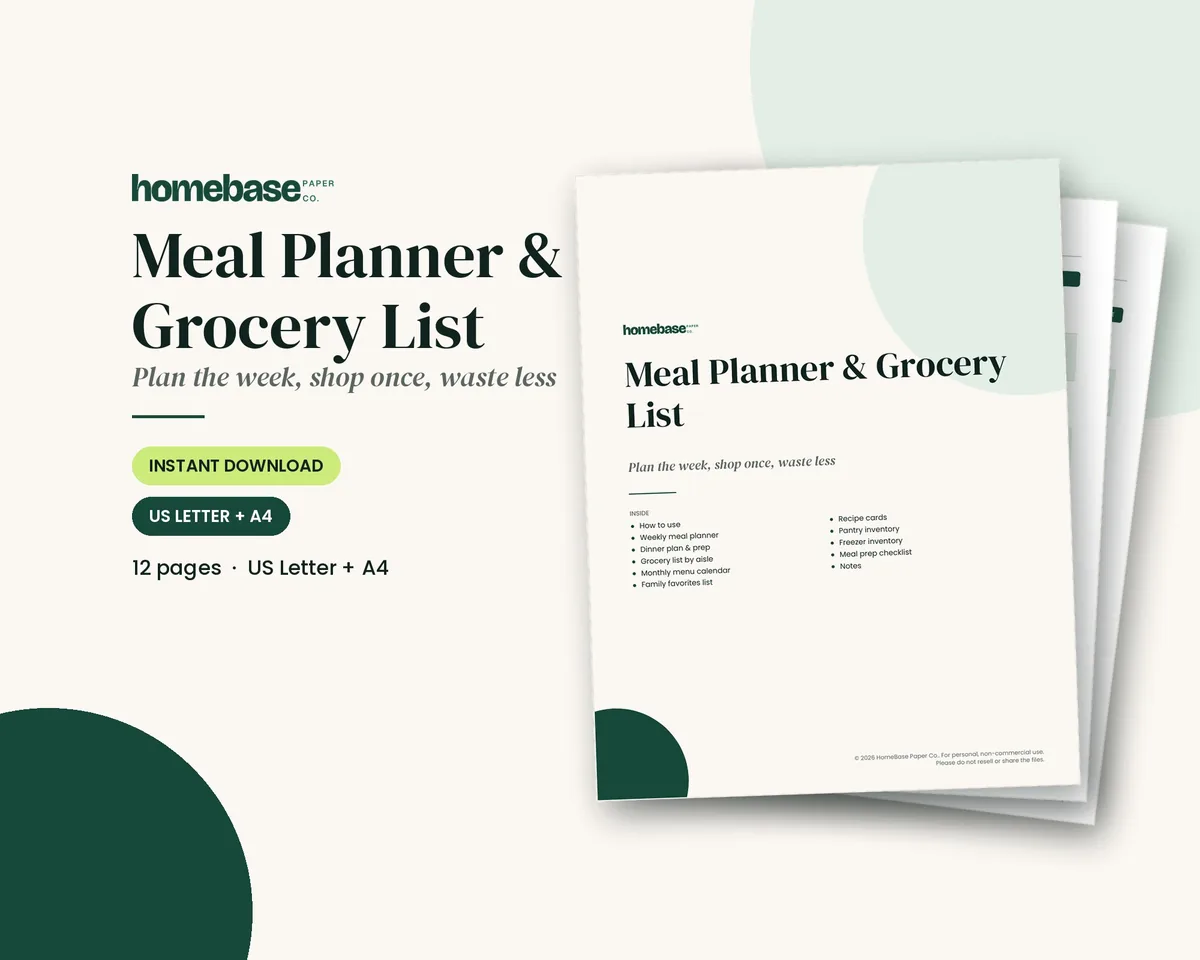
Meal Planner & Grocery List
Weekly meals, a grocery list sorted by aisle, and pantry and freezer inventories so you shop once and waste less.

Printables
Family Recipe Binder
Section dividers, four recipe page layouts with room for the family story, 4x6 and 3x5 cards and a conversion chart - print it or type into the fillable version.
 Save 33%
Bundles
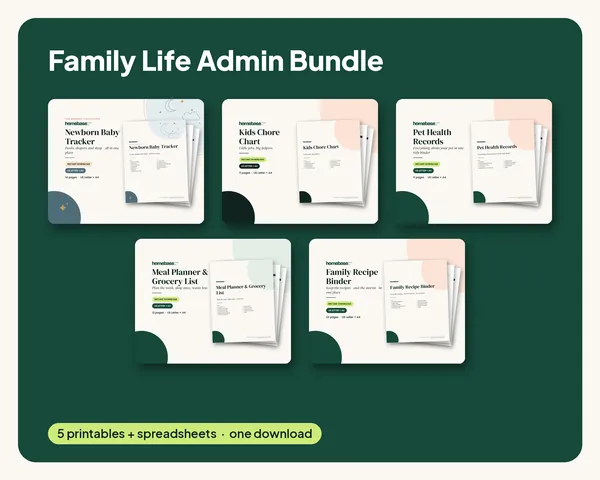
Family Life Admin Bundle
Baby logs, chore charts, pet records, meal plans and family recipes in one tidy set.
Times and storage notes on this how to roast vegetables guide were checked November 5, 2026. Secondary searches like how to make roasted vegetables are covered here. Oven-roasted potatoes appear as a variation; baked potato stays on its own page.
Basic method: how to roast vegetables
- Heat the oven to 425°F. Set a sheet pan inside to preheat if you want extra browning.
- Cut even pieces. Aim for similar thickness so everything finishes together.
- Dry well. Water steams; oil browns.
- Toss. Per pound of vegetables: 1 to 2 tablespoons oil, ½ to ¾ teaspoon kosher salt, black pepper.
- Spread. Single layer with space between pieces. Use two pans instead of stacking.
- Roast and flip. Follow the chart; flip once halfway for even color.
- Finish. Lemon, vinegar, Parmesan or herbs after the pan comes out.
Roasted vegetables time chart (425°F)
| Vegetable | Cut | Time | Done when |
|---|---|---|---|
| Asparagus | Whole spears | 12 to 15 min | Tips crisp, stalks tender |
| Zucchini / summer squash | ½-inch half-moons | 15 to 20 min | Edges browned |
| Bell peppers | 1-inch strips | 15 to 20 min | Soft with charred edges |
| Broccoli / cauliflower | Florets | 20 to 25 min | Edges crispy, stems tender |
| Green beans | Whole | 18 to 22 min | Blistered |
| Brussels sprouts | Halved | 25 to 30 min | Cut side deep brown |
| Carrots | ½-inch coins or sticks | 25 to 35 min | Pierced easily |
| Sweet potato | 1-inch cubes | 30 to 35 min | Creamy inside |
| Potatoes (roasted cubes) | 1-inch pieces | 30 to 40 min | Crisp outside |
| Beets | ¾-inch cubes | 35 to 45 min | Tender through |
| Mixed tray | Similar-size pieces | Match the densest item | Add quick veg later |
Mixed tray tip: start dense roots first; add broccoli or zucchini for the last 15 to 20 minutes.
Seasoning formulas
| Style | Toss before roasting | Finish after |
|---|---|---|
| Classic | Oil, salt, pepper, garlic powder | Lemon juice |
| Italian | Oil, Italian seasoning, garlic | Parmesan and basil |
| Smoky | Oil, smoked paprika, cumin | Lime |
| Maple mustard | Oil, Dijon, maple syrup | Black pepper |
| Chili lime | Oil, chili powder, cumin | Lime and cilantro |
| Everything bagel | Oil, everything seasoning | Soft herbs |
Oven roasted potatoes (variation, not baked potatoes)
For crispy oven roasted potatoes on the same tray method: cut into 1-inch pieces, toss with oil and salt, roast at 425°F for 30 to 40 minutes, flipping once. For a full potato-side deep dive, use roasted potatoes. For whole potatoes with fluffy interiors, that is a different method on baked potato — do not treat this page as a baked-potato guide.
Sheet-pan meal ideas
- Chicken thighs + broccoli + carrots (add chicken first; poultry to 165°F)
- Sausage + peppers + onions
- Chickpeas + cauliflower + sweet potato
- Salmon + asparagus (salmon for the last 12 to 15 minutes)
Pair roasted trays with easy side dishes, chicken dinner ideas and meal prep ideas.
Storage and reheating
Cool within 2 hours. Cooked vegetables keep 3 to 4 days in the fridge per USDA FSIS leftovers and FoodSafety.gov cold storage charts. Reheat on a hot sheet at 425°F for 8 to 10 minutes to bring the edges back.
For more ways to eat more vegetables beyond the oven, see our full guide.
Plan sheet-pan week and save the chart
- Meal Planner & Grocery List, $3.99. Weekly menu grid and aisle-sorted shopping list.
- Family Recipe Binder, $6.99. Fillable pages for time charts and spice blends.
- Family Life Admin Bundle, $15.99 (
$23.95bought separately). Includes both printables above plus three more household organizers.
Browse every planner in our printables shop.
Meal Planner & Grocery List
Weekly meals, a grocery list sorted by aisle, and pantry and freezer inventories so you shop once and waste less.
$3.99 · Instant download. Print at home or fill it in on screen. Or browse the full Home & Organizing collection.
Frequently asked questions
What temperature is best for roasting vegetables? 425°F is the sweet spot for most roasted vegetables: hot enough for browning without burning the outside before the inside softens. Use 400°F for delicate vegetables like asparagus or cherry tomatoes, and 450°F when you want deeper color on sturdy roots.
How long do you roast vegetables? Most vegetables roast 15 to 45 minutes at 425°F. Soft vegetables like zucchini and peppers take about 15 to 20 minutes; broccoli and cauliflower about 20 to 25; carrots and Brussels sprouts about 25 to 35; cubes of potato about 30 to 40.
Do you need to boil vegetables before roasting? No, you do not need to boil vegetables before roasting. Toss raw vegetables with oil and salt and roast them directly. The exception is very dense beets or whole sweet potatoes if you want a faster finish; a short steam or microwave start is optional, not required.
Why are my roasted vegetables soggy? Roasted vegetables turn soggy when the pan is crowded and traps steam. Use two pans so pieces sit in a single layer with space around them, start with dry vegetables, and use enough oil to coat but not puddle. A hot preheated sheet pan also helps.
What oil is best for roasting vegetables? Use a neutral high-heat oil or olive oil. About 1 to 2 tablespoons per pound of vegetables is enough. Oil helps browning and carries seasoning; too much makes the pan greasy.
How do you season roasted vegetables? Start with oil, kosher salt and black pepper. Add garlic powder, smoked paprika, Italian seasoning, cumin or chili flakes. Finish with lemon juice, vinegar, Parmesan or fresh herbs after roasting so they stay bright.
Can you roast frozen vegetables? Yes, you can roast frozen vegetables. Roast from frozen at 425°F on a hot pan; do not thaw first or they turn mushy. Expect a few extra minutes and more moisture, so leave extra space on the pan.
How do you make oven roasted potatoes as a variation? Cut potatoes into 1-inch pieces, toss with oil and salt, and roast at 425°F for 30 to 40 minutes, flipping once. For a dedicated potato side with more detail, see our roasted potatoes page. This guide does not cover baked potatoes; those live on our baked potato page.
How long do roasted vegetables last? Roasted vegetables keep 3 to 4 days in the refrigerator when cooled within 2 hours, based on USDA leftovers guidance for cooked vegetables. Reheat in a hot oven or skillet so they crisp again; the microwave softens them.
How do I plan sheet-pan dinners with roasted vegetables? The Meal Planner & Grocery List ($3.99) from HomeBase Paper Co. maps sheet-pan nights onto the weekly menu with an aisle-sorted list for produce and oil.
Where can I save my roasting times and seasoning mixes? The Family Recipe Binder ($6.99) from HomeBase Paper Co. has fillable pages for vegetable time charts and spice blends so you are not reinventing the tray each week.
Free printable
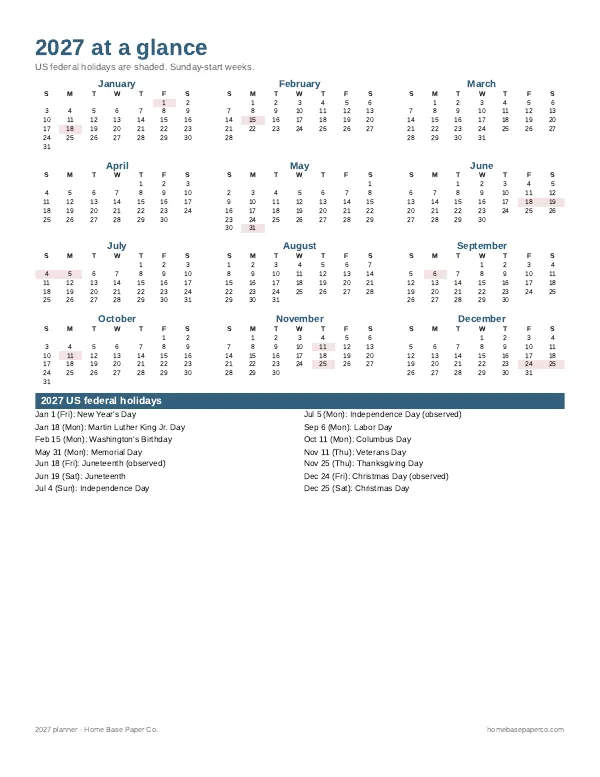
Get organized for the new year: get the free 2027 planner
A 16-page printable 2027 planner with a year-at-a-glance page and monthly calendars with US holidays marked. You'll also get our weekly HomeBase email with simple planning and home organization tips.
Sources
- USDA FSIS: Leftovers and food safety fsis.usda.gov
- FoodSafety.gov: Cold food storage charts foodsafety.gov
- USDA FoodData Central fdc.nal.usda.gov