

The short answer: good meal prep ideas save you from the nightly dinner scramble. Pick a style, prep on Sunday and follow the storage rules that keep food safe all week.
- Three styles: ingredient prep, batch cooking and full meals
- Breakfast: overnight oats, egg muffins, breakfast burritos
- More than 50 ideas for lunch, dinner, snacks and the freezer
- Fridge-and-freezer table and two sample prep weeks below
- Next step: Plan it with the Meal Planner & Grocery List ($3.99).
Good meal prep ideas save you from the 6 p.m. "what's for dinner?" scramble. This guide explains what meal prep is, lists the best recipes for meal prep, and gives you easy ideas for breakfast, lunch and dinner, a simple Sunday plan, and the storage rules that keep prepped food safe to eat all week. It now covers more than 50 meal prep ideas, grouped by breakfast, lunch, dinner, snacks, high-protein, meatless, no-reheat and freezer, plus a fridge-and-freezer table and two sample prep weeks.
I'm Malaysia. Before HomeBase, I worked as an executive assistant, so my whole job was making the next day easier for someone else. Meal prep is the same skill pointed at your own kitchen: a little planning on one day so the busy days run themselves.
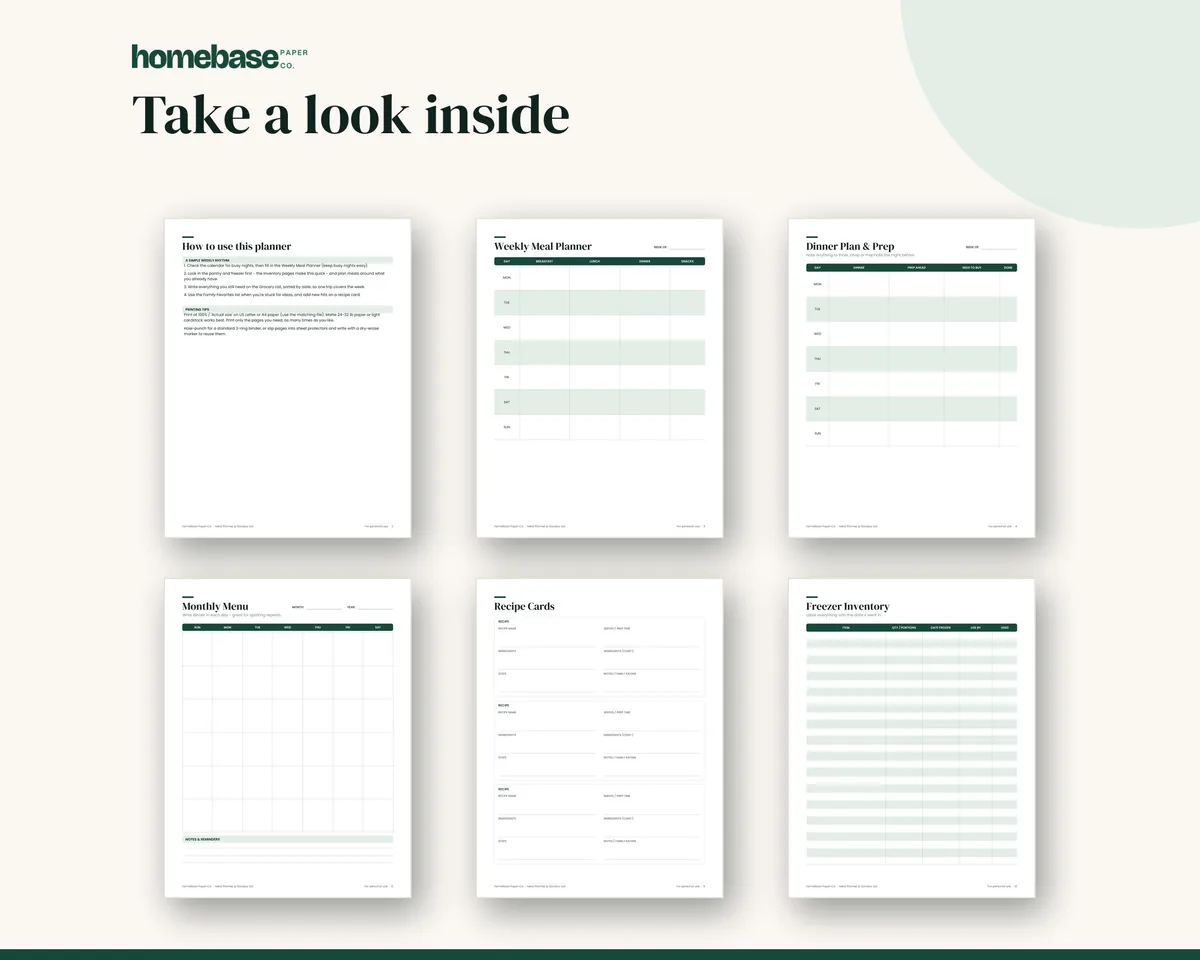
Our Meal Planner & Grocery List printable has a weekly meal planner, a dinner plan and prep page, a meal prep checklist and a grocery list sorted by aisle, so the plan is done before you start chopping.
What is meal prep?
Meal prep is preparing some or all of your meals ahead of time, usually on one or two days a week, so the rest of the week takes less cooking. It can be as small as washing and chopping vegetables, or as complete as packing five lunches into containers. Most people do some mix of three things:
- Prepping ingredients: cooking a pot of rice, roasting a tray of vegetables, browning ground meat or hard-boiling eggs.
- Cooking in batches: making a double batch of soup, chili or a casserole to eat several times or freeze.
- Packing meals: portioning finished meals into containers for grab-and-go lunches, breakfasts or dinners.
Meal prep isn't the same as meal planning, though they work best together. Meal planning decides what you'll eat this week; meal prep is the cooking and chopping that gets those meals ready. Plan first, shop once, then prep.
Why meal prep works
Doing that work ahead means weeknight meals come together fast. It saves time, money and stress. It also cuts waste. The EPA's tips on preventing wasted food at home start with planning meals and shopping with a list, which is exactly what prep does.
You don't need 20 matching boxes. Most families do better with a few prepped parts they can mix and match.
Three styles of meal prep
For the freezer-first style, our list of freezer meals has 20 dinners that freeze and reheat well.
| Style | What you do | Best for |
|---|---|---|
| Ingredient prep | Wash, chop and cook basics like grains and proteins | Families who like variety |
| Batch cooking | Make one big recipe and eat it a few times | Busy weeks, freezer stock |
| Full meals | Pack complete meals in containers | Work lunches, portion goals |
Many people use a mix. For example, you might batch a pot of chili, prep chicken and rice for bowls, and chop vegetables for snacks. Sticky teriyaki chicken is an easy protein for those rice bowls.
Easy meal prep ideas for breakfast
- Overnight oats: oats, milk or yogurt and fruit in jars. They keep four days. See our overnight oats recipe for the ratio and flavors.
- Egg muffins: whisk eggs with spinach, peppers and cheese, then bake in a muffin tin.
- Breakfast burritos: eggs, potatoes and beans, wrapped and frozen.
- Yogurt parfait kits: yogurt in one container, granola and berries in another.
- Banana oat pancakes: cook a batch, freeze flat and toast on busy mornings.
- Baked oatmeal squares: one pan of oats, milk, eggs and fruit, cut into squares for the week.
- Hard-boiled eggs and toast packs: a dozen eggs boiled at once keep for a week in the fridge.
- Chia pudding: chia seeds soaked overnight in milk, topped with fruit in the morning.
Meal prep ideas for lunch
These all pack well. For 30 priced lunches with protein and fridge life, see our lunch meal prep guide. For 40 more quick options you can make fresh, see our lunch ideas.
- Burrito bowls with rice, black beans, corn, salsa and chicken or roasted sweet potato. Our burrito bowl meal prep recipe prices six versions.
- Mason jar salads with dressing at the bottom and greens on top, so nothing wilts.
- Chicken pasta salad with vegetables and a simple vinaigrette.
- Lentil or vegetable soup, packed in single servings.
- Snack boxes with hummus, crackers, cheese, fruit and vegetables.
- Chicken and rice bowls with roasted broccoli and a jar of teriyaki or peanut sauce.
- Turkey and cheese pinwheels rolled in tortillas and sliced.
- Greek-style chickpea salad with cucumber, tomato, feta and lemon.
Meal prep dinners for busy nights
Dinners are where prep pays off most. Try these:
- Sheet pan chicken and vegetables. Chop everything Sunday, then roast on the night.
- Turkey or bean chili. Make a double batch and freeze half.
- Taco night kit. Cook the meat, shred cheese and chop toppings ahead.
- Stir-fry packs. Slice meat and vegetables into bags with sauce.
- Baked pasta or lasagna. Assemble ahead and bake when you need it.
- Slow-cooker shredded chicken. Use it for tacos Monday, bowls Tuesday and soup Thursday.
- Meatballs and marinara. Bake a big batch; serve with pasta, in subs or over rice.
- Sheet pan sausage and potatoes. Fully cooked sausage keeps longer than raw meat once prepped.
For more weeknight inspiration, browse our list of easy dinner ideas. If the holidays are coming, our holiday freezer meal prep plan shows how to stock the freezer before guests arrive.
High-protein meal prep ideas
If you want more protein in each container, build around eggs, chicken, turkey, Greek yogurt, beans and lentils:
- Egg muffins with turkey sausage and spinach.
- Greek yogurt bowls with nuts and berries, packed with the toppings separate.
- Turkey taco bowls with black beans, rice and salsa. Esquites, the cup version of Mexican street corn, makes a good topping.
- Chicken thigh and quinoa bowls with roasted vegetables.
- Cottage cheese snack boxes with fruit and whole-grain crackers.
- Lentil and turkey chili in single portions.
A simple formula keeps high-protein containers balanced: one palm-sized portion of protein, one fist of grains or starchy vegetables, and half the container filled with vegetables. Add a sauce or a sprinkle of cheese for flavor. If you're prepping for different appetites in one house, keep the protein the same and change the amount of grain in each box.
Ground meat and poultry only keep one to two days raw in the fridge, so cook them on prep day and use them within three to four days, or freeze portions right away.
Meatless meal prep ideas
Beans, lentils, tofu and eggs make filling containers for less money. A few that hold up well:
- Black bean and sweet potato burrito bowls.
- Red lentil curry with rice.
- Baked tofu and vegetable stir-fry with noodles packed separately.
- Vegetable and bean minestrone, frozen in single servings.
- Spinach and cheese frittata cut into squares.
For a full meatless week with a two-hour plan, see our vegetarian meal prep ideas.
Snack meal prep ideas
Snacks are the easiest place to start, because they need almost no cooking:
- Washed and cut vegetables with single cups of hummus or ranch.
- Trail mix portioned into small bags.
- Energy bites made from oats, peanut butter and honey.
- Cheese and cracker packs in small containers.
- Fruit cups with apples tossed in a little lemon juice so they don't brown.
- Hard-boiled eggs, peeled or unpeeled. Mash a few into our egg salad recipe for quick lunches.
No-reheat meal prep ideas
Not everyone has a microwave at work or school. These lunches taste good cold or at room temperature after a few hours in an insulated bag with an ice pack:
- Pasta salad with vegetables, chickpeas and Italian dressing.
- Mason jar salads with the dressing at the bottom.
- Wraps and pinwheels with turkey, cheese, hummus and greens.
- Cold peanut noodles with cucumber, carrots and edamame.
- Bento-style boxes with cheese, crackers, a hard-boiled egg, fruit and vegetables.
- Quinoa and black bean salad with corn, peppers and lime.
Keep cold lunches cold. Perishable food shouldn't sit out at room temperature for more than two hours, so pack an ice pack or keep lunch in a fridge.
Freezer meal prep ideas
The freezer turns one prep day into weeks of easy meals. These freeze well and reheat without much fuss:
- Breakfast burritos, wrapped one by one.
- Chili and soups, frozen flat in bags. A pot of homemade beef stew freezes well too.
- Meatballs, frozen on a tray first, then bagged.
- Lasagna or baked ziti, assembled and frozen unbaked.
- Egg muffins, cooled and frozen in a bag.
- Marinated chicken in bags for a future sheet pan night.
Our freezer meals list has 20 more dinners that freeze and reheat well. FoodSafety.gov notes that freezer times are for quality only, because food kept frozen at 0°F stays safe indefinitely. Label every bag anyway, so you eat it while it still tastes good.
Meal prep ideas at a glance: fridge and freezer table
Use this table to decide what to prep on Sunday and what to save for a midweek top-up. Fridge times assume 40°F or below and are based on the FoodSafety.gov cold food storage chart and USDA leftovers guidance.
| Meal prep idea | Fridge | Freezes? |
|---|---|---|
| Hard-boiled eggs | 1 week | No |
| Egg muffins or frittata squares | 3 to 4 days | Yes, 2 to 3 months for best quality |
| Breakfast burritos | 3 to 4 days | Yes |
| Overnight oats | Up to 4 days | No |
| Chicken and rice bowls | 3 to 4 days | Yes |
| Shredded chicken | 3 to 4 days | Yes |
| Chili, soups and stews | 3 to 4 days | Yes, 2 to 3 months for best quality |
| Taco meat or meatballs | 3 to 4 days | Yes |
| Pasta, chicken or tuna salad | 3 to 4 days | No |
| Baked pasta or lasagna | 3 to 4 days | Yes |
| Fully cooked sausage and potatoes | 3 to 4 days | Yes |
| Burrito bowls with beans | 3 to 4 days | Yes, without lettuce or sour cream |
| Lentil curry or dal | 3 to 4 days | Yes |
| Cut vegetables for snacks | 3 to 5 days | No |
| Energy bites | About 1 week | Yes |
If you won't eat something within the fridge window, freeze it on prep day rather than waiting until day four.
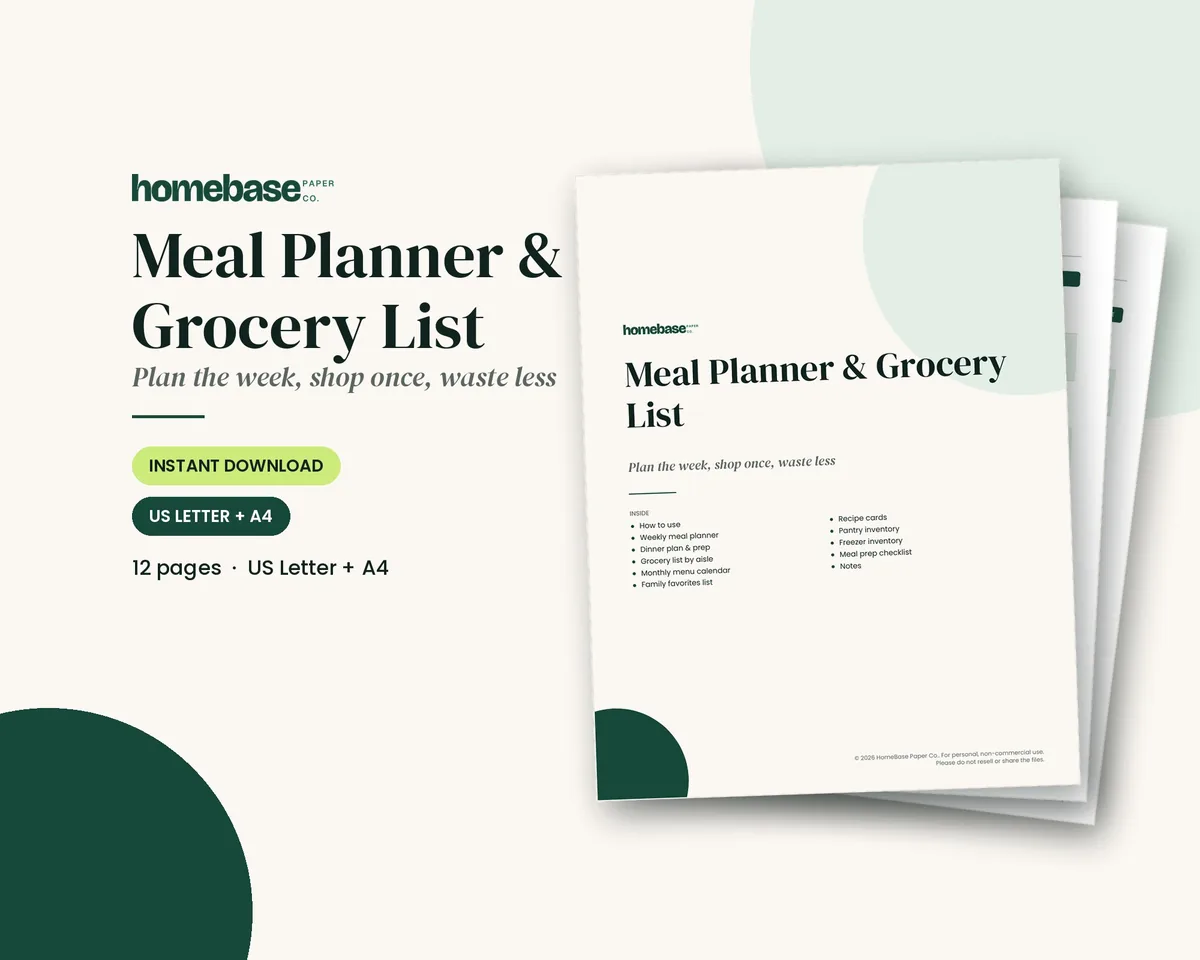
The Meal Planner & Grocery List ($3.99) has a meal prep checklist and a freezer inventory, so you can note what you prepped, where it is and when it should be eaten.
How to start meal prepping: 5 steps for your first week
The easiest way to start meal prepping is to prep one meal, not the whole week. Here's how to meal prep for the first time without burning out:
- Pick one meal to cover. Lunch is the usual choice, because it's the meal most people end up buying. Plan 4 or 5 lunches, not 21 meals.
- Choose 2 or 3 recipes you already like. Pick from the ideas above that hold up well in the fridge, such as a grain, a roasted vegetable and one protein.
- Write the plan and the grocery list together. List each recipe, what you need to buy and what you already have, so you shop once.
- Block 60 to 90 minutes on one day. Start whatever takes longest (rice, a roast, a sheet pan) first, and chop and portion while it cooks.
- Portion, label and check the dates. Divide the food into containers, put the date on each lid and use the storage times in the table below so nothing sits too long.
After a week or two, add a second meal, usually breakfast, or try one of the sample weeks further down.
A 90-minute Sunday meal prep plan
Use it as your meal prep ideas for the week: pick one breakfast, one lunch and two or three dinners from the lists above, then prep them in this order.
Use this order so the oven, stove and your hands stay busy:
- 0 to 10 minutes: Turn on the oven. Start a pot of rice or quinoa.
- 10 to 30 minutes: Chop vegetables. Put two trays in to roast.
- 30 to 50 minutes: Bake chicken thighs or tofu. Start a pot of soup or chili.
- 50 to 70 minutes: Mix overnight oats and make egg muffins.
- 70 to 90 minutes: Cool, portion, label and clean up.
Let hot food cool a bit, but don't leave it out longer than two hours. Then get it into the fridge or freezer.
Before your first prep day: a beginner checklist
If you've never meal prepped, do these five things the day before. They take about 20 minutes and make the 90 minutes go smoothly:
- Pick a small menu. One breakfast, one lunch and two dinners is plenty for a first try.
- Check the fridge and pantry and cross off what you already have.
- Write one grocery list sorted by store section, and shop once.
- Clear fridge space for the finished containers, and wash the containers you have.
- Read the recipes once so you know what goes in the oven first.
After your first week, write down what got eaten and what didn't. Keep the winners and swap out the rest. That's how a meal prep routine gets easier each week.
How long prepped food keeps
Most cooked leftovers last three to four days in the fridge, according to USDA guidance on leftovers. The FoodSafety.gov cold food storage chart lists times for specific foods.
| Food | Fridge (40°F or below) | Freezer |
|---|---|---|
| Cooked chicken or meat | 3 to 4 days | 2 to 6 months |
| Soups and stews | 3 to 4 days | 2 to 3 months |
| Cooked rice and grains | 3 to 4 days | 1 to 2 months |
| Hard-boiled eggs | 1 week | Not recommended |
| Chopped raw vegetables | 3 to 5 days | Blanch first |
When in doubt, freeze it. Label every container with the name and the date. For rice, our guide to cooked rice shelf life covers cooling, freezing and reheating it safely.
How much food to prep
Making too much is as common as making too little. Start with a simple count:
- Count the meals you actually need. Most people only need to cover weekday lunches and two or three dinners, not every meal.
- Multiply by the people eating. Four lunches for two adults is eight containers.
- Subtract the nights you'll eat out or cook fresh.
- Add one spare portion for an unexpected busy night, and freeze it if it isn't used by day three.
As a rough guide, one pound of raw boneless chicken makes about three to four adult portions, and one cup of dry rice makes about three cups cooked. Write down what was left over each week, then adjust. After two or three weeks, you'll know how much your household really eats.
Meal prep containers and storage
The right containers keep food fresh and make reheating easy. You don't need a matching set; you need enough of the right sizes.
| Container | Best for | Tip |
|---|---|---|
| Glass with locking lids | Dinners and lunches you reheat | Let them cool before the fridge to avoid cracking |
| Plastic, microwave-safe | Cold lunches, snacks | Check the label before microwaving |
| Sectioned boxes | Bowls with wet and dry parts | Keep sauces in a small cup |
| Mason jars | Salads, overnight oats, soups | Leave headroom if freezing |
| Gallon freezer bags | Soups, chili, marinated meat | Freeze flat, then stand them up like files |
A few storage habits matter as much as the containers:
- Cool food quickly. Split big batches into shallow containers so they chill faster.
- Keep the fridge at 40°F or below and the freezer at 0°F.
- Store the oldest food in front so it gets eaten first.
- Label every container with what it is and the date it was made.
- Thaw in the fridge, not on the counter, and plan the night before.
How to choose meal prep recipes that hold up
Not every recipe tastes good on day three. Look for these traits when you pick what to prep:
- Sturdy grains and pasta. Rice, quinoa, farro and short pasta hold their texture better than delicate noodles. Slightly undercook pasta you plan to reheat.
- Roasted or sautéed vegetables. Broccoli, peppers, carrots, sweet potatoes and green beans reheat well. Leafy greens and cucumbers are better added fresh.
- Braised and saucy proteins. Shredded chicken, chili, curries and meatballs stay moist. Lean grilled chicken breast can dry out, so slice it and add sauce.
- Separate wet and crunchy parts. Pack dressings, sauces, granola and crackers on the side.
- Flavors that improve overnight. Soups, stews, curries and marinated salads often taste better on day two.
Skip or cook fresh: crispy fried foods, cut avocado, dressed green salads and most fish, which is best eaten the day it's cooked.
Best recipes for meal prep
Using the traits above, these are some of the best recipes for meal prep. They hold their texture, reheat well (or taste good cold) and can be made in big batches. Fridge times follow the FoodSafety.gov cold food storage chart for cooked leftovers, soups and egg dishes.
| Recipe | Meal | Fridge | Freezes well? | Why it works |
|---|---|---|---|---|
| Chili with beans | Lunch or dinner | 3 to 4 days | Yes | Flavor improves overnight |
| Chicken thigh and rice bowls | Lunch or dinner | 3 to 4 days | Yes (without fresh toppings) | Thighs stay moist when reheated |
| Turkey taco meat | Lunch or dinner | 3 to 4 days | Yes | Works in bowls, wraps and salads |
| Baked egg muffins | Breakfast | 3 to 4 days | Yes | Grab-and-go, reheat in a minute |
| Breakfast burritos | Breakfast | 3 to 4 days | Yes | Wrap individually and freeze |
| Chicken or egg salad | Lunch | 3 to 4 days | No | Fast sandwiches and lettuce wraps |
| Hard-boiled eggs | Snack or breakfast | Up to 1 week | No | Protein for snack boxes |
| Lentil soup or vegetable soup | Lunch or dinner | 3 to 4 days | Yes | Cheap and filling |
| Baked ziti or lasagna | Dinner | 3 to 4 days | Yes | Cuts into neat portions |
| Pasta salad with vinaigrette | Lunch | 3 to 4 days | No | Tastes good cold |
| Meatballs | Lunch or dinner | 3 to 4 days | Yes | Freeze on a tray, then bag |
| Roasted vegetables | Side | 3 to 4 days | Not ideal | Add to bowls, eggs or pasta |
How to build a week from these recipes
Pick one breakfast, two lunch-or-dinner recipes and one snack from the table. For example: egg muffins, chili and chicken rice bowls, plus hard-boiled eggs. That's four recipes, about 90 minutes of cooking and most of the week's meals covered. Keep anything meant for the end of the week in the freezer, and move it to the fridge the night before.
Recipes to cook fresh instead
Some favorites are better made the day you eat them: fried foods that lose their crunch, dressed leafy salads, cut avocado and most fish. Plan those for nights when you have a little more time.
Meal prep staples to keep on your grocery list
Keeping a few staples on hand means you can prep almost any week without a big shopping trip.
| Category | Staples |
|---|---|
| Grains | Rice, oats, quinoa, short pasta, tortillas |
| Proteins | Eggs, chicken thighs, ground turkey, canned tuna, dried or canned beans, lentils, tofu |
| Vegetables | Broccoli, carrots, bell peppers, onions, sweet potatoes, frozen mixed vegetables |
| Fruit | Bananas, apples, frozen berries |
| Dairy | Greek yogurt, cheese, milk |
| Flavor | Salsa, soy sauce, pesto, peanut butter, spices, lemons or limes |
Write your staples on the inventory page of your planner and check them before you shop. You'll only need to add the fresh items for that week's recipes.
Keep prepped food from getting boring
The most common reason people quit meal prep is eating the same box five days in a row. You can prep the same basics and still eat something different each day:
- Rotate sauces. One batch of chicken and rice tastes different with salsa, teriyaki, peanut sauce or pesto. Store-bought sauces are fine.
- Change the wrapper. The same filling works as a bowl, a wrap, a quesadilla or a salad topper.
- Prep components, not meals. Cooked grain, a protein and two vegetables give you more combinations than five identical containers.
- Add something fresh on the day. Avocado, herbs, a squeeze of lime or a handful of greens make reheated food taste new.
- Plan one cook-fresh night. A midweek dinner cooked from scratch breaks up the leftovers.
Common meal prep mistakes
Most meal prep problems come from doing too much too soon. Watch for these:
| Mistake | What happens | Fix |
|---|---|---|
| Prepping seven days at once | Food goes past its fridge window | Prep for 3 to 4 days, then top up midweek or freeze |
| Too many new recipes | Prep takes all afternoon | One new recipe a week, the rest familiar |
| Dressing salads early | Greens wilt by Tuesday | Dressing at the bottom of a jar, or on the side |
| No plan for leftovers | Containers pile up | Schedule a leftovers night |
| Skipping labels | Nobody knows how old it is | Name and date on every container |
| Cooking more than you eat | Waste and boredom | Start with lunches only, then add dinners |
Meal prep ideas for one or two people
Most recipes are written for four, so small households need to adjust:
- Halve the recipe, or cook the full amount and freeze half in single portions.
- Prep components you can use in different ways rather than five identical meals.
- Buy grains, beans and frozen vegetables, which keep, and buy fresh produce in small amounts.
- Share a batch. Swap a pot of soup with a friend or neighbor for some variety.
Meal prep ideas for the week on a budget
Meal prep is one of the easiest ways to spend less on food, because you shop once and use everything you buy. The cheapest prep weeks share a pattern:
- Build around low-cost staples: rice, oats, beans, lentils, eggs, potatoes and frozen vegetables.
- Use one cheap protein two ways, such as bone-in chicken thighs roasted for bowls and shredded into soup.
- Shop your pantry first and plan meals around what needs using up.
- Repeat ingredients so nothing sits half-used in the fridge.
- Freeze extras right away so leftovers become future meals instead of waste.
For 40 priced recipes under $2 a serving, see our guide to meal prep on a budget. For more low-cost dinners, our list of easy dinner ideas includes a table of 50 cheap meals and the cheapest proteins to build around.
Meal prep ideas for different needs
Every household eats a little differently, so adjust the base plan:
Skipping meat? Our vegetarian meal prep ideas build every container around beans, lentils, tofu or eggs, with a two-hour prep plan.
- Vegetarian: swap chicken for chickpeas, lentils, tofu or eggs. Bean chili and lentil soup both freeze well.
- Picky kids: keep sauces and toppings on the side, and let them build their own plate.
- Small kitchens: use one sheet pan and one pot. Cook in two rounds if you need to.
- Shift workers: pack complete meals you can reheat at work, and keep a few freezer burritos for long days.
- Allergies: cook allergy-safe meals first, use clean boards and label each container clearly.
The goal is the same for every family. Do a little work once, so the rest of the week takes less.
Meal prep ideas for kids' lunches and school mornings
School mornings are where meal prep pays off fastest. A few ideas kids tend to eat:
- Mini muffin-tin frittatas with cheese and diced ham or vegetables.
- Build-your-own cracker boxes with sliced cheese, turkey and fruit.
- Pasta salad cups with small pasta shapes, peas and a mild dressing.
- Pancake or waffle packs from the freezer, toasted in the morning. Cook a double batch of our pancakes recipe and freeze them flat.
- Yogurt parfait jars with granola packed in a separate bag so it stays crunchy.
- Pinwheel sandwiches sliced into rounds.
Set up a lunch bin in the fridge with one shelf for prepped mains and one for grab-and-go sides like cheese sticks, cut fruit and cut vegetables. Older kids can pack their own lunch from the bin: one main, one fruit, one vegetable and one snack. That turns a morning task into a two-minute job and gives kids a say in what they eat.
Meal prep ideas by time: 30, 60 or 90 minutes
You don't need a whole afternoon. Pick the version that fits the week you're having.
30 minutes
- Boil a dozen eggs.
- Make four jars of overnight oats.
- Wash and cut two kinds of vegetables for snacks.
That covers breakfasts and snacks for most of the week, and it's the best place for a beginner to start.
60 minutes
- Everything in the 30-minute plan.
- Cook a pot of rice or quinoa.
- Roast one sheet pan of chicken thighs and one of vegetables.
Now you have the parts for four lunches or two dinners.
90 minutes
Follow the full Sunday plan above. Add a pot of soup or chili so you have one dinner ready and extra to freeze. A batch of homemade vegetable soup uses up whatever produce is left from the week.
How to reheat meal prep safely
Reheating is the last step, and it matters as much as cooling and storing. The USDA's leftovers and food safety guidance says to reheat leftovers to 165°F, measured with a food thermometer. A few habits help:
- Stir halfway through microwaving so the food heats evenly and there are no cold spots.
- Cover the container loosely so steam helps heat the food.
- Bring soups and sauces to a boil on the stove.
- Reheat only what you'll eat rather than reheating the whole batch again and again.
- Thaw frozen meals in the fridge the night before, or reheat straight from frozen and allow extra time.
When in doubt about how long something has been in the fridge, check the date on the label. If it's past the safe window, throw it out.
Two sample meal prep weeks
Use these as templates. Each one lists what to prep on Sunday and what to eat each day.
Week 1: beginner week (about 90 minutes of prep)
Sunday prep: overnight oats (4 jars), a pot of rice, a tray of roasted broccoli and peppers, baked chicken thighs, a pot of turkey chili.
| Day | Breakfast | Lunch | Dinner |
|---|---|---|---|
| Monday | Overnight oats | Chicken and rice bowl | Turkey chili |
| Tuesday | Overnight oats | Chicken and rice bowl | Tacos with chili leftovers on rice |
| Wednesday | Overnight oats | Chili in a thermos | Sheet pan sausage and potatoes (cook fresh) |
| Thursday | Overnight oats | Chicken and rice bowl | Breakfast for dinner |
| Friday | Toast and eggs | Leftovers | Pizza or takeout night |
Freeze any chili you won't finish by Wednesday.
Week 2: high-protein week (about two hours of prep)
Sunday prep: egg muffins, Greek yogurt bowls (toppings separate), turkey taco meat, quinoa, roasted vegetables, red lentil curry, energy bites. Wednesday top-up (20 minutes): cook a second batch of quinoa and chop fresh vegetables.
| Day | Breakfast | Lunch | Dinner |
|---|---|---|---|
| Monday | Egg muffins | Turkey taco bowl | Lentil curry and rice |
| Tuesday | Yogurt bowl | Turkey taco bowl | Chicken thighs and quinoa |
| Wednesday | Egg muffins | Lentil curry | Turkey tacos |
| Thursday | Yogurt bowl | Chicken and quinoa bowl | Meatballs and marinara (from the freezer) |
| Friday | Egg muffins | Leftovers | Flexible night |
Both weeks repeat ingredients on purpose. One tray of vegetables and one pot of grain turn into several different meals, which keeps the grocery list short.
Plan it before you prep it
Meal prep works best with a plan and a list. Pick your meals, check the pantry, then shop once. Our guide to weekly meal planning covers how to choose meals everyone will eat, and meal planning on a budget shows how to price the week. Starting from zero? Our guide on how to make a meal plan walks through it in seven steps.
Matching containers: best meal prep containers.
The Meal Planner & Grocery List ($3.99, printable) gives you a weekly menu page, a grocery list sorted by aisle, and pantry and freezer inventories. If you have family recipes worth keeping, the Family Recipe Binder ($6.99) keeps them in one place.
Tips that make prep stick
- Start small. Prep just lunches for one week, then add dinners.
- Repeat ingredients across meals to save money.
- Keep sauces separate so food stays fresh.
- Write the week's menu on the fridge, so nobody asks what's for dinner.
- Rotate favorites. A list of ten reliable meals is plenty.
Meal prep doesn't need to be perfect. Even one prepped dinner a week makes a busy night easier. At HomeBase, a small family-run shop in Frisco, Texas, we keep coming back to one idea: slow progress is still progress.
Ready to plan your first prep week? Start with the Meal Planner & Grocery List ($3.99): fill in the weekly menu, check the pantry inventory, and shop from one list.
Building your prep around protein? Our high protein meals list has dozens of ideas, and our healthy snacks list covers what to prep for between meals. For lighter containers with calories and cost per meal, see our healthy meal prep ideas. If your goal is a calorie surplus, pair those containers with our weight gain meal plan. Cutting carbs between meals? Prep from our low carb snacks list too.
For a ready-made week of meals built on vegetables, beans, fish and olive oil, try our Mediterranean diet meal plan with a grocery list and 50 meal ideas.
Prepping for the school week too? Our 35 easy school lunches come with a weekly plan and packing tips.
Prepping breakfasts too? Our quick breakfast ideas include a weekend prep plan and a 5-day starter menu. Brand new to batch cooking? Start with how to start meal prepping for a simple first week. Batch a tray of roasted vegetables for bowls and sides all week. Pair batch cooking with a simple weekly plan from our meal planning guide.
The BMR calculator explains resting energy estimates and how they differ from a whole day’s calorie needs, so a resting number is not mistaken for a meal-plan target.
Make it easier
Tools for this
 Starter pick
Printables
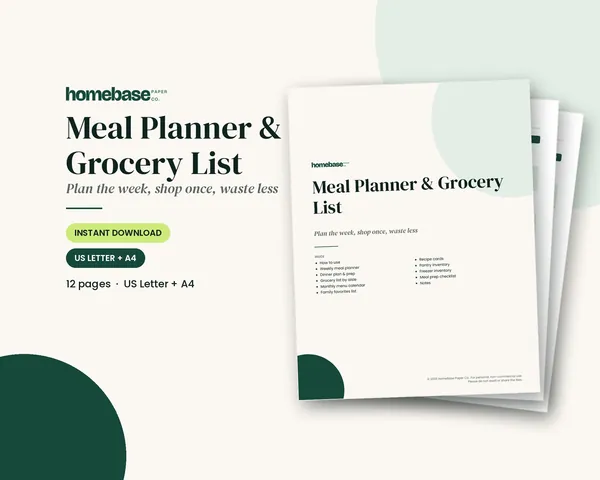
Meal Planner & Grocery List
Weekly meals, a grocery list sorted by aisle, and pantry and freezer inventories so you shop once and waste less.
Printables
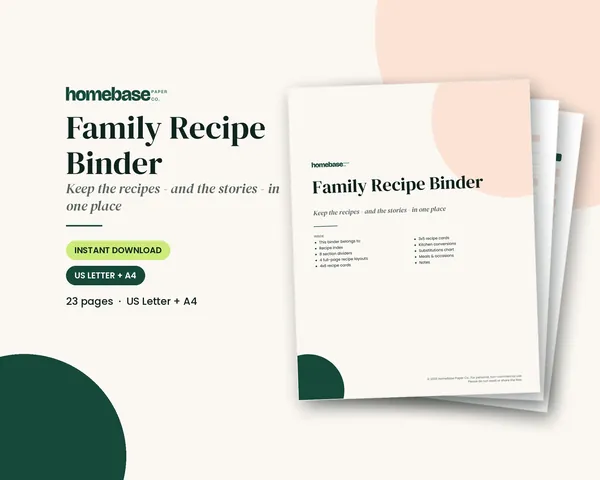
Family Recipe Binder
Section dividers, four recipe page layouts with room for the family story, 4x6 and 3x5 cards and a conversion chart - print it or type into the fillable version.
Frequently asked questions
What is meal prep? Our Meal Planner & Grocery List ($3.99) pairs a weekly meal plan with a meal prep checklist, so you know what to prep before you start. Meal prep is preparing some or all of your meals ahead of time, usually on one or two days a week. It can mean chopping vegetables and cooking grains, batch cooking a big recipe, or packing complete meals into containers for the week.
What are easy meal prep ideas for beginners? Our Meal Planner & Grocery List ($3.99) gives beginners a simple weekly meal prep plan and a matching grocery list. Start with three things: a big batch of one grain like rice, one protein like baked chicken or beans, and a tray of roasted vegetables. Mix them into bowls, wraps and salads all week. Add overnight oats for breakfast. Once that feels easy, try one full make-ahead dinner like chili or a casserole.
How long does meal prep last in the fridge? Our Meal Planner & Grocery List ($3.99) has a freezer inventory, so you can track what's in the fridge and when to eat it. Most cooked leftovers stay good for three to four days in the fridge at 40°F or below, according to USDA food safety guidance. That's why many people prep twice a week, on Sunday and Wednesday. Freeze anything you won't eat within four days, and label it with the date.
Is meal prep cheaper than buying lunch? Our Meal Planner & Grocery List ($3.99) helps you plan meal prep lunches and shop once, which keeps the cost down. Yes, meal prep is usually cheaper than buying lunch. A homemade bowl of rice, beans, vegetables and chicken often costs a few dollars a serving, while takeout lunch can cost several times that. Buying in bulk and using what you have also cuts waste. Our meal planning on a budget guide shows how to price a week of meals.
What are good meal prep ideas for weight loss? Our Meal Planner & Grocery List ($3.99) helps you plan portioned meal prep for weight loss a week at a time. Focus on lean protein, lots of vegetables and fiber-rich carbs in set portions. Good examples are chicken with roasted vegetables and quinoa, turkey chili, egg muffins, lentil soup and big salads with dressing on the side. Talk to your doctor or a registered dietitian if you have a specific health goal.
What are the best recipes for meal prep? Our Family Recipe Binder ($6.99) keeps the meal prep recipes that hold up well in one place for next week. Some of the best recipes for meal prep are chili, chicken thigh and rice bowls, turkey taco meat, baked egg muffins, breakfast burritos, lentil soup, baked ziti, pasta salad and meatballs. Most keep 3 to 4 days in the fridge, and many freeze well.
What meal prep ideas work for a family? Our Meal Planner & Grocery List ($3.99) plans family meal prep around parts everyone can mix and match. Families do best with mix-and-match parts rather than identical boxes. Prep taco meat, shredded chicken, rice, chopped vegetables and a pot of soup, then let each person build their plate. Freezer meals like lasagna, meatballs and breakfast burritos help on busy nights. Kids can help wash and pack produce.
Which foods should I not meal prep? Our Family Recipe Binder ($6.99) keeps your meal prep recipes that hold up well in one place, so you skip foods that don't. Some foods don't hold up well. Crispy fried foods go soggy, cut avocado browns, and dressed salads wilt. Cooked pasta can get mushy in sauce. Keep these separate, add them the day you eat, or prep the ingredients only. Hard-boiled eggs, grains, beans and roasted vegetables keep much better.
Can I freeze meal prep? Our Meal Planner & Grocery List ($3.99) includes a freezer inventory, so frozen meal prep gets eaten on time. Yes, you can freeze meal prep. Soups, chili, stews, casseroles, cooked grains, meatballs and burritos all freeze well. Cool food quickly, pack it in airtight containers or freezer bags, and label it with the name and date. Thaw in the fridge overnight, not on the counter, and reheat leftovers until hot all the way through.
How do I plan meal prep for the week? Our Meal Planner & Grocery List ($3.99) shows you how to plan meal prep for the week with a menu, a pantry check and one grocery list. Pick your meals, check what you already have, then write one grocery list sorted by store section. Choose recipes that share ingredients, so one bag of peppers goes into fajitas and stir-fry. Our guide to weekly meal planning walks through each step, and a printed planner keeps it on the fridge.
What are cheap meal prep ideas? Our Meal Planner & Grocery List ($3.99) turns cheap meal prep ideas into a plan built around low-cost staples. Beans, lentils, eggs, rice, oats, potatoes, frozen vegetables and whole chicken are some of the cheapest building blocks. Try black bean burrito bowls, lentil soup, egg fried rice, baked potato bars and chicken and rice sheet pan meals. Buying store brands and cooking from scratch keeps the cost per serving low.
What containers are best for meal prep? Our Meal Planner & Grocery List ($3.99) includes a meal prep checklist, so containers, labels and dates are planned before you cook. Glass containers with locking lids reheat well and don't stain. Plastic containers are lighter and fine for cold lunches, but check that they're labeled microwave-safe. Sectioned containers keep wet and dry foods apart. Have enough for at least five lunches, plus a few small cups for sauces and snacks.
What are good high-protein meal prep ideas? Our Meal Planner & Grocery List ($3.99) helps you plan high-protein meal prep ideas for every day of the week. Good options include egg muffins with turkey sausage, Greek yogurt bowls, turkey taco bowls with black beans, chicken thigh and quinoa bowls, cottage cheese snack boxes and lentil chili. Cook ground meat and poultry on prep day and eat it within three to four days, or freeze portions.
What meal prep lunches don't need a microwave? Our Meal Planner & Grocery List ($3.99) helps you plan meal prep lunches that don't need a microwave for work or school. Pasta salad, mason jar salads, wraps and pinwheels, cold peanut noodles, bento-style boxes and quinoa and black bean salad all taste good cold. Pack them with an ice pack, because perishable food shouldn't sit out for more than two hours.
How many days ahead can you meal prep? Our Meal Planner & Grocery List ($3.99) helps you plan meal prep three to four days ahead, with a midweek top-up. Most cooked food keeps three to four days in the fridge at 40°F or below, so prep on Sunday for Monday through Wednesday or Thursday. Freeze anything meant for later in the week, or do a short second prep on Wednesday.
How do I start meal prepping? Start meal prepping with one meal, usually lunch, and 2 or 3 recipes you already like. Write the plan and grocery list together, shop once, block 60 to 90 minutes on one day to cook and portion, and label each container with the date. The HomeBase Meal Planner & Grocery List ($3.99) includes a weekly meal planner and a grocery list, so the plan and the shopping list stay together.
How do you meal prep for the week? To meal prep for the week, choose the meals you want covered, cook the longest-cooking items first on prep day, then chop, portion and label while they cook. Keep fridge portions to the storage times in our table and freeze anything you won't eat in the next few days.
More from HomeBase
You may also like
 Thanksgiving Edition
Printables
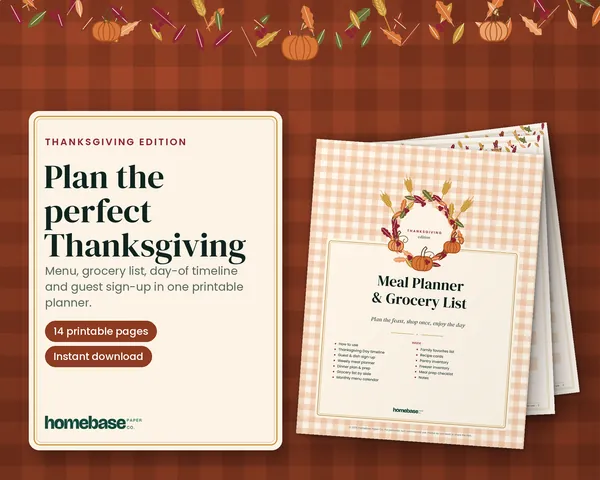
Meal Planner & Grocery List: Thanksgiving Edition
Plan the perfect Thanksgiving: our meal planner in a warm harvest design, with a Thanksgiving Day timeline, a guest & dish sign-up, an aisle-sorted grocery list and pantry and freezer trackers.
Printables
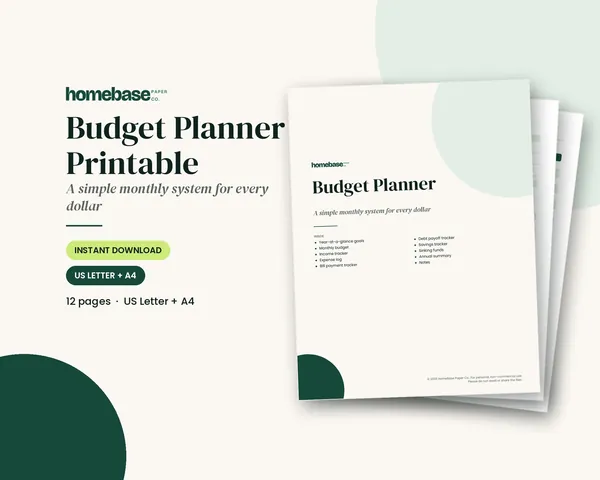
Budget Planner Printable
Twelve undated pages you can print every month: budget, bills, spending, savings and debt.
Printables
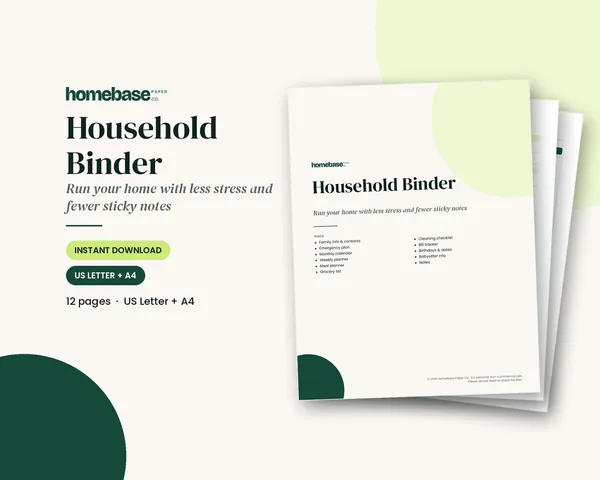
Household Binder
Family info, emergency plan, calendars, meals, groceries, cleaning, bills and sitter notes.
 Starter pick
Printables
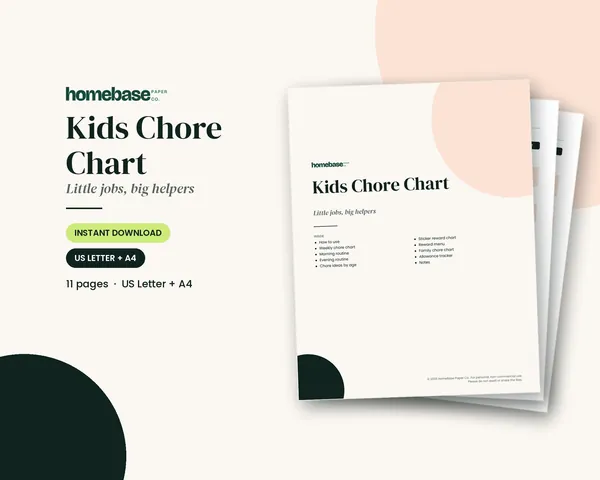
Kids Chore Chart
Weekly chore chart, morning and evening routines, chore ideas by age, a sticker reward chart and an allowance tracker.
 Club
Monthly club
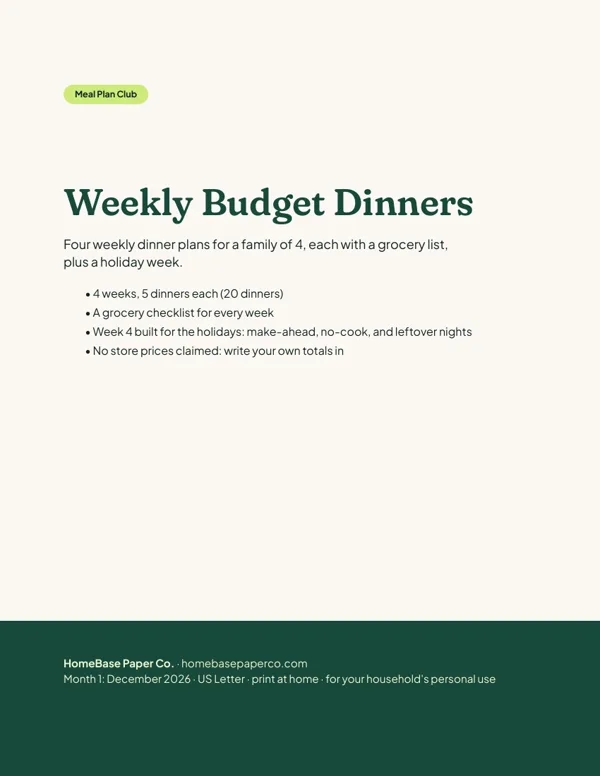
Meal Plan Club
Families who want dinner planned and a grocery list ready every week.
Free printable
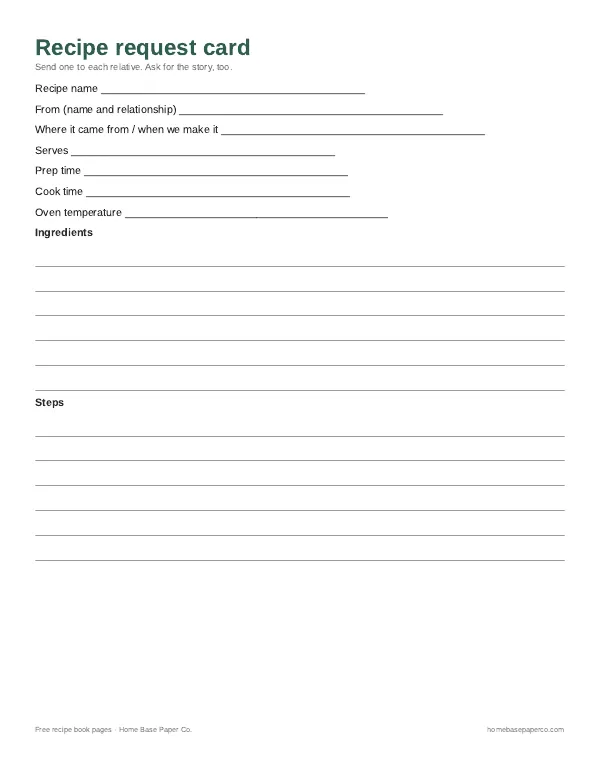
Save the family favorites: get the free recipe book pages
Printable recipe pages and a recipe request card to send to relatives, so the dishes everyone loves end up in one book. You'll also get our weekly HomeBase email with easy meal planning ideas and family recipe tips.
Sources
- FoodSafety.gov: Cold food storage chart foodsafety.gov
- USDA FSIS: Leftovers and food safety fsis.usda.gov
- U.S. EPA: Preventing wasted food at home epa.gov