

The short answer: how to gain weight in a healthy way comes down to eating more calories than you burn, mostly from nutrient-dense foods, while you stay active. The 7-day plan below averages about 2,900 calories and 140 grams of protein a day, and the food costs about $7.30 a day.
- Key numbers: 2,682 to 3,074 calories a day · 139 to 153 g protein · 5 or 6 eating times a day · $51.12 of food for the week
- Top moves: add healthy fats like peanut butter and avocado, eat smaller meals more often, keep calorie-dense snacks handy and drink milkshakes between meals, not with them.
- Free and paid next step: get the free calorie tracker (we email it to you), or plan the week with the Meal Planner & Grocery List ($3.99).
Prices were checked November 5, 2026. The sections below cover how to gain weight step by step, whether you should, the 7-day meal plan with calories and cost, the 16 meals, a calorie booster table, a shopping list, a prep schedule and how to track progress.
Should you gain weight? Check your BMI first
Body mass index is a quick screen, not a diagnosis. The NHLBI BMI calculator lists a BMI below 18.5 as underweight and 18.5 to 24.9 as healthy. It also notes that BMI doesn't account for muscle mass, bone density or body composition, so your provider decides whether your number is too low for you.
| BMI | NHLBI category | What it means for this plan |
|---|---|---|
| Below 18.5 | Underweight | Talk with your doctor about a target, then use this plan as a starting menu |
| 18.5 to 24.9 | Healthy | You may still want to add muscle or regain lost weight; ask your doctor what's right |
| 25.0 and up | Overweight or obesity | This calorie level is likely not the right plan |
The National Institute on Aging's guide to maintaining a healthy weight says to always talk to your doctor before trying to lose or gain weight.
Losing weight without trying? MedlinePlus says to talk to your provider if you're losing or gaining weight without trying, because a sudden, unexpected change can be a sign of a medical problem such as thyroid or digestive disease. Get that checked before you start a weight gain plan.
How to gain weight: 7 steps
- Find your calorie starting point. NIA points to the USDA MyPlate Plan, which estimates daily calories from your age, sex, height, weight and activity. Your doctor or a dietitian can tell you how far above that to aim.
- Eat more calories while staying active. NIA's advice for gaining weight is to increase the calories you eat while keeping a moderate activity level. Activity also helps your appetite.
- Choose foods with healthy fats. NIA names avocados and peanut butter. Olive oil, nuts and cheese pack a lot of calories into a small portion.
- Eat smaller meals more often. If you fill up fast, NIA suggests frequent, smaller meals. MedlinePlus suggests 5 or 6 small meals instead of 3 large ones.
- Keep snacks within reach. NIA lists nuts, cheese and dried fruit. This plan uses trail mix, cheese toast and granola with milk.
- Drink calories at the right time. MedlinePlus advice on eating extra calories says not to fill up on liquids before or during meals, and to drink milkshakes between meals.
- Make meals more enjoyable. Both NIA and MedlinePlus suggest eating with family or friends, and NIA says it makes meals more enjoyable.
How we built and priced this plan
- Nutrition: every ingredient was weighed in grams and matched to its USDA FoodData Central entry. Daily totals add up the meals.
- Prices: Walmart.com shelf prices for Great Value staples, checked November 5, 2026. Ground beef, chicken legs, bananas and tomatoes use September 2026 national averages from the Bureau of Labor Statistics. Ground beef averaged $6.79 a pound and bananas $0.66 a pound.
- Cost per day is the food you eat, plus $0.05 a meal for seasoning. The shopping list shows the full cash price, whole packages included.
- Your prices will differ by store and region. A grocery price book helps you track yours.
7-day weight gain meal plan
Every day has 3 meals and 1 or 2 snacks, which gives you 4 or 5 eating times. Add one more snack on hungry days to reach the 5 or 6 MedlinePlus suggests.
| Day | Breakfast | Lunch | Dinner | Snacks | Calories | Protein | Cost |
|---|---|---|---|---|---|---|---|
| 1 | Peanut butter banana oatmeal made with whole milk | Chicken, rice and black bean bowl with avocado | Spaghetti with meat sauce and mozzarella | Trail mix (1/3 cup) + Cheese toast | 2,936 | 139 g | $7.58 |
| 2 | Two egg, bean and cheese breakfast burritos | Leftover spaghetti with meat sauce | Loaded baked potato with beef and bean chili | Peanut butter banana milkshake | 3,028 | 142 g | $8.29 |
| 3 | Cheesy scrambled eggs, 2 slices of toast and a banana | Tuna melt on whole wheat and a glass of whole milk | Sheet-pan chicken legs, potatoes and broccoli | Trail mix (1/3 cup) + Cheese toast | 2,682 | 147 g | $6.27 |
| 4 | Peanut butter toast, 2 eggs and a glass of whole milk | Two beef and bean burritos | Chicken thigh fried rice with egg and broccoli | Peanut butter banana milkshake | 2,819 | 141 g | $6.55 |
| 5 | Peanut butter banana oatmeal made with whole milk | Chicken, rice and black bean bowl with avocado | Loaded baked potato with beef and bean chili | Granola with whole milk + Trail mix (1/3 cup) | 3,074 | 140 g | $7.64 |
| 6 | Two egg, bean and cheese breakfast burritos | Tuna melt on whole wheat and a glass of whole milk | Sheet-pan chicken legs, potatoes and broccoli | Peanut butter banana milkshake | 2,885 | 153 g | $6.27 |
| 7 | Cheesy scrambled eggs, 2 slices of toast and a banana | Two beef and bean burritos | Spaghetti with meat sauce and mozzarella | Trail mix (1/3 cup) + Granola with whole milk | 3,011 | 139 g | $8.52 |
That's $51.12 of food for the week, an average of about 2,919 calories and 143 grams of protein a day. Day 2's lunch is the leftover spaghetti from day 1.
The 16 meals, with calories and how to make them
Each row is one serving.
| Meal | How to make it | Calories | Protein | Cost |
|---|---|---|---|---|
| Peanut butter banana oatmeal made with whole milk | Simmer 3/4 cup oats in 1 cup whole milk. Stir in 2 tbsp peanut butter and a sliced banana. | 746 | 27 g | $0.94 |
| Two egg, bean and cheese breakfast burritos | Scramble 3 eggs, add 1/4 cup black beans and 1 oz cheddar, and split into 2 flour tortillas. | 704 | 37 g | $1.35 |
| Cheesy scrambled eggs, 2 slices of toast and a banana | Scramble 3 eggs in butter with 1 oz cheddar. Serve with 2 slices of whole wheat toast and a banana. | 667 | 35 g | $1.26 |
| Peanut butter toast, 2 eggs and a glass of whole milk | Spread 2 slices of toast with 2 tbsp peanut butter. Add 2 fried eggs and 1 cup whole milk. | 678 | 35 g | $0.93 |
| Chicken, rice and black bean bowl with avocado | Layer cooked rice, 6 oz chicken thigh, black beans, cheddar and half an avocado. Drizzle with olive oil. | 869 | 52 g | $2.56 |
| Tuna melt on whole wheat and a glass of whole milk | Mix a can of tuna with mayo, top 2 slices of bread with it and cheddar, and toast in butter. Serve with 1 cup whole milk. | 658 | 44 g | $1.80 |
| Leftover spaghetti with meat sauce | Reheat a portion of last night's spaghetti. | 895 | 43 g | $3.18 |
| Two beef and bean burritos | Fill 2 tortillas with seasoned ground beef, black beans, cheddar and sour cream. | 827 | 40 g | $2.87 |
| Spaghetti with meat sauce and mozzarella | Cook 3.5 oz dry spaghetti. Top with beef simmered with chopped tomatoes and olive oil, then mozzarella. | 895 | 43 g | $3.18 |
| Loaded baked potato with beef and bean chili | Split a large baked potato. Top with beef and bean chili, cheddar and sour cream. | 837 | 41 g | $2.94 |
| Sheet-pan chicken legs, potatoes and broccoli | Roast chicken legs, potato wedges and frozen broccoli in olive oil at 425°F for 40 to 45 minutes. | 931 | 50 g | $2.30 |
| Chicken thigh fried rice with egg and broccoli | Stir-fry cooked rice with diced chicken thigh, an egg and broccoli in oil and butter. | 721 | 44 g | $1.94 |
| Peanut butter banana milkshake | Blend 1 1/4 cups whole milk, a banana, 2 tbsp peanut butter and 1/3 cup oats. | 593 | 22 g | $0.82 |
| Trail mix (1/3 cup) | Bagged on Sunday. | 231 | 7 g | $0.50 |
| Cheese toast | 1 slice whole wheat toast with 1 oz melted cheddar. | 195 | 11 g | $0.41 |
| Granola with whole milk | 1/2 cup granola in 1 cup whole milk. | 391 | 14 g | $0.71 |
Calorie boosters: add 100 to 300 calories without a bigger plate
When you can't face a larger portion, add one of these to a meal you're already eating. MedlinePlus lists similar ideas, including melting cheese over vegetables, putting peanut butter on fruit and mixing whole milk into soups.
| Add this | Calories | Protein | Cost |
|---|---|---|---|
| 2 tbsp peanut butter | 191 | 7 g | $0.11 |
| 1 tbsp olive oil | 124 | 0 g | $0.19 |
| 1 tbsp butter | 100 | 0 g | $0.09 |
| 1 cup whole milk | 149 | 8 g | $0.23 |
| 1 oz cheddar | 115 | 7 g | $0.24 |
| Half an avocado | 114 | 1 g | $0.48 |
| 1 oz almonds | 162 | 6 g | $0.59 |
| 1/3 cup trail mix | 231 | 7 g | $0.45 |
| 1 medium banana | 105 | 1 g | $0.27 |
| 1/2 cup granola | 298 | 8 g | $0.52 |
| 1 large egg | 72 | 6 g | $0.14 |
| 1/2 cup dry oats | 152 | 5 g | $0.14 |
Two or three boosters a day add 300 to 600 calories. Peanut butter, olive oil and butter cost the least per calorie.
Weight gain shopping list for one week
This is the full first trip for one person, including items that last more than a week such as olive oil, peanut butter, oats, rice and mayonnaise.
| Item | Buy | Price used | Cost |
|---|---|---|---|
| 100% whole wheat bread, 20 oz | 1 | Walmart $2.02 | $2.02 |
| Bananas | 2.8 lb | BLS avg $0.66/lb | $1.87 |
| Black beans, 15 oz cans | 3 | Walmart $0.92 | $2.76 |
| Bone-in chicken legs | 1.6 lb | BLS avg $1.74/lb | $2.74 |
| Boneless skinless chicken thighs, 3 lb bag | 1 | Walmart $9.87 | $9.87 |
| Chunk light tuna in water, 5 oz cans | 2 | Walmart $0.96 | $1.92 |
| Creamy peanut butter, 40 oz | 1 | Walmart $3.98 | $3.98 |
| Extra virgin olive oil, 17 oz | 1 | Walmart $6.12 | $6.12 |
| Flour tortillas, 10 count | 1 | Walmart $1.98 | $1.98 |
| Frozen broccoli florets, 32 oz | 1 | Walmart $2.88 | $2.88 |
| Ground beef | 1.9 lb | BLS avg $6.79/lb | $13.03 |
| Hass avocados | 1 | Walmart $0.97 | $0.97 |
| Large eggs, 18 count | 1 | Walmart $2.47 | $2.47 |
| Long-grain white rice, 5 lb | 1 | Walmart $3.52 | $3.52 |
| Mayonnaise, 30 oz | 1 | Walmart $2.97 | $2.97 |
| Oats & honey granola, 11 oz | 1 | Walmart $2.67 | $2.67 |
| Old-fashioned oats, 42 oz | 1 | Walmart $4.18 | $4.18 |
| Russet potatoes, 5 lb bag | 1 | Walmart $3.28 | $3.28 |
| Salted butter, 1 lb | 1 | Walmart $2.96 | $2.96 |
| Sharp cheddar block, 8 oz | 2 | Walmart $1.97 | $3.94 |
| Shredded mozzarella, 16 oz | 1 | Walmart $3.58 | $3.58 |
| Sour cream, 16 oz | 1 | Walmart $1.84 | $1.84 |
| Spaghetti, 16 oz | 1 | Walmart $1.36 | $1.36 |
| Tomatoes | 0.8 lb | BLS avg $1.99/lb | $1.58 |
| Trail mix, 26 oz | 1 | Walmart $6.67 | $6.67 |
| Whole milk, 1 gallon | 1 | Walmart $3.72 | $3.72 |
| Total | $94.87 |
About $44 of that first trip is food you'll still have at the end of the week, and it carries into week 2 as pantry staples. Repeat weeks run closer to the $51 of food eaten. For more ways to bring the total down, see how to grocery shop on a budget and meal planning on a budget.
Healthy weight gain foods that cost the least
These are the foods in this plan that give the most calories for the money, based on the prices above.
| Food | Calories per dollar (about) | Why it helps |
|---|---|---|
| Peanut butter | 1,700 | Healthy fat and protein, spreads on almost anything |
| Long-grain white rice | 2,300 | A cheap base for bowls and fried rice |
| Old-fashioned oats | 1,100 | Thick, filling breakfast and shake base |
| Olive oil | 650 | 124 calories per tablespoon with no extra volume |
| Whole milk | 650 | Calories and protein you can drink between meals |
| Eggs | 500 | Protein for breakfast or fried rice |
| Bone-in chicken legs | 400 | The cheapest meat per pound in this plan |
| Russet potatoes | 650 | Filling base for loaded potatoes and sheet-pan dinners |
| Bananas | 400 | Easy fruit for shakes and oatmeal |
| Black beans | 250 | Fiber and protein for burritos and chili |
For a family that eats more than one plan, our average grocery cost per month guide puts these numbers in context.
Meal prep schedule for a weight gain week
Sunday, about 90 minutes
- Cook about 1 1/4 cups of dry rice for the two bowls and the fried rice.
- Bake 2 large potatoes for the loaded potatoes on days 2 and 5.
- Cook 6 oz of chicken thighs for day 1's bowl.
- Brown 2 lb of ground beef. Make half into meat sauce and half into bean chili and burrito filling.
- Bag 1/3 cup portions of trail mix.
Wednesday, about 45 minutes
- Roast the chicken legs, potatoes and broccoli tray for days 3 and 6.
- Cook the chicken thighs for the fried rice and day 5 bowl.
- Wrap and freeze extra burritos for busy mornings.
More batch-cooking ideas are in meal prep on a budget and high protein meal prep.
How to gain weight if you have a small appetite
- Eat by the clock. MedlinePlus suggests eating when you're hungry, not just at mealtimes. A phone reminder every 3 hours helps.
- Drink your milkshake after a meal, not before. It won't take up room on the plate.
- Pick soft, dense foods. Oatmeal, peanut butter, eggs and potatoes are easy to eat when chewing feels like work.
- Cook ahead. MedlinePlus suggests making simple meals when you feel up to it and freezing them for later.
- Ask about other help. MedlinePlus suggests asking your provider about liquid nutrition drinks or medicine that can stimulate appetite.
Weight gain for teens, older adults and people who are ill
- Teens and children: growth is tracked against age, so ask a pediatrician before changing a child's calories. This adult plan isn't a fit.
- Older adults: MedlinePlus notes that keeping muscle and strength is key as you age, and that sudden weight loss should always be checked. NIA's guide is written for this group.
- During illness or cancer treatment: the MedlinePlus page on extra calories was written for this situation. It suggests the calorie boosters above if your provider says it's OK.
How to track your progress
- Weigh yourself once a week, same day and time.
- Write down what you ate on the days you hit your target, so you can repeat them.
- Bring your log to your next appointment. Your provider can adjust the target.
A calorie tracker makes step 2 easy. If you want more meal ideas, see high protein meals, healthy snacks and overnight oats.
Real example: Malaysia, who runs HomeBase Paper Co., plans meals for her family on one planner page and keeps snacks on a separate line of the grocery list. For a weight gain week, that snack line is the part that does the most work.
Plan the week and print your list
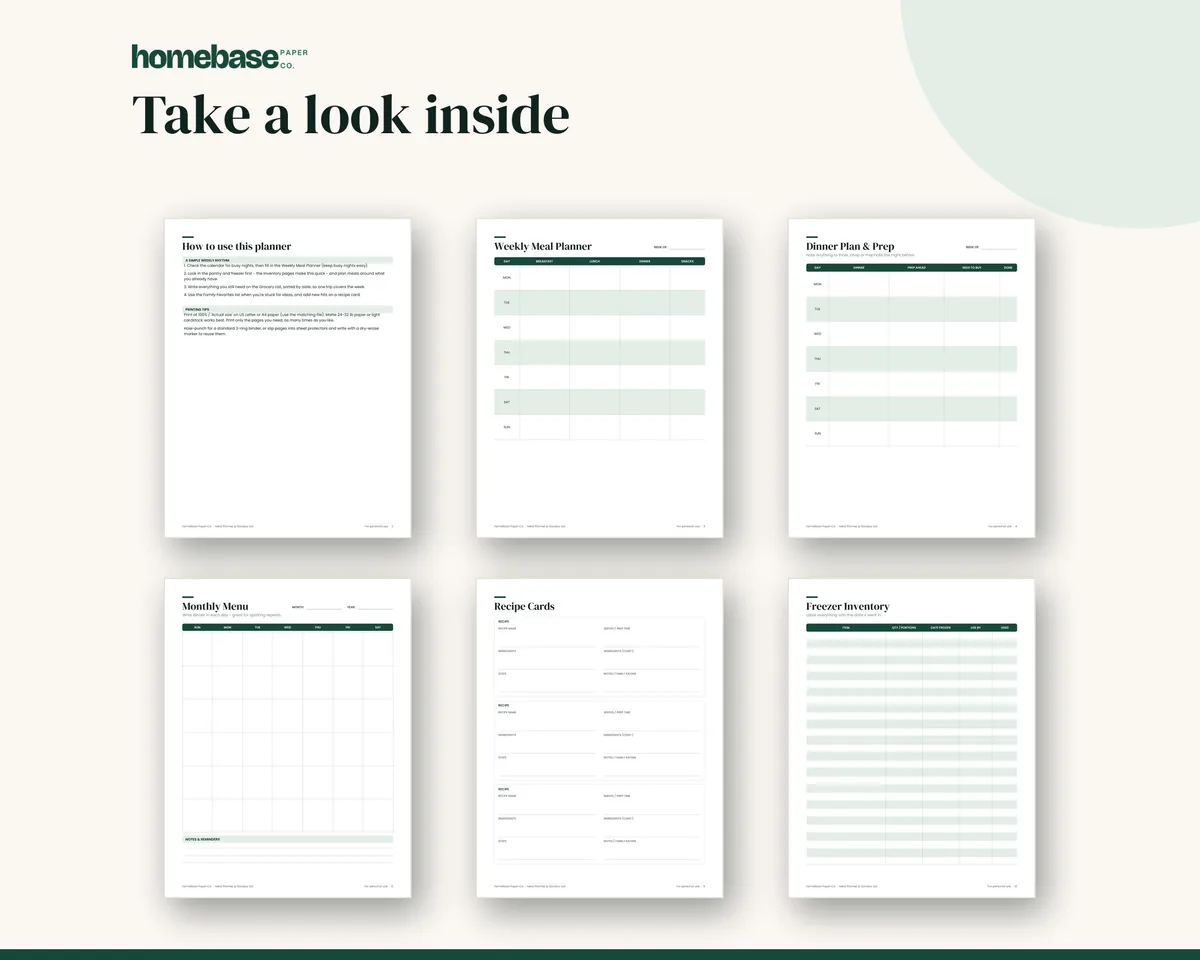
A weight gain plan works when you can see the next meal and snack. The Meal Planner & Grocery List ($3.99) has a weekly meal planner, a monthly menu, a meal prep checklist, an aisle-sorted grocery list, and pantry and freezer inventories.
Save the meals that worked in the Family Recipe Binder ($6.99), with section dividers, recipe cards and a fillable type-in version.
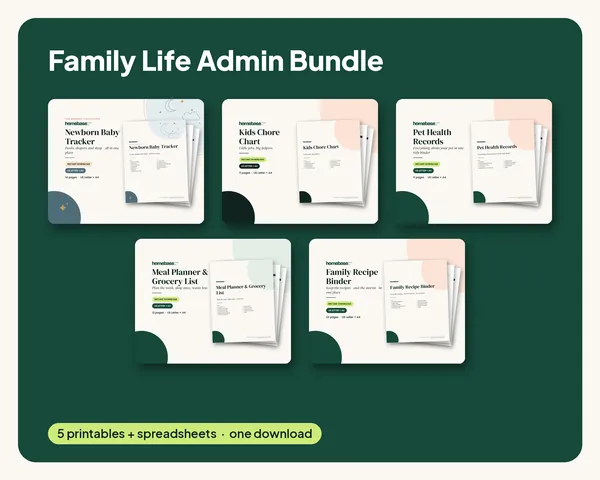
The Family Life Admin Bundle is $15.99 ($23.95 bought separately). It includes the meal planner, the recipe binder, a kids chore chart, a newborn baby tracker and pet health records. See all our printable planners or bundles.
More meal planning help:
- How to meal plan for the weekly routine
- Healthy meals for the whole family
- Freezer meals to cook ahead
- Breakfast burrito for a make-ahead breakfast
Make it easier
Tools for this
 Starter pick
Printables
Meal Planner & Grocery List
Weekly meals, a grocery list sorted by aisle, and pantry and freezer inventories so you shop once and waste less.
Printables
Family Recipe Binder
Section dividers, four recipe page layouts with room for the family story, 4x6 and 3x5 cards and a conversion chart - print it or type into the fillable version.
 Save 33%
Bundles
Family Life Admin Bundle
Baby logs, chore charts, pet records, meal plans and family recipes in one tidy set.
Frequently asked questions
How can I gain weight fast? Eat more calories than you burn every day, mostly from calorie-dense foods like peanut butter, whole milk, olive oil, cheese and avocado, and eat 5 or 6 times a day. How fast is safe depends on your health, so ask your doctor or a dietitian to set a target.
How to gain weight in a healthy way? NIA's advice is to increase the calories you eat while staying moderately active, choose foods with healthy fats such as avocados and peanut butter, eat frequent smaller meals if you fill up quickly, and add snacks like nuts, cheese and dried fruit.
How many calories do I need to gain weight? It depends on your age, sex, height, weight and activity. NIA points to the USDA MyPlate Plan for a starting estimate, and to gain weight you eat more than that. This 7-day plan averages about 2,900 calories a day, so check with your doctor whether that fits you.
What foods help you gain weight? Calorie-dense foods with real nutrition work best: peanut butter, nuts, cheese, whole milk, eggs, avocado, olive oil, oats, rice, potatoes, beans and chicken. NIA specifically names avocados, peanut butter, nuts, cheese and dried fruit.
What should I eat to gain weight on a budget? Peanut butter, rice, oats, potatoes, whole milk, eggs, bone-in chicken legs and canned black beans give the most calories per dollar at November 2026 prices. This plan feeds one person about 2,900 calories a day for about $7.30.
What is a good weight gain meal plan? A good weight gain meal plan has 3 meals and 2 or 3 snacks a day, builds every meal on a protein and a starch, adds a healthy fat, and uses milkshakes or milk between meals. The 7-day plan here runs 2,682 to 3,074 calories a day.
Is it unhealthy to be underweight? The NHLBI lists a BMI below 18.5 as underweight, and MedlinePlus notes that carrying too little weight can affect your health. Your provider can tell you whether your weight is too low for you, since BMI doesn't account for muscle or bone.
Why am I losing weight without trying? MedlinePlus lists thyroid problems, cancer, infectious diseases, digestive diseases and certain medicines among the causes of sudden weight loss. Talk to your provider if you're losing weight without trying before you start any plan to gain weight.
How can I gain weight if I'm not hungry? Eat by the clock instead of waiting for hunger, choose smaller meals more often, keep snacks handy and drink shakes between meals rather than with them. MedlinePlus also suggests asking your provider about nutrition drinks or appetite medicine.
Should I drink my calories to gain weight? Milkshakes and whole milk are an easy way to add calories, but MedlinePlus advises not filling up on liquids before or during meals. Drink them between meals so they don't crowd out food. The peanut butter banana shake in this plan adds about 590 calories.
Do I need protein powder to gain weight? No, you don't need protein powder to gain weight. This plan reaches 139 to 153 grams of protein a day from eggs, milk, chicken, beef, tuna, beans and cheese. MedlinePlus mentions adding protein supplements to shakes or yogurt as one option, so ask your provider whether you need one.
Should I exercise while trying to gain weight? NIA says to stay active while you increase calories, and notes that activity can boost your appetite. It recommends at least 150 minutes of moderate aerobic activity a week for most adults and talking with your doctor before starting a harder program.
How much does a weight gain meal plan cost? At Walmart and national average prices checked November 5, 2026, this 7-day plan costs $51.12 for the food eaten, about $7.30 a day. The first shopping trip is $94.87 because it includes pantry items like olive oil, peanut butter and rice.
How do I track weight gain progress? Weigh yourself once a week at the same time, log what you eat on days you hit your calorie target, and bring the log to your next appointment so your provider can adjust the plan. A printable calorie tracker makes the logging quick.
More from HomeBase
You may also like

Printables
Household Binder
Family info, emergency plan, calendars, meals, groceries, cleaning, bills and sitter notes.
Printables
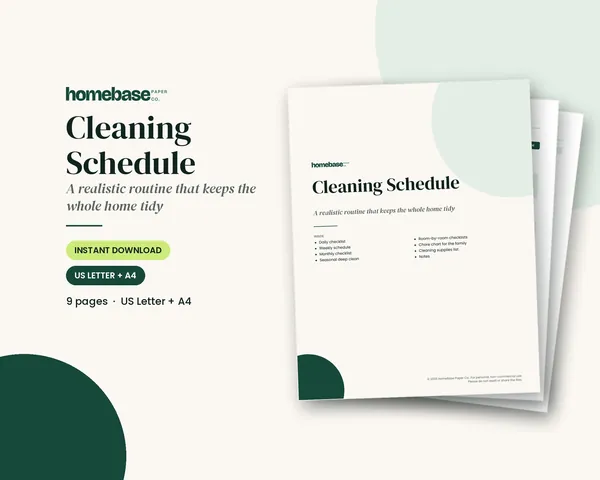
Cleaning Schedule
Daily, weekly, monthly and seasonal lists - plus a family chore chart.
Printables
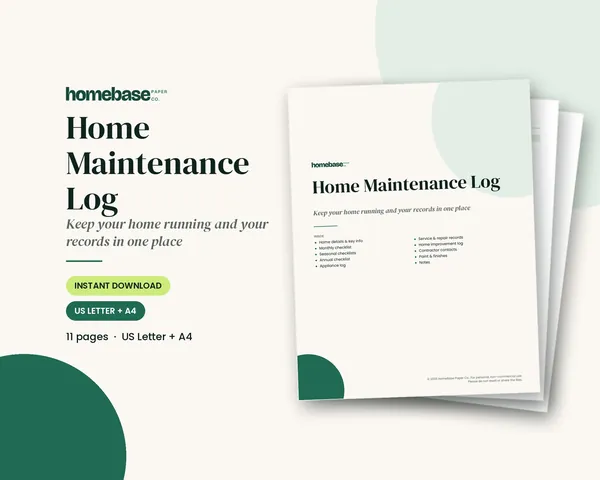
Home Maintenance Log
Monthly, seasonal and annual checklists plus a record of every appliance and repair.
Printables
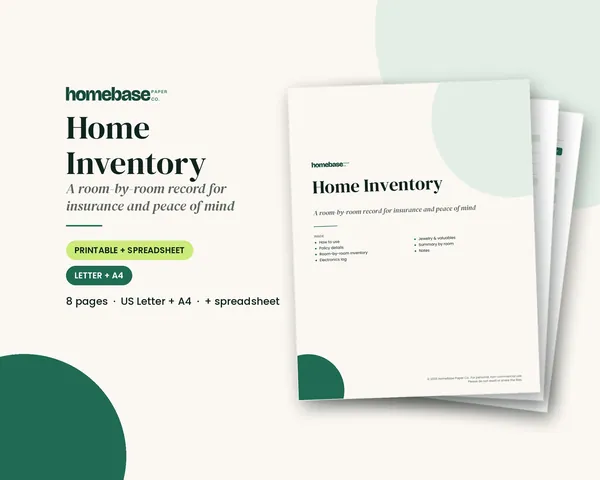
Home Inventory
Printable pages and a spreadsheet that totals the value of every room.
 Club
Monthly club
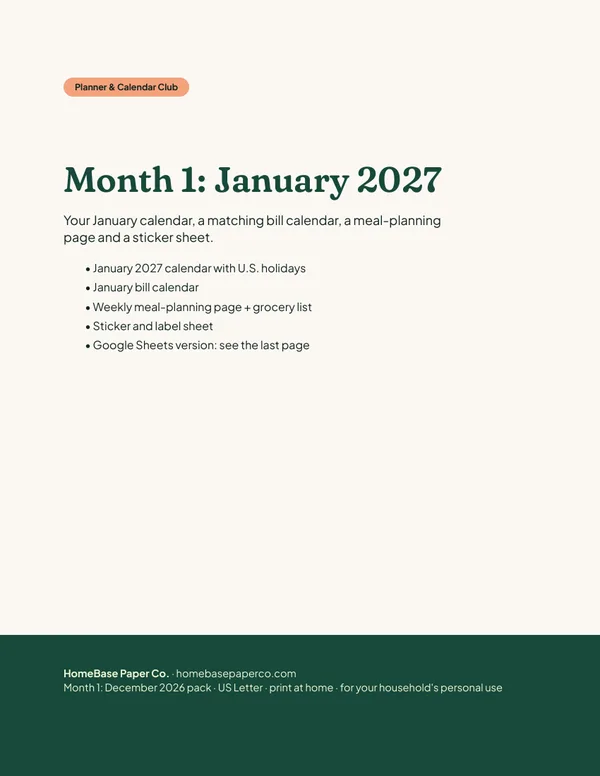
Planner & Calendar Club
Anyone who wants a monthly calendar, bill calendar and meal plan ready to print.
Free printable
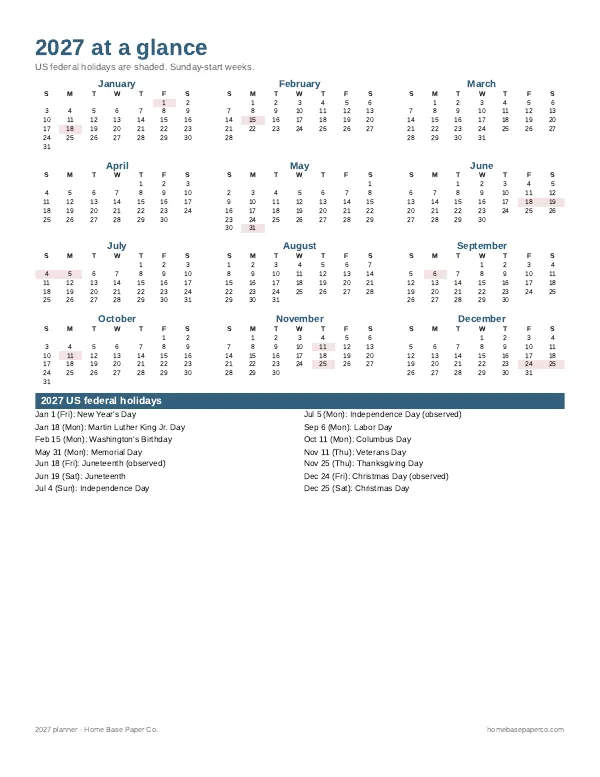
Get organized for the new year: get the free 2027 planner
A 16-page printable 2027 planner with a year-at-a-glance page and monthly calendars with US holidays marked. You'll also get our weekly HomeBase email with simple planning and home organization tips.
Sources
- Calculate Your BMI | NHLBI, NIH nhlbi.nih.gov
- Maintaining a Healthy Weight | National Institute on Aging nia.nih.gov
- Body Weight | MedlinePlus medlineplus.gov
- Eating extra calories when sick - adults | MedlinePlus medlineplus.gov