

The short answer: how to meal plan: check what you already have, look at your calendar, pick your meals, give each night a theme, write one grocery list, prep a few things ahead and review the week. The first plan takes about 30 to 45 minutes.
- You waste less food and spend with a target
- Fewer decisions at the worst time of day
- Mix: use-it-up meals, go-to meals and one new recipe
- Free template and 3 sample weeks below
- Next step: Plan it with the Meal Planner & Grocery List ($3.99).
Meal planning is deciding what you'll eat for the week before you shop, so you buy only what those meals need and never stand at the fridge at 6 p.m. wondering what's for dinner. To learn how to meal plan, follow seven steps: check what you already have, look at your calendar, pick your meals, give each night a theme, write one grocery list, prep a few things ahead and review the week when it ends. The first plan takes about 30 to 45 minutes, and most people get it down to 15 or 20 once they have a list of go-to meals.
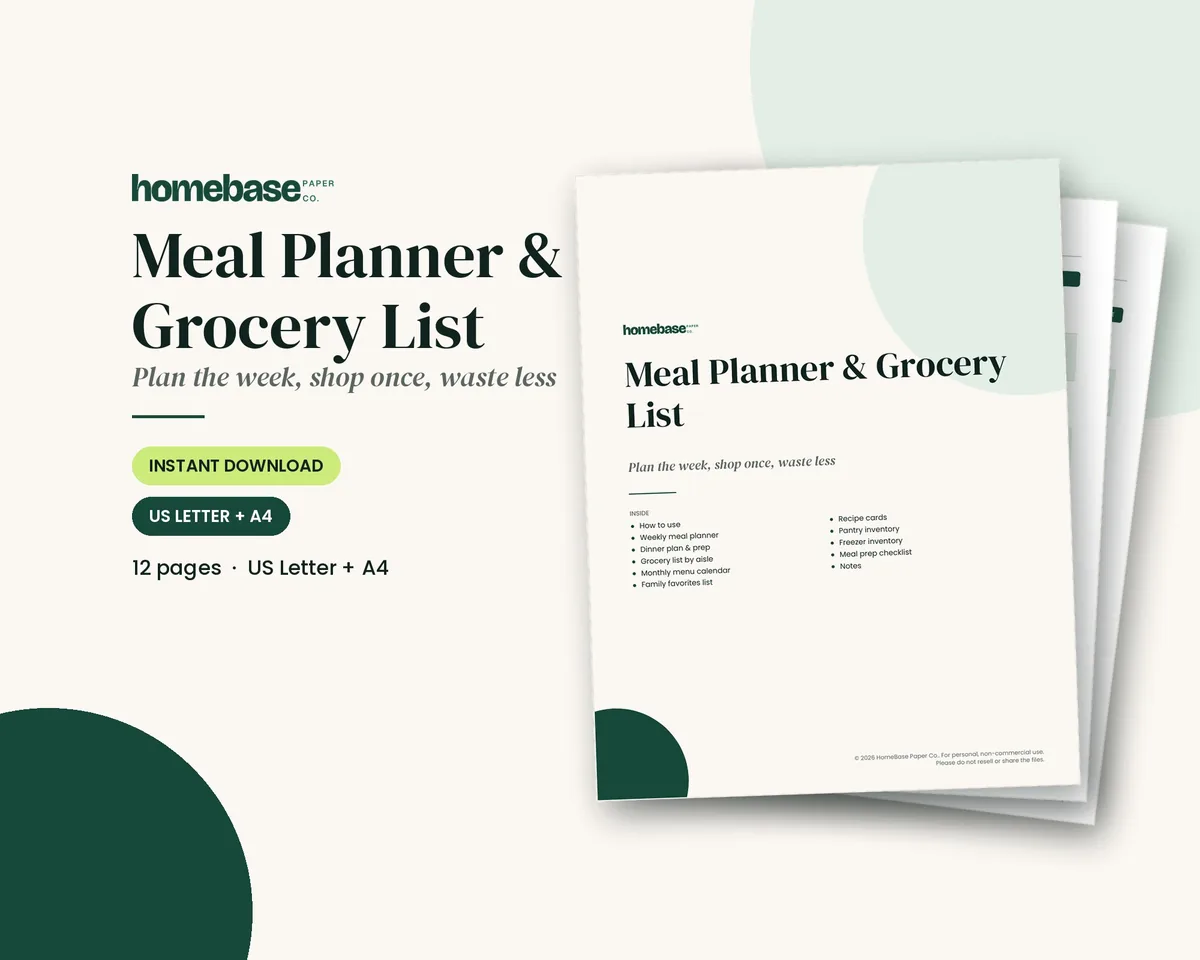
I grew up as the oldest of three, the one my family leaned on to keep everything coordinated, and later I worked as an executive assistant. Both jobs taught me the same thing: a plan you can see beats a plan in your head. That's why our Meal Planner & Grocery List ($3.99) puts the week's meals, a grocery list sorted by aisle and pantry and freezer inventories on paper you can stick to the fridge.
Meal planning at a glance
If you only read one section, read this one. Here is the whole method on one table.
| Step | What you do | Time | What you end up with |
|---|---|---|---|
| 1. Check what you have | Look in the fridge, freezer and pantry | 5 minutes | A use-it-up list |
| 2. Map the week | Mark busy nights, late nights and nights out | 5 minutes | How many meals you really need |
| 3. Pick meals | Choose dinners, then breakfasts and lunches | 10 minutes | A filled-in weekly plan |
| 4. Add theme nights | Give each night a category | 2 minutes | Faster choices every week |
| 5. Write the list | Turn every meal into ingredients, sorted by store section | 10 minutes | One grocery trip |
| 6. Prep ahead | Wash, chop, cook grains or brown meat | 30 to 90 minutes, optional | Fast weeknight dinners |
| 7. Review | Note what worked and what got wasted | 5 minutes | A better plan next week |
The times are our estimates for a simple dinner-focused plan. A big household or a full three-meals-a-day plan will take longer at first.
What meal planning is (and what it isn't)
A meal plan is a written schedule of meals for a set stretch of time, usually one week. It answers three questions ahead of time: what are we eating, when are we eating it and what do we need to buy.
Meal planning is not the same as meal prep. Planning is the decision. Prep is the cooking or chopping you do ahead of time. You can plan without prepping at all and still save time, money and stress. If you want the cooking side, our meal prep ideas guide covers batch-cooking plans, containers and what keeps well.
A meal plan also doesn't have to be strict. The best plans leave room for a leftovers night, a takeout night and a swap when plans change. Think of it as a short list of decisions you already made, not a diet.
Why meal planning is worth 20 minutes a week
There are three practical reasons to plan your meals, and none of them require you to love cooking.
You waste less food. The USDA's food waste FAQs estimate that between 30 and 40 percent of the U.S. food supply is wasted. The same page notes that shoppers add to that waste when they buy or cook more than they need. A plan ties every item in your cart to a specific meal, which is the simplest way to stop that.
You spend with a target. The USDA publishes monthly cost of food reports that price a healthy diet cooked at home at four levels. In the September 2026 report, the Thrifty Food Plan for the reference family of four (two adults ages 20 to 50 and two children ages 6 to 8 and 9 to 11) came to $236.30 a week. That gives you an honest benchmark to compare your own grocery receipts against.
You make fewer decisions at the worst time. Deciding dinner at 5:30 p.m. on a Tuesday is hard. Deciding it on Sunday afternoon with the calendar in front of you is easy. That one shift is most of the benefit.
How to meal plan in 7 steps
This is the core method. Do it once with a pencil, and it will feel natural by the third week.
Step 1: Check what you already have
Open the fridge, the freezer and the pantry before you plan anything. Write down what needs to be used soon: produce that's starting to soften, an open jar of salsa, half a bag of rice, the chicken you froze last month. Those items become the first meals on your plan.
A running list makes this step faster. Our free pantry inventory list and freezer inventory list show you how to keep one without counting every can. If your shelves are hard to see into, start with our guide to pantry organization.
Step 2: Look at the calendar
Before you choose a single recipe, look at the week ahead. Mark:
- Late work nights or long commutes
- Practices, meetings and appointments
- Nights you'll eat out or at someone else's table
- Days with extra time to cook
Busy nights get the fastest meals or leftovers. Open nights get the recipes that take longer. If two people share the cooking, write whose night it is.
Step 3: Choose your meals, starting with dinner
Start with dinners, because they take the most planning and the most money. Most people only need to plan four or five dinners a week. The other nights cover themselves with leftovers, a simple "fend for yourself" night or a meal out.
When you pick meals, use this order:
- Use-it-up meals from Step 1.
- Go-to meals your household already likes.
- One new recipe, at most, so the week stays manageable.
Then add breakfasts and lunches if you want them. Many households repeat the same two or three breakfasts all week and use dinner leftovers for lunch. That's a plan too.
For balance, aim for a mix of vegetables, fruits, grains, protein foods and dairy across the week. You don't have to measure anything. A quick check is whether each dinner has a vegetable and a protein, and whether the week includes more than one kind of each.
Step 4: Give each night a theme
Theme nights turn "what should we eat?" into "which taco should we make?" They cut decisions down without making every week identical. A taco salad is an easy swap for a lighter taco night.
| Night | Theme idea | Easy examples |
|---|---|---|
| Monday | Meatless | Black bean tacos, veggie fried rice, pasta with vegetables |
| Tuesday | Tacos or bowls | Ground turkey tacos, chicken burrito bowls |
| Wednesday | Soup or slow cooker | Chili, chicken noodle soup, pot roast |
| Thursday | Sheet pan or one pot | Sausage and peppers, roast chicken thighs and potatoes |
| Friday | Pizza or fun night | Homemade or frozen pizza, breakfast for dinner |
| Saturday | Grill or new recipe | Burgers, kabobs, something you've wanted to try |
| Sunday | Big batch | Roast or casserole with planned leftovers |
Swap the themes to fit your household. If you need dinner ideas to fill each slot, our easy dinner ideas list and sheet pan dinners are good places to start. For lighter nights, add a few easy healthy dinners. For the soup night, try our easy chili recipe or chicken noodle soup recipe. Or browse all our topic hubs to fill a whole theme night at once.
Step 5: Write one grocery list from the plan
Go through each meal and write every ingredient you don't already have. Then sort the list by store section: produce, meat and seafood, dairy, bakery, dry goods, frozen and household. A sorted list keeps you moving through the store and makes it easier to skip the aisles you don't need.
Add the staples you're running low on, like eggs, milk, bread and coffee, at the end. If you want a ready layout, our grocery list template is sorted by store section. If you track prices to find your best stores, our grocery price book shows how.
Step 6: Prep a few things ahead (optional)
Prep is optional, but even 30 minutes helps. Pick the tasks that save the most time on your busiest nights:
- Wash and chop vegetables for the first three dinners
- Cook a pot of rice, quinoa or pasta
- Brown ground meat or cook chicken for two meals
- Make one sauce, dressing or marinade
- Portion snacks and lunches into containers
Keep food safety in mind. FoodSafety.gov's cold food storage chart lists cooked meat and poultry leftovers at 3 to 4 days in the refrigerator, so plan to eat food you cook on Sunday by Wednesday or Thursday. Freeze anything you won't get to.
Step 7: Review the week and save your wins
At the end of the week, take five minutes to note what happened. Which meals did everyone eat? What got skipped? What went in the trash? Did you go to the store more than once?
Move the meals that worked onto a family favorites list. After a month, you'll have enough go-to meals to plan most weeks from that list alone.
Free weekly meal plan template
Copy this layout into a notebook, a document or a sheet of paper on the fridge. It's simple on purpose: one row per day, one column per meal, and room for notes.
| Day | Breakfast | Lunch | Dinner | Prep or notes |
|---|---|---|---|---|
| Monday | ||||
| Tuesday | ||||
| Wednesday | ||||
| Thursday | ||||
| Friday | ||||
| Saturday | ||||
| Sunday |
Under the table, add three short lists:
- Use first: food that needs to be eaten this week
- Grocery list: sorted by store section
- Prep list: what you'll do ahead and when
If you'd rather print a finished version, our Meal Planner & Grocery List has a weekly meal planner, a dinner plan and prep page, a monthly menu, a family favorites page, recipe cards and pantry and freezer inventories. For a menu that hangs where everyone can see it, try our weekly menu template. For planning a whole month at once, see the monthly meal planner.
3 sample weekly meal plans
These sample plans show three different ways to fill the template. Use them as starting points, then swap in meals your household already likes.
Sample 1: The beginner plan (5 dinners)
This plan keeps it small. You only plan five dinners, and two of them make leftovers on purpose.
| Day | Dinner | Why it works |
|---|---|---|
| Monday | Spaghetti with meat sauce and a bagged salad | Familiar and fast |
| Tuesday | Chicken tacos | Uses one pack of chicken for two meals |
| Wednesday | Leftover taco filling over rice | Planned leftovers |
| Thursday | Sheet pan sausage, peppers and potatoes | One pan to wash |
| Friday | Homemade pizza night | Easy and fun |
| Saturday | Eat out or fend for yourself | A built-in night off |
| Sunday | Slow cooker chili | Makes extra for Monday lunches |
Breakfasts and lunches stay simple: cereal or eggs, and sandwiches or leftovers.
Sample 2: The budget plan (cheap staples, planned leftovers)
This plan leans on beans, eggs, rice, pasta, potatoes and in-season produce. It cooks big twice and stretches each pot.
| Day | Dinner | Budget move |
|---|---|---|
| Monday | Black bean and rice bowls | Dried or canned beans cost less than most meat |
| Tuesday | Egg fried rice with frozen vegetables | Uses Monday's extra rice |
| Wednesday | Whole roast chicken with potatoes and carrots | One bird covers two meals |
| Thursday | Chicken soup from Wednesday's leftovers | Bones and scraps make the broth |
| Friday | Baked potato bar | Cheap base, toppings from the fridge |
| Saturday | Pasta with tomato sauce and white beans | Pantry meal |
| Sunday | Breakfast for dinner | Eggs, toast and fruit |
Compare your total with the USDA cost of food report to see whether you're closer to the thrifty or moderate level. For a full system, read our guide to meal planning on a budget and our tips for how to grocery shop on a budget.
Sample 3: The busy-week plan (15 minutes or less on weeknights)
This plan moves the cooking to the weekend and uses the freezer, so weeknights take about 15 minutes of active time.
| Day | Dinner | Weeknight effort |
|---|---|---|
| Monday | Freezer meatballs with marinara and pasta | Boil pasta, heat sauce |
| Tuesday | Rotisserie chicken wraps with salad kit | Assemble only |
| Wednesday | Slow cooker pot roast | Start in the morning |
| Thursday | Leftover pot roast sandwiches | Reheat and serve |
| Friday | Frozen pizza with cut vegetables | Oven only |
| Saturday | Batch cook: two casseroles, one for the freezer | Weekend cooking |
| Sunday | One of Saturday's casseroles | Reheat |
If the freezer is your secret weapon, our freezer meals list has more ideas. The FoodSafety.gov chart says frozen food kept at 0°F stays safe indefinitely, and its freezer times are for quality, so label each container with the date.
How long leftovers last in a meal plan
Leftovers are the easiest way to cover a second night, but only if you eat them in time. These numbers come from FoodSafety.gov's cold food storage chart, which assumes a refrigerator at 40°F or below and a freezer at 0°F.
| Leftover | Refrigerator | Freezer (for quality) |
|---|---|---|
| Cooked meat or poultry | 3 to 4 days | 2 to 6 months |
| Soups and stews | 3 to 4 days | 2 to 3 months |
| Pizza | 3 to 4 days | 1 to 2 months |
| Chicken, tuna or egg salad | 3 to 4 days | Doesn't freeze well |
| Casseroles with eggs | 3 to 4 days | 2 to 3 months |
| Raw ground meat (before cooking) | 1 to 2 days | 3 to 4 months |
Two planning rules fall out of this table. First, cook raw ground meat and fresh chicken early in the week, within a day or two of shopping, or freeze them the day you buy them. Second, any leftovers you won't eat by day three or four should go straight to the freezer with a date on the label.
Planning breakfasts, lunches and snacks
Dinner gets most of the attention, but breakfast and lunch are where many grocery budgets leak. You don't need a different breakfast every day. Pick two or three and rotate them.
Breakfast ideas that plan well: overnight oats, egg muffins baked on Sunday, yogurt with fruit and granola, toast with peanut butter and banana, or breakfast burritos frozen in a batch. Jars of chia pudding also keep well for the week.
Lunch ideas that plan well: dinner leftovers packed the night before, grain bowls built from prepped rice and vegetables, wraps, soup in a thermos or a big salad with a protein you cooked ahead. For 40 more, see our quick lunch ideas for work and home.
Snacks: buy them on purpose instead of in the checkout line. Add fruit, cut vegetables, cheese, crackers or popcorn to the list, and portion them on prep day if snacks tend to disappear in two days.
Write all of these on the same weekly plan so the grocery list catches every ingredient.
Meal planning when you hate cooking
You can meal plan without cooking much at all. The goal is still the same: decide ahead so you don't spend more or eat worse at the last minute.
- Plan "assembly" meals. Rotisserie chicken wraps, salad kits with a protein, rice bowls with frozen vegetables and quesadillas need very little cooking.
- Lean on the slow cooker or sheet pan. Both take a few minutes of hands-on time and do the rest without you.
- Use convenience items on purpose. Pre-cut vegetables, frozen stir-fry blends and bagged salads cost a little more, but they cost less than food that rots because you didn't feel like chopping it.
- Repeat meals often. There's no rule that you need variety every night. If you like five dinners, eat those five dinners.
How to shop from your meal plan
The plan pays off at the store. A few habits help the list do its job:
- Shop once a week if you can. Every extra trip is another chance for impulse buys.
- Check sales before you finalize the plan. If chicken thighs are on sale, swap them into Thursday's dinner.
- Buy produce in order. Delicate greens and berries for early in the week; carrots, cabbage, apples and frozen vegetables for later.
- Use grocery pickup or delivery for the list. Ordering online makes it easier to buy only what's on the list.
- Put away food by meal. Group Tuesday's ingredients together, or keep a "use first" bin in the fridge.
How many meals should you plan?
Plan fewer meals than you think. A plan that leaves no room for leftovers or surprises usually ends with wasted food.
| Household | Dinners to plan | Notes |
|---|---|---|
| One person | 3 to 4 | Cook two servings and eat the second one later, or freeze it |
| Two people | 4 to 5 | Halve family recipes or plan leftovers for lunch |
| Family of three or four | 5 to 6 | One leftovers night, one flexible night |
| Large household | 6 to 7 | Cook in big batches and double the easiest recipes |
These are starting points, not rules. Count how many nights you really ate at home last week, and plan for that.
Meal planning for one or two people
Smaller households have one big challenge: most recipes and packages are sized for four. Plan around that instead of fighting it.
- Plan "cook once, eat twice" meals. Make a full recipe and eat it on two different nights, or freeze half.
- Share ingredients across meals. One bunch of cilantro can go into tacos on Tuesday and rice bowls on Thursday.
- Shop smaller. Buy from the salad bar, the bulk bins or the frozen aisle for small amounts of vegetables.
- Budget for the smaller size. The USDA cost of food report suggests adding 20 percent to its per-person costs for a one-person household and 10 percent for a two-person household, because buying for fewer people costs more per serving.
How to make meal planning a habit
The plan only helps if you keep doing it. These small habits make it stick.
- Pick a planning day and time. Sunday afternoon, Thursday night or whenever you do your grocery order.
- Keep the plan where you can see it. On the fridge, inside a cabinet door or in a household binder with the rest of the family's schedule.
- Build a favorites list. After every week, add meals that worked. Plan from that list first.
- Rotate instead of reinventing. Many households run the same four weeks of plans on a loop and change them with the seasons.
- Keep backup meals on hand. A box of pasta and a jar of sauce, eggs or a frozen meal for the night the plan falls apart. You can also learn how to make alfredo sauce from butter, cream and Parmesan.
- Lower the bar. A plan that says "leftovers" or "sandwiches" is still a plan.
If you like a weekly reset, add meal planning to your Sunday reset so it happens at the same time as the laundry and the calendar.
Common meal planning mistakes (and easy fixes)
| Mistake | What happens | Fix |
|---|---|---|
| Planning seven new recipes | Too much shopping and cooking, so the plan falls apart midweek | One new recipe a week, at most |
| Ignoring the calendar | A long recipe lands on your busiest night | Map the week before picking meals |
| No leftovers night | Leftovers go bad in the fridge | Schedule one leftovers night |
| Shopping without the list | Impulse buys and missing ingredients | Write the list from the plan, then shop the list |
| Buying fresh produce for late in the week | It wilts before you use it | Use fresh produce early and frozen or canned later |
| Never reviewing | The same food gets thrown out every week | Five-minute review on planning day |
Meal planning for special situations
Picky eaters. Build meals with a "base plus toppings" format, like tacos, rice bowls, baked potatoes or pasta bars. Everyone eats the same meal and picks their own toppings. Keep one side dish that everyone likes on the table.
Different schedules. Plan meals that hold well, like soups, slow cooker meals and casseroles, and let people heat their own plates.
Holidays and big events. Plan the week around the big meal and use the leftovers on purpose. Our Thanksgiving leftovers meal plan and Christmas week meal plan are built for those weeks.
Families with kids. Our full guide to how to meal plan for a family covers kid-friendly theme nights, getting everyone to help and planning around activities.
Vegetarian households. Our vegetarian meal prep ideas give you protein-rich meatless meals to rotate.
Paper planner, app or spreadsheet?
Any tool works if you use it every week. Here's how they compare.
| Tool | Best for | Downsides |
|---|---|---|
| Paper planner on the fridge | Households who want everyone to see the plan | You have to carry the grocery list to the store |
| Notes app or document | People who want the plan on their phone | Easy to forget to open |
| Meal planning app | Recipe lovers who want automatic grocery lists | Often subscription-based and more features than you need |
| Spreadsheet | People who like to track costs | Takes setup time |
Many people use a mix: a printed plan on the fridge and the grocery list on their phone. If you want to keep your favorite recipes together, our Family Recipe Binder ($6.99) has recipe pages, 4x6 cards and a fillable version, so the meals you plan most often are always in one spot.
Prefer an app over paper? Compare options in our meal planning apps guide (prices checked November 2026).
Cooking just for yourself? Our easy meals for one person pairs 45 ideas with a seven-day menu and a grocery list sized for one.
Start your first meal plan this week
Here's the short version: check what you have, look at the week, pick four or five dinners, give each night a theme, write one list and prep one thing. Then review and repeat. If that prep step is new, how to meal prep walks through containers, timing and a starter menu.
Grab our Meal Planner & Grocery List ($3.99) if you want the pages ready to print, or get it in the Family Life Admin Bundle ($15.99) with the Family Recipe Binder and other family planners. You can browse every printable in our printables shop.
Need ideas to fill the plan? Start with our list of healthy meals, and keep leftovers safe with our guide to how long cooked rice lasts in the fridge. Going low-carb for a stretch? Our keto diet meal plan gives you two weeks of meals to drop into the grid.
On nights the plan falls apart, our guide on what to make for dinner helps you decide in five quick questions. Hosting the holiday feast? Use our cost of Thanksgiving dinner study as a seasonal planning example. For the head overview of what meal planning is and why it works, see our meal planning hub.
Make it easier
Tools for this
 Starter pick
Printables
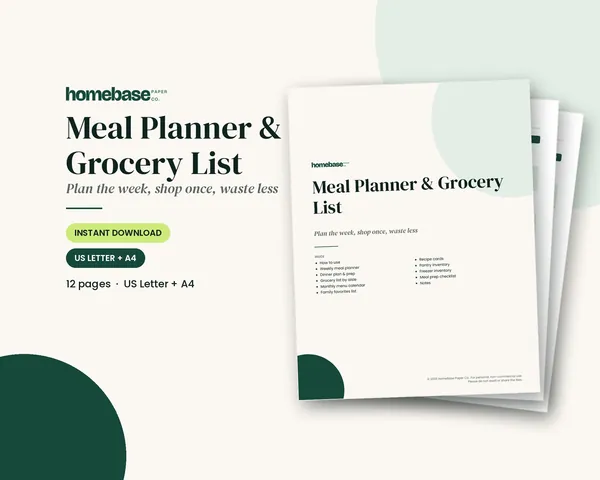
Meal Planner & Grocery List
Weekly meals, a grocery list sorted by aisle, and pantry and freezer inventories so you shop once and waste less.
Printables
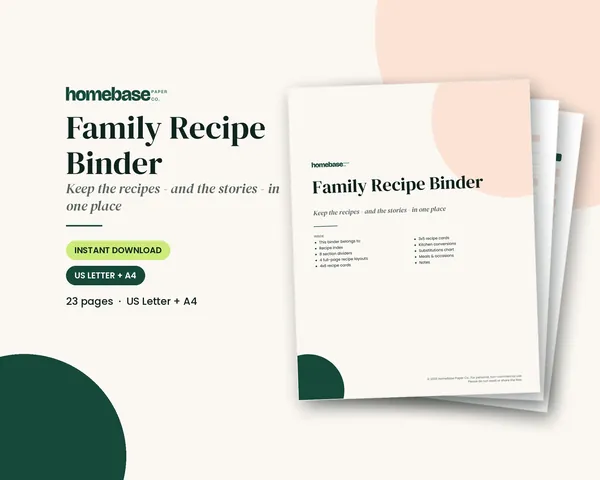
Family Recipe Binder
Section dividers, four recipe page layouts with room for the family story, 4x6 and 3x5 cards and a conversion chart - print it or type into the fillable version.
 Save 33%
Bundles
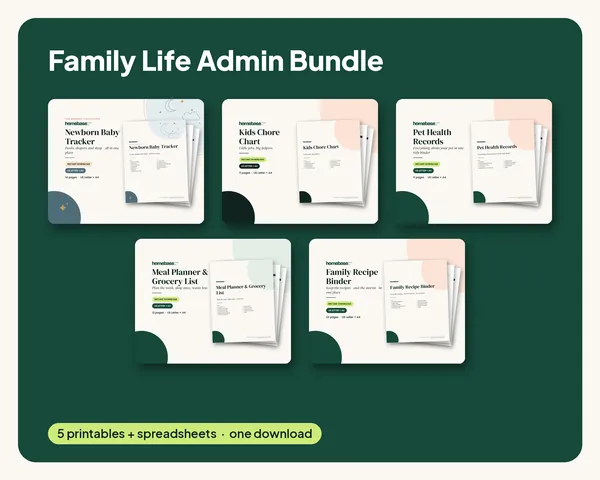
Family Life Admin Bundle
Baby logs, chore charts, pet records, meal plans and family recipes in one tidy set.
Frequently asked questions
How do I start meal planning as a beginner? Our Meal Planner & Grocery List ($3.99) gives beginners a weekly plan page and an aisle-sorted grocery list to fill in. Start by checking what's already in your fridge and pantry, then look at your calendar for busy nights. Plan only four or five dinners for your first week and add breakfasts and lunches later.
What is the best way to meal plan? Our Meal Planner & Grocery List ($3.99) keeps the whole weekly method on paper so you can see it at a glance. The best way to meal plan is the one you'll repeat: check what you have, map the week, pick meals, use theme nights, write one list and do a little prep. Review the week afterward so the next plan gets easier.
What is the difference between meal planning and meal prep? Our Meal Planner & Grocery List ($3.99) handles the planning side, and its meal prep checklist covers the cooking side. Meal planning is deciding what you'll eat and what to buy. Meal prep is washing, chopping or cooking food ahead of time, and you can plan without prepping at all.
How long does it take to make a weekly meal plan? Our Meal Planner & Grocery List ($3.99) cuts planning time with a layout that's ready to fill in. Your first weekly meal plan may take 30 to 45 minutes while you look up recipes and check the pantry. After a few weeks of building a favorites list, most people can plan a week in about 15 to 20 minutes.
How many meals should I plan each week? Our Meal Planner & Grocery List ($3.99) has room for every meal, but you don't have to fill every box. Most households only need to plan four to six dinners a week, with one night for leftovers and one flexible night. Count how many nights you really ate at home last week and plan for that number.
How do you meal plan for one or two people? Our Meal Planner & Grocery List ($3.99) works for small households because you choose how many meals to plan. Cook full recipes and eat the second half on another night or freeze it. Plan meals that share ingredients so nothing goes to waste before you use it.
Does meal planning really save money? Our Meal Planner & Grocery List ($3.99) helps you save by tying every grocery item to a planned meal. When each item has a job, you buy less on impulse and throw away less food. The USDA's cost of food reports give you a weekly benchmark to compare your own grocery spending against.
Is it better to meal plan on paper or in an app? Our Meal Planner & Grocery List ($3.99) is a printable for people who want the plan on the fridge where everyone can see it. Apps work well if you like automatic grocery lists and keep your phone handy. Any tool works as long as you use it every week, and many people use paper for the plan and a phone for the list.
How do I meal plan with picky eaters? Our Meal Planner & Grocery List ($3.99) has a family favorites page so you can plan from meals everyone already eats. Use base-plus-toppings dinners like tacos, rice bowls, pasta bars and baked potatoes so each person builds their own plate. Keep one side dish everyone likes on the table at every meal.
How do I plan meals around leftovers? Our Meal Planner & Grocery List ($3.99) includes a dinner plan and prep page where you can mark planned leftovers nights. Cook bigger batches early in the week and schedule the leftovers within three or four days. Freeze anything you won't eat in that window and label it with the date.
What should be on a meal plan template? Our Meal Planner & Grocery List ($3.99) includes a weekly meal planner, a grocery list, a monthly menu, recipe cards and pantry and freezer inventories. A basic meal plan template needs a row for each day, columns for breakfast, lunch and dinner, and space for notes. Add short lists for food to use first, groceries and prep tasks.
How do I meal plan if I hate cooking? Our Meal Planner & Grocery List ($3.99) makes low-effort weeks easier because you decide simple meals ahead of time. Plan assembly meals like wraps, salad kits and rice bowls, and lean on a slow cooker or sheet pan. It's fine to repeat the same few dinners every week.
How do I keep my favorite recipes with my meal plan? Our Family Recipe Binder ($6.99) keeps the recipes you plan most often in one place, with recipe pages, 4x6 cards and a fillable version. Add every meal that worked to your favorites list after each week. Over time, you'll be able to plan most weeks from that list alone.
More from HomeBase
You may also like
 Thanksgiving Edition
Printables
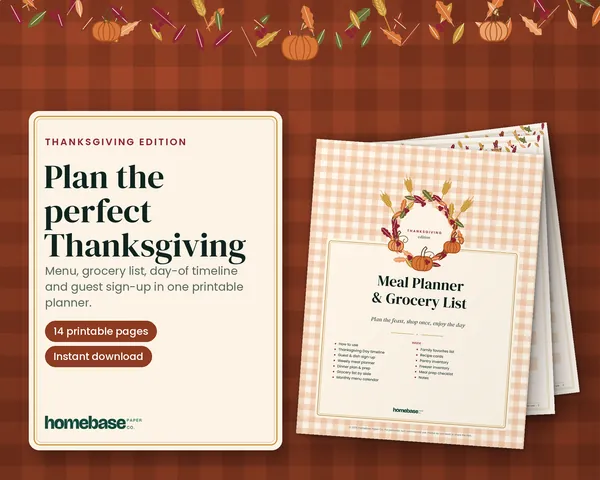
Meal Planner & Grocery List: Thanksgiving Edition
Plan the perfect Thanksgiving: our meal planner in a warm harvest design, with a Thanksgiving Day timeline, a guest & dish sign-up, an aisle-sorted grocery list and pantry and freezer trackers.
Printables
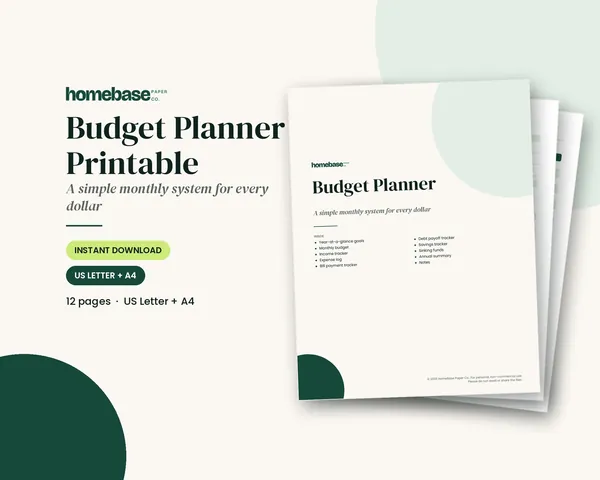
Budget Planner Printable
Twelve undated pages you can print every month: budget, bills, spending, savings and debt.
Printables
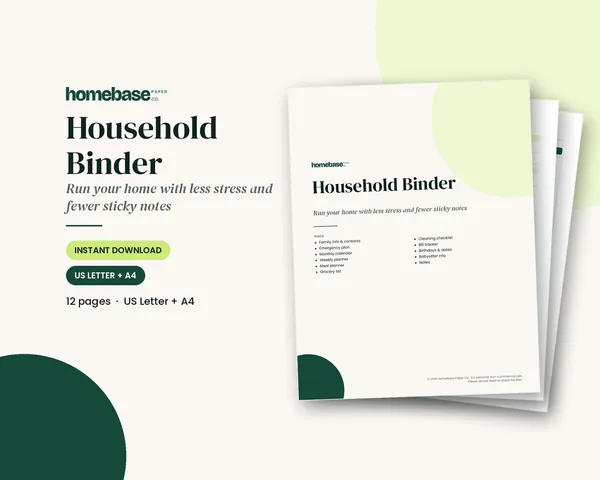
Household Binder
Family info, emergency plan, calendars, meals, groceries, cleaning, bills and sitter notes.
 Starter pick
Printables
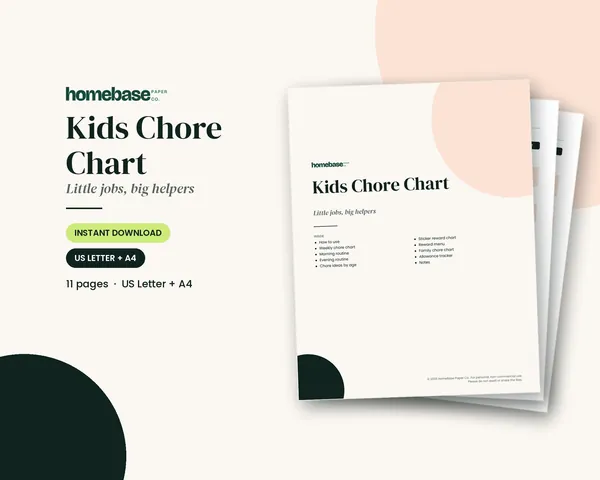
Kids Chore Chart
Weekly chore chart, morning and evening routines, chore ideas by age, a sticker reward chart and an allowance tracker.
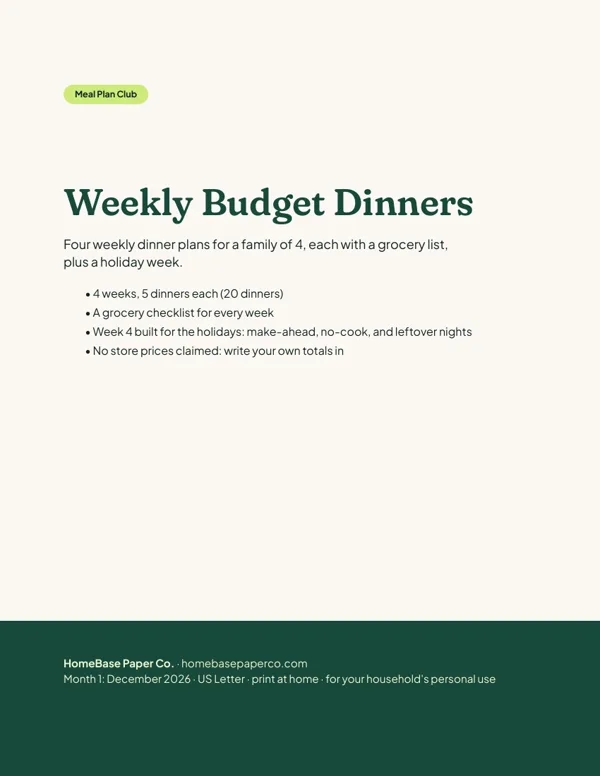 Club
Monthly club
Meal Plan Club
Families who want dinner planned and a grocery list ready every week.
Free printable
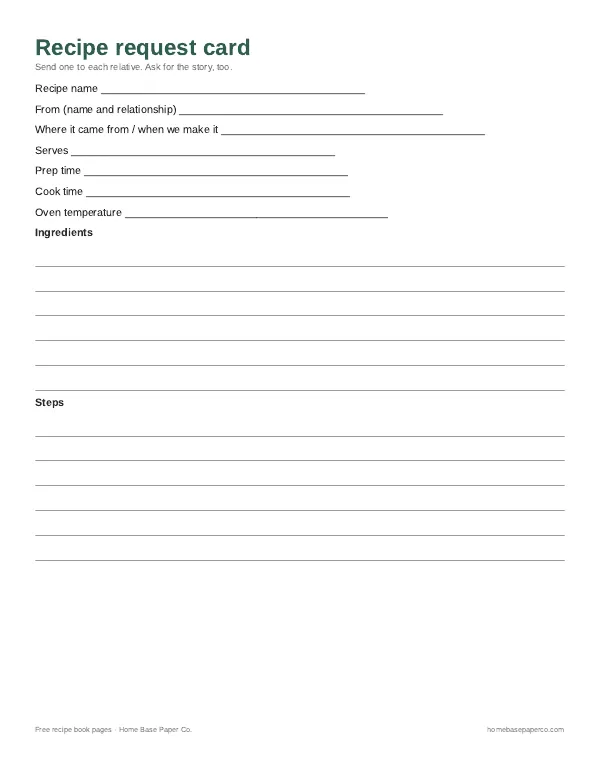
Save the family favorites: get the free recipe book pages
Printable recipe pages and a recipe request card to send to relatives, so the dishes everyone loves end up in one book. You'll also get our weekly HomeBase email with easy meal planning ideas and family recipe tips.
Sources
- USDA Food Plans: Monthly Cost of Food Reports (USDA) fna.usda.gov
- Cold Food Storage Chart (FoodSafety.gov) foodsafety.gov
- Food Waste FAQs (USDA) usda.gov