

The short answer: this vegetable soup recipe simmers onion, carrots, celery, potatoes, green beans and canned tomatoes in 6 cups of broth for about 20 minutes, then adds corn, peas and greens at the end. It serves 6 in about 45 minutes, in one pot.
- Key numbers: 2 carrots · 2 celery ribs · 1 pound potatoes · 1 can diced tomatoes · 6 cups broth · serves 6
- Top moves: cook the base slowly, add firm vegetables first and soft ones last, season and add acid at the end
- Free and paid next step: get the free recipe book starter pages (we email it to you), or save your version in the Family Recipe Binder ($6.99).
Our picks for vegetable soup recipe
 Starter pick
Printables
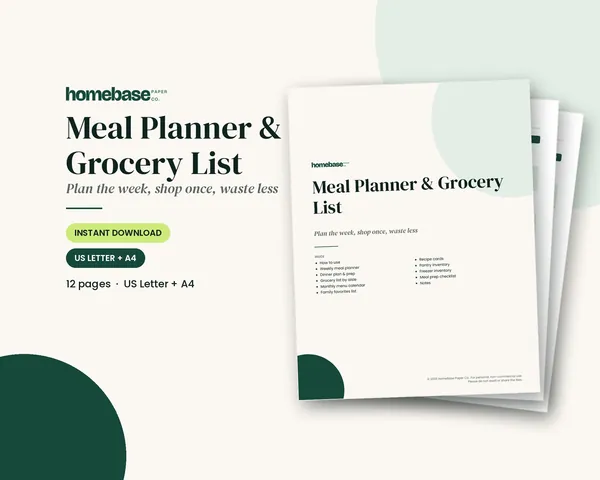
Meal Planner & Grocery List
Weekly meals, a grocery list sorted by aisle, and pantry and freezer inventories so you shop once and waste less.
Printables
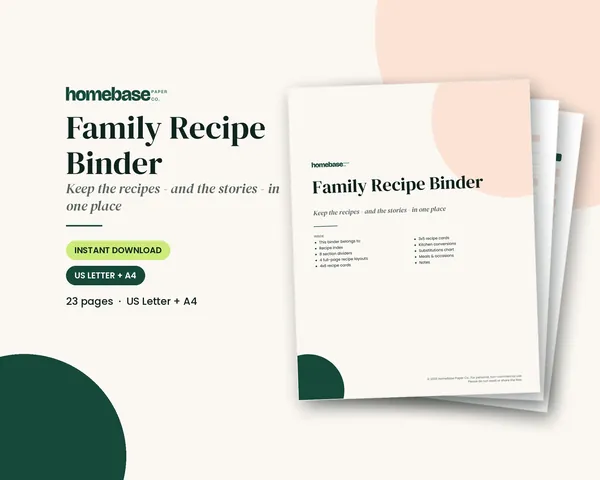
Family Recipe Binder
Section dividers, four recipe page layouts with room for the family story, 4x6 and 3x5 cards and a conversion chart - print it or type into the fillable version.
Prep time: 30 minCook time: 35 minTotal time: 1 hr 5 minServings: 6 servings
This is a plain, broth-based vegetable soup with no pasta and no beans required. For the Italian version with beans and small pasta, see minestrone soup. For a cabbage-heavy pot, see cabbage soup.
Vegetable soup ingredients
| Ingredient | Amount | Notes |
|---|---|---|
| Olive oil | 2 tablespoons | Or any neutral oil |
| Yellow onion | 1 large, diced | About 1 1/2 cups |
| Carrots | 2 medium, diced | Peeled or scrubbed |
| Celery | 2 ribs, diced | Leaves can go in too |
| Garlic | 3 cloves, minced | |
| Tomato paste (optional) | 1 tablespoon | Deeper color and flavor |
| Yukon Gold potatoes | 1 pound (about 2 medium) | 1/2-inch cubes |
| Green beans | 2 cups, cut in 1-inch pieces | Fresh or frozen |
| Diced tomatoes | 1 can (14.5 ounces) | With juices |
| Vegetable broth | 6 cups | Chicken broth also works |
| Dried thyme or Italian seasoning | 1 teaspoon | |
| Bay leaf | 1 | Remove before serving |
| Frozen corn | 1 cup | |
| Frozen peas | 1 cup | |
| Spinach or chopped kale | 2 packed cups | |
| Lemon juice or red wine vinegar | 1 to 2 teaspoons | Added at the end |
| Salt and black pepper | To taste | Depends on the broth |
Serves 6, about 1 1/2 cups each. Rinse the fresh vegetables first. The FDA produce guidance says to wash produce under running water, scrub firm produce with a clean brush, and cut away damaged or bruised areas. It does not recommend soap or commercial produce washes.
How to make vegetable soup
- Build the base. Heat the olive oil in a large pot or Dutch oven over medium heat. Add the onion, carrots and celery with a pinch of salt. Cook 8 to 10 minutes, stirring now and then, until the onion is soft and translucent.
- Add garlic and paste. Stir in the garlic and tomato paste. Cook 1 minute, until the garlic smells fragrant and the paste darkens slightly.
- Add the firm vegetables and liquid. Add the potatoes, green beans, diced tomatoes with their juices, broth, thyme and bay leaf. Bring to a boil, then lower the heat to a steady simmer.
- Simmer. Partly cover and simmer 15 to 20 minutes, until a potato cube breaks easily with a spoon.
- Finish. Stir in the corn, peas and greens. Simmer 3 to 5 minutes, until the greens wilt and the frozen vegetables are hot.
- Season. Remove the bay leaf. Add the lemon juice or vinegar, then salt and pepper to taste. Taste again after a minute; potatoes absorb salt as they sit.
Total time is about 45 minutes: 15 minutes of chopping, 10 minutes for the base, and about 20 minutes of simmering.
Why the order matters
Vegetables cook at different speeds. Onion, carrot and celery go in first because they need time to soften and sweeten, and that slow start is most of the flavor in a broth-based soup. Potatoes and green beans need the full simmer. Corn, peas and leafy greens need only a few minutes; added early, they turn dull and soft.
If you swap vegetables, sort them the same way:
| Add at the start (with the base) | Add with the broth | Add for the last 5 minutes |
|---|---|---|
| Onion, leek, carrot, celery, fennel | Potatoes, sweet potato, turnip, parsnip, green beans, cabbage | Zucchini, peas, corn, spinach, kale, chard, fresh herbs |
| Bell pepper, mushrooms | Butternut squash, cauliflower | Frozen mixed vegetables (8 to 10 minutes) |
Cut everything about the same size, roughly 1/2 inch, so a spoonful holds a little of each and nothing is still hard when the potatoes are done.
Variations and swaps
- Frozen vegetable soup: use a 1-pound bag of frozen mixed vegetables in place of the green beans, corn and peas. Add it for the last 8 to 10 minutes.
- Hearty vegetable soup: add 1 can of rinsed white beans or chickpeas with the broth, or 1/2 cup of uncooked small pasta or rice for the last 10 to 12 minutes. Pasta and rice keep absorbing broth, so add extra broth when reheating.
- Vegetable beef soup: brown 1 pound of ground beef before the onion, drain the fat, and continue with the recipe. Cook ground beef to 160°F.
- Creamy vegetable soup: blend 2 to 3 cups of the finished soup until smooth and stir it back in. No cream is needed; the potatoes thicken it.
- Italian-style: use Italian seasoning, add a Parmesan rind with the broth, and finish with basil. With beans and pasta added, it becomes minestrone.
- Detox-style or lighter pot: skip the potatoes and double the green beans and greens, or add 3 cups of shredded cabbage.
- Slow cooker: cook the base on the stove first for the best flavor, then add everything except the corn, peas, greens and acid. Cook on low 6 to 7 hours or high 3 to 4 hours, then stir in the finishing vegetables.
Troubleshooting vegetable soup
It tastes flat. Add salt in small pinches and a little more lemon juice or vinegar. Most bland vegetable soup is under-salted or missing acid. A spoon of tomato paste or a splash of soy sauce adds savory depth.
It is too thin. Mash some potato cubes against the side of the pot, or blend 2 cups and stir them back in.
The vegetables are mushy. They went in too early or simmered too long. Next time, follow the order table and pull the pot as soon as the potatoes are tender.
It is too salty. Add more unsalted broth or water and another diced potato, then simmer until the potato is cooked. Start with low-sodium broth next time and salt at the end.
The potatoes fell apart. Russets break down faster than Yukon Golds or red potatoes. Use a waxy or all-purpose potato for chunks that hold their shape.
Make-ahead, storage and freezing
Vegetable soup is a good make-ahead meal because the flavor settles overnight. To cool a big pot faster, divide it into shallow containers. FDA's storage guidance says perishable food should not sit at room temperature for more than two hours, or one hour if the air is above 90°F, and to keep the refrigerator at or below 40°F (FDA: Are you storing food safely?). Eat refrigerated leftovers within 3 to 4 days.
When you reheat it, the FDA safe food handling page says to bring sauces, soups and gravy to a boil. Stir in a splash of broth or water, because the potatoes keep absorbing liquid in the fridge.
To freeze, leave out any pasta or rice, cool the soup, and pack it in freezer containers with about an inch of headspace for expansion. Keep the freezer at 0°F. Use it within about 2 to 3 months for the best texture. Potatoes soften a bit after thawing; if that bothers you, leave them out of the portion you freeze and add freshly cooked potatoes when reheating. Thaw overnight in the refrigerator or reheat from frozen over medium-low heat, then bring it to a boil.
What to serve with vegetable soup
- Bread: crusty bread, garlic bread or a grilled cheese sandwich for dipping.
- Protein on the side: a hard-boiled egg, a scoop of chicken salad, or a sprinkle of Parmesan and a drizzle of olive oil on each bowl.
- Salad: a simple green salad with a sharp vinaigrette.
- Soup night rotation: rotate this pot with chicken noodle, tomato and potato soups from our soup recipes roundup.
A budget-friendly pot
Vegetable soup is one of the most flexible low-cost meals in a weekly plan. Nearly everything in this recipe is a pantry or long-keeping item: onions, carrots, celery, potatoes, canned tomatoes, boxed broth and frozen vegetables. A few ways to stretch it:
- Use what is already in the crisper. Half a zucchini, the last of the cabbage, or a few mushrooms can replace the green beans.
- Frozen vegetables count. They are already cleaned and cut, and they cut waste because you use only what you need.
- Make scrap broth. Save onion ends, carrot peels and celery tops in a freezer bag, then simmer them in water for about an hour and strain for a free broth base.
- Cook once, eat twice. Six servings covers a dinner and several lunches. Write the leftovers into the week plan so they are eaten within 3 to 4 days.
For a full system of cheap dinners and a grocery list that keeps soup ingredients on hand, see meal planning on a budget.
Plan the shopping and save the recipe
Put soup night on the menu and the leftover lunches on the following days, so the pot gets eaten while it is at its best.
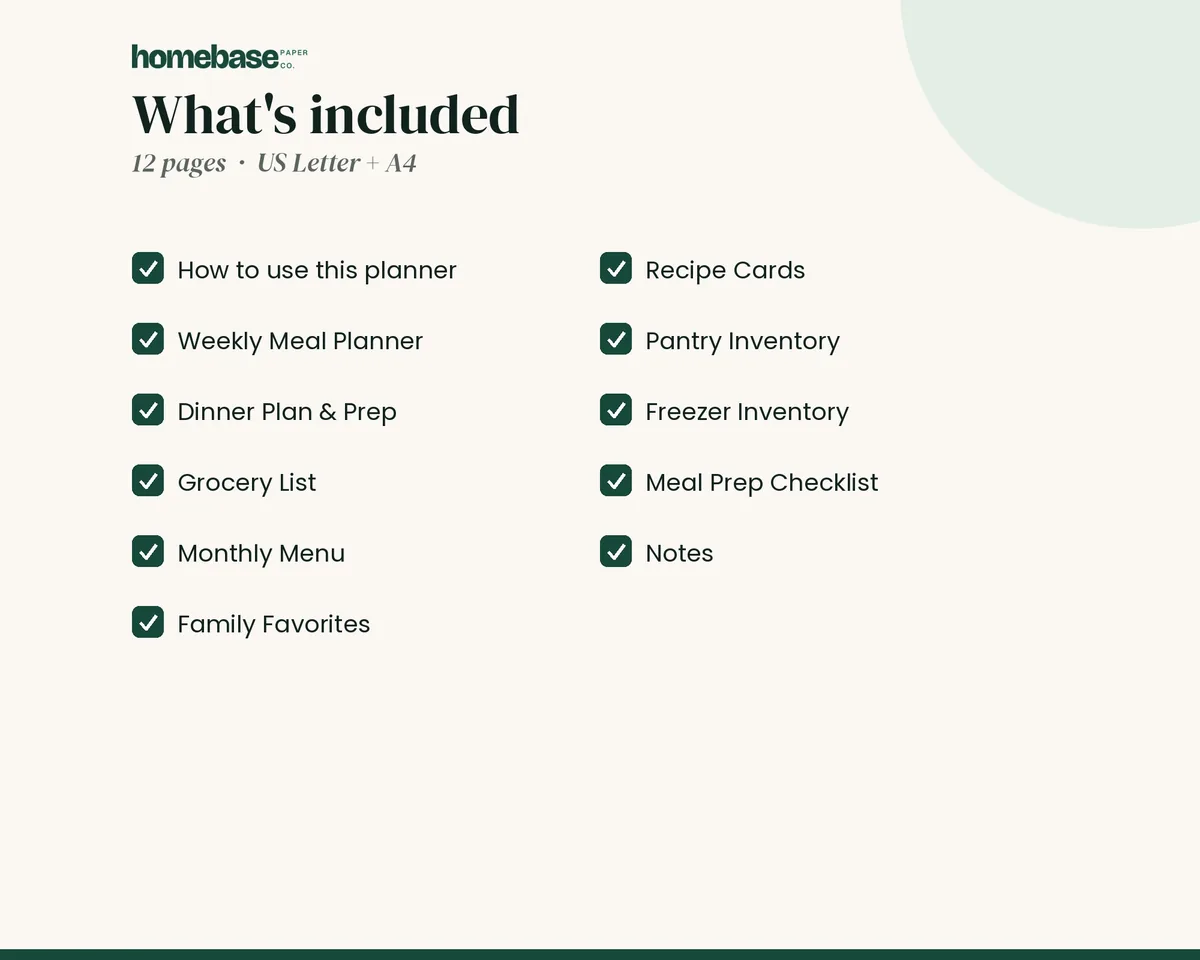
- Meal Planner & Grocery List, $3.99. A weekly menu, aisle-sorted grocery list and pantry inventory.
- Family Recipe Binder, $6.99. Keep your vegetable swaps and seasoning notes with your other family soups.
Browse more kitchen printables in the printables shop.
Want free starter pages before you buy a binder? Get the free recipe book pages (we email it to you).
For a lentil-based alternative, make lentil soup and adjust the broth after the lentils have softened.
Want more ideas beyond vegetable soup? See 30 winter soup recipes you can cook and freeze.
Frequently asked questions
How do you make vegetable soup? To make vegetable soup, soften onion, carrot and celery in olive oil, add garlic, potatoes, green beans, diced tomatoes and broth, and simmer about 20 minutes until the potatoes are tender. Stir in frozen corn, peas and greens for the last 5 minutes and season to taste.
What vegetables go in vegetable soup? Classic vegetable soup uses onion, carrot, celery, garlic, potatoes, green beans and canned tomatoes, finished with corn, peas and a handful of spinach or kale. Zucchini, cabbage, mushrooms, sweet potato and bell pepper all work as swaps.
Can you make vegetable soup with frozen vegetables? Vegetable soup works well with frozen vegetables. Use a 1-pound bag of mixed vegetables in place of the green beans, corn and peas, and add it for the last 8 to 10 minutes so it heats through without going mushy.
How do you make vegetable soup taste better? Vegetable soup tastes better when the onion, carrot and celery cook slowly in oil before the liquid goes in, the broth is well seasoned, and a splash of lemon juice or vinegar goes in at the end. A Parmesan rind or a spoon of tomato paste adds depth.
What is the difference between vegetable soup and minestrone? Vegetable soup is a simple broth-based soup of mixed vegetables, while minestrone is the Italian version that adds beans and small pasta. This vegetable soup recipe has no pasta, so it reheats without soggy noodles.
How long does vegetable soup last in the fridge? Vegetable soup lasts 3 to 4 days in the fridge if it is refrigerated within 2 hours of cooking. Bring it to a boil when you reheat it.
Can you freeze vegetable soup? Vegetable soup freezes well for about 2 to 3 months for best quality. Cool it, pack it in freezer containers with room at the top for expansion, and expect potatoes to soften slightly after thawing.
How do you thicken vegetable soup? To thicken vegetable soup, mash some of the cooked potatoes against the side of the pot, blend 2 cups of the soup and stir it back in, or simmer it uncovered for 10 more minutes. A handful of rice or small pasta also thickens it as it cooks.
Is vegetable soup vegan? This vegetable soup is vegan when made with vegetable broth and no Parmesan rind. Check the broth label, since some boxed broths contain dairy or chicken.
How do I plan vegetable soup into a week of meals? The Meal Planner & Grocery List ($3.99) from HomeBase Paper Co. has a weekly menu and an aisle-sorted grocery list, so the soup vegetables and leftover lunches are planned on one page.