

The short answer: this jambalaya recipe is one pot of browned andouille, chicken cooked to 165°F, the onion, celery and bell pepper trinity, and long-grain rice that simmers in tomatoes and broth for about 20 to 25 minutes. Shrimp steam on top for the last 5 to 8 minutes, until pearly and opaque. Serves 6 in about 1 hour.
- Key numbers: 1 lb chicken thighs · 12 oz andouille · 1 lb shrimp · 1 1/2 cups long-grain rice · 2 3/4 cups broth
- Top moves: brown in batches, toast the rice, keep the lid on, stir once when the shrimp go in
- Next step: get the free recipe book starter pages (we email it to you), or keep your seasoning ratio in the Family Recipe Binder ($6.99)
Our picks for jambalaya recipe
 Starter pick
Printables
Meal Planner & Grocery List
Weekly meals, a grocery list sorted by aisle, and pantry and freezer inventories so you shop once and waste less.
Printables
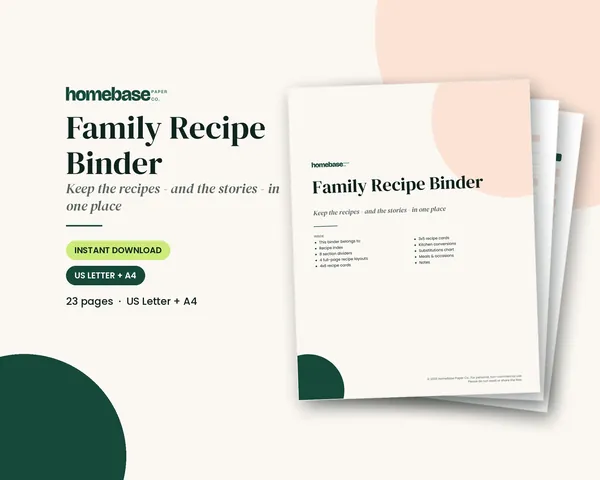
Family Recipe Binder
Section dividers, four recipe page layouts with room for the family story, 4x6 and 3x5 cards and a conversion chart - print it or type into the fillable version.
Prep time: 35 minCook time: 48 minTotal time: 1 hr 23 minServings: 6 servings
Jambalaya is a rice dish, not a stew. Everything, rice included, cooks in one heavy pot, so the rice absorbs the sausage drippings, tomato and spice. That is the difference from gumbo, which is a roux-thickened stew served over rice cooked on the side.
Jambalaya ingredients
Serves 6.
| Ingredient | Amount | Notes |
|---|---|---|
| Andouille sausage | 12 ounces | Sliced into 1/4-inch coins; most is smoked and fully cooked |
| Boneless chicken thighs | 1 pound | Cut into 1-inch pieces; breasts work too |
| Large shrimp | 1 pound | Peeled and deveined, tails off |
| Oil | 1 tablespoon | Only if the sausage is lean |
| Onion | 1 large, diced | About 1 1/2 cups |
| Green bell pepper | 1, diced | |
| Celery | 2 ribs, diced | |
| Garlic | 4 cloves, minced | |
| Creole or Cajun seasoning | 2 teaspoons | Plus more to taste; many blends are salted |
| Smoked paprika | 1 teaspoon | |
| Dried thyme | 1/2 teaspoon | |
| Cayenne | Pinch | Optional |
| Long-grain white rice | 1 1/2 cups | Not rinsed |
| Diced tomatoes | 1 can (14.5 ounces) | With their juice |
| Low-sodium chicken broth | 2 3/4 cups | |
| Bay leaves | 2 | |
| Green onions and parsley | 1/4 cup each, sliced | For the top |
| Hot sauce | To taste | At the table |
How to make jambalaya
- Brown the sausage. Heat a 5- to 6-quart Dutch oven or heavy pot over medium-high. Add the andouille and cook 4 to 5 minutes, stirring now and then, until the coins are browned. Move them to a bowl with a slotted spoon and leave the fat in the pot. Add the oil only if the pot looks dry.
- Brown the chicken. Season the chicken with 1 teaspoon of the Creole seasoning. Brown it in one layer, in two batches if needed, about 2 minutes per side. It does not need to be cooked through yet. Move it to the bowl with the sausage, then wash the tongs or use a clean spoon from here on.
- Cook the trinity. Lower the heat to medium. Add the onion, bell pepper and celery and cook 5 to 6 minutes, scraping up the browned bits, until soft. Stir in the garlic, the remaining seasoning, smoked paprika, thyme and cayenne for 30 seconds.
- Toast the rice. Add the rice and stir 1 to 2 minutes, until the grains are coated and a few look translucent at the edges.
- Add the liquid. Pour in the tomatoes with their juice and the broth. Add the bay leaves, then return the sausage, chicken and any juices from the bowl. Bring to a boil.
- Simmer covered. Turn the heat to low, cover tightly and cook 20 minutes without lifting the lid or stirring.
- Add the shrimp. Uncover, give the pot one gentle stir from the bottom, lay the shrimp on top and cover again. Cook 5 to 8 minutes, until the rice is tender, the liquid is absorbed and the shrimp are firm, pearly and opaque.
- Check and rest. Check the thickest piece of chicken with a food thermometer: it must read 165°F. Take the pot off the heat, remove the bay leaves and rest it covered for 5 minutes. Top with green onions and parsley.
Food safety for chicken, sausage and shrimp
Three proteins means three rules, and each one is checked differently. The FDA safe food handling chart, which matches the FoodSafety.gov table, lists 165°F for poultry, 160°F for ground meat such as raw sausage, and "flesh pearly and opaque" for shrimp.
| Protein | When it is done | How to check |
|---|---|---|
| Chicken thighs or breasts | 165°F | Food thermometer in the thickest piece, after the rice simmer |
| Smoked, fully cooked andouille | Already cooked; heated through with the pot | Read the package label |
| Raw or fresh pork sausage | 160°F | Food thermometer in a whole link before slicing, or in the thickest coin |
| Raw chicken or turkey sausage | 165°F | Food thermometer |
| Shrimp | Firm, pearly and opaque | Cut one large shrimp in half; no gray, translucent center |
Thaw frozen shrimp in the refrigerator overnight or, for a faster option, sealed in a bag under cold water. The FDA seafood guidance describes both methods and the pearly, opaque test for shrimp. Use one cutting board for the vegetables and a separate one for raw chicken and shrimp, and never put cooked sausage back in a bowl that held raw meat.
Creole vs. Cajun jambalaya and other swaps
This recipe is the red, Creole-style jambalaya, with tomatoes. Cajun-style, or brown, jambalaya leaves out the tomatoes and gets its color from a darker sear on the meat and the browned bits in the pot.
- Brown (Cajun-style): skip the tomatoes, use 3 1/4 cups broth, and brown the sausage and chicken longer, until the bottom of the pot is a deep fond.
- Chicken and sausage only: leave out the shrimp and add another 1/2 pound of chicken. Check the chicken for 165°F at the end of the 25-minute simmer.
- Shrimp only: use 1 1/2 pounds of shrimp and a vegetable broth, and add a little extra smoked paprika for the missing sausage flavor.
- Different sausage: smoked kielbasa is milder; smoked chicken andouille is leaner, so add the tablespoon of oil.
- Brown rice: use about 3 1/2 cups broth and simmer 40 to 45 minutes before adding the shrimp.
- Less heat: skip the cayenne and use a mild sausage; set out hot sauce instead.
- Okra: add 1 cup sliced okra with the trinity for a more vegetable-heavy pot.
For the same spice profile in a creamy, 30-minute skillet, see Cajun chicken pasta. That page is the pasta dinner; this one is the rice pot.
Troubleshooting jambalaya
- Rice still crunchy after 25 minutes: the lid may be loose or the heat too low. Add 1/4 cup hot broth, cover tightly and cook 5 more minutes.
- Mushy or gummy rice: too much liquid or too much stirring. Measure the broth, leave out any extra water if your rice is wet from rinsing, and stir only once.
- Scorched bottom: the heat was above low during the covered simmer, or the pot is thin. A heavy Dutch oven spreads heat. A little crust on the bottom is fine; a burnt smell is not, so do not scrape black bits into the rice.
- Too salty: sausage, broth and seasoning blends all carry salt. Use low-sodium broth and taste before adding any extra salt.
- Chicken under 165°F after the rice is done: cover and keep cooking on low a few minutes more, then check again. Do not serve by color.
- Rubbery shrimp: they sat on the heat too long. Next time, check at 5 minutes.
Make ahead, storage and reheating
Chop the onion, pepper, celery and garlic up to a day ahead and refrigerate them in a covered container. Slice the sausage ahead too. Keep raw chicken and shrimp in the refrigerator until you cook.
Refrigerate leftovers within 2 hours of cooking, or within 1 hour if it is above 90°F, as the FDA chart above says. Spread the jambalaya in shallow containers so the rice cools quickly instead of sitting warm in a deep pot. Eat refrigerated leftovers within 3 to 4 days and reheat portions to 165°F, the chart's number for leftovers and casseroles. A splash of broth keeps the rice from drying out in the microwave or skillet. Jambalaya freezes, but the shrimp and rice soften; for the best texture, freeze it without the shrimp and add fresh shrimp when you reheat.
What to serve with jambalaya
Jambalaya is a full meal in one pot. A crisp green salad, buttered cornbread or crusty French bread and a bottle of hot sauce are all the table needs. For a bigger spread, put it next to a pot of gumbo or a tray of roasted okra. Sliced green onions and lemon wedges brighten the shrimp.
What jambalaya costs and how to stretch it
Jambalaya is a budget-friendly way to feed six, because a pound and a half of rice and vegetables stretches 2 3/4 pounds of meat and shrimp across the whole pot. To spend less:
- Use chicken thighs instead of breasts; they are usually cheaper and stay moister.
- Buy frozen shrimp and thaw only what you need, or skip the shrimp for a chicken and sausage pot.
- Buy long-grain rice in a large bag. Our rice recipes page lists more cheap one-pot rice dinners and cook ratios.
- Plan the leftovers as lunch. Six servings from one pot can cover a dinner for four plus two lunches.
For the rest of the week, see meal planning on a budget, which walks through building a menu around what is already in your pantry.
Plan the week and save the recipe
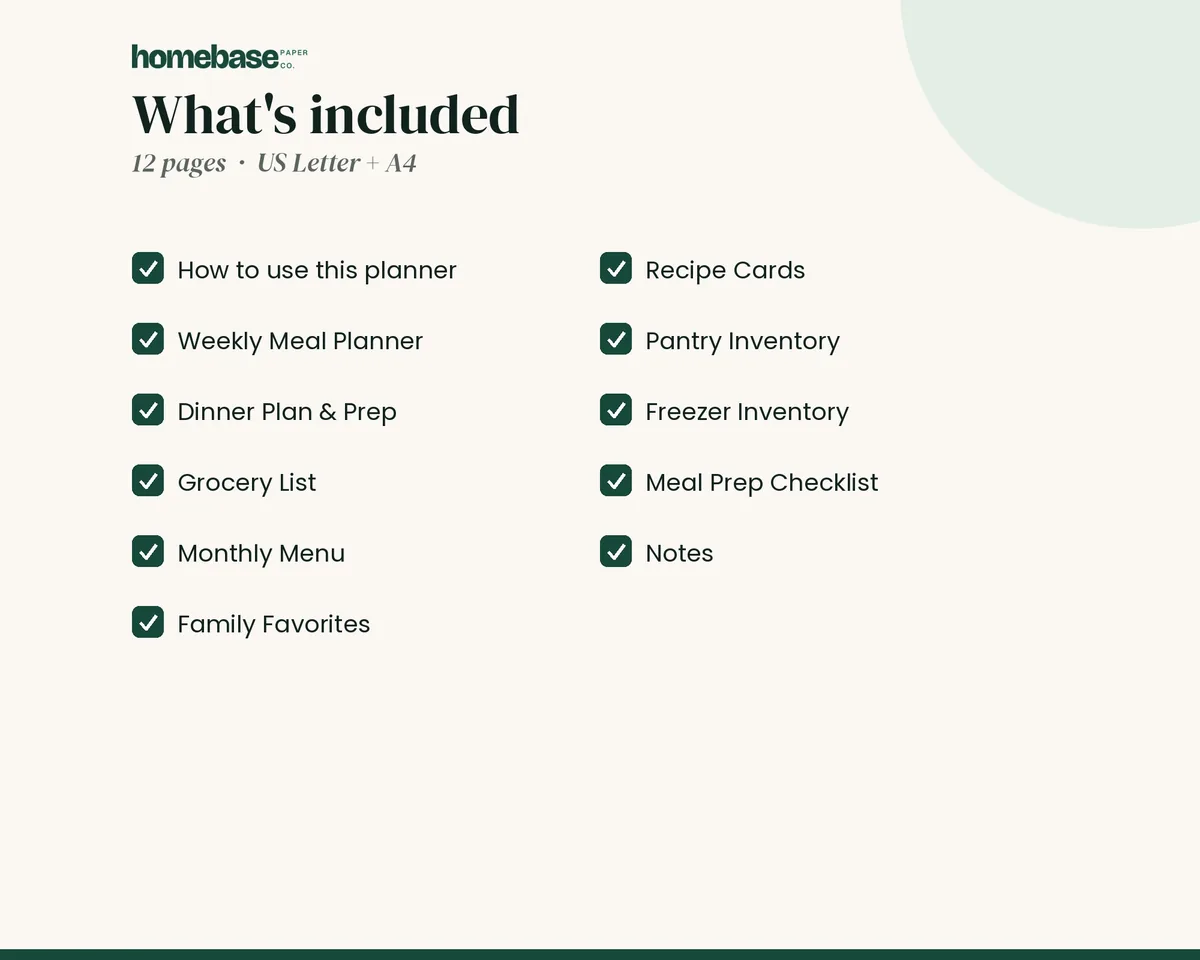
Write the jambalaya night on the menu so the sausage, shrimp and trinity go on one list.
- Meal Planner & Grocery List, $3.99. A weekly menu and an aisle-sorted grocery list.
- Family Recipe Binder, $6.99. Record your seasoning amount, your pot and how long your rice needed.
Browse more kitchen printables in the printables shop.
Want the starter pages by email? Get the free recipe book pages (we email them to you).
Frequently asked questions
How do you make jambalaya? Jambalaya is made by browning sausage and chicken, softening onion, celery and bell pepper in the drippings, then simmering long-grain rice in tomatoes and broth in the same pot. Shrimp go on top for the last 5 to 8 minutes. This version serves 6 in about 1 hour.
What temperature should the chicken in jambalaya reach? The chicken in jambalaya must reach 165°F in the thickest piece, checked with a food thermometer. That is the FDA and FoodSafety.gov minimum for all poultry. Check it after the rice is done, not after the first browning.
How do you know when the shrimp in jambalaya are done? Shrimp in jambalaya are done when the flesh is firm, pearly and opaque all the way through, which takes about 5 to 8 minutes on top of the hot rice with the lid on. Gray, translucent shrimp need more time.
What is the difference between Creole and Cajun jambalaya? Creole jambalaya is the red version, cooked with tomatoes, while Cajun jambalaya is the brown version, with no tomatoes and its color coming from well-browned meat and drippings. This recipe is Creole-style; the swaps section shows how to make it brown.
What is the difference between jambalaya and gumbo? Jambalaya cooks the rice in the pot with the meat and seasonings, while gumbo is a roux-thickened stew ladled over rice cooked separately. Jambalaya is closer to a pilaf; gumbo is closer to a soup.
Is andouille sausage already cooked? Most andouille sold in US grocery stores for jambalaya is smoked and fully cooked, so it only needs browning and reheating; check the package label. If yours is labeled raw or fresh, cook pork sausage to 160°F, or chicken and turkey sausage to 165°F.
What kind of rice is best for jambalaya? Long-grain white rice is best for jambalaya because it cooks in about 20 to 25 minutes and the grains stay separate. Brown rice needs more liquid and roughly twice the time, and parboiled or instant rice changes the liquid amounts, so follow the swap notes before substituting.
Why is my jambalaya mushy? Jambalaya turns mushy when there is too much liquid, when the pot is stirred while the rice steams, or when it simmers past the point the liquid is absorbed. Measure the broth, keep the lid on and stir only once, when the shrimp go in.
How long do jambalaya leftovers last? Jambalaya leftovers should be refrigerated within 2 hours of cooking, or within 1 hour if the air is above 90°F, and eaten within 3 to 4 days. Reheat portions to 165°F, checking the middle as well as the edges.
Can you freeze jambalaya? Jambalaya can be frozen in airtight containers, though the shrimp and rice soften after thawing. For best texture, freeze it within a day of cooking, thaw it in the refrigerator and reheat to 165°F with a splash of broth.
How spicy is jambalaya? Jambalaya is as spicy as the sausage and seasoning you choose. This recipe uses 2 teaspoons of Creole seasoning and an optional pinch of cayenne, which gives medium heat; leave out the cayenne for kids and pass hot sauce at the table.
How do I plan jambalaya into a week of dinners? The Meal Planner & Grocery List ($3.99) from HomeBase Paper Co. has a weekly menu and an aisle-sorted grocery list, so the sausage, shrimp, rice and vegetables for jambalaya land on one shopping trip.