


The short answer: these egg muffins bake seasoned eggs with vegetables and cheese in a muffin tin in about 30 minutes. Cook egg dishes to 160°F and refrigerate for grab-and-go breakfasts.
- Key numbers: 9 eggs · 12 muffin cups · 350°F · 18–22 min · 160°F center
- Top moves: grease well, pre-cook watery veggies, do not overfill, cool before storing
- Free and paid next step: get the free recipe book starter pages (we email it to you), or save your mix-ins in the Family Recipe Binder ($6.99).
Our picks for egg muffins
 Starter pick
Printables
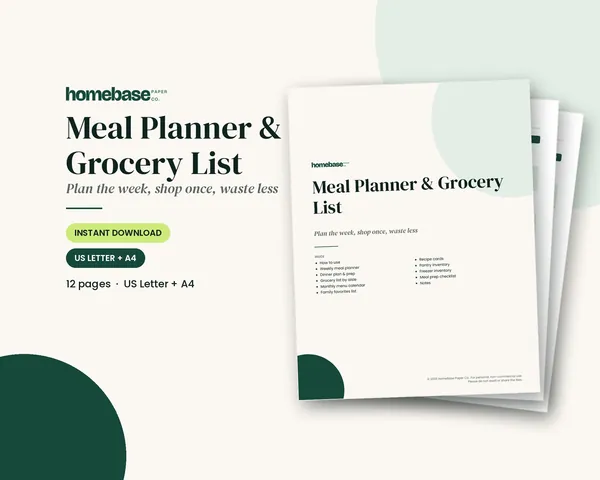
Meal Planner & Grocery List
Weekly meals, a grocery list sorted by aisle, and pantry and freezer inventories so you shop once and waste less.
Printables
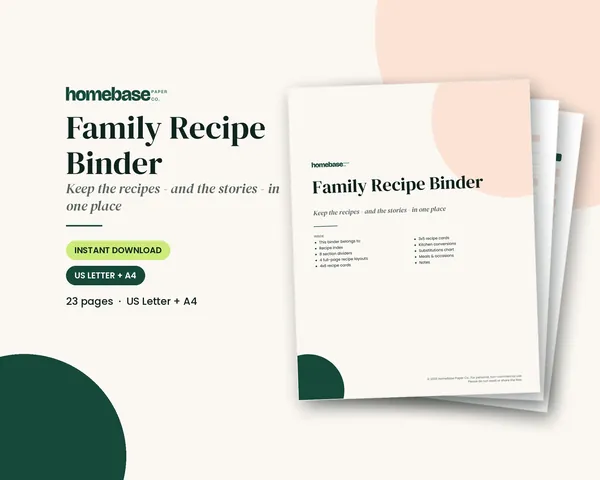
Family Recipe Binder
Section dividers, four recipe page layouts with room for the family story, 4x6 and 3x5 cards and a conversion chart - print it or type into the fillable version.
Amounts and methods for this egg muffins recipe were checked November 6, 2026. The sections below cover ingredients, bake method, mix-ins, storage and planning.
Egg muffins ingredients (12 cups)
| Ingredient | Amount | Notes |
|---|---|---|
| Large eggs | 9 | |
| Milk or water | ¼ cup | Optional softer set |
| Salt | ¾ teaspoon | |
| Black pepper | ¼ teaspoon | |
| Shredded cheese | ¾ cup | Cheddar or mozzarella |
| Baby spinach | 2 cups, chopped | Wilt first if very wet |
| Bell pepper | ½ cup, diced | Optional |
| Green onion | ¼ cup, sliced | Optional |
| Cooked bacon or sausage | ½ cup, crumbled | Optional, cooked |
| Oil or spray | For the tin |
How to make egg muffins
- Heat the oven. 350°F. Grease a 12-cup muffin tin well or use silicone liners.
- Prep mix-ins. Sauté watery vegetables (spinach, mushrooms, peppers) a few minutes so they release moisture. Cool slightly. Divide vegetables and cooked meat among the cups.
- Whisk. Beat eggs with milk, salt and pepper until combined.
- Fill. Pour egg mixture into cups about ¾ full. Sprinkle cheese on top.
- Bake. 18 to 22 minutes until centers are set and egg dishes reach 160°F. Cool 5 minutes, then loosen and move to a rack.
USDA notes on shell eggs from farm to table cover safe handling; refrigerate egg muffins promptly after cooling.
Money-saving tip: eggs and frozen spinach make a week of breakfasts for less than most drive-through stops.
Mix-in ideas
| Style | Add |
|---|---|
| Garden | Spinach, tomato (drained), feta |
| Southwest | Pepper, onion, cheddar, salsa after baking |
| Meat lovers | Cooked sausage + cheddar |
| Mushroom Swiss | Sautéed mushrooms + Swiss |
| Dairy-free | Herbs + roasted vegetables, no cheese |
For related breakfasts, see egg bites, scrambled eggs, high protein breakfast and quick breakfast ideas. For a full week built around one carton, see our egg recipes for breakfast, lunch and dinner.
Storing, reheating and freezing
Refrigerate within 2 hours. USDA says cooked leftovers keep about 3 to 4 days. Reheat until hot. Freeze extras; thaw overnight or reheat from frozen until steaming. Cold food storage charts help with fridge planning.
Plan the shopping and save the recipe
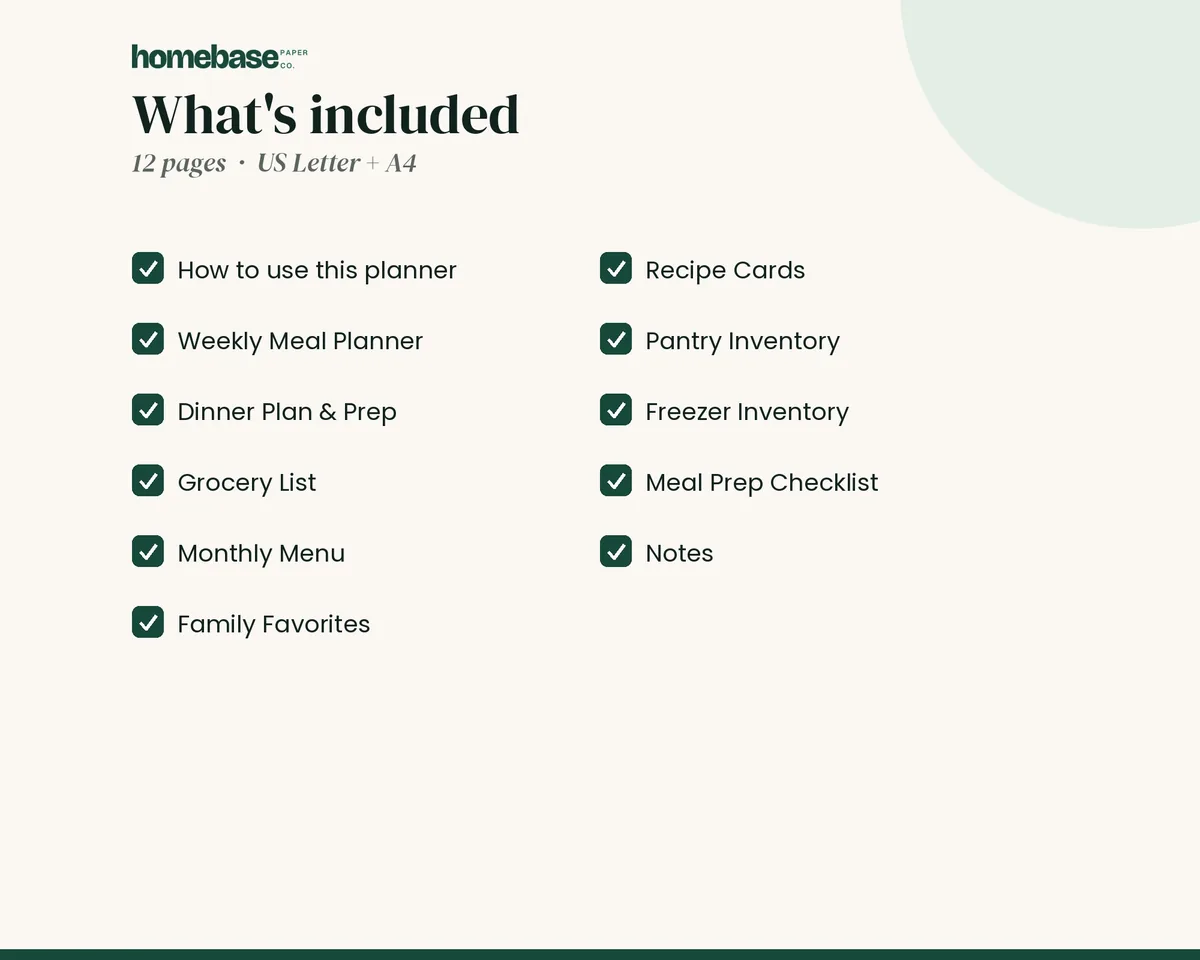
Write the meal on the week plan so the ingredients are already in the cart.
- Meal Planner & Grocery List, $3.99. A weekly menu, aisle-sorted grocery list and pantry inventory.
- Family Recipe Binder, $6.99. Keep your spice mix and timing notes with your other family recipes.
Browse more kitchen printables in the printables shop. Pair this with easy dinner ideas or meal planning on a budget.
Want free starter pages before you buy a binder? Get the free recipe book pages (we email it to you).
Frequently asked questions
What are egg muffins? Egg muffins are whisked eggs baked in a muffin tin with mix-ins like vegetables, cheese and cooked meat. They are a make-ahead breakfast you can reheat on busy mornings.
How do you make egg muffins? Grease a muffin tin, divide cooked vegetables or meat among the cups, pour in seasoned beaten eggs, add cheese, and bake at 350°F until set and the eggs reach a safe 160°F. Cool, then refrigerate or freeze.
What temperature should egg muffins reach? Cook egg dishes to 160°F, the safe minimum for egg dishes on FoodSafety.gov charts. The centers should look set, not wet and runny.
How do I keep egg muffins from sticking? Use a well-greased nonstick muffin tin, silicone liners or a light spray of oil. Let them cool 5 minutes before loosening with a thin spatula.
How long do egg muffins last in the fridge? USDA guidance says cooked leftovers keep about 3 to 4 days in the refrigerator. Store in a covered container and reheat until hot throughout.
Can you freeze egg muffins? Yes, you can freeze egg muffins. Cool completely, freeze on a tray, then bag. Reheat from frozen in the microwave or a 325°F oven until steaming hot. Best quality within about 1 to 2 months.
Are egg muffins the same as egg bites? Egg muffins and egg bites are close cousins, but they are not quite the same. Egg bites are often blended smoother (sometimes with cottage cheese) and can be steamed. Egg muffins are usually a simpler whisk-and-bake cup. See our egg bites page for the blended style.
What mix-ins work best? Spinach, peppers, onions, mushrooms, cooked bacon or sausage, ham and shredded cheese all work. Cook watery vegetables first so the muffins are not soggy.
Can egg muffins be dairy-free? Yes, egg muffins can be dairy-free. Skip cheese or use a dairy-free shred. The eggs still set. Add herbs and sautéed vegetables for flavor.
How many eggs for a dozen muffins? About 8 to 10 large eggs fill a standard 12-cup muffin tin with mix-ins. Whisk with a splash of milk or water if you want a slightly softer set.
How do I plan egg muffins into a week of breakfasts? The Meal Planner & Grocery List ($3.99) from HomeBase Paper Co. has a weekly menu and an aisle-sorted shopping list, so eggs, spinach and cheese land on one trip. Bake on Sunday for grab-and-go mornings.
Where can I save my family's egg muffin mix-ins? The Family Recipe Binder ($6.99) from HomeBase Paper Co. has fillable recipe pages and dividers, so your favorite vegetable and cheese combos stay with your other breakfast recipes. It prints at home on US Letter paper.
Sources
- FoodSafety.gov: Safe minimum internal temperatures foodsafety.gov
- USDA FSIS: Leftovers and food safety fsis.usda.gov
- FoodSafety.gov: Cold food storage charts foodsafety.gov
- USDA FSIS: Shell eggs from farm to table fsis.usda.gov