

The short answer: a fresh fruit salad is about 10 cups of cut fruit, a mix of berries, pineapple, grapes, kiwi and mango, tossed with a 3-ingredient honey-lime dressing. It takes about 20 minutes, serves 8 as a side, and holds up best if you dress it within an hour of serving.
- Key numbers: 10 cups fruit · 3 tbsp honey · 2 tbsp lime juice · 1 tsp lime zest · serves 8 · keep cold
- Top moves: wash and dry all fruit, cut to bite size, sturdy fruit first, soft fruit and bananas last
- Next step: get the free recipe book starter pages (we email it to you), or keep your family's fruit mix in the Family Recipe Binder ($6.99)
Our picks for fruit salad
 Starter pick
Printables
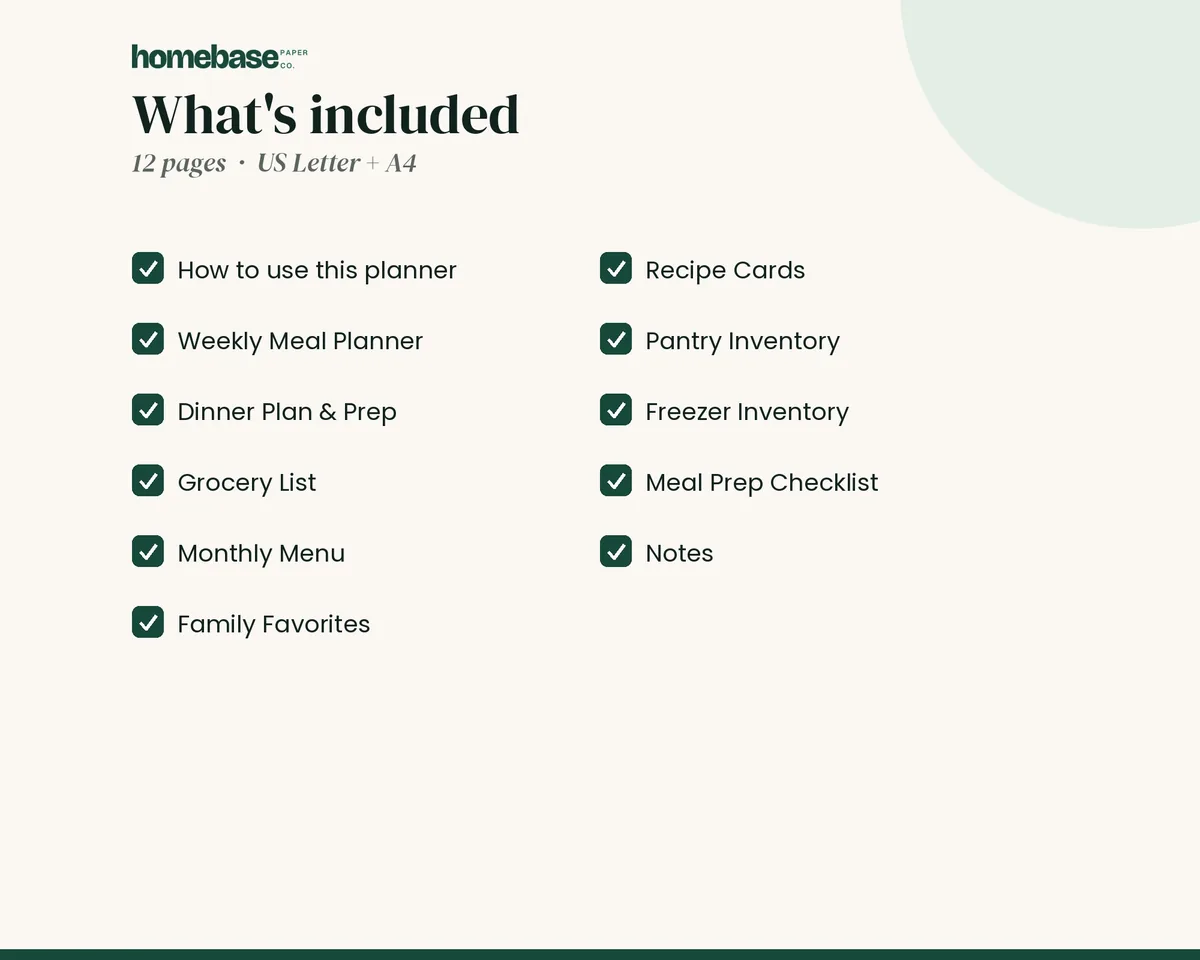
Meal Planner & Grocery List
Weekly meals, a grocery list sorted by aisle, and pantry and freezer inventories so you shop once and waste less.
Printables
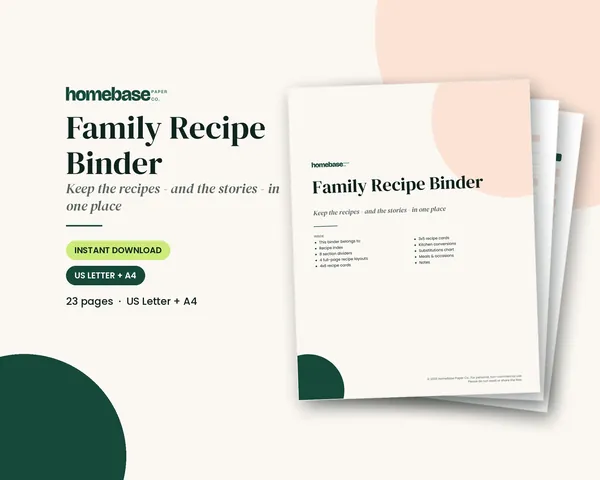
Family Recipe Binder
Section dividers, four recipe page layouts with room for the family story, 4x6 and 3x5 cards and a conversion chart - print it or type into the fillable version.
Prep time: 20 minCook time: 0 minTotal time: 35 minServings: 8 servingsTotal includes 15 min of resting, chilling or rising.
This is fresh fruit with a light dressing, the kind that goes next to pancakes or burgers. Creamy, whipped-topping dessert salads are a different dish; for that style see Watergate salad.
Fruit salad ingredients
| Ingredient | Amount | Notes |
|---|---|---|
| Strawberries | 2 cups, hulled and quartered | About 1 pound |
| Pineapple | 2 cups, cut in 3/4-inch chunks | About half a medium pineapple |
| Seedless grapes | 2 cups, halved if large | Red, green or both |
| Blueberries | 1 cup | |
| Mango | 1 large, cubed | About 1 1/2 cups |
| Kiwi | 3, peeled and sliced | About 1 cup |
| Mandarin oranges or clementines | 2, segmented | Or 1 can, drained |
| Honey | 3 tablespoons | Or maple syrup |
| Fresh lime juice | 2 tablespoons | 1 to 2 limes |
| Lime zest | 1 teaspoon | Zest before juicing |
| Fresh mint | 1 tablespoon, thinly sliced | Optional |
Makes about 10 cups. Serves 8 as a side dish.
How to make fruit salad
- Wash your hands, then wash all the fruit under cool running water, including the pineapple, mango, kiwi and citrus you will peel. Scrub firm skins with a clean produce brush. Leave strawberries whole until after washing so water does not soak into the cut fruit.
- Dry everything well on a clean towel or paper towels. Wet fruit dilutes the dressing and makes the bowl watery.
- Cut away any bruised or damaged spots. Hull and quarter the strawberries, cut the pineapple and mango into 3/4-inch pieces, halve large grapes, and peel and slice the kiwi.
- Whisk the honey, lime juice and lime zest in a small bowl. If the honey is thick, warm it for a few seconds first so it blends.
- Put the pineapple, grapes and mango in a large bowl. Add the strawberries, blueberries, kiwi and orange segments on top.
- Pour the dressing over and fold gently with a large spoon, lifting from the bottom so the berries do not crush.
- Refrigerate 15 to 30 minutes, then fold once more, sprinkle with mint and serve cold.
The FDA produce safety page says to wash all produce thoroughly under running water, not to use soap, detergent or commercial produce wash, and to wash produce first even if you do not plan to eat the skin. A knife pulled through an unwashed melon or pineapple rind can carry whatever is on the outside into the fruit.
Choosing the fruit
The best fruit salad balances sturdy fruit, which holds its shape for hours, with soft fruit, which brings color and juice but breaks down faster.
| Type | Fruits | When to add |
|---|---|---|
| Sturdy | Pineapple, grapes, apples, cantaloupe, honeydew | First; can be cut the day before |
| Medium | Strawberries, blueberries, mango, oranges, kiwi | Same day, at assembly |
| Soft | Raspberries, blackberries, bananas, peaches | Right before serving |
| Very juicy | Watermelon | Serve separately, or add just before eating |
Use what is in season. In summer, swap in peaches, cherries, watermelon and blackberries. In fall and winter, lean on apples, pears, grapes, citrus, pomegranate seeds and kiwi, which are available year-round in most stores. Keep the total near 10 cups and the dressing amount stays right.
Fruit salad dressings
The honey-lime dressing is the default because the lime keeps apples and pears from browning and the honey rounds out tart berries. Other easy dressings for the same 10 cups:
- Orange honey: 1/4 cup orange juice, 2 tablespoons honey, 1 teaspoon orange zest.
- Poppy seed: 3 tablespoons honey, 2 tablespoons lemon juice, 1 teaspoon poppy seeds.
- Vanilla yogurt: 3/4 cup vanilla yogurt thinned with 1 tablespoon honey; fold in just before serving.
- Mint lime syrup: simmer 1/4 cup sugar with 1/4 cup water until dissolved, cool, then add lime juice and chopped mint.
- No dressing: a squeeze of citrus alone is enough when the fruit is very ripe.
Fruit salad variations
- Breakfast bowl: spoon over plain or Greek yogurt with granola.
- Tropical: pineapple, mango, papaya, banana and toasted coconut with lime.
- Berry: strawberries, blueberries, raspberries and blackberries with lemon and a little sugar.
- Kid-friendly: grapes, apples, bananas, mandarin oranges and strawberries with no zest or mint.
- Melon: cantaloupe, honeydew and watermelon balls with mint and lime, served the day it is made.
Make-ahead and storage
Fruit salad is best the day it is made. You can still split the work:
- The day before: wash, dry and cut pineapple, grapes, melon and mango. Refrigerate in covered containers. Mix the dressing and refrigerate it separately.
- Up to 4 hours ahead: combine the sturdy fruit with strawberries, blueberries, kiwi and citrus. Cover and refrigerate.
- Just before serving: add bananas, raspberries and the dressing.
Leftovers keep about 2 to 3 days covered in the refrigerator. Drain off the liquid that collects at the bottom before serving again; that juice is good blended into a smoothie. The FDA cleaning tips say to keep perishable produce in the refrigerator at or below 40°F and to choose pre-cut fruit, such as watermelon slices, that is refrigerated or kept on ice.
Serving fruit salad at a party or picnic
Cut fruit is a perishable food, so treat it like potato salad on a buffet. The FDA outdoor eating guidance says perishable picnic food should not sit in the 40°F to 140°F danger zone for more than 2 hours, or 1 hour if it is above 90°F outside. For a long party:
- Set the serving bowl inside a larger bowl of ice.
- Put out half the salad and keep the rest in the refrigerator or cooler.
- Swap in a fresh bowl rather than adding cold fruit to warm fruit.
Plan about 1 cup per person as a side, or 1/2 cup when it is one of several dishes at a brunch or potluck. Fruit salad pairs well with a pancake recipe breakfast, grilled burgers and chicken, and other cookout sides from our salad recipes collection.
Troubleshooting fruit salad
- Watery bowl: fruit was wet, dressed too early, or included watermelon. Dry fruit well and dress within an hour of serving.
- Mushy berries: they were stirred too hard or added too early. Fold gently and add soft fruit last.
- Brown apples or bananas: toss them in lime or lemon juice right after cutting.
- Bland: the fruit was underripe. Add a little more honey and lime, or a pinch of salt, which brightens sweetness.
- Too sweet: add more lime juice and some tart fruit like green grapes or kiwi.
- Overripe leftovers: blend them into a smoothie; see our healthy smoothie recipes.
Making fruit salad on a budget
The price of fruit salad depends almost entirely on which fruit you buy. In-season fruit is usually the better value, and sturdy staples like apples, grapes, bananas, oranges and pineapple tend to cost less per cup than raspberries or out-of-season berries. Frozen fruit does not work here; it softens as it thaws.
Build the bowl around two or three lower-cost base fruits, then add one or two pricier fruits for color. Whole pineapple and melon usually cost less per cup than pre-cut containers if you have 10 minutes to cut them. Tracking what fruit really costs at your stores with a grocery price book shows which swaps save the most. More strategies are in how to grocery shop on a budget.
Want a lighter sweet after dinner? Browse our lighter healthy desserts for 20 treats under 280 calories.
Plan the menu
One 10-cup bowl covers a brunch for 8, or a week of breakfast sides for a family of 4 if you keep the soft fruit separate. If you want to turn a fruit course into dessert, plan strawberry shortcake as a separate option.
- Meal Planner & Grocery List, $3.99. A weekly menu and an aisle-sorted grocery list, so the produce for the week lands on one trip.
- Family Recipe Binder, $6.99. Write down your family's fruit mix and the dressing ratio you like.
Browse more kitchen printables in the printables shop.
Want the starter pages by email? Get the free recipe book pages (we email them to you).
Frequently asked questions
What fruits go in a fruit salad? A good fruit salad mixes sturdy fruits like pineapple, grapes and melon with softer ones like strawberries, blueberries, kiwi and mango. Aim for different colors and textures, and add soft fruits like bananas and raspberries just before serving.
How do you keep fruit salad from turning brown? Fruit salad stays bright when apples, pears and bananas are tossed in citrus juice right after cutting. The lime juice in a honey-lime dressing does this for the whole bowl. Add bananas last, just before serving.
How far ahead can you make fruit salad? Fruit salad can be made up to about 4 hours ahead and refrigerated. Cut and refrigerate the sturdy fruit the day before if needed, then add berries, kiwi, bananas and the dressing close to serving.
How long does fruit salad last in the fridge? Fruit salad lasts about 2 to 3 days in a covered container in the refrigerator. It is best on day one; berries soften and the bowl gets juicy over time. Drain the liquid before serving leftovers.
What is a good dressing for fruit salad? A simple fruit salad dressing is 3 tablespoons honey, 2 tablespoons fresh lime juice and 1 teaspoon lime zest. Orange juice, a little vanilla, or chopped fresh mint are easy variations.
Should you wash fruit before making fruit salad? All fruit for fruit salad should be washed under running water, even fruit you will peel like melons, pineapple and oranges. The FDA says not to use soap or produce wash and to scrub firm produce such as melons with a clean brush.
How do you keep fruit salad from getting watery? Fruit salad gets watery when it is dressed too early or made with very juicy fruit like watermelon and oranges. Dry the washed fruit well, add the dressing within an hour of serving, and keep watermelon in a separate bowl if it will sit.
Can fruit salad sit out at a party? Fruit salad should not sit out more than 2 hours, or 1 hour when it is above 90°F outdoors. Set the bowl in a larger bowl of ice and refill it from the refrigerator instead of leaving one big bowl out.
What is the difference between fruit salad and ambrosia or Watergate salad? Fruit salad is fresh cut fruit with a light dressing. Ambrosia and Watergate salad are creamy dessert salads made with whipped topping, marshmallows and canned fruit, and they sit closer to dessert.
How much fruit salad do I need for a crowd? Plan about 1 cup of fruit salad per person as a side, or 1/2 cup when it is one of several desserts or brunch dishes. This 10-cup recipe serves 8 as a side or 16 to 20 on a buffet.