

The short answer: good kitchen organization ideas save time every day, and you don't need a remodel: a weekend of decluttering, a few organizers and a system for where everything lives.
- 6 steps: empty, declutter, clean, group, assign zones, contain and label
- Zones: prep, cooking, cleanup, food storage and pantry
- 30 ideas by area, plus small-kitchen tips
- A weekly routine keeps it organized
- Next step: Plan it with the Meal Planner & Grocery List ($3.99).
Good kitchen organization ideas save you time every single day: fewer minutes hunting for a lid, less food going bad in the back of the fridge, and counters you can actually cook on. You do not need a remodel. Most kitchens get dramatically easier to use with a weekend of decluttering, a few simple organizers and a system for where everything lives. Below you will find a step-by-step plan, 30 kitchen organization ideas by area, small-kitchen tips, a fridge layout based on the FDA's food storage advice and a weekly routine to keep it all working.
Kitchen organization in 6 steps
- Empty one area at a time. Do one cabinet, drawer or shelf, not the whole room.
- Declutter. Toss expired food and broken tools, donate duplicates and move rarely used items elsewhere.
- Clean. Wipe the inside of each cabinet and drawer before anything goes back.
- Group like with like. Baking supplies together, food storage together, cleaning supplies together.
- Assign zones. Put each group where you use it (see the table below).
- Contain and label. Add dividers, bins and labels so things go back in the same spot.
Set up kitchen zones
Zones put items where you use them, which cuts down steps while you cook.
| Zone | Where | What goes there |
|---|---|---|
| Prep | Largest stretch of counter, ideally between sink and stove | Knives, cutting boards, mixing bowls, measuring cups |
| Cooking | Beside and under the stove | Pots, pans, lids, spatulas, oils, spices |
| Cleanup | Around the sink and dishwasher | Dish soap, towels, trash and recycling, everyday dishes and glasses |
| Food storage | Near the fridge | Containers, wraps, bags, lunch supplies |
| Pantry | Pantry or cabinets near the fridge | Dry goods, snacks, canned food, baking supplies |
| Coffee or drinks | A corner of counter with an outlet | Coffee maker, mugs, tea, filters |
| Rarely used | High shelves, a closet or the basement | Holiday platters, roasting pan, specialty appliances |
30 kitchen organization ideas by area
Cabinets
- Add shelf risers to double the usable space for plates and mugs.
- Use a lazy Susan in corner cabinets for oils, vinegars and sauces.
- Stand baking sheets and cutting boards on end with a file organizer or tension rods.
- Store pot lids on a door-mounted rack or in a dish rack.
- Nest mixing bowls and measuring cups to save space.
- Put pull-out bins in deep lower cabinets so nothing gets lost in the back.
- Mount hooks inside cabinet doors for measuring spoons and oven mitts.
Drawers
- Use adjustable drawer dividers so utensils stay in place.
- Give each drawer one job: utensils, tools, wraps, towels.
- Store knives in an in-drawer block if you want clear counters.
- Keep spices in a drawer with a tiered insert and labels on top.
- Limit the junk drawer to one small, divided drawer.
Pantry
- Decant staples like flour, rice and pasta into clear airtight containers.
- Group food into labeled bins: breakfast, snacks, baking, dinners, canned.
- Use turntables for jars and condiments.
- Put kids' snacks on a low shelf they can reach.
- Keep a pantry inventory on the door so you know what you have.
- Use door racks for spices, foil and small packets.
Fridge and freezer
- Keep raw meat on the bottom shelf in a container to catch drips.
- Use clear bins for cheese, snacks and leftovers.
- Put leftovers at eye level with a date label.
- Freeze food flat in bags and file them upright like books.
- Keep a freezer inventory on the freezer door.
Counters and walls
- Keep only daily items on the counter.
- Hang a magnetic knife strip or a rail with S-hooks for tools.
- Add a pegboard for pans and utensils in a small kitchen.
- Use a tray to corral oil, salt and pepper by the stove.
Under the sink
- Add a two-tier sliding organizer for cleaning supplies.
- Hang spray bottles on a tension rod.
- Line the cabinet with a waterproof mat to catch leaks.
Kitchen organizers worth buying (and free swaps)
You do not need a cart full of matching bins. Measure first, buy for the problem you actually have, and try a free swap before you spend.
| Problem | Organizer that helps | Free or cheap swap |
|---|---|---|
| Stacks of plates and mugs | Shelf riser | A sturdy box or second shelf from another cabinet |
| Lost bottles in a corner cabinet | Lazy Susan or turntable | A rimmed baking sheet you can slide out |
| Messy utensil drawer | Adjustable drawer dividers | Cut-down cereal boxes or shoeboxes |
| Lids everywhere | Lid rack | A dish drying rack inside the cabinet |
| Baking sheets falling over | Vertical file organizer | Two tension rods |
| Pantry chaos | Clear labeled bins | Reused jars and boxes with masking tape labels |
| Spray bottles under the sink | Tension rod or sliding organizer | A tension rod from a closet |
| Cluttered counters | Wall rail or magnetic strip | A single tray to corral daily items |
Buy organizers after you declutter, not before. Many people find they need fewer bins once the extras are gone.
How to organize your refrigerator
The fridge is where organization and food safety meet. The FDA recommends keeping the refrigerator at 40°F or below and the freezer at 0°F, and checking with appliance thermometers. It also advises not to overcrowd the fridge, since cold air needs room to circulate, to store eggs in their original carton in the main compartment rather than the door, and to wipe up spills right away.
| Fridge area | What to store there |
|---|---|
| Door | Condiments, juice, water, butter (not eggs or milk) |
| Upper shelves | Leftovers, drinks, ready-to-eat foods, herbs |
| Middle shelves | Eggs in their carton, dairy, deli meat |
| Bottom shelf | Raw meat, poultry and seafood in containers |
| Crisper drawers | Fruits in one, vegetables in the other |
Date your leftovers. FoodSafety.gov's cold storage chart lists leftover cooked meat or poultry at 3 to 4 days in the fridge and opened deli meat at 3 to 5 days, so labels help you use things before they go bad.
Small kitchen organization ideas
- Go vertical: shelf risers, wall shelves, pegboards and over-the-door racks.
- Use the side of the fridge for a magnetic spice rack or paper towel holder.
- Add a rolling cart in a gap beside the fridge for pantry items.
- Choose nesting and collapsible bowls, colanders and measuring cups.
- Hang mugs under a cabinet on hooks.
- Store rarely used items elsewhere, like holiday platters in a closet.
- Cut duplicates. One good spatula beats four drawer-cloggers.
Keep it organized with a weekly routine
The same zones-and-labels method works in the bedroom; see our step-by-step closet organization guide.
| When | Task | Time |
|---|---|---|
| Every night | Clear counters, run the dishwasher, wipe the stove | 10 minutes |
| Before you shop | Check the fridge, toss old leftovers, update the pantry list | 10 minutes |
| Weekly | Wipe fridge shelves and handles, empty the trash and recycling | 15 minutes |
| Monthly | Reset one cabinet or drawer that has drifted | 15 minutes |
| Twice a year | Declutter the pantry and spices, check expiration dates | 1 hour |
If organization changes will not solve the layout problem, use our kitchen remodel cost guide to compare a surface refresh with cabinet replacement.
Printables that keep the system running
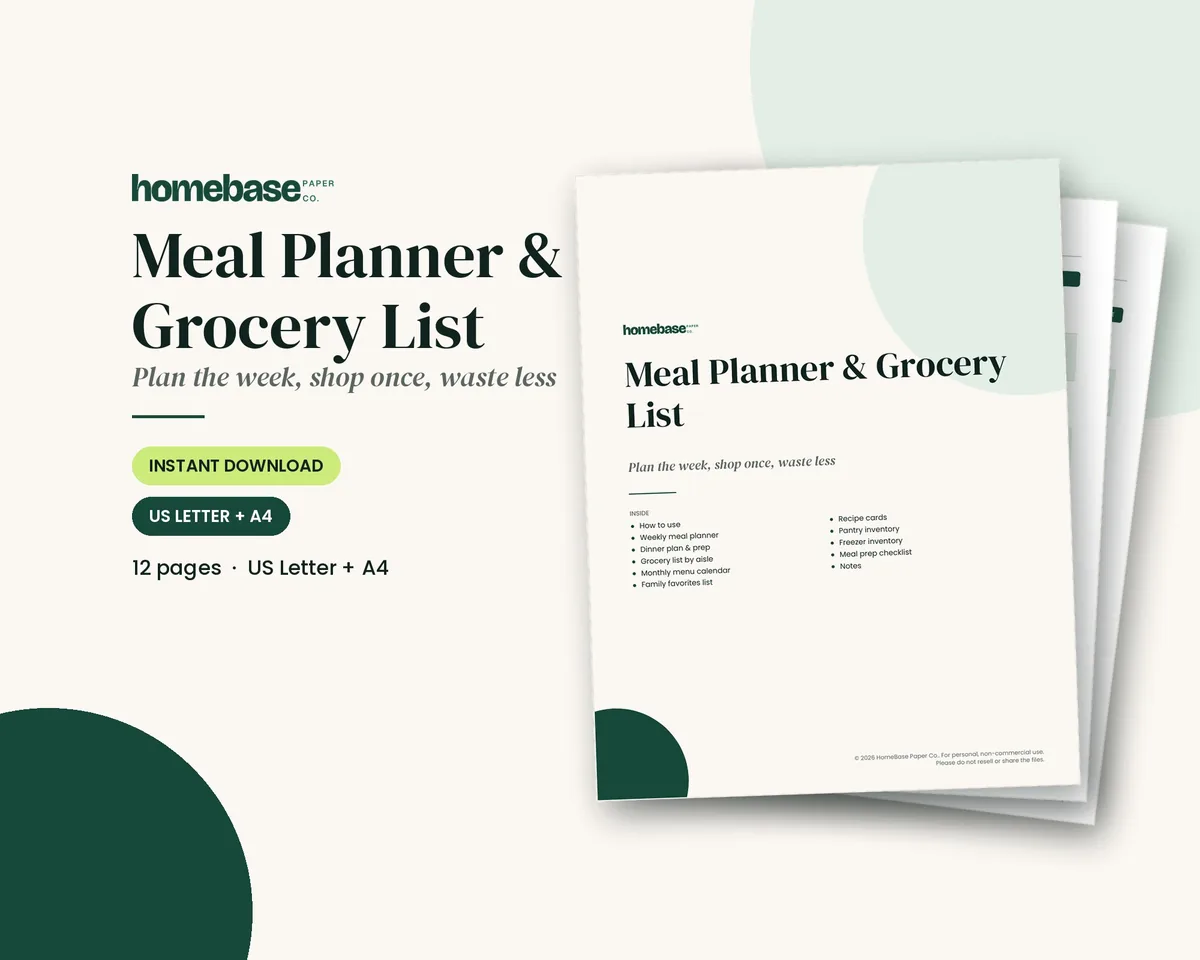
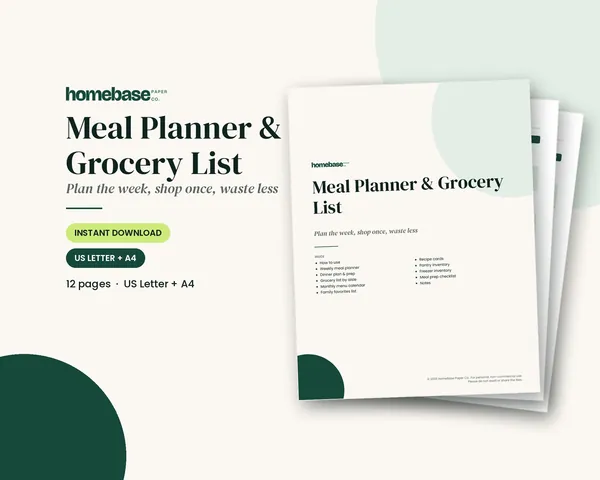
An organized kitchen stays organized when you shop and cook with a plan. The Meal Planner & Grocery List ($3.99) is a 12-page printable in US Letter and A4 with a weekly meal planner, a dinner plan and prep page, a grocery list sorted by aisle, a monthly menu calendar, recipe cards and pantry and freezer inventories, plus a meal prep checklist.
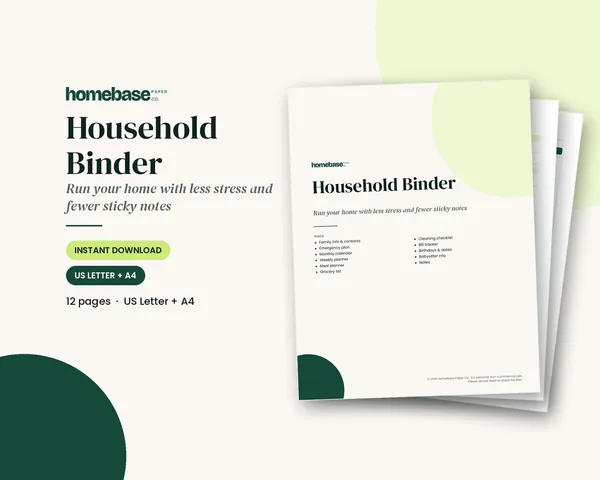
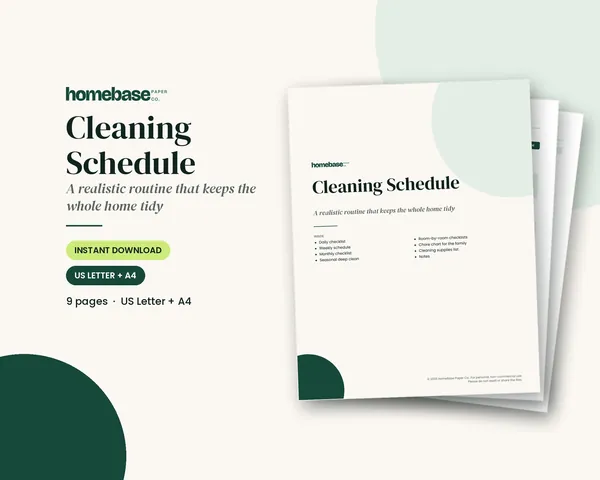
For the rest of the house, the Household Binder ($6.99) keeps family info, calendars, a meal planner, a grocery list and a weekly cleaning page in one place, and the Cleaning Schedule ($4.49) has daily, weekly, monthly and seasonal lists room by room. The Home Management Bundle is $16.99 for six home printables that cost $32.94 separately, including the household binder and cleaning schedule.
Take the next step with our guide to pantry organization, our free pantry inventory list and kitchen cleaning checklist. When it is time to shop, use our grocery list template. All kitchen systems guides are grouped in kitchen organization.
Make it easier
Tools for this
 Starter pick
Printables
Meal Planner & Grocery List
Weekly meals, a grocery list sorted by aisle, and pantry and freezer inventories so you shop once and waste less.
Printables
Household Binder
Family info, emergency plan, calendars, meals, groceries, cleaning, bills and sitter notes.
Printables
Cleaning Schedule
Daily, weekly, monthly and seasonal lists - plus a family chore chart.
Frequently asked questions
What are the best kitchen organization ideas? The best kitchen organization ideas start with decluttering, then grouping items into zones by how you use them: prep, cooking, cleanup, storage and coffee or snacks. Add drawer dividers, shelf risers, a lazy Susan, clear bins in the pantry and hooks or a rail for daily tools. Label everything so it goes back in the same spot.
How do I start organizing my kitchen? Start with one area, such as a single cabinet or drawer, not the whole kitchen. Empty it, wipe it down, toss expired or broken items, donate duplicates and put back only what you use. Place everyday items where they are easiest to reach and move rarely used things up high or to another room.
How do I organize a small kitchen? To organize a small kitchen, use vertical space first: shelf risers, over-the-door racks, a pegboard or magnetic knife strip and hooks under cabinets. Keep counters clear except for daily items, nest bowls and pans, and use stackable clear containers. Limit duplicates and store holiday or rarely used pieces outside the kitchen. A pantry list also stops duplicate buys from eating your space: the Meal Planner & Grocery List ($3.99) includes Pantry Inventory and Freezer Inventory pages.
What should go in each kitchen cabinet? Put dishes and glasses in the cabinet closest to the dishwasher or sink, pots and pans near the stove, mixing bowls and measuring tools near the main prep counter, food storage containers near where you pack lunches and spices close to the stove but not directly above it, where heat and steam can reach them.
How do I organize kitchen drawers? To organize kitchen drawers, give each drawer one job, such as utensils, cooking tools, wraps and bags, or towels. Use adjustable drawer dividers or small trays so items do not slide around. Keep the top drawer nearest the prep area for the tools you use daily and limit the junk drawer to one small, divided drawer. To keep drawers tidy, add a five-minute drawer reset to your weekly routine; the Cleaning Schedule ($4.49) has a Weekly Cleaning Schedule and Room-by-Room Checklists to write it on.
How do I organize under the kitchen sink? Organize under the kitchen sink by clearing everything out, checking for leaks, and lining the cabinet with a waterproof mat. Use a two-tier sliding organizer or small bins for cleaning supplies, a tension rod to hang spray bottles and a caddy you can carry room to room. Keep chemicals in their original containers and use a child lock if you have small kids. The Cleaning Supplies page in the Cleaning Schedule helps you track what's stored there.
How should I organize my refrigerator? Keep the fridge at 40°F or below and the freezer at 0°F, per the FDA, and use appliance thermometers to check. Store raw meat on the bottom shelf in containers, keep eggs in their carton on a shelf rather than the door, and leave space so cold air can circulate. Clear bins group snacks, cheese and leftovers.
How do I keep my kitchen counters clear? Keep only the items you use every day on the counters, such as the coffee maker, a knife block or a utensil crock. Give mail, keys and paper a spot outside the kitchen, store small appliances you use weekly in a nearby cabinet and do a quick reset of the counters each night before bed.
What are cheap kitchen organization ideas? Cheap kitchen organization ideas include reusing jars for dry goods, using shoeboxes or cereal boxes cut down as drawer dividers, adding tension rods to stand up baking sheets, hanging a few adhesive hooks, using a dish rack for lids and labeling shelves with masking tape and a marker.
How do I organize kitchen cabinets with no pantry? Organize kitchen cabinets with no pantry by picking one or two upper cabinets near the fridge as your pantry and using shelf risers, turntables and clear bins to keep food visible. Add a rolling cart in a gap beside the fridge, an over-the-door rack on a nearby closet or a freestanding shelf. Store backstock outside the kitchen if needed, and list it on the Pantry Inventory page of the Meal Planner & Grocery List.
How often should I declutter my kitchen? A quick weekly check of the fridge before you shop keeps leftovers from piling up. Clear out the pantry and spices every three to six months, and do a deeper declutter of cabinets and drawers once or twice a year. Many people do one before the holidays and one in spring.
How does meal planning help kitchen organization? Meal planning means you buy only what you need for the week, so the fridge and pantry stay less crowded and less food goes to waste. Keeping a pantry and freezer inventory lets you see what you have before you shop, and an aisle-sorted grocery list makes restocking each zone faster.
More from HomeBase
You may also like
Printables
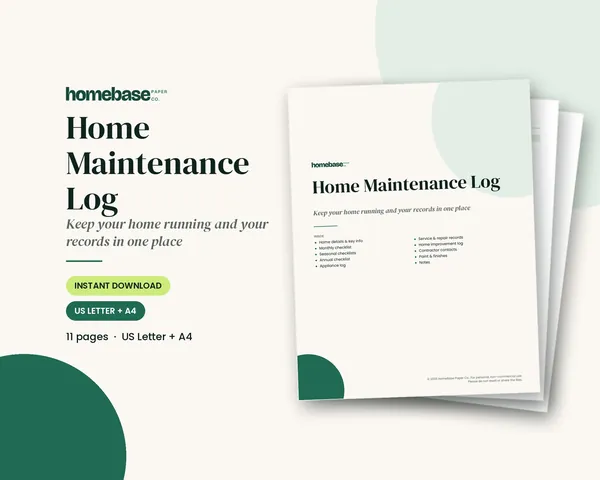
Home Maintenance Log
Monthly, seasonal and annual checklists plus a record of every appliance and repair.
Printables
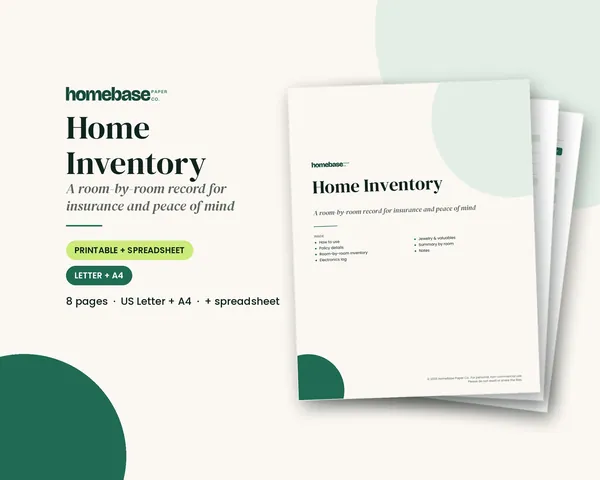
Home Inventory
Printable pages and a spreadsheet that totals the value of every room.
Printables
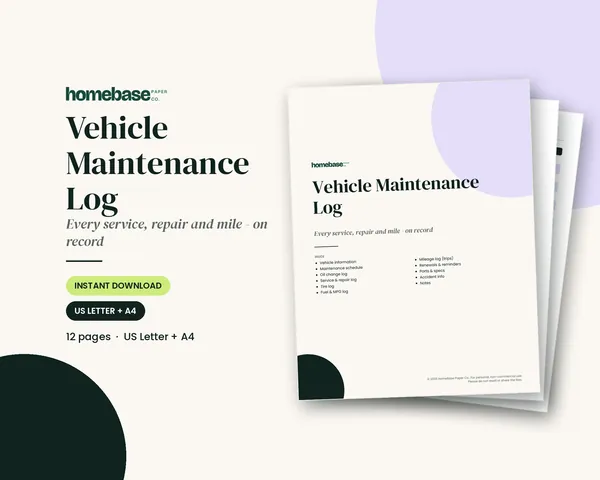
Vehicle Maintenance Log
Oil changes, repairs, tires, fuel and MPG, trip mileage and renewal dates - so resale and warranty records are easy.
 Club
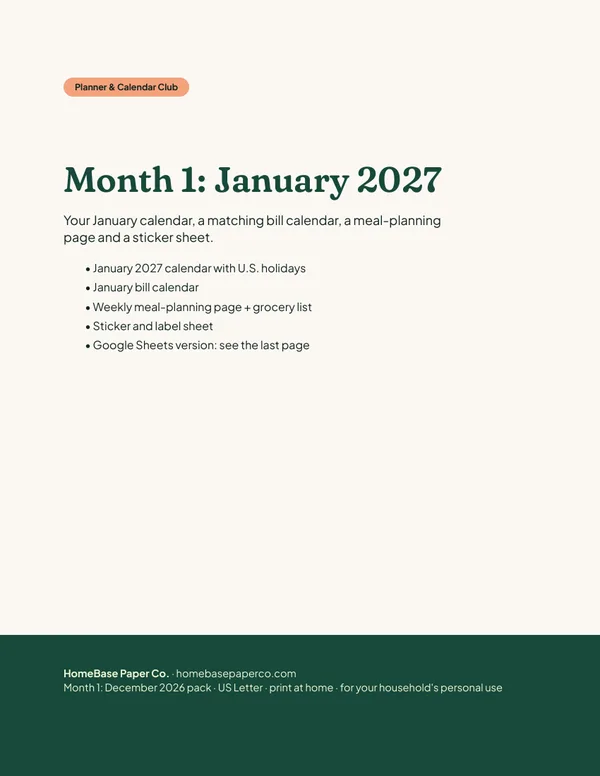
Monthly club
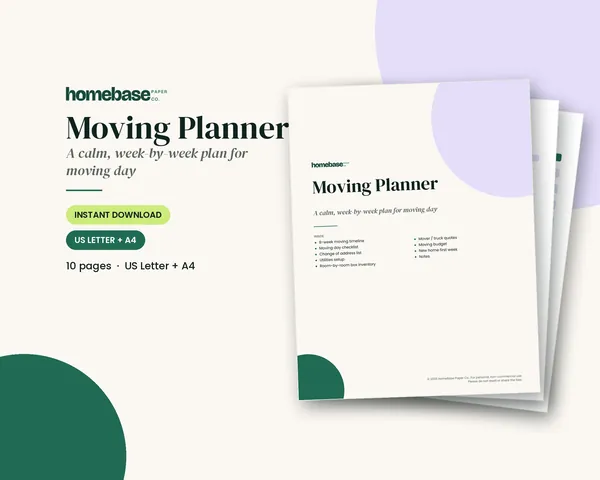
Planner & Calendar Club
Anyone who wants a monthly calendar, bill calendar and meal plan ready to print.
Free printable
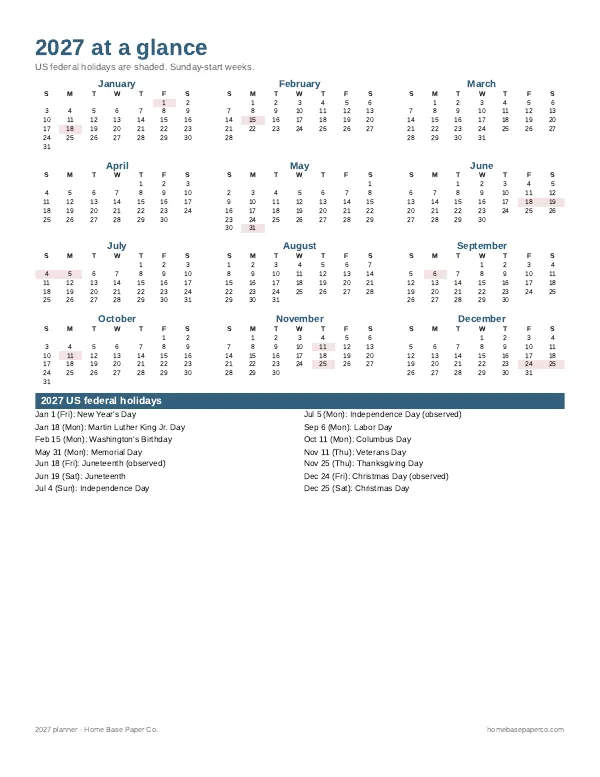
Get organized for the new year: get the free 2027 planner
A 16-page printable 2027 planner with a year-at-a-glance page and monthly calendars with US holidays marked. You'll also get our weekly HomeBase email with simple planning and home organization tips.
Sources
- Are You Storing Food Safely? (FDA) fda.gov
- Cold Food Storage Chart (FoodSafety.gov) foodsafety.gov