The short answer: good closet organization comes down to three things: owning only what you use, giving every category a home and keeping clothes clean, dry and well supported.
- Empty one section at a time and sort into four piles
- Prime zone: eye level to waist for clothes you wear every week
- Put the keep pile back by category
- Ideas for small, shared and walk-in closets
- Next step: Plan it with the Kids Chore Chart ($3.49).
Good closet organization comes down to three things: owning only what you use, giving every category a home, and keeping clothes clean, dry and well supported. Here's a step-by-step plan you can finish in a weekend, layout ideas for small, shared and walk-in closets, and the storage tips that help clothes last longer.
The care advice below comes from the University of Kentucky's extension guide on clothing storage and NDSU Extension's advice on preventing mold in closets.
How to organize a closet: the quick answer
To organize a closet, empty it completely, keep only what you wear and what fits, then put things back by category and frequency of use. Hang what wrinkles (shirts, dresses, jackets) on matching slim hangers, fold knits and jeans on shelves or in bins, and put shoes on the floor or a rack. Keep everyday clothes at eye level, push off-season items up high or under the bed, and leave about an inch of space between hangers so you can see everything. A typical reach-in closet takes two to four hours; the plan below breaks it into steps.
Small closet? Double your hanging space with a second rod or cascading hooks, add a shelf above the existing one, use the back of the door for shoes or accessories, and store off-season clothes elsewhere. More ideas are in the small closets section below.
Why closet organization is worth the effort
The University of Kentucky guide notes that proper storage can reduce the time and money spent on upkeep and make clothing last longer, and that organized closets and drawers make a wardrobe more functional, with less last-minute clothing care. In plain terms, an organized closet means fewer mornings spent hunting for a shirt, fewer things bought twice, and fewer clothes ruined by being crammed, crushed or stored damp.
Step-by-step closet organization plan
- Set a time and a goal. One bedroom closet usually takes two to four hours. Large walk-ins take a weekend.
- Gather supplies. Four bags or boxes (keep, donate, repair, toss), a trash bag, a vacuum, a damp cloth and a notepad.
- Empty one section at a time. Take everything off the rod, then the shelves, then the floor. Seeing it all is what makes sorting work.
- Sort into four piles. Keep what you wear and what fits. Donate what's good but unworn. Repair what you'd wear if it were fixed. Toss what's stained or worn out.
- Clean the empty closet. Vacuum the floor and corners, dust the shelves and wipe the walls. Look for damp or mold spots while it's empty.
- Plan the layout using the zones below before you put anything back.
- Put back the keep pile by category, with the things you wear most within easy reach.
- Deal with the other piles today. Donations go in the car, repairs go on a list with a date, and trash goes out.
Closet zones: what goes where
| Zone | Height | What to store |
|---|---|---|
| Prime zone | Eye level to waist | Clothes you wear every week |
| Upper shelf | Above the rod | Out-of-season clothes, bags, hats in boxes |
| Lower rod or floor | Below the waist | Shoes, folded pants, laundry basket |
| Door | Back of the door | Accessories, belts, scarves, shoe pockets |
| Deep corners | Hard to reach | Rarely used items, keepsakes in labeled bins |
The University of Kentucky guide advises keeping the items you wear most frequently within easy reach and visible, and storing similar items such as jewelry, belts and scarves close to each other so getting dressed is quicker.
Hanging vs. folding
Not everything should be hung. The University of Kentucky guide lists sweaters and other knitwear, heavy and stretchy clothing, delicate items and handbags as items for flat or folded storage. Use this as a guide:
- Hang: shirts, blouses, dresses, jackets, suits, skirts and pants made from woven fabrics.
- Fold: sweaters, knits, T-shirts, jeans, workout clothes and anything heavy or stretchy.
- Roll: socks, underwear and some T-shirts. The guide notes rolling can save space and reduce wrinkling.
- Stack carefully: when you stack folded clothes, put the largest, heaviest pieces on the bottom.
Choosing hangers
Matching hangers make a closet look tidier and take less room, but the right hanger also protects clothes. The University of Kentucky guide recommends choosing the hanger by garment style and weight:
- Plastic tubular hangers give minimal support, so use them for firmly woven, lightweight shirts and blouses.
- Padded, shaped and suit hangers are for sheer blouses, dresses, jackets, suits and tailored garments.
- Pants can hang from the cuff or hem, or over a padded or rounded bar so the thigh doesn't crease.
- Bare wire hangers should be avoided unless covered, because they can rust and snag delicate fabric.
It also suggests using the tape loops inside many dresses and skirts, fastening at least the top button so a garment doesn't slide off, and leaving space between hangers for air and easy access. That one habit, not overfilling the rod, cuts down on wrinkles.
Closet organization ideas for small closets
- Double the rod. Add a second, lower rod for shirts and folded pants.
- Add a shelf above the rod if there isn't one.
- Use the door for an over-the-door shoe or accessory organizer.
- Slim hangers take less width than bulky ones.
- Move out-of-season clothes to labeled bins under the bed or on a high shelf.
- Hooks for tomorrow's outfit. One hook inside the door keeps the next day's clothes ready.
- One in, one out. When something new comes in, something old leaves.
Ideas for shared closets
Give each person a side or a rod, and stick to it. Put shared items like guest towels or the vacuum on a labeled shelf. If one person has far more clothes, give them the longer side and the other person a dresser drawer or two. A small basket per person on the floor catches the things that usually end up on the bed.
Ideas for walk-in closets
Walk-ins can hold more, so they fill up faster. Divide the space into clear zones: hanging on one side, shelves and drawers on another, and shoes along the bottom. Keep a hamper and a donation bag in the closet so clothes that need washing or don't fit have somewhere to go right away. Add a light if it's dark; you can't organize what you can't see.
Kids' closets
Lower the rod so kids can reach it, and use bins with picture labels for socks, pajamas and play clothes. Keep the next size up in a labeled bin on a high shelf, and outgrown clothes in a donation bin. A weekly two-minute tidy, maybe with a chore chart, keeps it working.
Seasonal closet swap
Twice a year, swap out-of-season clothes for the season ahead. The University of Kentucky guide gives a checklist for seasonal storage:
- Clean everything first. Launder or dry-clean before storing, and rinse thoroughly.
- Make sure it's completely dry. Never store damp clothing.
- Avoid plastic bags. Use cloth garment bags for hanging items in a closet.
- Pick a good spot. Avoid basements, attics and garages if they expose clothes to dampness, heat, grease or fumes.
- Keep clothes out of heat and sunlight.
- Use sachets carefully. Scented sachets shouldn't touch clothes, because their oils can cause spots.
The swap is also a good time to sort: anything you didn't wear all season is a candidate for the donate pile.
Prevent musty smells and mold
NDSU Extension warns that closets can be conducive to mold growth, especially closets on exterior walls. In winter the air near a cold outside wall can stay humid enough for mold even when the rest of the house is dry. To prevent it:
- Dry everything before it goes in the closet.
- Check for damp or mold spots in corners and along the baseboard.
- Store things away from the outside wall so air can circulate.
- Leave closet doors open during very cold weather.
- Air the closet out. The University of Kentucky guide suggests leaving closet doors or drawers ajar for several hours from time to time.
If you find mold spots, it may be a sign of a moisture problem in the home, so look for the source before you put clothes back.
Daily habits that keep a closet organized
- Air clothes overnight before putting them back. The University of Kentucky guide says airing lets trapped moisture evaporate and wrinkles relax.
- Empty pockets and remove jewelry before storing clothes.
- Treat spots and stains early, before they set.
- Hang it or put it in the hamper. Nothing on the chair.
- Give shoes a day's rest between wearings, as the guide suggests for all clothing.
Make a record of what's in the closet
An organized closet is the perfect moment to record what you own, because everything is already in your hands. A home inventory with photos and rough values for coats, suits, shoes, bags and jewelry is useful if you ever need to file an insurance claim. The Home Inventory ($5.49) includes printable pages and a spreadsheet for a room-by-room record. Our guide to a home inventory list for insurance explains what to record.

Put closet care on the calendar
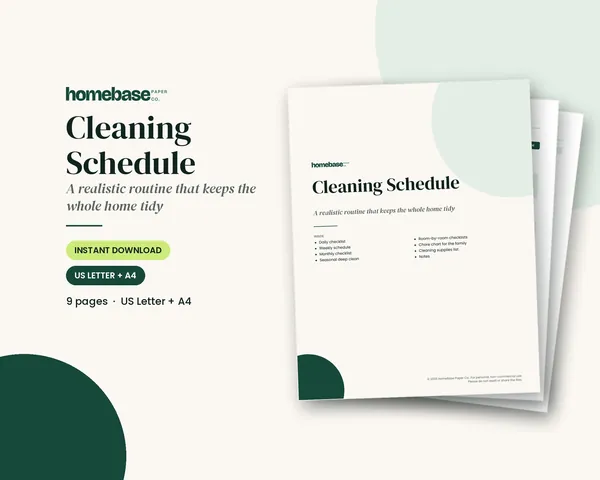
Most closets fall apart because nobody looks at them until they're overflowing. Put three dates on your calendar: a weekly five-minute tidy, a seasonal swap in spring and fall, and a yearly deep clean. The Cleaning Schedule ($4.49) has daily, weekly, monthly and seasonal checklists where these tasks fit, and the Household Binder ($6.99) keeps cleaning pages, calendars and household lists in one binder. The Home Management Bundle ($16.99) includes the Cleaning Schedule along with the Household Binder, Home Maintenance Log, Home Inventory, Moving Planner and Password & Accounts Log. Bought separately, those six come to $32.94.
Organize the rest of the house
Once one closet is done, the next one goes faster. Our linen closet organization guide covers towels and sheets, garage organization handles the bulky stuff, and our guide on how to declutter your home gives a room-by-room order. If you're working through a whole house, try one closet or cupboard a week as part of a deep cleaning checklist.
Make it easier
Tools for this

Printables
Home Inventory
Printable pages and a spreadsheet that totals the value of every room.

Printables
Household Binder
Family info, emergency plan, calendars, meals, groceries, cleaning, bills and sitter notes.
Printables
Cleaning Schedule
Daily, weekly, monthly and seasonal lists - plus a family chore chart.
Frequently asked questions
How do I organize my closet step by step? Take everything out, then sort it into keep, donate, repair and trash piles, keeping only what you wear and what fits now. Clean the empty closet. Put items back by category, such as tops, bottoms, dresses and outerwear, and within each category by color or how often you wear them. Hang anything that wrinkles, fold sweaters and jeans, and give shoes and bags their own spot. Finish by putting a donation bag in the closet so anything you stop wearing has somewhere to go right away.
How do I start closet organization? Start by emptying the closet completely, one section at a time if it is large. Sort everything into keep, donate, repair and toss piles, clean the empty closet, then put back only the keep pile, with the things you wear most at eye level.
How long does it take to organize a closet? Two to four hours for a typical bedroom closet, and a full weekend for a large walk-in or a closet that has not been sorted in years. Split a big job into one shelf or one rod per session if a whole day is too much.
How should a closet be organized by category? You can organize a closet by category by grouping by type first, then by color or sleeve length within each group. A common order is tops, shirts, dresses, pants, jackets, then out-of-season items. Grouping like items makes it easy to see what you have and what you are missing.
Should clothes be hung or folded? Both, depending on the fabric. Hang shirts, dresses, jackets, suits and tailored pieces. Fold sweaters, knits and heavy, stretchy items, which the University of Kentucky clothing storage guide lists for flat storage because hanging can stretch them.
What hangers are best for closet organization? Matching hangers suited to each garment. The University of Kentucky guide says plastic tubular hangers suit firmly woven lightweight shirts, while padded, shaped and suit hangers are for sheer blouses, dresses, jackets and suits. It advises avoiding bare wire hangers, which can rust and snag fabric.
How do I organize a small closet? Use the height and the door. Add a second rod for short items, a shelf above the rod, an over-the-door organizer and slim matching hangers. Move out-of-season clothes to bins elsewhere so only what you wear now takes closet space.
How often should I organize my closet? Do a quick tidy each week, a seasonal swap twice a year and a full clean-out once a year. The University of Kentucky guide recommends cleaning storage areas at least once a year, which is a good time for the full sort.
How do I keep a closet from smelling musty? Keep clothes and the closet dry and let air move. NDSU Extension says to dry everything before storing, check for damp or mold spots, and store items away from cold exterior walls. Leaving the closet door open in very cold weather also helps.
Are plastic bags good for storing clothes in a closet? No, plastic bags are not good for storing clothes in a closet. The University of Kentucky guide says to avoid plastic bags for wrapping or covering clothes and to use cloth garment bags in a closet instead. Clothes should also be clean and completely dry before they go into storage.
What should I do with clothes I no longer wear? Donate, sell, repair or recycle them. Give yourself a deadline: a donation bag that sits in the car for a month tends to come back inside. Write repairs on a list with a date, or they stay in the repair pile.
How can two people share one closet? Give each person a clear side or a clear rod, and label shared shelves. Keep the most-worn items for both people in the middle, and put out-of-season clothes and rarely used items up high or in bins.
Is closet organization worth doing before a move? Yes, closet organization is worth doing before a move. Sorting a closet before a move means you pack, carry and unpack less. Do the donate pile first, then pack by category so each box goes straight to the right closet in the new home.
How do I organize a small closet with a lot of clothes? Start by cutting the volume: move off-season clothes into bins under the bed or on a high shelf, and donate anything you haven't worn in a year. Then add vertical space with a second hanging rod for shirts and skirts, cascading hangers, a shelf divider above the rod and an over-the-door organizer for shoes or accessories. Slim, matching hangers alone can fit noticeably more in the same rod length. Folding knits into drawers or bins frees the rod for things that wrinkle.
More from HomeBase
You may also like

Printables
Home Maintenance Log
Monthly, seasonal and annual checklists plus a record of every appliance and repair.

Printables
Vehicle Maintenance Log
Oil changes, repairs, tires, fuel and MPG, trip mileage and renewal dates - so resale and warranty records are easy.

Printables
Budget Planner Printable
Twelve undated pages you can print every month: budget, bills, spending, savings and debt.
 Club
Monthly club
Planner & Calendar Club
Anyone who wants a monthly calendar, bill calendar and meal plan ready to print.
Free printable
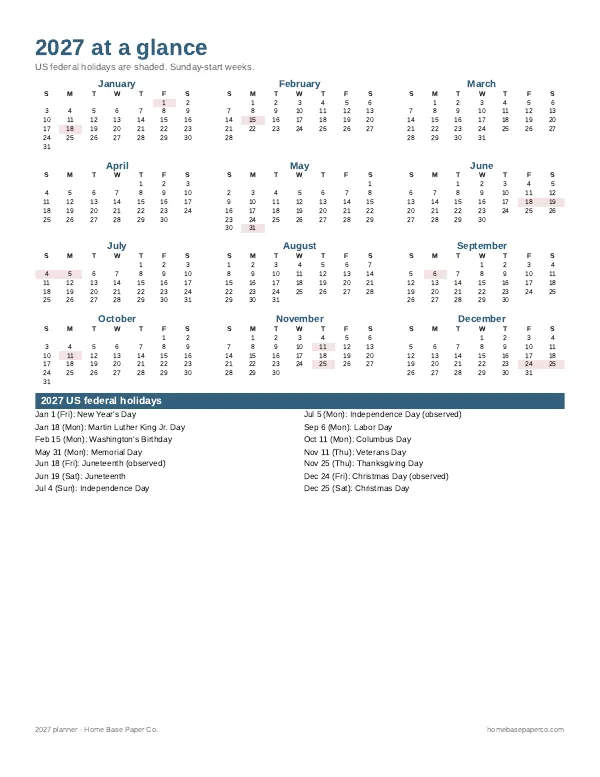
Get organized for the new year: get the free 2027 planner
A 16-page printable 2027 planner with a year-at-a-glance page and monthly calendars with US holidays marked. You'll also get our weekly HomeBase email with simple planning and home organization tips.