The short answer: good garage organization starts with less stuff, not more bins: empty one wall at a time, sort ruthlessly, plan zones and only then buy shelves and hooks.
- Sort into five piles and handle the hazardous pile properly
- Keep chemicals in their original labeled containers and never mix them
- Zones: car care, tools, garden, sports and seasonal
- A one-weekend plan and storage ideas for every budget
- Next step: Plan it with the Home Inventory ($5.49).
Good garage organization starts with less stuff, not more bins. Empty the space one wall at a time, sort ruthlessly, plan zones and only then buy shelves and hooks. Because garages often hold paints, fuel and chemicals, follow the EPA's household hazardous waste guidance as you sort: keep those products in their original labeled containers and never mix them.
This guide shows how to organize a garage from start to finish, with a zone plan, garage storage ideas for every budget and a simple way to keep it from filling up again.
What is the best way to organize a garage?
The best way to organize a garage is to declutter first, plan zones second and buy storage last. Work one wall at a time, keep only what you use, group what's left by activity (car, tools, yard, sports, seasonal), and get everything off the floor using vertical space: shelves, wall hooks and overhead racks. Put everyday items near the door at waist-to-eye height and rarely used items up high. Most people need one full weekend for a two-car garage, and the steps below show exactly how.
How to organize a garage in 8 steps
- Pick a dry weekend and gather supplies. You need trash bags, boxes for donations, a marker, painter's tape for labels, a broom and a shop vacuum.
- Empty one section at a time. Clear a single wall or corner onto the driveway. Emptying everything at once is overwhelming and leaves your stuff exposed if the weather turns.
- Sort into five piles. Keep, donate, sell, trash and hazardous. Be honest: broken items, duplicates and sports gear nobody has used in two years go.
- Handle the hazardous pile properly. Old paint, solvents, pesticides, pool chemicals and motor oil need a local collection site, not the trash can.
- Clean the empty space. Sweep, vacuum cobwebs and wipe shelves. This is a good time to check for leaks, cracks or signs of pests.
- Plan zones. Group what you use together and decide where each zone goes before you buy storage.
- Install storage, then put items back by zone. Shelves and hooks first, bins second. Put the most-used items at waist to eye height near the door.
- Label and photograph. Label every bin and take a photo of each wall. The photos help you put things back and double as a record for your home inventory.
Plan your garage zones
Zones make a garage work. Here is a layout that fits most one- and two-car garages:
| Zone | What goes there | Best spot | Storage that works |
|---|---|---|---|
| Car care | Fluids, cleaning supplies, tire gauge, jumper cables | Next to the vehicle | Shelf or wall cabinet |
| Tools and workbench | Hand tools, power tools, hardware | Back wall with good light | Pegboard, drawers, workbench |
| Garden and yard | Rakes, shovels, hoses, pots, fertilizer | Near the main door | Wall hooks and racks |
| Sports and play | Bikes, balls, helmets, scooters | Easy for kids to reach | Bike hooks, open bins, ball cage |
| Seasonal and holiday | Decorations, camping gear, coolers | Up high or overhead | Overhead racks, labeled bins |
| Hazardous products | Paint, solvents, pesticides, fuel | High shelf away from heat | Locked or high cabinet |
| Recycling and trash | Bins and bags | Closest to the exit | Floor space by the door |
Leave a clear walking path at least as wide as your shoulders, plus room to open car doors fully.
Garage storage ideas for every budget
You do not need a full cabinet system to get the floor clear. Start at the top of this list and move down only if you need to:
| Idea | Rough cost | Best for |
|---|---|---|
| Declutter and reuse bins you have | Free | Every garage |
| Wall hooks for hoses, cords, ladders and chairs | Low | Long or awkward items |
| Pegboard or slat wall | Low to moderate | Hand tools and small parts |
| Freestanding metal or resin shelving | Moderate | Bins and boxes |
| Ceiling-mounted bike hooks or hoist | Low to moderate | Bikes and kayaks |
| Overhead storage racks | Moderate | Seasonal bins |
| Rolling tool chest or cart | Moderate | Workbench projects |
| Wall cabinets with doors | Higher | Chemicals and a tidy look |
Clear bins or bins with large labels save time because you can see what is inside. Keep heavy bins on lower shelves and lighter ones up top.
Store paint, fuel and chemicals safely
The garage is where most families keep products that need extra care. The EPA's household hazardous waste page lists paints, cleaners, oils, batteries and pesticides among products that can contain potentially hazardous ingredients. Its guidance includes:
- Keep these products in their original containers and never remove the labels.
- Never store hazardous products in food containers.
- Never mix household hazardous waste with other products.
- Even empty containers can still pose hazards, so check local rules before throwing them out.
The EPA also lists stored fuels and automotive products as a source of volatile organic compounds (VOCs) and notes that attached garages can be a source of benzene indoors. Its advice is to store products in a well-ventilated area and out of children's reach, and to buy only as much as you will use soon. If you have an attached garage, keep the door to the house closed and avoid running engines inside.
To get rid of what you do not need, look up your local household hazardous waste collection day. The EPA notes that some service stations accept used motor oil for recycling.
Garage organization ideas by item
Some items cause most of the clutter. Here is where they go:
- Bikes: vertical wall hooks or a ceiling hoist keep them off the floor.
- Lawn mower and snow blower: park them in a corner near the door with a mat underneath to catch drips.
- Holiday decorations: labeled bins on overhead racks. Our guide to organizing Christmas decorations covers how to pack them.
- Car emergency supplies: keep a ready kit by the car. Our car emergency kit list has what to include.
- Sports gear: one open bin per person makes it easy for kids to put things back.
- Extension cords and hoses: hang coiled on wide hooks so they do not tangle.
How to organize a small garage
A one-car or tight garage needs the same steps with stricter rules, because every inch of floor matters when the car has to fit too.
- Go vertical first. Run shelving up to the ceiling on the back wall and use the space above the hood for a shallow shelf or overhead rack. Keep the side walls for slim hooks only, so car doors can open.
- Keep the floor for the car and wheels. Bikes go on wall or ceiling hooks, the lawn mower parks nose-in at the back, and nothing else lives on the floor.
- Choose shallow storage. Shelves 12 to 16 inches deep hold most bins without blocking the car. Deep cabinets eat floor space.
- Use the door and corners. A rack on the wall beside the house door holds the things you grab daily, like reusable bags, dog leash and recycling.
- Cut categories, not just items. If camping gear gets used once a year, consider whether it belongs in the attic or a closet instead. Before each trip, check it against our camping checklist printable.
- Park first, then plan. Pull the car in, open both doors and mark the door swing on the floor with painter's tape. Storage goes outside the tape.
How to organize garage tools
Tools are the zone that falls apart fastest. Keep them in one place, near light and power:
| Tool type | Best storage | Tip |
|---|---|---|
| Hand tools (hammers, wrenches, screwdrivers) | Pegboard or a slatwall above the workbench | Outline each tool with a marker so you can see what's missing |
| Small hardware (screws, nails, anchors) | Small-parts drawer organizer or labeled jars | Sort by type, not by project |
| Power tools and batteries | Shelf or cabinet near an outlet | Keep each tool with its charger and batteries in one bin |
| Long-handled yard tools | Wall rack or a corner bin | Heads up, handles down, near the garage door |
| Ladders | Wall hooks, mounted sideways | Store flat against the wall at shoulder height |
| Paint and finishes | High shelf, away from heat | Label each can with the room it matches |
Write each power tool's model and serial number on a home inventory sheet. It helps with warranty claims and insurance if anything is stolen or damaged.
Garage organization checklist
Print or copy this checklist and tick it off over the weekend:
| Done | Task |
|---|---|
| ☐ | Pick a dry weekend and book a donation drop-off or pickup |
| ☐ | Gather trash bags, boxes, a marker, painter's tape, broom and shop vacuum |
| ☐ | Empty and sort wall 1: keep, donate, sell, trash, hazardous |
| ☐ | Empty and sort wall 2 and wall 3 |
| ☐ | Take hazardous items to a local collection day |
| ☐ | Sweep, vacuum and check for leaks or pests |
| ☐ | Mark zones with painter's tape |
| ☐ | Install shelves, hooks and overhead racks |
| ☐ | Put items back by zone, most-used nearest the door |
| ☐ | Label bins and photograph each wall |
| ☐ | Store an emergency kit where you can grab it fast |
| ☐ | Put a 15-minute garage reset on the calendar each season |
If you keep a household emergency kit in the garage, keep it near the door and away from heat; Ready.gov's emergency kit list covers what to include. For items in good condition you're not keeping, check the EPA's guide to recycling common items before anything goes in the trash. Doing a whole-house reset? Our guide to how to organize your life ties the garage into a room-by-room plan.
Keep the garage organized all year
A garage stays organized when items have a home and there is a regular reset:
For the inside of the house, our closet organization guide uses the same sort, zone and label approach.
| How often | Task |
|---|---|
| Weekly | Return tools to the pegboard, take out recycling |
| Monthly | 15-minute floor sweep and pickup |
| Each spring and fall | Swap seasonal gear, check for leaks and pests, donate outgrown items |
| Once a year | Update your home inventory and check expiration dates on chemicals |
A donation bin by the door makes the difference. When something is outgrown or unused, it goes straight in the bin.
A one-weekend garage organization plan
If you want to get the job done in one weekend, split it into four sessions of about four hours each. This plan assumes a two-car garage with average clutter; a one-car garage may only need Saturday.
Saturday morning: empty and sort the first half. Start with the wall farthest from the house door, because it usually holds the oldest clutter. Pull everything onto tarps on the driveway and sort it into the five piles. Load the donation pile into your car right away so it does not drift back inside. Bag the trash and set the hazardous pile aside on a high shelf or in a sealed tote until you can take it to a collection site.
Saturday afternoon: clean and set up storage on that side. Sweep, wipe and check for leaks, then put up shelves, hooks and the pegboard. Put back only the keep pile, by zone, and label bins as you go. Stop when that half is done, even if you have energy left. A finished half is more motivating than two half-finished walls.
Sunday morning: repeat on the second half. Sorting goes faster the second time because you have already made the hard calls on duplicates and decided what each zone holds.
Sunday afternoon: finish and record. Hang bikes and long tools, sweep the whole floor, and take a photo of each wall. Write the big-ticket items, such as power tools, bikes and the mower, on a home inventory page with their approximate value. Finally, drop off donations and schedule the hazardous waste drop-off for the next collection day.
Budget a little extra time if this is your first full clean-out in years. Most of the work is deciding what to keep, and that gets faster with each box. When planning the rest of the home, use these room decorating ideas to decide what belongs in each space before buying anything new.
Track what's in the garage and when it was serviced
Once the garage is organized, record what is in it. Garages hold tools, bikes and equipment that are easy to forget on an insurance claim. The Home Inventory ($5.49) includes printable room inventory, electronics and valuables pages plus a spreadsheet that totals the value of every room, so you can list the garage as its own room.
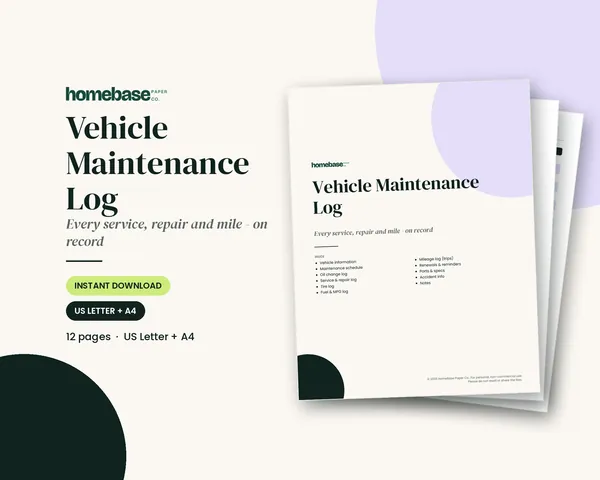
For the house itself, the Home Maintenance Log ($5.99) has monthly, seasonal and annual checklists, an appliance log and service and repair records, which is a good place to note the garage door service and water heater checks. If your car lives in the garage, the Vehicle Maintenance Log ($3.99) tracks oil changes, tires, repairs and renewal dates.
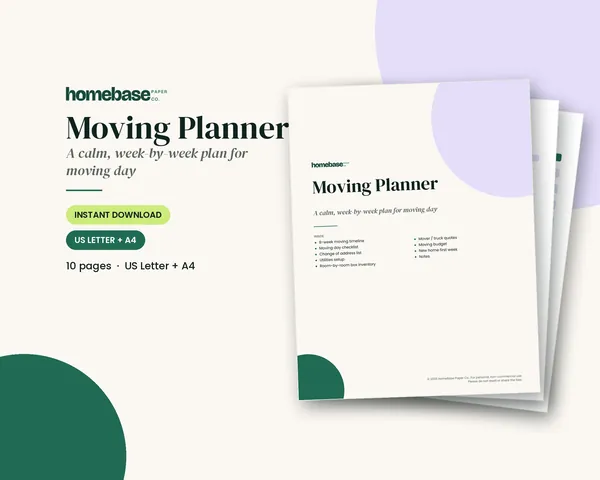
All three are part of a bigger system in the Home Management Bundle ($16.99), which includes the Home Inventory and Home Maintenance Log along with the Household Binder, Cleaning Schedule, Moving Planner and Password & Accounts Log. For the rest of the house, see our guide on how to declutter your home.
While you're sorting tools, check them for rust. Our guide on how to remove rust from metal covers vinegar soaks, wire brushes and how to keep tools dry.
Make it easier
Tools for this
Printables
Home Inventory
Printable pages and a spreadsheet that totals the value of every room.
Printables
Home Maintenance Log
Monthly, seasonal and annual checklists plus a record of every appliance and repair.
Printables
Vehicle Maintenance Log
Oil changes, repairs, tires, fuel and MPG, trip mileage and renewal dates - so resale and warranty records are easy.
Frequently asked questions
What is the best way to organize a garage? The best way to organize a garage is to declutter before you buy anything, then group what's left into zones by activity, such as car care, tools, yard and garden, sports and seasonal, and get everything off the floor with shelves, wall hooks and overhead racks. Put the things you use every week near the door at waist-to-eye height and store rarely used items up high. Work one wall at a time so the job never takes over the driveway, and label every bin when you're done so the system lasts.
How do I start garage organization? Start garage organization by emptying one section at a time onto the driveway, sorting everything into keep, donate, sell, trash and hazardous piles, then planning zones before you buy any storage. Put everyday items near the door, seasonal items up high and heavy items low. Finish one wall before you start the next.
How do you organize a garage on a budget? Declutter first, because the cheapest storage is the storage you do not need. Then reuse shelves, bins and jars you already have, add a pegboard or a few wall hooks for tools, and label everything. Freestanding shelving and ceiling hooks cost far less than full cabinet systems and still get most items off the floor.
What are the best garage storage ideas? The most useful garage storage ideas are sturdy freestanding shelves for bins, a pegboard or slat wall for hand tools, wall hooks for bikes, ladders and hoses, overhead racks for seasonal items, and a rolling cart for projects. Clear or labeled bins make it easy to see what you have so you do not buy duplicates.
How should I store paint and chemicals in the garage? Keep paints, solvents, pesticides and automotive fluids in their original containers with the labels on, never in food containers, and never mix them. The EPA advises storing products like these in a well-ventilated area out of children's reach. Put them on a high shelf or in a locked cabinet away from heat sources.
How do I get rid of old paint, oil and chemicals? Many cities and counties run household hazardous waste collection days or drop-off sites. Check your local waste agency's website for what it accepts. The EPA notes that some service stations accept used motor oil, and that even empty containers of hazardous products can still pose hazards, so do not toss them in regular trash without checking local rules.
How do I organize a garage step by step? Organize a garage step by step like this: pick a weekend, clear one wall at a time, sort into five piles, toss and donate right away, clean the floor and walls, plan zones for car, tools, garden, sports and seasonal items, install shelves and hooks, put items back by zone and label every bin. Then take a quick photo of each wall for your home inventory, such as the Home Inventory printable and spreadsheet.
What are garage zones? Garage zones are areas grouped by what you use together: a car care zone near the vehicle, a tool and workbench zone, a garden and yard zone near the door, a sports and outdoor play zone, a seasonal and holiday zone up high, and a recycling and trash zone near the exit. Zones make it easy to find and return things.
Should I keep a home inventory of my garage? Yes, you should keep a home inventory of your garage. Garages often hold expensive items such as tools, bikes, mowers and sports gear that people forget to list for insurance. A simple home inventory with the item, approximate value and a photo makes a claim much easier after a theft, fire or flood. Update it once a year when you reorganize.
How long does it take to organize a garage? A one-car garage with average clutter usually takes one full weekend to empty, sort, clean and put back. A two-car garage that has not been touched in years can take two or three weekends. Working one wall or zone at a time lets you split the job into four-hour sessions.
How do I keep my garage organized? Give everything a labeled home, keep the floor clear except for vehicles and large equipment, do a 15-minute reset once a month and a bigger clean-out each spring and fall. Put a donation bin by the door so outgrown sports gear and duplicates leave the house instead of piling up.
What should not be stored in a garage? Avoid storing food that can attract pests, paper photos and documents that can be damaged by heat and humidity, propane tanks and other fuel cylinders (check the label and your local fire code before storing them indoors), and anything temperature sensitive such as some paints and electronics in extreme climates. Check product labels for temperature limits before you store anything long term.
How do I organize a small one-car garage? In a small garage, the floor belongs to the car. Put tall, shallow shelving (12 to 16 inches deep) on the back wall, hang bikes and long tools on the walls or ceiling, and use an overhead rack above the hood for seasonal bins. Park the car, open both doors and tape the door swing on the floor so storage never blocks it. Anything used once a year, like camping gear, may be better stored in an attic or closet.
How do I organize tools in a garage? Keep all tools in one zone near light and power, usually the back wall with a workbench. Hang hand tools on pegboard or slatwall and outline each one, store small hardware in labeled drawer organizers, and keep each power tool with its charger and batteries in one bin. Long-handled yard tools go in a wall rack by the garage door. Recording model and serial numbers in a home inventory helps with warranties and insurance.
What do I do with garage items I can't decide on? Put undecided items in a box, seal it, write today's date on it and store it out of the way. If you haven't opened it in six months, donate it without looking inside. This keeps the sorting moving instead of stalling on every item, and it's usually clear by then that you didn't need what's in the box.
More from HomeBase
You may also like

Printables
Household Binder
Family info, emergency plan, calendars, meals, groceries, cleaning, bills and sitter notes.
Printables
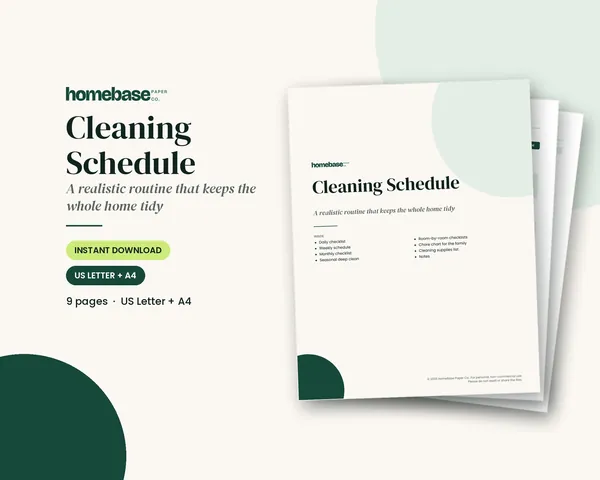
Cleaning Schedule
Daily, weekly, monthly and seasonal lists - plus a family chore chart.

Printables
Budget Planner Printable
Twelve undated pages you can print every month: budget, bills, spending, savings and debt.
 Club
Monthly club
Planner & Calendar Club
Anyone who wants a monthly calendar, bill calendar and meal plan ready to print.
Free printable
Get organized for the new year: get the free 2027 planner
A 16-page printable 2027 planner with a year-at-a-glance page and monthly calendars with US holidays marked. You'll also get our weekly HomeBase email with simple planning and home organization tips.