

The short answer: how to unclog a drain depends on where the clog is: most are hair in bathroom drains or grease and food in kitchen sinks.
- Start with a hot water flush or by cleaning the stopper
- Plunger: for most sink, tub and shower clogs
- Clean the P-trap under kitchen and bathroom sinks
- Chemical cleaners are a last resort
- Next step: Plan it with the Home Maintenance Log ($5.99).
How to unclog a drain depends on where the clog is and what caused it. Most household clogs are hair in bathroom drains or grease and food in kitchen sinks, and most clear with a plunger, a cheap plastic drain tool or a few minutes under the sink. This guide covers the kitchen sink, bathroom sink, shower and bathtub, how to use a drain snake safely, why chemical cleaners are a last resort and when to call a plumber.
Why drains clog
Drains rarely clog all at once. Buildup narrows the pipe over weeks until one last bit of hair or grease blocks it. In bathrooms, hair binds with soap scum and toothpaste into a sticky mat just below the stopper. In kitchens, warm grease flows down easily, then cools and hardens on the pipe walls, trapping food and coffee grounds. Hard water can add mineral scale. Knowing which one you are dealing with tells you which tool to reach for: a hair tool for bathrooms, heat and plunging for kitchens.
Start with the least invasive fix
Work from gentle to more involved. Each step takes a few minutes, and most clogs give up early.
| Step | Best for | Tools |
|---|---|---|
| Hot water flush | Light soap or grease buildup. | Kettle or hot tap. |
| Remove and clean the stopper | Hair in bathroom sinks and tubs. | Hands, gloves. |
| Plastic barbed drain tool | Hair just below the drain. | A cheap plastic strip. |
| Plunger | Most sink, tub and shower clogs. | Cup plunger. |
| Clean the P-trap | Kitchen and bathroom sinks. | Bucket, gloves, pliers. |
| Hand drain snake | Clogs deeper in the pipe. | 15 to 25 foot snake. |
| Call a plumber | Several drains, sewage smell, repeat clogs. | Professional equipment. |
How to plunge a drain properly
A cup plunger, the flat-bottomed kind, works on sinks, tubs and showers. A flange plunger is for toilets.
- Remove the stopper or drain cover.
- Run 2 to 3 inches of water so the plunger cup is covered.
- Stuff a wet rag into the overflow hole. In a double kitchen sink, block the other drain.
- Set the plunger over the drain and push down gently to push out air.
- Plunge firmly up and down 10 to 15 times, keeping the seal.
- Lift off quickly and see if the water drains. Repeat a few times if needed.
How to unclog a kitchen sink
Kitchen clogs are usually grease, coffee grounds and food scraps. Plunge first. If you have a garbage disposal, turn it off at the switch, never reach inside, and check whether the disposal is jammed rather than the drain.
If plunging fails, clean the P-trap, the curved pipe under the sink:
- Put a bucket underneath and lay a towel down.
- Loosen the two slip nuts by hand or with pliers.
- Remove the trap and empty it into the bucket.
- Clean it out with a brush, then check the pipe going into the wall.
- Reattach it, hand-tighten the nuts and run water to check for leaks.
If the trap is clear, the clog is further down. Use a hand snake through the pipe into the wall.
How to unclog a bathroom sink
Bathroom sinks clog with hair, toothpaste and soap. Most pop-up stoppers lift out, or come free when you loosen the nut on the pivot rod behind the drain pipe. Clean the gunk off the stopper, then push a plastic drain tool down the drain and pull up. You will likely be surprised at how much comes out. Run hot water for a minute to finish.
How to unclog a shower drain
Shower drains collect hair faster than anything else in the house.
- Unscrew or pry off the drain cover.
- Pull out visible hair with gloved fingers or a bent wire.
- Push a plastic barbed tool down and pull it back up, then repeat.
- Plunge with a little water if it is still slow.
- Use a hand snake if the clog is deeper.
- Put a hair catcher over the drain when you are done.
How to unclog a bathtub drain
Bathtubs have different stoppers. A lift-and-turn or push stopper usually unscrews from the top. A trip-lever tub has a lever on the overflow plate; unscrew the plate and pull out the linkage, which is often wrapped in hair.
Clean the stopper or linkage, then block the overflow opening with a wet rag and plunge with a few inches of water in the tub. Blocking the overflow matters, since otherwise the plunger just pushes air out through it.
Using a drain snake
A hand drain snake, also called an auger, reaches clogs that plungers cannot. Feed the cable slowly into the drain while turning the handle clockwise. When it stops, keep turning to bore through or hook the clog, then pull back slowly. Wipe the cable with a rag as it comes out. Go gently in older pipes, and do not force it around tight bends. Through a sink, it is often easier to remove the P-trap and snake straight into the wall pipe.
Baking soda, vinegar and boiling water
Baking soda and vinegar fizz, which looks impressive. It can loosen small, soft buildup but rarely clears a real clog alone. Use about 1/2 cup of baking soda and 1 cup of vinegar, wait 15 to 30 minutes and flush with hot water.
Hot water can melt a light grease clog. The U.S. EPA's page on caring for a septic system suggests boiling water or a drain snake instead of chemical drain openers. Use very hot tap water instead of boiling if your pipes are plastic or the sink is porcelain.
Chemical drain cleaners: use with care
Chemical drain cleaners are caustic. MedlinePlus explains in its page on drain cleaner poisoning that many contain sodium hydroxide, which can badly burn the skin, eyes, mouth and throat. If you use one, follow the label exactly:
- Wear gloves and eye protection, and ventilate the room.
- Never mix two products, or follow one with another.
- Never plunge or snake a drain after adding a chemical, since it can splash.
- Store it locked away from children.
- For an exposure, call Poison Help at 1-800-222-1222 or 911.
If you have a septic system, the EPA advises avoiding chemical drain openers because they can kill the bacteria the system needs.
Tools worth keeping under the sink
A small kit handles most clogs for less than the cost of one service call:
- A cup plunger for sinks, tubs and showers, kept separate from the toilet plunger.
- A pack of plastic barbed drain tools.
- A 15 to 25 foot hand drain snake.
- Rubber gloves, a bucket and an old towel.
- Adjustable pliers for P-trap slip nuts.
- Hair catchers for every shower and tub.
If you rent, check your lease before taking apart plumbing. Many landlords want to hear about clogs that keep coming back, and some prefer to send their own plumber.
When to call a plumber
| Sign | What it may mean |
|---|---|
| Several drains slow at once. | A clog in the main line. |
| Toilet flush backs up into the tub. | Main sewer line blockage. |
| Sewage smell or gurgling. | Venting or sewer issue. |
| Clog returns within days. | Something stuck deep, or a damaged pipe. |
| Water leaks under the sink after you clean the trap. | A worn washer or cracked pipe. |
How to keep drains clear
A slow, smelly drain can attract small flies too. Here is how to get rid of fruit flies and drain flies.
- Use hair catchers in every shower and tub.
- Scrape plates and pans into the trash, and never pour cooking oil or grease down the drain, as the EPA warns.
- Run hot water for 30 seconds after washing dishes.
- Clean bathroom stoppers once a month.
- Keep wipes, cotton swabs and paper towels out of toilets.
Keep a record of what you fix
A drain that clogs every few months is telling you something. The Home Maintenance Log ($5.99, printable PDF) has Home details, Monthly, Seasonal and Annual Checklists, an Appliance Log, Service & Repair Records, a Home Improvement Log, Contractor Contacts and a Paint & Finishes page. Note the date, the drain, what you found and what fixed it, and add "clean stoppers and hair catchers" to the monthly checklist. If you call a plumber, their details go on the contractor page for next time.
See also our home maintenance checklist.
Once the water drains freely, keep it that way with our guide on how to clean a shower drain, which covers monthly hair removal, baking soda and vinegar, and fixing drain smells.
Make it easier
Tools for this
Printables
Home Maintenance Log
Monthly, seasonal and annual checklists plus a record of every appliance and repair.
Frequently asked questions
What is the fastest way to unclog a drain? The fastest way to unclog a drain is usually a plunger: fill the sink or tub with 2 to 3 inches of water, seal the overflow hole with a wet rag, and plunge firmly 10 to 15 times. If that fails, pull out hair with a plastic drain tool or clean the P-trap under the sink.
How do you unclog a drain with baking soda and vinegar? To unclog a drain with baking soda and vinegar, pour about 1/2 cup of baking soda into the drain, follow with 1 cup of white vinegar, cover the drain for 15 to 30 minutes, then flush with very hot water. It can help with small, soft buildup, but it rarely clears a solid hair or grease clog on its own.
How do you unclog a shower drain? To unclog a shower drain, remove the cover, usually with a screwdriver, and pull out the hair with gloved fingers, a bent wire or a plastic barbed drain tool. Then flush with hot water. If water still drains slowly, use a small hand drain snake, turning it as you push it down the pipe.
How do you unclog a bathtub drain? You can unclog a bathtub drain by removing the stopper and cleaning the hair off it, then blocking the overflow plate with a wet rag and plunging with a few inches of water in the tub. If the tub has a trip-lever stopper, unscrew the overflow plate and pull out the linkage to clean it.
How do you unclog a kitchen sink drain? To unclog a kitchen sink drain, first plunge it, blocking the second basin or dishwasher hose if needed. If that fails, put a bucket under the P-trap, unscrew the slip nuts, and clean out the trap. Grease is the usual cause, so wipe greasy pans before washing them.
Is chemical drain cleaner safe to use? Not without real care: chemical drain cleaners can be dangerous. MedlinePlus explains that many contain sodium hydroxide, which can cause severe burns to the skin, eyes and throat. Wear gloves and eye protection, ventilate, never mix products and never plunge after using one. Keep it away from children, and call Poison Help at 1-800-222-1222 after an exposure.
Can I use drain cleaner with a septic system? It is best not to use chemical drain openers with a septic system. The U.S. EPA advises avoiding them because they can kill the bacteria that treat waste in the tank. The EPA suggests boiling water or a drain snake instead, and never pouring cooking oil or grease down any drain.
Does boiling water unclog a drain? Sometimes: boiling water can clear a mild grease or soap clog in a metal pipe, and the EPA suggests it as an alternative to chemical drain openers. Use very hot tap water instead if you have plastic pipes or a porcelain sink, since boiling water can soften joints or crack porcelain. It will not move hair clogs.
How do you use a drain snake? To use a drain snake, feed the cable slowly into the drain, turning the handle clockwise as you push. When you feel resistance, keep turning to grab or break up the clog, then pull the cable back out and clean it. Flush with hot water to check the drain runs freely.
When should I call a plumber for a clogged drain? Call a plumber if several drains are slow at once, water backs up into a tub or shower when you flush, you smell sewage, or a clog returns soon after you clear it. These signs usually point to a main sewer line problem that hand tools cannot reach.
How can I prevent drains from clogging? You can prevent drains from clogging by using hair catchers in showers and tubs, scraping food and grease into the trash, running hot water after washing dishes and cleaning stoppers monthly. Log the dates and what you found in a Home Maintenance Log ($5.99), so you can spot a drain that clogs again and again.
More from HomeBase
You may also like

Printables
Household Binder
Family info, emergency plan, calendars, meals, groceries, cleaning, bills and sitter notes.
Printables
Cleaning Schedule
Daily, weekly, monthly and seasonal lists - plus a family chore chart.

Printables
Home Inventory
Printable pages and a spreadsheet that totals the value of every room.
 Save 48%
Bundles
Home Management Bundle
Household binder, maintenance log, moving planner, cleaning schedule, home inventory and password log.
 Club
Monthly club
Planner & Calendar Club
Anyone who wants a monthly calendar, bill calendar and meal plan ready to print.
Free printable
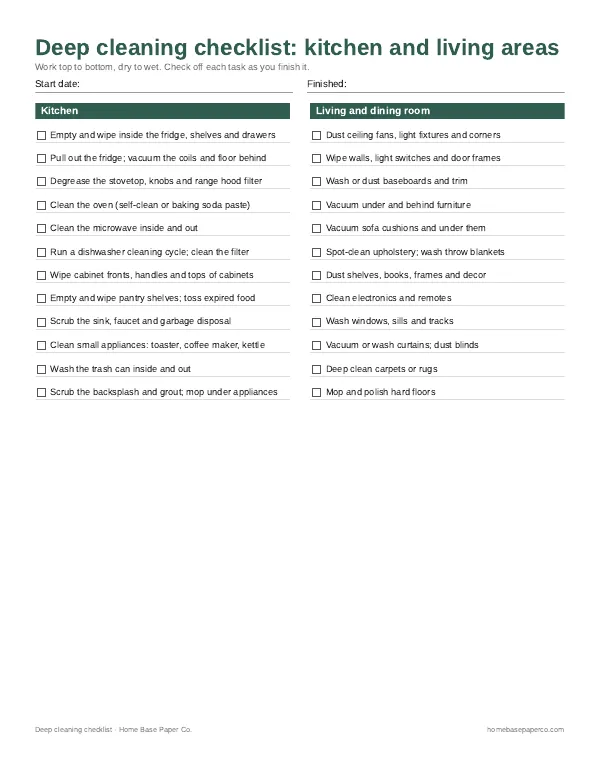
Clean the whole house in order: get the free deep cleaning checklist
A printable room-by-room deep cleaning checklist that tells you what to do first, so nothing gets cleaned twice. You'll also get our weekly HomeBase email with simple cleaning routines and chore ideas the whole family can help with.
Sources
- Drain cleaner poisoning (MedlinePlus) medlineplus.gov
- How to Care for Your Septic System (U.S. EPA) epa.gov