

The short answer: the best stain remover is the one matched to the stain: an enzyme product for protein stains (blood, egg, dairy, grass), heavy-duty liquid detergent for grease, oxygen bleach for coffee, tea, wine and fruit, and rubbing alcohol for ink. Treat it fast, rinse from the back of the fabric with cool water, and never put it in the dryer until the stain is gone.
- Stock five things: a prewash stain remover spray or stick, an enzyme laundry product, heavy-duty liquid detergent, oxygen bleach and rubbing alcohol
- The 4-step rule: remove the excess, flush with cool water from the back, pretreat 5–30 minutes, wash in the warmest water the care label allows
- Free download: get the free laundry schedule printable (we email it to you) so stain checks happen before the dryer, every time
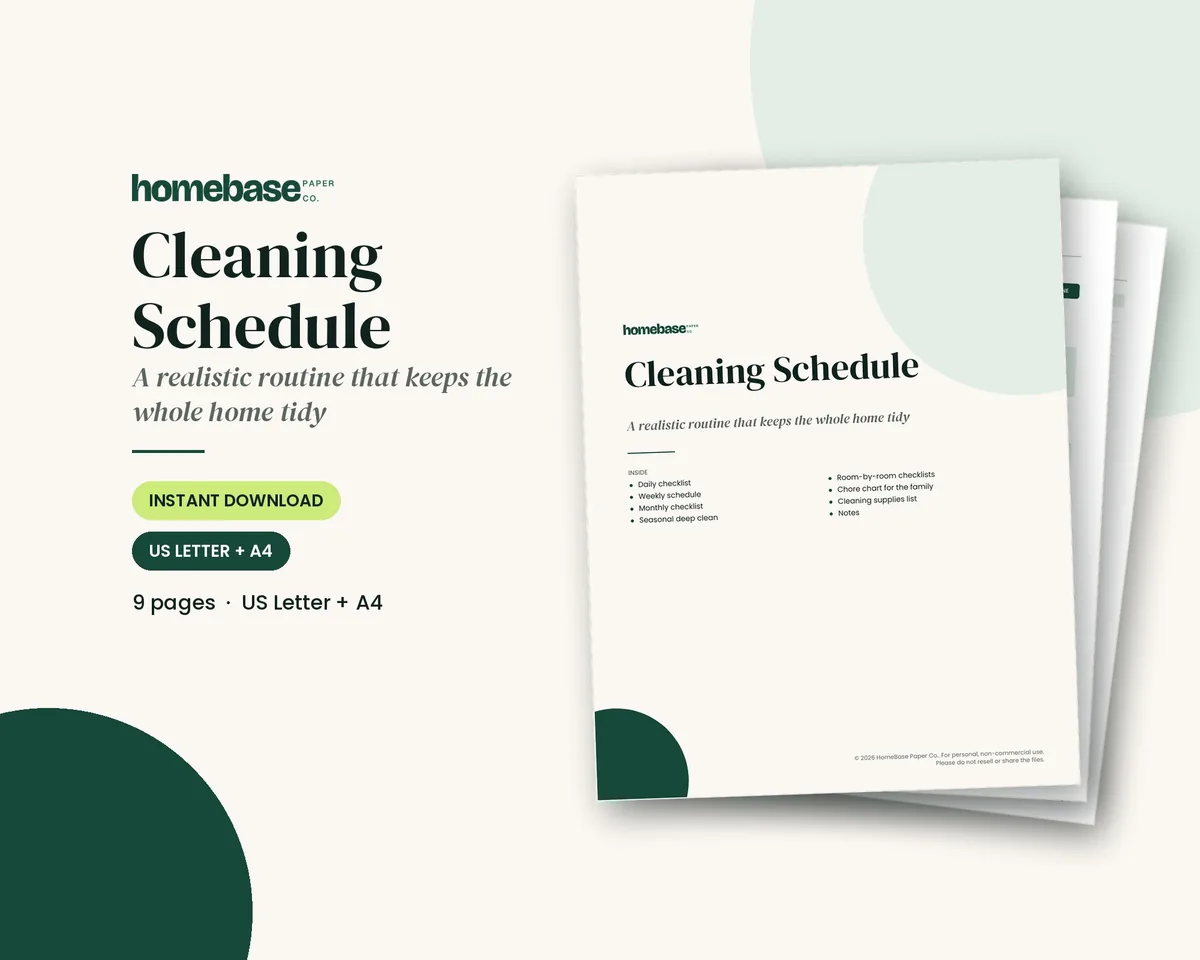
- Next step: put weekly laundry and linens on the Cleaning Schedule ($4.49)
Methods were checked November 12, 2026, against the American Cleaning Institute's stain guide and university extension stain charts. The sections below cover which stain remover to use, a stain-by-stain chart, DIY options and the mistakes that set a stain for good.
Which stain remover to use: the quick chart
| Stain remover type | Best for | How it works | Watch out for |
|---|---|---|---|
| Prewash spray, gel or stick | Everyday food, collar grime, makeup, grass | Detergent-style cleaners loosen the stain before washing | Let it sit the time on the label; don't let it dry on |
| Enzyme product (presoak or detergent) | Blood, egg, dairy, baby formula, grass, sweat | Enzymes break down protein and starch stains | Soak at least 30 minutes; longer for old stains |
| Heavy-duty liquid detergent | Grease, oil, butter, makeup, salad dressing | Surfactants lift oily soil; rub it straight in | Pair with the hottest water the label allows |
| Oxygen bleach (color-safe) | Coffee, tea, wine, juice, berries, tomato | Oxidizes colored stains on most colorfast fabrics | Test hidden seam first; skip on wool and silk |
| Chlorine bleach | Whites only: mildew, tough colored stains | Strong oxidizer | Never on colors, wool, silk or rust; never mix with ammonia |
| Rubbing alcohol | Ballpoint ink, marker, some lipstick | Dissolves the dye or wax | Blot onto paper towels from the back; test first |
| Dish soap | Small, fresh cooking-oil spots | Cuts kitchen grease | Follow with laundry detergent in the wash |
| Rust remover for fabric | Rust and orange-brown spots | Acid-based remover made for fabric | Chlorine bleach can make rust worse |
The American Cleaning Institute's stain removal guide uses the same pattern for nearly every stain: act early, pretreat with the right remover, then launder by the care label and repeat if it's still there.
Stain remover application method
- Remove the excess. Scrape solids with a spoon or dull knife and blot liquids. Don't rub, which pushes the stain deeper.
- Flush from the back. Run cool water through the back of the fabric so the stain leaves the way it came in. Hot water sets protein stains like blood and egg.
- Pretreat and wait. Apply the remover from the chart above, work it in gently with your fingers or a soft brush and let it sit 5 to 30 minutes (longer for an enzyme soak).
- Wash and check. Launder in the warmest water the care label allows, then check the spot before drying. If it's still there, repeat. The dryer's heat can make a stain permanent.
Money-saving tip: one bottle of heavy-duty liquid detergent and one tub of oxygen bleach cover most household stains. You don't need a separate product for every mess.
Stain remover chart by stain
| Stain | First move | Best stain remover | Wash |
|---|---|---|---|
| Blood (fresh) | Soak in cold water | Enzyme presoak if it's dried | Cold, then normal |
| Coffee or tea | Sponge with cool water | Prewash spray or liquid detergent | Oxygen bleach, or chlorine bleach on whites |
| Red wine | Blot, flush with cool water | Oxygen bleach soak | Warmest safe water; see our wine stain guide |
| Grease or cooking oil | Blot; cover with cornstarch | Heavy-duty liquid detergent | Hottest safe water; see our oil stain guide |
| Ballpoint ink | Blot onto paper towels | Rubbing alcohol from the back | Rinse, then wash; see ink out of clothes |
| Grass | Don't rub | Enzyme product | Warmest safe water |
| Chocolate | Scrape off excess; soak cool | Prewash stain remover | Hottest safe water |
| Tomato sauce or ketchup | Cold water through the back | Liquid detergent, then a mild bleaching agent on whites | Normal; check before drying |
| Sweat and deodorant | Rub with bar soap | Prewash spray; enzyme for old stains | Hottest safe water |
| Mud | Let it dry; brush off | Liquid detergent or enzyme presoak | Normal |
| Candle wax | Scrape; press between paper towels with a warm iron | Prewash remover on the leftover color | Normal |
| Lipstick or makeup | Blot | Prewash spray, liquid detergent or rubbing alcohol | Normal |
| Mustard | Flush with cold water | Prewash stain remover | Hottest safe water with bleach safe for the fabric |
| Rust | Don't use chlorine bleach | Rust remover made for fabric | Normal |
Each row follows the American Cleaning Institute guide and the University of Georgia Extension's stain removal library, which has a page for each stain group.
Protein vs. oily vs. dye stains: why the remover matters
- Protein stains (blood, egg, milk, formula, grass, sweat) cook into fabric with heat. Use cold water and an enzyme product.
- Oily stains (grease, butter, makeup, salad dressing) need detergent and hot water to lift the oil. The University of Kentucky's stain removal guide recommends heavy-duty liquid detergent for these.
- Dye and tannin stains (coffee, tea, wine, juice, berries) usually need an oxygen bleach soak, or chlorine bleach on white cotton.
- Combination stains (chocolate, lipstick, tomato sauce, gravy) have both. Treat the oil first with detergent, then the color with oxygen bleach.
DIY stain remover options from your pantry
| What you have | Use it on | How |
|---|---|---|
| Liquid dish soap | Fresh food grease | A few drops on the damp spot, wait a few minutes, rinse, then wash |
| Cornstarch or baking soda | Fresh oil and grease | Cover the spot 15–30 minutes to absorb oil, brush off, then pretreat |
| White vinegar | Sweat discoloration, barbecue sauce | Sponge on, rinse, then wash; the ACI lists it for both |
| Hydrogen peroxide (3%) | Light stains on whites | Test first; the ACI lists it as a mild bleaching agent for tomato stains on white fabric |
| Bar soap | Collar grime, sweat, fabric-softener spots | Dampen the stain and rub the bar right on it |
| Rubbing alcohol | Ink, marker | Blot from the back onto paper towels |
Safety tip: never mix chlorine bleach with ammonia or vinegar, because the fumes are hazardous. The ACI's guide calls out bleach and ammonia by name. If you want gentler products in general, look for the EPA Safer Choice label.
Stain remover mistakes that set stains for good
- Using the dryer too soon. Heat sets most stains. Air-dry until it's gone.
- Hot water on blood or egg. Heat cooks the protein into the fibers.
- Rubbing hard. It spreads the stain and roughs up fibers. Blot and work gently instead.
- Chlorine bleach on rust or colors. It can deepen rust and strip dye.
- Skipping the care label. Dry-clean-only, wool and silk need a cleaner, not a home soak.
- Letting a spray dry on. Most pretreatments work wet. Wash within the time on the label.
Build a stain kit and a laundry routine
Affiliate links: we may earn a small commission. As an Amazon Associate we earn from qualifying purchases. Details.
Optional examples of the product types above are Shout Free laundry stain remover spray and OxiClean Versatile stain remover powder. Choose a product your fabric label permits and follow its directions; these examples are not a tested brand ranking.
Most stains come out when they're caught the same day. A small kit by the washer (prewash spray, enzyme product, heavy-duty detergent, oxygen bleach, rubbing alcohol, a soft brush and white cloths) plus a set laundry day means fewer stains make it to the dryer. See how to do laundry for sorting and water temperature, and our laundry schedule for how often to wash towels, sheets and kids' clothes.

The Cleaning Schedule ($4.49) gives laundry, linens and stain checks a set day. For the whole house, the Home Management Bundle ($16.99, $32.94 when bought separately) adds the cleaning schedule to a home maintenance log, home inventory and moving checklist. Browse all home printables or more home organization guides.
Frequently asked questions
What is the best stain remover? The best stain remover depends on the stain: enzyme products for protein stains like blood and grass, heavy-duty liquid detergent for grease, oxygen bleach for coffee, wine and fruit, and rubbing alcohol for ink. Matching the remover to the stain matters more than the brand.
What is the best stain remover for clothes? For clothes, a prewash spray or stick handles everyday food and dirt, and an enzyme presoak handles protein and sweat stains. Keep oxygen bleach for colored stains like coffee and wine. Always check the care label and test a hidden seam first.
How do you use a stain remover? Remove the excess, flush cool water through the back of the fabric, apply the stain remover and let it sit 5 to 30 minutes, then wash in the warmest water the care label allows. Check the spot before drying and repeat if needed.
Do stain removers work on old stains? Yes, many old stains still fade with a long enzyme or oxygen bleach soak, sometimes several hours or overnight. The American Cleaning Institute recommends longer soaks for aged stains. Stains that went through the dryer may need two or three rounds.
What is a good homemade stain remover? Liquid dish soap works on fresh grease, cornstarch absorbs oil, bar soap handles collar grime and rubbing alcohol lifts ink. For light stains on whites, 3% hydrogen peroxide is a mild bleaching agent, but test it first because it can lighten colors.
Can you mix stain removers? Don't mix stain removers or cleaning products. In particular, never mix chlorine bleach with ammonia or vinegar, because the fumes are hazardous. Use one remover, rinse it out and then try a different one if the stain remains.
Should you use hot or cold water on stains? Use cold water first on protein stains like blood, egg and dairy, because heat sets them. Oily stains like grease and butter need the hottest water the care label allows. When you don't know what the stain is, start cold.
How long should a stain remover sit before washing? Most prewash sprays and sticks work in 5 to 10 minutes, and enzyme soaks need at least 30 minutes, longer for old stains. Don't let a spray dry on the fabric. Follow the time on the product label.
Why did my stain come back after washing? A stain that shows up after drying was not fully removed before the dryer heated it. Re-treat it with the matching stain remover, wash again and air-dry until it is gone. Checking every stained item before it goes in the dryer prevents this.
Is oxygen bleach safe on colors? Oxygen bleach is safe on most colorfast fabrics, which is why it's the go-to remover for coffee, wine and fruit stains on colored clothes. Test it on a hidden seam first, and skip it on wool, silk and anything labeled non-bleach.
How do I remember to check clothes for stains? Give laundry a set day and add a stain check before the dryer. The Cleaning Schedule ($4.49) puts laundry and linens on a weekly plan, and our free laundry schedule printable lists how often to wash each item.
What printable helps keep up with laundry and cleaning? The Home Management Bundle is $16.99, compared with $32.94 for its items bought separately. It includes the Cleaning Schedule plus a home maintenance log, home inventory and moving checklist, so laundry and the rest of the house run on one plan.
Make it easier
Tools for this
Printables
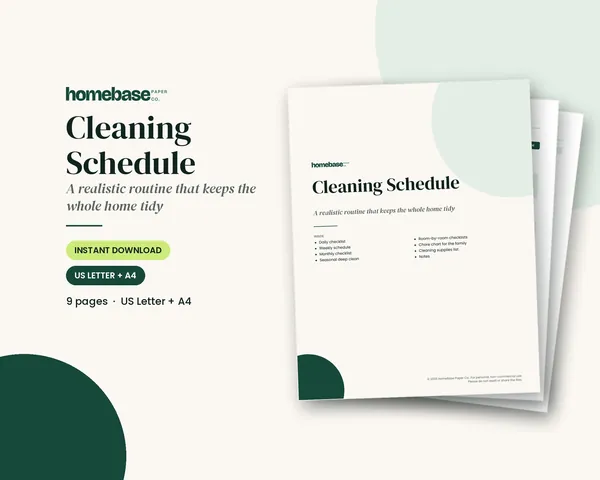
Cleaning Schedule
Daily, weekly, monthly and seasonal lists - plus a family chore chart.
Save 48%Bundles
Home Management Bundle
Household binder, maintenance log, moving planner, cleaning schedule, home inventory and password log.
Printables
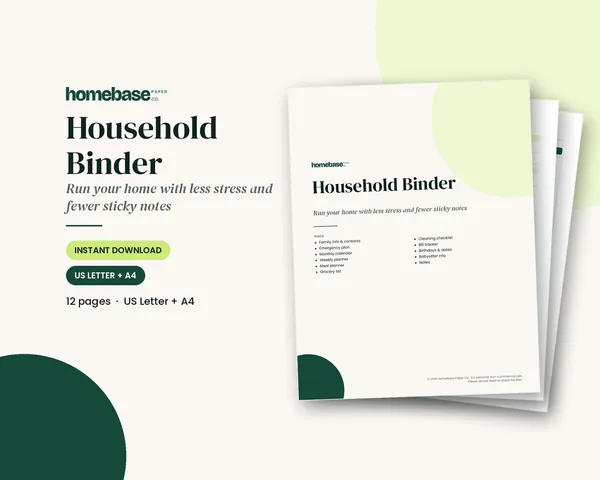
Household Binder
Family info, emergency plan, calendars, meals, groceries, cleaning, bills and sitter notes.
More from HomeBase
You may also like

Printables
Home Maintenance Log
Monthly, seasonal and annual checklists plus a record of every appliance and repair.

Printables
Home Inventory
Printable pages and a spreadsheet that totals the value of every room.

Printables
Vehicle Maintenance Log
Oil changes, repairs, tires, fuel and MPG, trip mileage and renewal dates - so resale and warranty records are easy.

 Club
Monthly club
Planner & Calendar Club
Anyone who wants a monthly calendar, bill calendar and meal plan ready to print.
Free printable
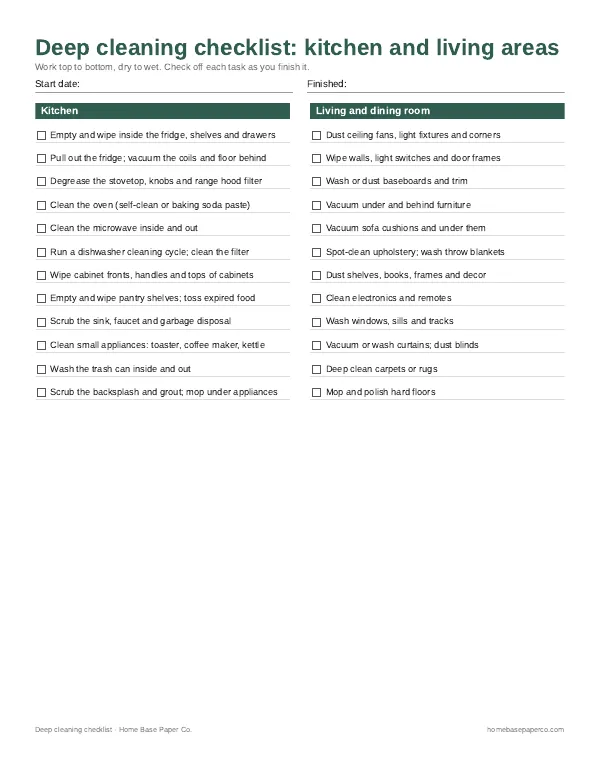
Clean the whole house in order: get the free deep cleaning checklist
A printable room-by-room deep cleaning checklist that tells you what to do first, so nothing gets cleaned twice. You'll also get our weekly HomeBase email with simple cleaning routines and chore ideas the whole family can help with.
Sources
- American Cleaning Institute: Stain removal guide cleaninginstitute.org
- University of Georgia Extension: Stain removal site.extension.uga.edu
- University of Kentucky: Stain removal guide publications.mgcafe.uky.edu
- EPA: Safer Choice epa.gov