
 The Holiday Collection

The short answer: holiday pay is either your regular pay for a paid day off or a premium rate, often time and a half or double time, if you work that day.
- Not required by federal law for most private jobs
- The FLSA leaves it to agreement between employer and employee
- Federal employees, union contracts and some state rules differ
- How to calculate it and questions to ask your employer
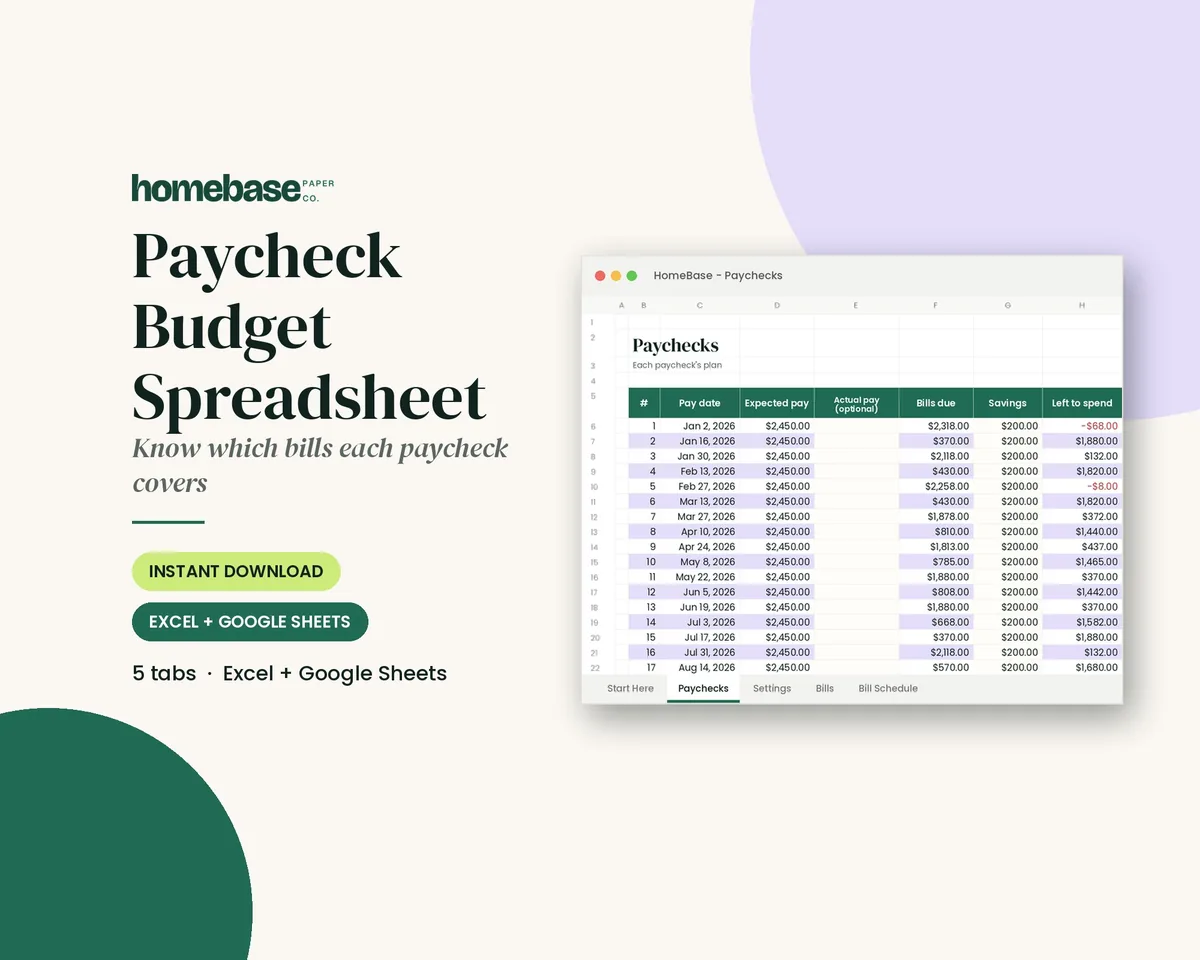
- Next step: Plan it with the Paycheck Budget Spreadsheet ($5.99).
Holiday pay is what your employer pays you for a holiday: either your regular pay for a paid day off, or a premium rate, often time and a half or double time, if you work that day. Many people assume holiday pay is required by law. For most private jobs in the US it is not. The Department of Labor says the FLSA does not require payment for time not worked, such as holidays, and that it is a matter of agreement between employer and employee. Below is how holiday pay usually works, how to calculate it, which holidays are commonly paid, the rules for federal workers and how to plan your budget around holiday paychecks.
How holiday pay works
There are two kinds of holiday pay, and an employer may offer one, both or neither.
| Type | What it means | Example |
|---|---|---|
| Paid holiday off | You get your normal pay for a holiday you do not work | Off on Thanksgiving, paid 8 hours |
| Holiday premium pay | You get a higher rate for hours worked on a holiday | Work Christmas Day at time and a half |
| Both | Paid for the holiday plus premium pay for hours worked | Paid 8 holiday hours plus 8 worked hours at 1.5x |
| Neither | The holiday is a normal unpaid day off or a normal workday | Common for new, part-time or hourly retail jobs |
Your employee handbook, offer letter or union contract is where the real answer lives. If the policy is in writing, your employer is expected to follow it. Not sure whether your office, bank or the stock market is even open on January 1? Our New Year's Day guide lists the closures.
Is holiday pay required by law?
Under federal law, no, for most private employers. The Fair Labor Standards Act sets minimum wage and overtime rules, but it does not require pay for holidays you do not work. The Department of Labor's overtime page also says the FLSA does not require overtime pay for work on Saturdays, Sundays, holidays or regular days of rest, unless overtime is worked on those days.
There are a few exceptions:
- Some federal contracts. Under the Service Contract Act and the Davis-Bacon and Related Acts, holiday pay may be required when the contract's wage determination says so.
- Federal employees. Holidays and holiday premium pay are set by federal law (see below).
- State and local rules. A few states have special pay rules for certain workers on certain holidays. Check your state labor department.
- Union contracts. Collective bargaining agreements often require paid holidays and premium rates.
How to calculate holiday pay
Use your regular rate and the multiplier in your employer's policy.
| Situation | Formula | Example at $20/hour |
|---|---|---|
| Paid holiday off, 8-hour day | 8 × regular rate | $160 |
| Work holiday, time and a half | Hours × rate × 1.5 | 8 × $20 × 1.5 = $240 |
| Work holiday, double time | Hours × rate × 2 | 8 × $20 × 2 = $320 |
| Paid holiday plus work at 1.5x | (8 × rate) + (hours × rate × 1.5) | $160 + $240 = $400 |
| Salaried, paid holiday off | No change to salary | Same paycheck |
Holiday pay and overtime
The FLSA applies on a workweek basis: overtime is owed for hours actually worked over 40 in a workweek. Under federal rules, paid hours for a holiday you did not work generally do not count toward those 40 hours. Hours you actually work on the holiday do count. So in a Thanksgiving week where you are paid for Thursday off and work 40 hours on the other days, you would usually get 40 regular hours plus 8 holiday hours, with no overtime. Some employers are more generous, so check your policy.
Which holidays usually get holiday pay?
Private employers pick their own paid holidays. Most start with the six biggest and add more.
Halloween is not on the list. For what is open and closed on October 31, see is Halloween a bank holiday?
Good Friday is not a federal holiday, but some employers give the day off; see Good Friday 2027. When a holiday falls on a Saturday, like Juneteenth 2027, federal workers get the Friday before.
Planning ahead for 2027? See our guides to MLK Day 2027, Labor Day 2027 and the Columbus Day holiday for dates and what is closed.
| Holiday | 2026 date | Commonly paid by private employers? |
|---|---|---|
| New Year's Day | Thursday, January 1 | Almost always |
| Martin Luther King Jr. Day | Monday, January 19 | Often |
| Presidents' Day (Washington's Birthday) | Monday, February 16 | Sometimes |
| Memorial Day | Monday, May 25 | Almost always |
| Juneteenth | Friday, June 19 | Increasingly |
| Independence Day | Observed Friday, July 3 | Almost always |
| Labor Day | Monday, September 7 | Almost always |
| Columbus Day | Monday, October 12 | Less often |
| Veterans Day | Wednesday, November 11 | Less often |
| Thanksgiving Day | Thursday, November 26 | Almost always |
| Day after Thanksgiving | Friday, November 27 | Often (not a federal holiday) |
| Christmas Eve | Thursday, December 24 | Sometimes (not a federal holiday) |
| Christmas Day | Friday, December 25 | Almost always |
Dates are from OPM's federal holiday schedule. Many employers also offer a floating holiday you can use for a birthday or a religious holiday.
Holiday pay for federal employees
Federal holidays are set by law, 5 U.S.C. 6103, and the Office of Personnel Management publishes the dates each year. There are 11 federal holidays. When a holiday falls on a Saturday, most federal employees get the Friday before as their holiday for pay and leave purposes. When it falls on a Sunday, they get the following Monday. For 2027, that means Independence Day is observed Monday, July 5, and Christmas is observed Friday, December 24. OPM also notes that employees who are required to perform work on a holiday are entitled to holiday premium pay.
New Year's Day moves when it falls on a weekend; see when is New Years? for 2027 and 2028.
State and local government workers follow their own state's holiday rules, which often match the federal list with a few changes.
Holiday pay terms you will see
Handbooks use a lot of overlapping words. Here is what the common ones usually mean.
- Paid holiday: a day off with your regular pay.
- Holiday premium pay: a higher hourly rate for working on a holiday, such as 1.5x or 2x.
- Floating holiday: a paid day off you choose, often for a birthday or a religious or cultural holiday not on the company list.
- In-lieu-of holiday: a substitute day off when a holiday falls on a weekend or your regular day off.
- Holiday eligibility rule: a condition such as working your last scheduled shift before and your first shift after the holiday to get paid for it.
- PTO: paid time off from a general bank. Some employers count holidays separately; others expect you to use PTO for holidays.
Knowing which term applies tells you whether a holiday adds to your paycheck, keeps it the same or uses up your PTO.
Questions to ask about your holiday pay policy
- Which holidays are paid, and is there a floating holiday?
- Do part-time employees get holiday pay, and is it prorated?
- Is there a waiting period before new hires get paid holidays?
- What is the premium rate for working a holiday?
- What happens when a holiday falls on my day off or during vacation?
- Do I have to work the scheduled day before and after to get paid for the holiday?
Ask by email if the answer is not in the handbook, so you have it in writing.
Budgeting around holiday paychecks
Holidays change paychecks in two ways. A holiday premium can make a check bigger, which is a good chance to cover December costs or add to savings. And a holiday on payday can move your deposit a day earlier or later, which matters when rent or a car payment is due the same day.
- Mark paid holidays on your calendar with the expected pay rate.
- Estimate the extra. If you will work Christmas at time and a half, figure the bonus amount before you spend it.
- Give the extra a job. Put it toward holiday gifts, an end-of-year bill or savings.
- Watch payday shifts. If a payday lands on a holiday, plan as if the money arrives on the later date.
- Unpaid holidays need a plan too. If your job does not pay holidays, a short week in November or December means a smaller check. Set aside a little from earlier paychecks.
The Paycheck Budget Spreadsheet ($5.99) calculates every pay date for the year for weekly, biweekly, semi-monthly or monthly pay. Enter your bills once and it assigns each one to the right paycheck, shows what is left to spend from each check and lets you move a bill to a different paycheck in a holiday week.
For more on what lands in your account, read how to read a pay stub. Our holiday calendar lists the season's key dates, and our guide on what to do with a Christmas bonus helps you plan for extra holiday income.
Wondering which businesses stay open on December 24? Our guide to what's open on Christmas Eve covers banks, stores and the post office.

The Holiday Collection
Give every person a limit and watch what's left
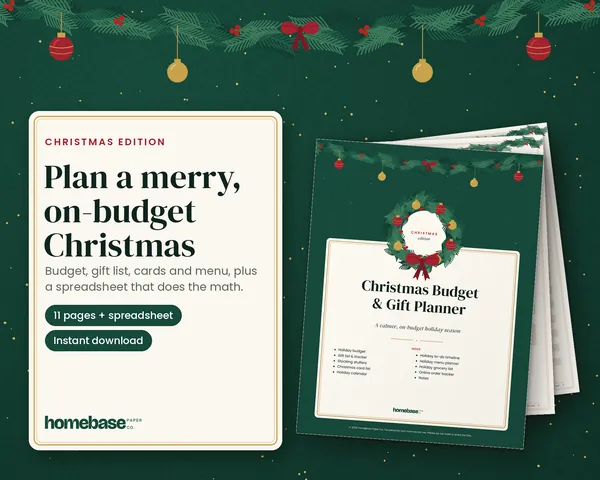
The Christmas Budget & Gift Planner adds up every list for you: a budget for each person, a log of each purchase and the amount left to spend, plus printable gift, card, menu and to-do pages.
- Spreadsheet for Excel and Google Sheets
- 11 printable pages, US Letter + A4
- Instant download, 14-day fix-or-refund promise

Planning the whole season? See the holiday sets from $7, with early prices through Cyber Monday
Make it easier
Tools for this
Spreadsheets
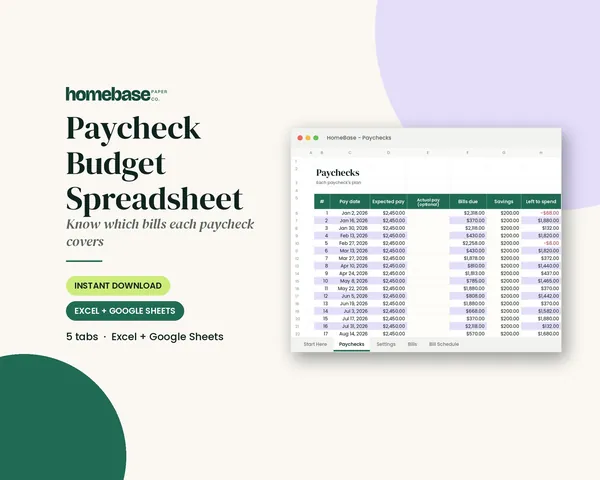
Paycheck Budget Spreadsheet
Enter your bills once. The sheet tells you which paycheck pays each one, all year.
Frequently asked questions
What is holiday pay? Holiday pay is the wages an employer pays for a holiday, either as paid time off when you do not work or as a higher rate, often time and a half or double time, when you do work. In the private sector it is a benefit set by company policy, an employment contract or a union agreement.
Is holiday pay required by law? Holiday pay is not required by federal law for most private jobs. The Department of Labor says the FLSA does not require payment for time not worked, such as holidays, and that these benefits are generally a matter of agreement between employer and employee. Some government contracts and a few state rules are exceptions.
Do you get time and a half for working on a holiday? Only if your employer's policy or contract says so, or if your hours that week go over 40. The FLSA does not require overtime pay for work on holidays unless overtime is actually worked. Many employers still offer time and a half or double time on major holidays as a perk.
How is holiday pay calculated? For a paid day off, holiday pay is usually your regular daily pay, such as 8 hours at your normal rate. For working a holiday, multiply the hours by the premium rate in your policy. For example, 8 hours at $20 an hour with time and a half is $240 instead of $160.
Which holidays usually get holiday pay? The holidays most employers pay for are New Year's Day, Memorial Day, Independence Day, Labor Day, Thanksgiving and Christmas. Many also add Martin Luther King Jr. Day, Presidents' Day, Juneteenth, the day after Thanksgiving, Christmas Eve or a floating holiday. Your handbook lists them.
Do part-time workers get holiday pay? Not necessarily: whether part-time workers get holiday pay depends on the employer. Federal law does not require holiday pay for part-time or full-time private employees. Some companies give part-timers prorated holiday pay based on usual hours, others give none, and some require a minimum length of service first. Check your handbook or ask HR.
Does holiday pay count toward overtime? No, generally not: paid hours for a holiday you did not work generally do not count as hours worked toward the 40-hour overtime threshold under federal law. Hours you actually work on the holiday do count. Some employers choose to count holiday hours anyway, so check your policy.
Do federal employees get holiday pay? Yes, federal employees get holiday pay. Federal employees get 11 paid federal holidays set by law, and OPM publishes the dates each year. When a holiday falls on a Saturday, most federal workers get the Friday before off; on a Sunday, the Monday after. Federal employees required to work on a holiday receive holiday premium pay.
What if a holiday falls on my day off? Many employers give another day off or an extra day's pay when a paid holiday falls on your regular day off, but it is not required by federal law. Federal workers get an in-lieu-of day under OPM's rules. Private employers follow their own written policy.
Can an employer require you to work on a holiday? Yes, an employer can generally require you to work on a holiday. Federal law does not give private employees a right to holidays off, so employers can schedule you to work. Religious accommodation rules may apply if a holiday conflicts with your faith, and union contracts often set holiday scheduling and premium pay.
Is holiday pay taxed differently? No, holiday pay is not taxed differently. Holiday pay is regular wages for tax purposes, so federal and state income tax, Social Security and Medicare are withheld the same way. A paycheck with extra holiday premium pay may have more withheld because the check is larger, but the tax rules are the same.
How do I find out my employer's holiday pay policy? Look in your employee handbook, offer letter or union contract for a section on paid holidays or premium pay. If it is not written down, ask HR or your manager by email so you have the answer in writing. Note which holidays are paid and whether working them earns a premium rate.
More from HomeBase
You may also like
Printables
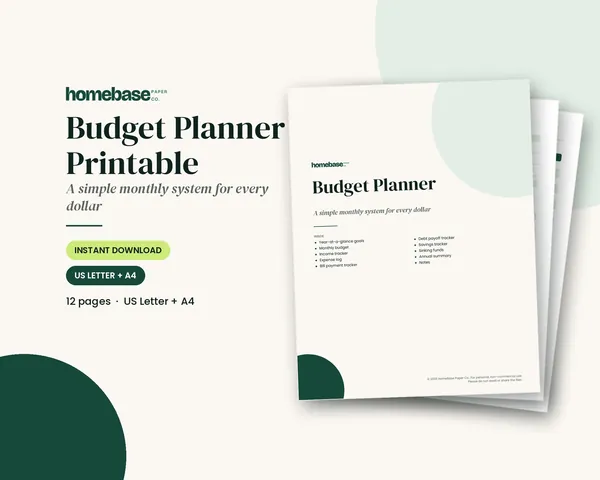
Budget Planner Printable
Twelve undated pages you can print every month: budget, bills, spending, savings and debt.
Spreadsheets
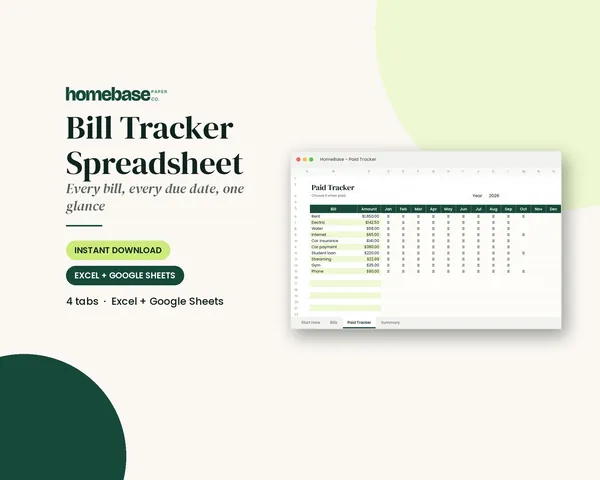
Bill Tracker Spreadsheet
Bills due in 3 days or less light up red, so nothing slips through.
Spreadsheets
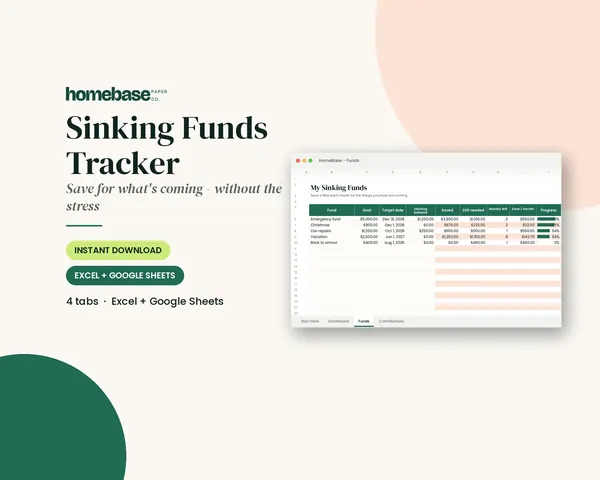
Sinking Funds Tracker
It does the math: how much to set aside each month to hit every goal on time.
Spreadsheets
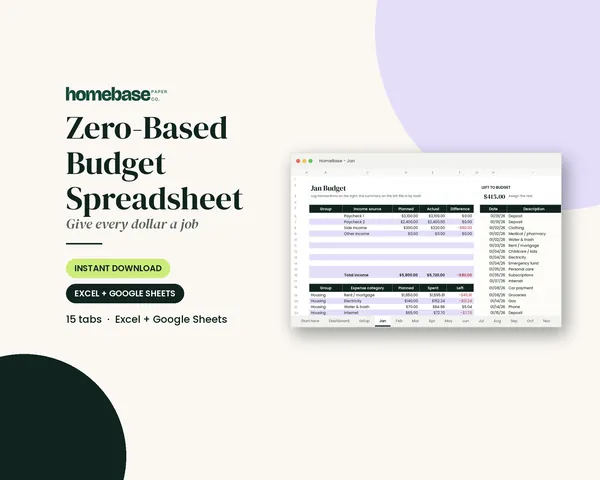
Zero-Based Budget Spreadsheet
The 'Left to budget' counter turns green when every dollar has a job.
 Club
Monthly club
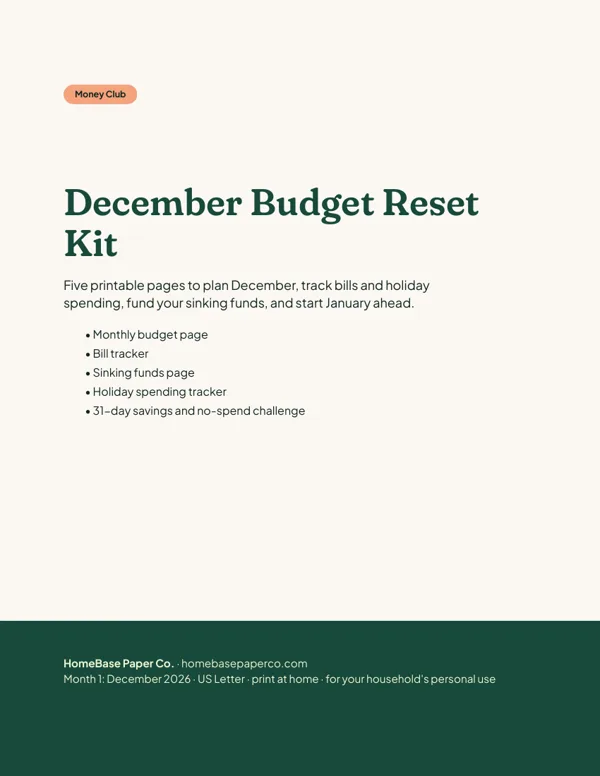
Money Club
Anyone who wants a clear plan for the month's bills, holiday spending and savings.
Free printable
Get the free Holiday Budget Starter Kit
A one-page holiday budget, a gift list with a spending limit for every person, and a 6-week countdown so December stays calm and paid for. You'll also get our weekly HomeBase email with simple holiday planning, budgeting and hosting tips.
