

The short answer: New Year's Day is January 1, the first day of the Gregorian calendar year and a US federal holiday. In 2027 it falls on Friday, January 1, so federal offices, the New York Stock Exchange and Federal Reserve Banks are closed that day.
- Dates: Jan 1, 2027 is a Friday; Jan 1, 2028 is a Saturday (federal employees observe Friday, Dec 31, 2027); Jan 1, 2029 is a Monday
- Closed: federal government offices, the stock market and Federal Reserve Banks; varies: stores, restaurants and local offices
- Free planner: get the free New Year's planner (we email it to you), or the Holiday Budget Starter Kit (3 US Letter pages, emailed after you join)
- Money reset: the Annual Budget Spreadsheet is $6.99 and the Printable Budget Planner is $5.99
Our picks for new year's day
Spreadsheets
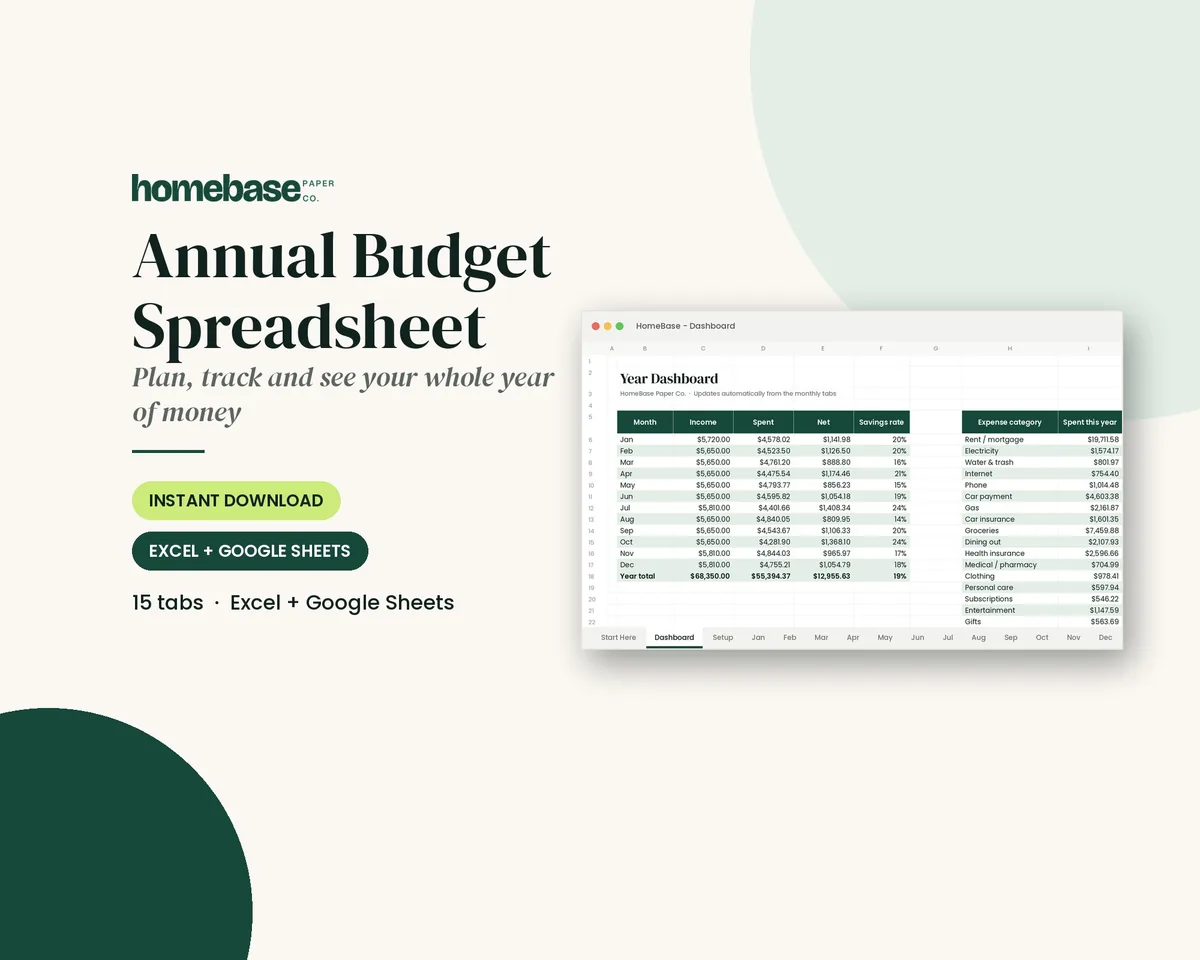
Annual Budget Spreadsheet
See exactly where your money goes every month - without complicated software.
Printables
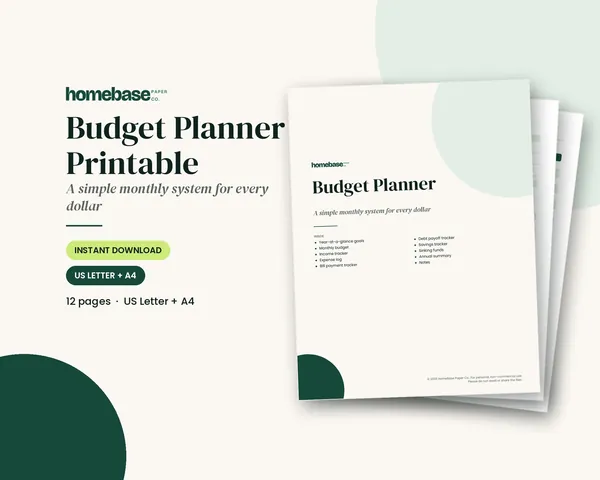
Budget Planner Printable
Twelve undated pages you can print every month: budget, bills, spending, savings and debt.
Spreadsheets
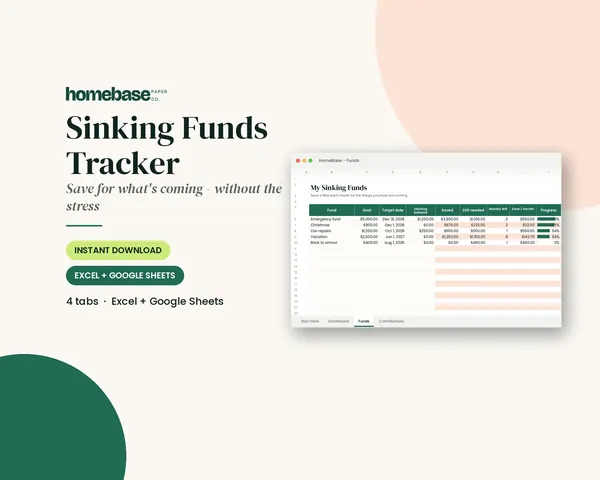
Sinking Funds Tracker
It does the math: how much to set aside each month to hit every goal on time.
 Save 38%
Bundles
Holiday Season Bundle
Plan Christmas, save for it all year, and host without the January money hangover.
Dates and closures checked November 9, 2026. Below: New Year's Day dates through 2031, what is open and closed, the history, traditions, and a one-hour money reset for January 1.
New Year's Day dates, 2027 to 2031
| Year | New Year's Day | Weekday | Federal employees observe |
|---|---|---|---|
| 2027 | January 1, 2027 | Friday | Friday, Jan 1 |
| 2028 | January 1, 2028 | Saturday | Friday, Dec 31, 2027 |
| 2029 | January 1, 2029 | Monday | Monday, Jan 1 |
| 2030 | January 1, 2030 | Tuesday | Tuesday, Jan 1 |
| 2031 | January 1, 2031 | Wednesday | Wednesday, Jan 1 |
New Year's Day always lands on January 1. Only the weekday changes. If you want the full 2026-2028 date list with New Year's Eve and closures, see when is New Year's. To plan the night before, use our New Year's Eve ideas.
Is New Year's Day a federal holiday?
Yes. January 1 is one of the federal holidays listed in 5 U.S.C. 6103, and the Office of Personnel Management's federal holiday schedule shows when it is observed. Two details matter:
- When it falls on a Saturday, federal employees generally observe the Friday before. When it falls on a Sunday, they observe the Monday after.
- Private employers don't have to give the day off. A federal holiday sets days off for federal workers. Whether your job closes is up to your employer, your contract or your state.
What is open and closed on New Year's Day?
| Place | Usually on New Year's Day | Notes |
|---|---|---|
| Federal government offices | Closed | Federal holiday |
| New York Stock Exchange | Closed | NYSE shows 2027 closed on Friday, Jan 1, with trading back on Monday, Jan 4 |
| Federal Reserve Banks | Closed | See the Fed's holidays observed schedule. When Jan 1 is a Saturday, the Fed is open the Friday before |
| Banks and credit unions | Most branches closed | Online and mobile banking still work, but transfers can post the next business day |
| Grocery stores, pharmacies, gas stations | Varies by chain and town | Many open with shorter hours. Check the store's page before you go |
| Restaurants and coffee shops | Varies | Brunch spots often open, so book ahead |
| Schools | Closed | Winter break usually runs through the first week of January |
Money-saving tip: pay bills and schedule transfers on December 30 or 31. A payment you start on January 1 can post a day or more later, which matters for due dates on the 1st and 2nd.
History of New Year's Day
- Roman calendar: early Roman years began in March. The Julian calendar, introduced by Julius Caesar in 46 BCE, made January 1 the start of the civil year. Time and Date has a short history of the date.
- Gregorian calendar: Pope Gregory XIII introduced the calendar we use today in 1582, which kept January 1 as New Year's Day and fixed the drift in the Julian calendar.
- In English-speaking places, the year officially began on March 25 for centuries. Britain and its colonies, including those that became the United States, moved the start of the year to January 1 when they adopted the Gregorian calendar in 1752.
New Year's Day traditions
| Tradition | Where | What happens |
|---|---|---|
| Rose Parade and college football | Pasadena, California | The parade is a January 1 tradition. When Jan 1 falls on a Sunday it moves to Monday, Jan 2 |
| Polar bear plunges | Coastal US towns | Groups run into cold water on the morning of Jan 1 |
| Hatsumode | Japan | The first shrine or temple visit of the year |
| First-footing | Scotland | The first person to cross the threshold after midnight is meant to bring luck |
| Twelve grapes | Spain and Latin America | One grape for each strike of the clock at midnight on Dec 31 |
| Open house and calls | US families | Visiting friends, watching bowl games and starting the year slowly |
Looking for lucky foods and superstitions? We keep those on dedicated pages: New Year's superstitions and the New Year's Day meal guide.
New Year's Day vs. New Year's Eve
| New Year's Eve | New Year's Day | |
|---|---|---|
| Date | December 31 | January 1 |
| Federal holiday | No | Yes |
| Typical plans | Parties, countdowns, fireworks | Parades, football, rest and fresh starts |
| Best for money | Pay bills, review the year | Set the new budget, open sinking funds |
| Our page | New Year's Eve ideas | This page |
A one-hour money reset for January 1
Many people use January 1 as a clean start. Here is a short list you can finish in about an hour, with a link for each step:
| Step | Time | What to do |
|---|---|---|
| Review last year | 15 min | Add up what you earned, spent and saved. Note the three biggest categories. |
| Pick three goals | 10 min | One savings goal, one debt goal, one spending limit. Use our financial goals guide. |
| Check your credit report | 10 min | Look for errors and accounts you don't recognize. See how to check your credit report. |
| Build the new budget | 20 min | Start with last year's actuals, then adjust. Our new year budget guide walks through it. |
| Open sinking funds | 5 min | Set aside money each month for car registration, gifts, travel and holidays. |
If you like paper, the free New Year's planner (we email it to you) has space for goals and a monthly plan. For a budget you can reuse all year, the Annual Budget Spreadsheet ($6.99) tracks 12 months, and the Printable Budget Planner ($5.99) is the paper version. Browse the whole Printables line if you want to pick your own.
New Year's resolutions that work
Pick fewer, smaller resolutions and attach each to a date and a number. "Save $50 a week" beats "save more." If you want ideas, our New Year's resolutions list has options for money, health and home. Keep the first month easy so the habit sticks.
Is New Year's Day a paid day off at work?
It depends on who you work for. Federal employees get the day off with pay, and those who must work a federal holiday generally earn holiday premium pay under federal rules (ask your agency's HR office for the exact rate). Private employers set their own holiday policy, so check your handbook or offer letter. If you're hourly and your workplace closes, ask whether the day is paid before you budget around it.
Money-saving tip: if you work a holiday shift and get extra pay, put the premium straight into a sinking fund or a savings goal before it blends into your regular spending.
Low-cost ways to spend New Year's Day
- Take a walk or hike. Many state and local parks run free or low-cost "first day" hikes on January 1.
- Watch the parades and bowl games at home. A potluck or a snack board costs far less than going out.
- Do a home reset. Clear one drawer, one closet or one stack of papers, and the year starts lighter. Our home organizing printables can help.
- Plan the year on paper. Block out birthdays, trips and bill dates on a calendar. The 2027 calendar printable is free and emailed to you.
- Make a no-spend day. Treat January 1 as a day when nothing gets bought except essentials. It is an easy first win for a savings goal.
Plan the holidays before they plan you
See exactly where your money goes every month - without complicated software.
$6.99 · Instant download. Print at home or fill it in on screen. Or browse the full Budget & Money collection.
Frequently asked questions
What is New Year's Day? New Year's Day is January 1, the first day of the year on the Gregorian calendar used in the United States and most of the world. It is a US federal holiday, so federal offices, the stock market and Federal Reserve Banks are closed, and many people spend it resting, visiting family, watching parades or football, and setting goals for the year.
What day is New Year's Day in 2027? New Year's Day in 2027 is Friday, January 1. Federal employees observe it that same day, and the New York Stock Exchange is closed, with trading resuming Monday, January 4, 2027.
Is New Year's Day a federal holiday? Yes, New Year's Day is a federal holiday. January 1 is listed in 5 U.S.C. 6103, and the Office of Personnel Management publishes the observed dates. Private employers are not required to close, so whether you get the day off depends on your employer.
What happens when New Year's Day falls on a weekend? When January 1 falls on a Saturday, federal employees generally observe the Friday before, and when it falls on a Sunday they observe the Monday after. Federal Reserve Banks follow a different rule for Saturdays and stay open the Friday before, so check the Fed's holiday schedule for banking days.
Are banks open on New Year's Day? Most bank branches are closed on New Year's Day because Federal Reserve Banks are closed. Online and mobile banking still work, but transfers and payments you start that day usually post on the next business day, so schedule important payments before December 31.
Is the stock market open on New Year's Day? No, the New York Stock Exchange is closed on New Year's Day. In 2027 it is closed on Friday, January 1, and reopens Monday, January 4. Check the NYSE holiday calendar for early closes around New Year's Eve.
Why is New Year's Day on January 1? New Year's Day is on January 1 because the Julian calendar, introduced by Julius Caesar in 46 BCE, made January 1 the start of the civil year, and the Gregorian calendar introduced in 1582 kept it. Britain and its American colonies adopted January 1 as the start of the year in 1752.
What is the difference between New Year's Day and New Year's Eve? New Year's Eve is the night of December 31, usually celebrated with parties and a midnight countdown, and New Year's Day is January 1, the federal holiday that follows. Banks and government offices close on New Year's Day, not on New Year's Eve.
What should I do on New Year's Day to start the year well? Set three specific goals, review last year's spending and build a simple budget for the new year. A one-hour reset with a free planner, such as our New Year's planner, is enough to get started. Keep the first month's goals small so you build momentum.
Do I get paid extra for working on New Year's Day? Not necessarily. Federal law does not require private employers to pay holiday premium pay, so it depends on your employer, your contract and any union agreement. Federal employees who work on a federal holiday generally receive holiday premium pay under federal rules, so check with your agency's HR office.
Free printable
Get the free Holiday Budget Starter Kit
A one-page holiday budget, a gift list with a spending limit for every person, and a 6-week countdown so December stays calm and paid for. You'll also get our weekly HomeBase email with simple holiday planning, budgeting and hosting tips.

Sources
- 5 U.S.C. 6103: Holidays uscode.house.gov
- OPM: Federal holidays opm.gov
- Federal Reserve: Holidays observed federalreserve.gov
- NYSE: Holidays and trading hours nyse.com
- Time and Date: New Year's Day in the US timeanddate.com