

The short answer: new year's resolutions usually fail because of the plan, not the goal. Here are 60 ideas for 2027 and a simple plan for each.
- Each one needs an action, a number, a when and where
- Add a tracker and a review day
- Never miss twice
- Ideas for money, health, home and family
- Next step: Plan it with the Debt Payoff Planner ($6.99).
New year's resolutions get a bad reputation, but the problem usually isn't the goal. It's the plan. A resolution like "save more money" or "get healthy" gives you nothing to do on an ordinary Tuesday in February. This guide gives you 60 new year's resolutions for 2027, sorted by area of life, and a simple plan to turn each one into something you will actually do. Most of our ideas focus on money, home and family, because that's where small changes add up fastest.
Why new year's resolutions are so popular
People have made promises at the turn of the year for a very long time. National Geographic traces the tradition back about 4,000 years to ancient Babylon. Later, the Romans made January 1 the start of the year. Their new year customs included cleaning the house, stocking the pantry, paying off debts and returning borrowed items. In other words, some of the oldest new year's resolutions on record were money and home goals.
The hard part has always been keeping them. Most people start January with energy and lose steam by February. That is the reason this page spends as much time on how to keep a resolution as on what to pick.
How to choose your new year's resolutions
Start by looking back before you look ahead. Spend 15 minutes with last year's calendar and bank statements. Ask three questions:
- What went well that I want more of?
- What cost me money, time or energy I'd like back?
- What one change would make next December easier?
Then choose one to three resolutions. A short list matters. Each new habit needs attention, and attention runs out. You can add a new goal once the first one feels automatic. For a step-by-step method, see our goal-setting guide.
Turn each resolution into a plan
A resolution that sticks has five parts. Write each one down.
- The action. Something you can do today, like "pack lunch" rather than "eat better."
- A number. How much, how often or how long. "Save $25 every Friday."
- A when and where. Tie it to something you already do. "After I start the coffee, I'll check my budget app."
- A tracker. A box to check each day. Seeing a streak keeps you going.
- A review day. Pick one day a week, such as Sunday, to look at your progress and adjust.
NIH News in Health gives similar advice for building healthy habits: plan small, realistic goals, change your surroundings so the healthy choice is the easy one, track your progress and reward yourself for small wins. It also says to be patient, since setbacks happen. Our free habit tracker printable is built around that plan, with a 31-day grid and a habit plan page. If your goal is to lose weight, this normal diet to lose weight lays out a 7-day plan and a grocery list to start from.
Money resolutions for 2027
Money resolutions are some of the easiest to measure, which makes them some of the easiest to keep. Pick one or two of these.
- Write a budget before each month starts.
- Check your spending every Sunday for 10 minutes.
- Build a starter emergency fund of $1,000.
- Pay off one credit card completely.
- Try a no-spend weekend once a month. Ready for more? Try a no-buy challenge.
- Save $25 or $50 from every paycheck automatically.
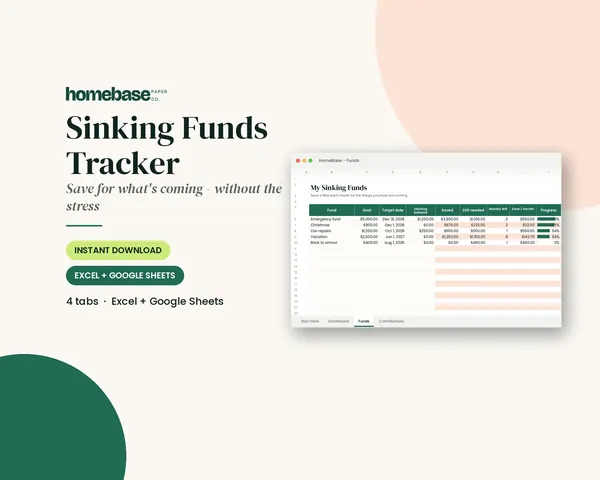
- Start sinking funds for car repairs, gifts and annual bills.
- Cancel subscriptions you haven't used in 60 days.
- Pack lunch for work three days a week.
- Plan meals and shop from a list every week.
- Start saving for Christmas 2027 in January.
- Raise your retirement contribution by 1%.
- Pull your free credit reports and check them for errors.
- Have a monthly budget meeting with your partner.
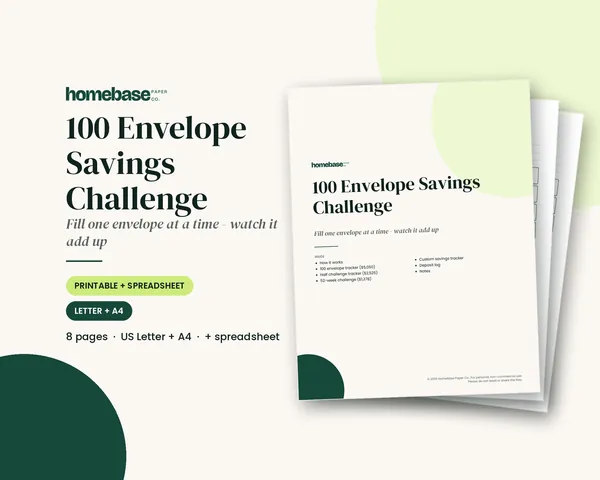
- Finish the 100 envelope savings challenge.
The CFPB's guide to saving sums up the method in three steps: set a goal, make a plan and save automatically. Try your plan for a month, compare your real numbers to your plan, then adjust. If you want help with step two, start with our guide to making a budget for the new year.
Debt resolutions
Debt is a common January worry, since holiday bills arrive just as the new year starts. A clear plan turns a heavy goal into monthly steps.
- List every debt with its balance, rate and minimum payment.
- Choose the debt snowball (smallest balance first) or avalanche (highest rate first).
- Put every raise, refund or bonus toward debt.
- Stop adding new charges to the card you're paying off.
- Call one lender and ask for a lower rate.
- Set a debt-free month and write it where you'll see it.
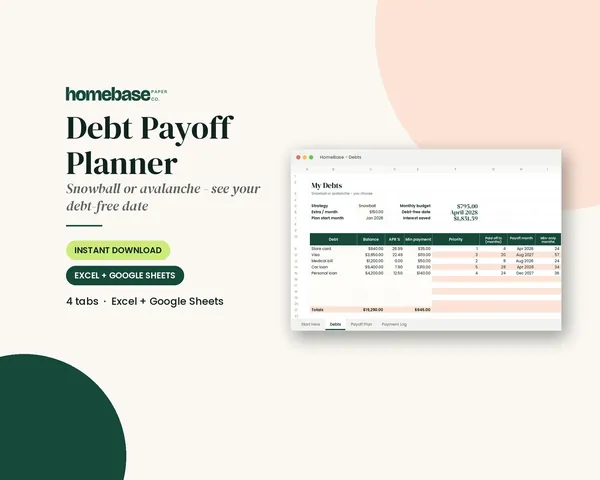
Our Debt Payoff Planner ($6.99) spreadsheet runs both methods side by side and shows the month you'll be debt-free. Seeing that date move closer each month is a strong reason to keep going.
Health resolutions
Want an easy health and money win for January? Our Dry January guide has a 31-day plan, 10 drink swaps and a savings tracker idea.
- Walk 20 minutes a day.
- Drink a glass of water with every meal.
- Go to bed at the same time on weeknights.
- Cook dinner at home five nights a week.
- Add one vegetable to lunch and dinner.
- Stretch for five minutes each morning.
- Book the checkups you've put off.
- Take one screen-free evening each week.
- Try a new physical activity each season.
Keep health goals small at first. "Walk 20 minutes" is easier to start than "run a 10K," and you can raise the goal once the habit is set.
Home and organization resolutions
- Follow a simple weekly cleaning schedule.
- Declutter one drawer or shelf every weekend.
- Set up a home for mail and paperwork.
- Keep a household binder with key documents.
- Do a 10-minute tidy before bed.
- Plan the week's meals every Sunday.
- Clear the kitchen counters each night.
- Deep clean one room each month.
- Start a home maintenance checklist.
- Donate one bag of items each month.
A simple cleaning checklist is a good place to start if your home feels behind after the holidays.
Family resolutions
- Eat dinner together at least four nights a week.
- Hold a 15-minute family meeting each Sunday.
- Plan one free family outing each month.
- Give kids a chore chart and an allowance.
- Call or visit grandparents every week.
- Read together before bed.
- Plan next Christmas on a set budget.
- Start a family recipe binder.
- Put everyone's events on one family calendar.
- Take one family photo each month.
Personal growth resolutions
- Read one book a month.
- Learn a new skill, like baking bread or basic repairs.
- Write three things you're grateful for each night.
- Volunteer once a month.
- Say no to one thing a week that drains you.
- Keep a simple daily planner.
- Make a vision board in January.
- Spend 30 minutes on a hobby each week.
- Write a letter to yourself to open next December.
- Review your goals on the first of every month.
If you like to see your goals laid out, try making a vision board or using our SMART goals template.
What to do when you slip
Everyone misses a day. The key is not to let one missed day turn into a missed month. Use these rules:
- Never miss twice. If you skip Monday, do it Tuesday, even if it's a smaller version.
- Shrink the goal. If 20 minutes feels hard, do 5. The habit matters more than the size at first.
- Restart on a fresh date. Next Monday or the first of the month is a fine time to begin again.
- Look at the pattern. If you always skip on Wednesdays, change the plan for Wednesdays.
A January plan for your resolutions
Here is a simple way to begin.
Not sure of the dates or what's closed? See our guide: when is New Years?
- December 27–31: Look back at the year and choose your one to three resolutions.
- January 1: Write each one as an action, a number, a when and a tracker.
- January 1–7: Do the smallest version every day.
- Each Sunday in January: Review your tracker and adjust.
- February 1: Decide whether to keep, change or add a goal.
Put your money resolutions on paper
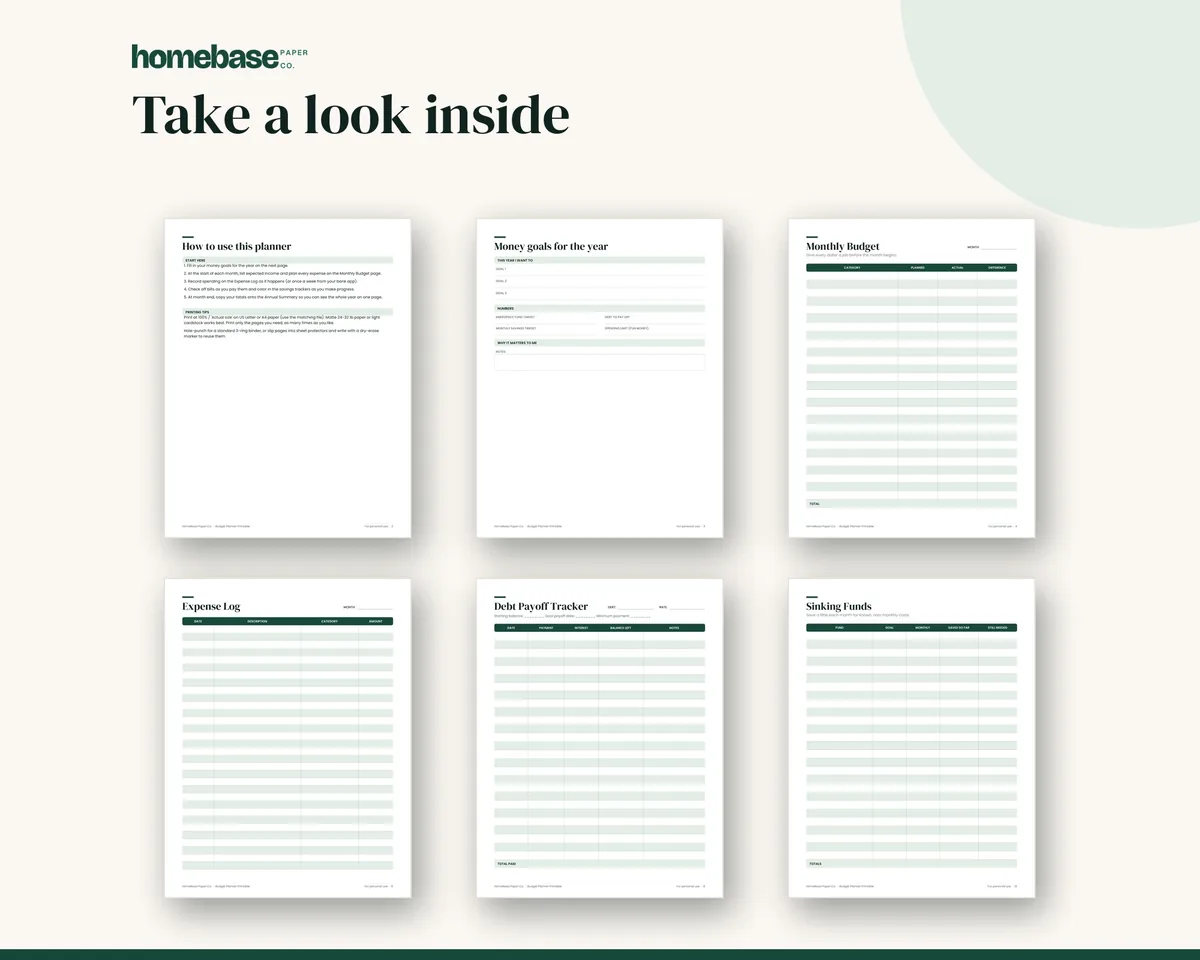
Most resolutions have a cost or a saving behind them, so it helps to plan them in your budget. Our Budget Planner Printable ($5.99) gives you 12 undated monthly budget pages plus pages for bills, spending, savings and debt, so you can start in any month. For savings, the 100 Envelope Savings Challenge ($3.99) includes classic, half and 52-week versions plus a tracking spreadsheet. If you want everything, the Ultimate Budget Bundle ($19.99) has all six of our budget spreadsheets and both printable planners.
Planning ahead for winter holidays? Lunar New Year is on February 6, 2027, and is a fun second fresh start.
Before you set goals, try a few thought provoking questions about what matters most to you.
Make it easier
Tools for this
Printables
Budget Planner Printable
Twelve undated pages you can print every month: budget, bills, spending, savings and debt.
Spreadsheets
Debt Payoff Planner
Pick snowball or avalanche, add any extra payment, and get your debt-free month instantly.
 Starter pick
Printables
100 Envelope Savings Challenge
Classic, half and 52-week challenges to print, plus a spreadsheet that tracks every envelope and tells you how much to save each week.
Frequently asked questions
What are good new year's resolutions? Good new year's resolutions are small, specific and easy to track, like saving $25 a week, walking 20 minutes a day or cooking dinner at home five nights a week. Pick one to three that matter to you, write down the first step, and decide how you will track them. The 60 ideas on this page are sorted by money, health, home, family and personal growth.
What are the most common new year's resolutions? The most common new year's resolutions are to exercise more, eat healthier, save money, lose weight, spend less, pay off debt and spend more time with family. Money goals show up near the top almost every year, because January is when holiday bills arrive.
Why do most new year's resolutions fail? Most new year's resolutions fail because they are too big, too vague or have no plan behind them. "Get in shape" gives you nothing to do on a Tuesday. A resolution with a number, a day and a tracker, like "walk 20 minutes after lunch on weekdays," is far easier to keep.
Do most people keep their new year's resolutions? No, most people don't keep their new year's resolutions. Many people let their new year's resolutions slide within a few weeks, usually because the goal was too big or had no plan behind it. Planning and tracking raise your odds, which is why this guide pairs each resolution with a first step and a way to track it.
How many new year's resolutions should I make? Make one to three new year's resolutions. Each new habit takes effort and attention, so a short list is easier to keep. Once a habit feels automatic, often after a couple of months, you can add the next one.
What is a good money resolution for 2027? A good money resolution for 2027 is to write a monthly budget before each month starts and check it once a week. It is simple, it supports every other money goal, and it shows you where to save. Our Budget Planner Printable ($5.99) has 12 undated monthly budget pages plus bill, spending, savings and debt pages.
What is the best way to keep a resolution about debt? The best way to keep a debt resolution is to list every debt, choose the snowball or avalanche method and set a debt-free month you can see. Then pay the extra amount on the same day each month. Our Debt Payoff Planner ($6.99) spreadsheet works out both methods and shows your debt-free month.
When should I start my new year's resolutions? Start planning your new year's resolutions in late December and start the habit on January 1 or the first Monday of January. There's nothing magic about the date, though. If a resolution slips, restart it on the next Monday or the first of the next month.
How do I write a resolution that I will keep? Write it as a specific action with a number and a time, such as "save $50 every payday" instead of "save more." Add where and when you'll do it, how you'll track it and a small reward. The CFPB's advice for money goals is to set a goal, make a plan and automate it.
Are new year's resolutions worth making? Yes, new year's resolutions are worth making if you keep them small and track them. The new year is a natural time to reset. Even a resolution you keep for part of the year, like three months of saving, leaves you better off than not starting.
What is a good family new year's resolution? A good family resolution is one everyone can see and share, like a weekly family dinner, a Sunday budget check-in, a no-spend weekend each month or a shared chore chart. Put it on the fridge so the whole family can track it together.
How do I track my new year's resolutions? Track your new year's resolutions on paper where you will see them every day. Mark each day you do the habit, and review your progress once a week. Our free habit tracker printable is a free PDF with a 31-day grid, weekly trackers and a habit plan page.
More from HomeBase
You may also like
Spreadsheets
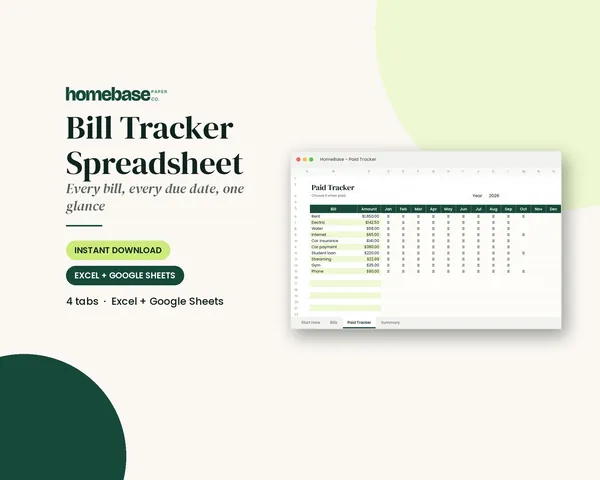
Bill Tracker Spreadsheet
Bills due in 3 days or less light up red, so nothing slips through.
Spreadsheets
Sinking Funds Tracker
It does the math: how much to set aside each month to hit every goal on time.
Spreadsheets
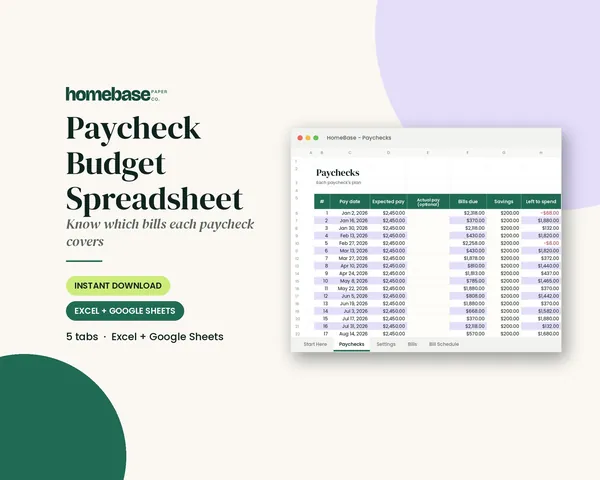
Paycheck Budget Spreadsheet
Enter your bills once. The sheet tells you which paycheck pays each one, all year.
Spreadsheets
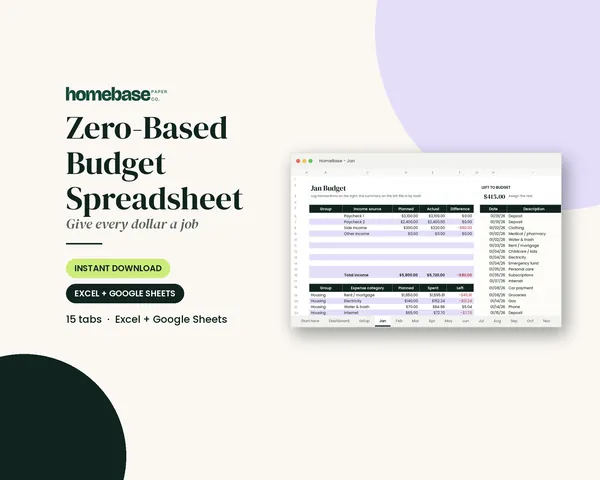
Zero-Based Budget Spreadsheet
The 'Left to budget' counter turns green when every dollar has a job.
 Club
Monthly club
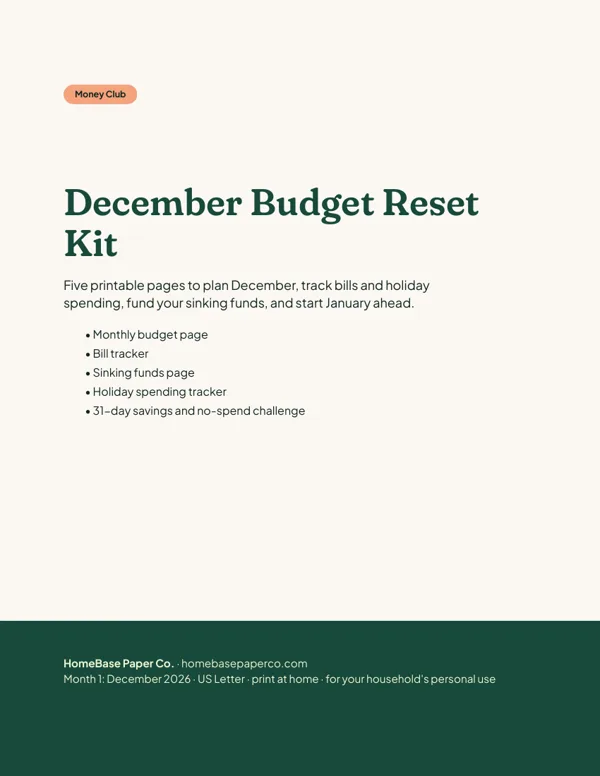
Money Club
Anyone who wants a clear plan for the month's bills, holiday spending and savings.
Free printable
Get the free Holiday Budget Starter Kit
A one-page holiday budget, a gift list with a spending limit for every person, and a 6-week countdown so December stays calm and paid for. You'll also get our weekly HomeBase email with simple holiday planning, budgeting and hosting tips.

Sources
- National Geographic: New Year's resolutions have a longer history than you think nationalgeographic.com
- CFPB: Set a goal, make a plan, and save automatically consumerfinance.gov
- NIH News in Health: Creating healthy habits newsinhealth.nih.gov