

The short answer: Couponing for beginners comes down to one rule: use coupons only on things you already planned to buy. Start with one store, its free app and a written grocery list. Learn the two coupon types (store and manufacturer), check the weekly ad, clip digital coupons for planned items and write down what you saved. That small routine takes about half an hour a week and keeps coupons from turning into extra spending.
As the oldest of three, I learned early that a list on paper keeps a store trip honest. Our Meal Planner and Grocery List ($3.99) is where coupon matching starts: plan the week, write the list, then look for coupons that fit it.
The two coupon types every beginner should know
| Coupon type | Who issues it | Where it works | Where to find it |
|---|---|---|---|
| Store coupon | The retailer | Only that store or chain | Store app, weekly ad, receipts, mailers |
| Manufacturer coupon | The brand that makes the product | Any store that accepts it | Brand sites, newspaper inserts, store apps |
| Digital coupon | Either one, loaded to an account | Scanned with your loyalty number | Store apps and loyalty programs |
| Rebate or cash back | An app or card | After you buy | Rebate apps and card offers |
NerdWallet's couponing guide explains that manufacturer coupons can be used at any retailer that accepts them, while store coupons work only at that store. That difference is what makes "stacking" possible.
How to start couponing in 7 steps
- Pick one home store. Choose the grocery store you already visit most.
- Download its app and join the free loyalty program. Most coupons now live in apps, and you usually have to clip them before checkout.
- Read the coupon policy. Look for stacking rules, limits per day and whether the store doubles coupons.
- Plan meals from the weekly ad. Build two or three dinners around what is on sale this week. Our guide to budget meal planning shows how to build a week of dinners from the ad.
- Write the list, then match coupons. Clip only the coupons that fit items already on the list.
- Check the final price. A store brand can still beat a name brand with a coupon.
- Record what you saved. Write the total from your receipt on your budget page after each trip.
Coupon stacking, explained simply
Stacking means using a store coupon and a manufacturer coupon on the same item, ideally while it is on sale. Investopedia's coupon tips describe the best case as using both coupon types on something already marked down.
Here is how a stack can work on paper:
| Step | Example |
|---|---|
| Regular shelf price | $6.00 |
| Weekly sale price | $4.50 |
| Store coupon | minus $1.00 |
| Manufacturer coupon | minus $0.75 |
| You pay | $2.75 |
The numbers above are an example, not a promise. Every store sets its own rules, and some limit how many coupons can apply to one item.
A 30-minute weekly couponing routine
- Day before you shop (10 minutes): check the weekly ad and note sales on things you use.
- Meal plan (10 minutes): choose dinners around those sales and what is already in your pantry.
- List and clip (10 minutes): write the list by aisle, then clip matching digital coupons.
- After the trip (2 minutes): write the savings and the total on your budget page.
If the routine stretches past an hour, scale back. The goal is a smaller grocery bill, not a second job.
Where to find coupons as a beginner
- Store apps: the biggest source today, with digital coupons you clip to your loyalty account.
- Weekly ads: printed or in the app, they show what is on sale so you know which coupons matter.
- Brand websites: many brands post printable or digital coupons, or offer them for joining their email list.
- Sunday newspaper inserts: still a source of manufacturer coupons in many areas.
- Receipts: some stores print coupons at checkout based on what you just bought.
Start with the first two. Add others only when your routine feels easy.
Beginner couponing mistakes to avoid
- Buying because of the coupon. A coupon for something you don't need is still spending.
- Stockpiling too soon. Extra cans and bottles tie up cash and shelf space you may need.
- Forgetting expiration dates. Write dates next to items on your list.
- Ignoring unit prices. Compare price per ounce, not only the sticker.
- Not tracking results. Without numbers, you can't tell if couponing helps.
The CFPB's budgeting guide suggests logging spending by category so you get a realistic picture of where your money goes. Groceries are one of the easiest categories to track, which makes them a good test for whether couponing works for your family.
Couponing vs. other grocery savings
| Method | Time per week | Best for |
|---|---|---|
| Couponing | 20 to 30 minutes | Families who buy name brands often |
| Store brands | None | Pantry staples and basics |
| Meal planning | 15 to 20 minutes | Cutting waste and takeout |
| Price book | 10 minutes | Spotting real sale prices |
Couponing works best alongside the others. Our guides to grocery shopping on a budget and keeping a grocery price book pair well with this one.
Tools to make couponing stick
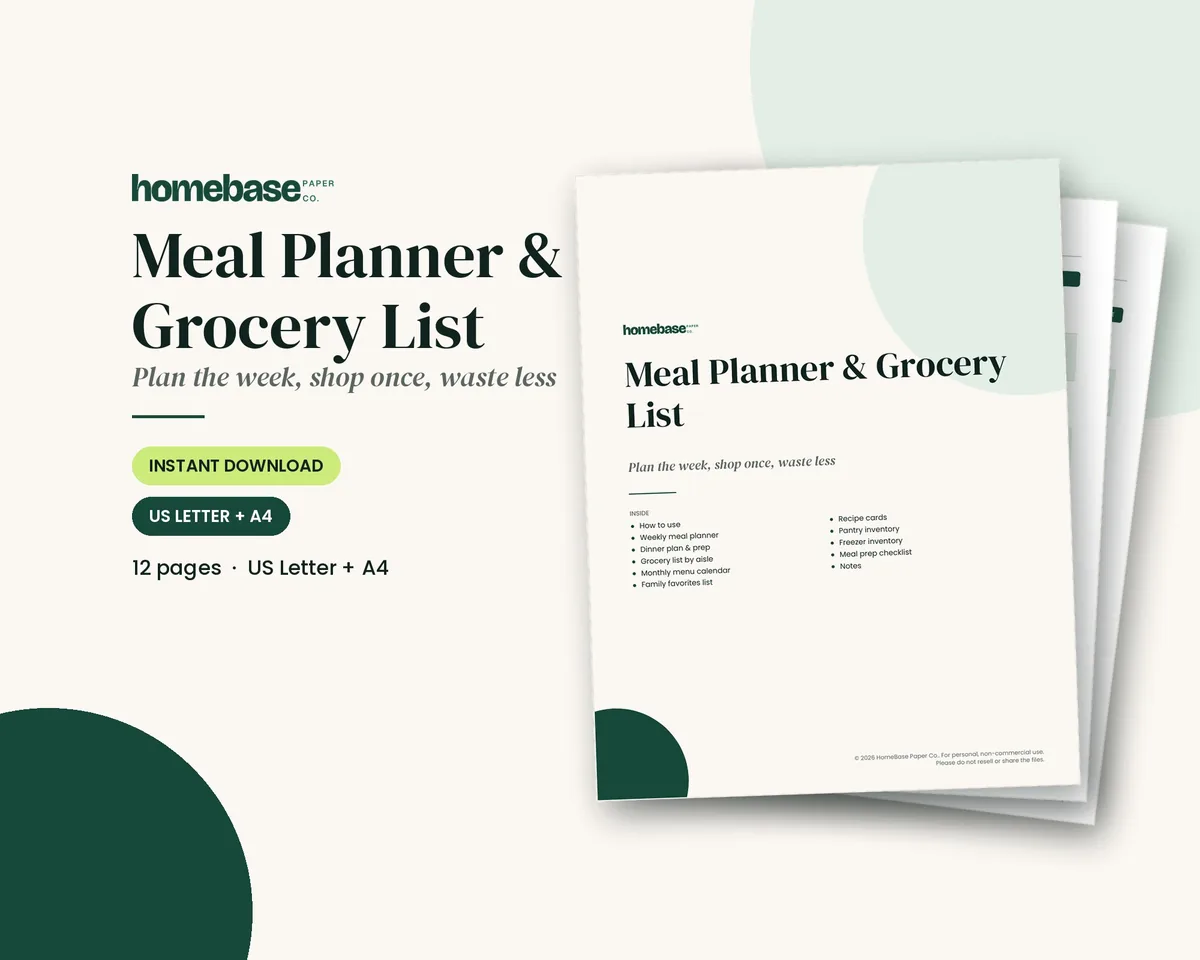
- Meal Planner and Grocery List ($3.99): plan the week, then build a list by aisle with room to mark coupons.
- Budget Planner Printable ($5.99): a monthly grocery line so you can see your coupon savings add up.
- Ultimate Budget Bundle ($19.99, $46.42 if bought separately): eight budget tools, including spreadsheets and printables, for the whole money picture.
Browse every printable in the shop. Our free Holiday Budget Starter Kit is three US Letter pages we email you after you join our list.
See also
Coupons stack well with cash back apps; here is how to combine them without overspending.
Make it easier
Tools for this
 Starter pick
Printables
Meal Planner & Grocery List
Weekly meals, a grocery list sorted by aisle, and pantry and freezer inventories so you shop once and waste less.
Printables
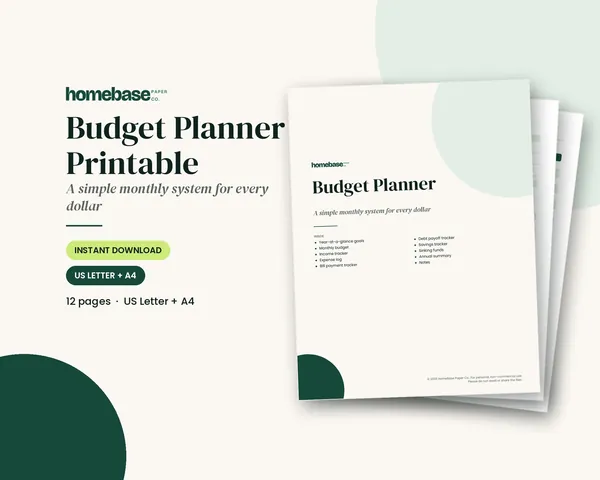
Budget Planner Printable
Twelve undated pages you can print every month: budget, bills, spending, savings and debt.
 Save 57%
Bundles
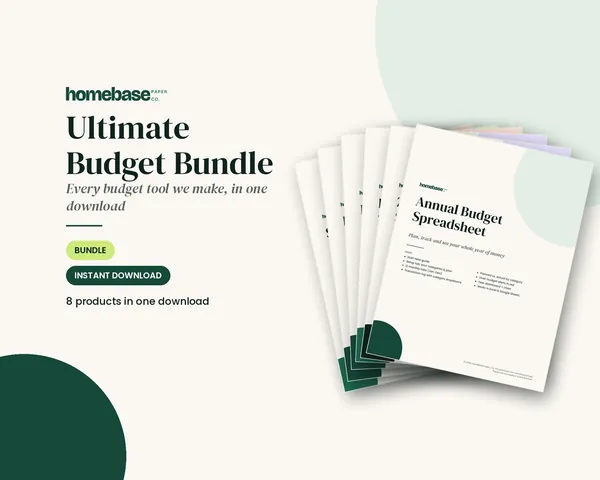
Ultimate Budget Bundle
All 6 spreadsheets + both printable planners - for less than half the price of buying them separately.
Frequently asked questions
How do I start couponing for beginners? Start with one store, one app and one list. Download the app for the store you already use, clip digital coupons only for items on your Meal Planner and Grocery List, and check the weekly ad before you shop. Add a second store only after the routine feels easy.
What is the difference between a store coupon and a manufacturer coupon? A store coupon comes from the retailer and works only at that store. A manufacturer coupon comes from the brand that makes the product and works at any store that accepts it, which is why the two can sometimes be stacked.
What is coupon stacking? Coupon stacking means using a store coupon and a manufacturer coupon on the same item, often while it is already on sale. Store policies decide whether stacking is allowed, so read the coupon policy before you try it at the register.
How much can a beginner save with coupons? How much a beginner saves with coupons depends on where you shop, what you buy and how much time you spend. A realistic goal is to cut a few dollars from every trip without buying extra, then track the savings on a budget planner page so you can see whether the time is worth it.
Where do I find coupons? The easiest places are store apps, loyalty programs and the weekly ad. Brand websites, Sunday newspaper inserts, coupon databases and browser extensions are other sources, but stick to one or two when you are new so it stays manageable.
Is extreme couponing worth it for beginners? Extreme couponing usually isn't worth it for beginners at first. Extreme couponing takes many hours, storage space and careful policy knowledge. Most families get more from a simple routine: plan meals, clip coupons for planned items and skip deals on things you would not buy anyway.
How do I organize coupons as a beginner? Keep digital coupons in each store app and paper coupons in one small envelope or binder sorted by aisle. Note expiration dates on your grocery list, and toss expired coupons every week so the system never gets bulky.
Do coupons work with store brands? Manufacturer coupons are for name brands, so they rarely apply to store brands. Store coupons sometimes cover store brands. Always compare the final price, because a store brand without a coupon can still cost less than a name brand with one.
How long does couponing take each week? A beginner routine takes about 20 to 30 minutes a week: check the ad, plan meals around sales, clip digital coupons and finish the list. If it takes much longer than the savings justify, cut back to one store and one app.
How do I make sure couponing actually saves money? Only clip coupons for items already on your list, and write the savings down after each trip. The HomeBase Budget Planner Printable gives you a monthly grocery line, so you can see whether coupons are shrinking that number.
More from HomeBase
You may also like
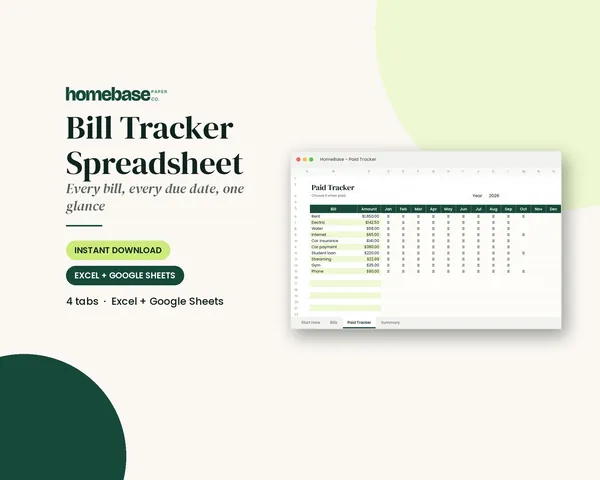
Spreadsheets
Bill Tracker Spreadsheet
Bills due in 3 days or less light up red, so nothing slips through.
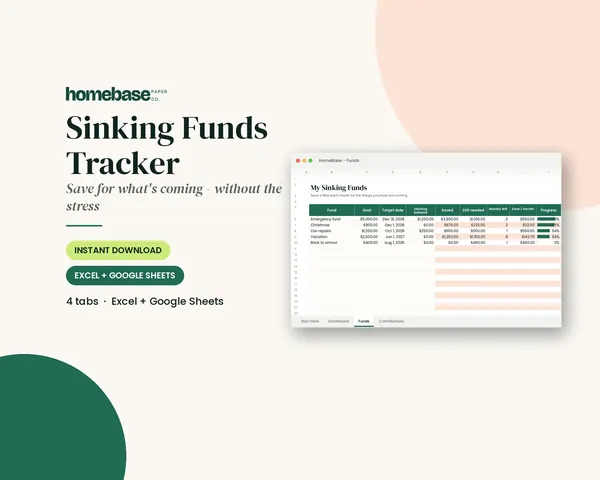
Spreadsheets
Sinking Funds Tracker
It does the math: how much to set aside each month to hit every goal on time.
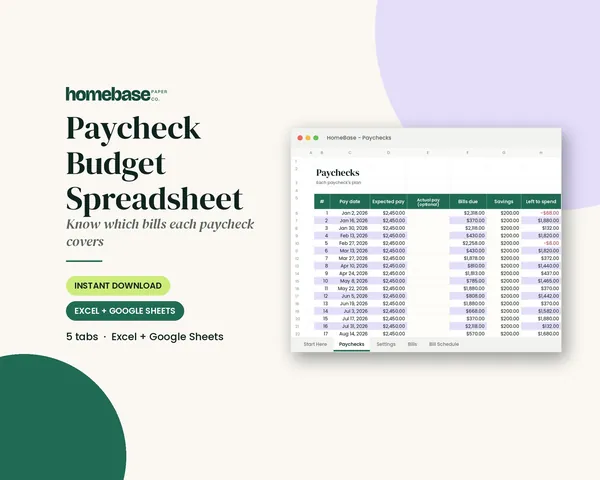
Spreadsheets
Paycheck Budget Spreadsheet
Enter your bills once. The sheet tells you which paycheck pays each one, all year.
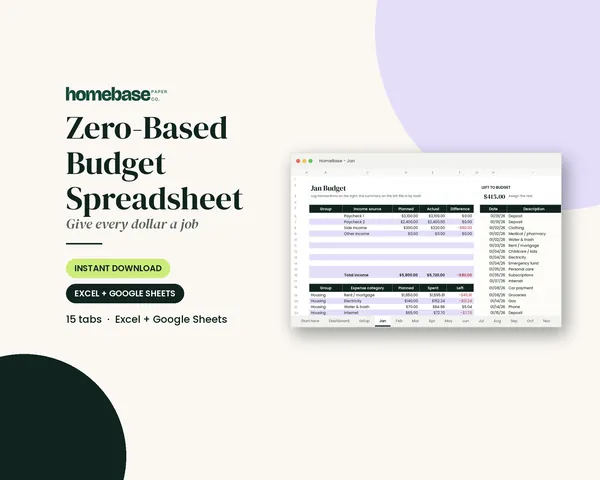
Spreadsheets
Zero-Based Budget Spreadsheet
The 'Left to budget' counter turns green when every dollar has a job.
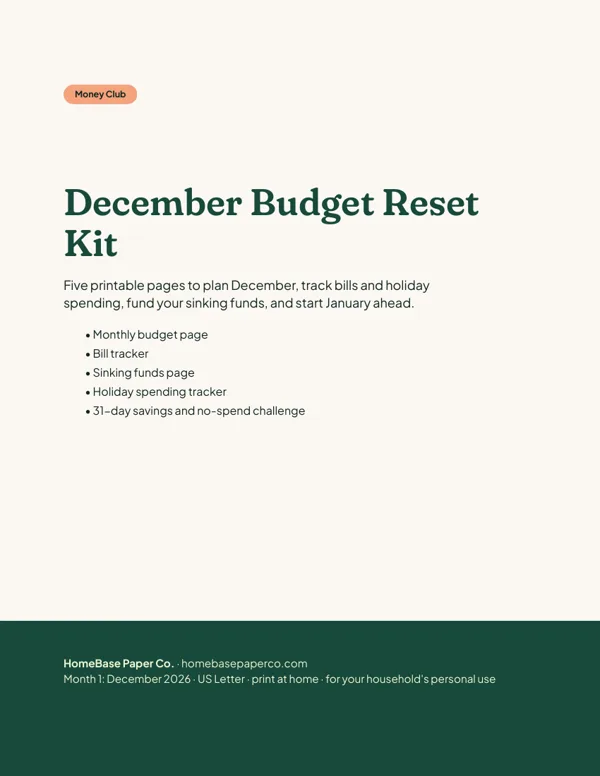 Club
Monthly club
Money Club
Anyone who wants a clear plan for the month's bills, holiday spending and savings.
Free printable
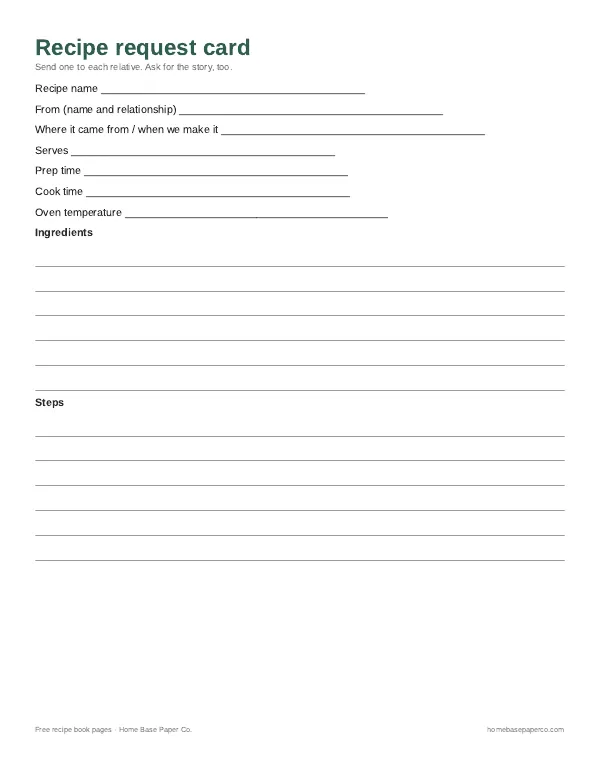
Save the family favorites: get the free recipe book pages
Printable recipe pages and a recipe request card to send to relatives, so the dishes everyone loves end up in one book. You'll also get our weekly HomeBase email with easy meal planning ideas and family recipe tips.
Sources
- Couponing for Beginners: 8 Tips for Getting Started (NerdWallet) nerdwallet.com
- Secrets to Saving Big: Coupon Tips Anyone Can Use (Investopedia) investopedia.com
- Budgeting: How to create a budget and stick with it (CFPB) consumerfinance.gov