

The short answer: a tax documents checklist has four parts: personal information, income forms (W-2s and 1099s), records for deductions and credits, and side-business paperwork. Gather all four into one folder before you file.
- Follows the IRS's own gather-your-documents list
- Often forgotten: a second W-2, 1099-INT, 1099-K, 1095-A and childcare receipts
- Drop papers in the day they arrive and scan as you go
- Do a December check
- Next step: Plan it with the Business Income & Expense Tracker ($7.99).
A tax documents checklist has four parts: personal information, income forms (W-2s and 1099s), records for deductions and credits, and side-business paperwork. Gather all four into one folder before you sit down to file, and you'll avoid the missing-form scramble that delays refunds. The checklist below follows the IRS's own gather your documents list, organized so you can check items off as they arrive.
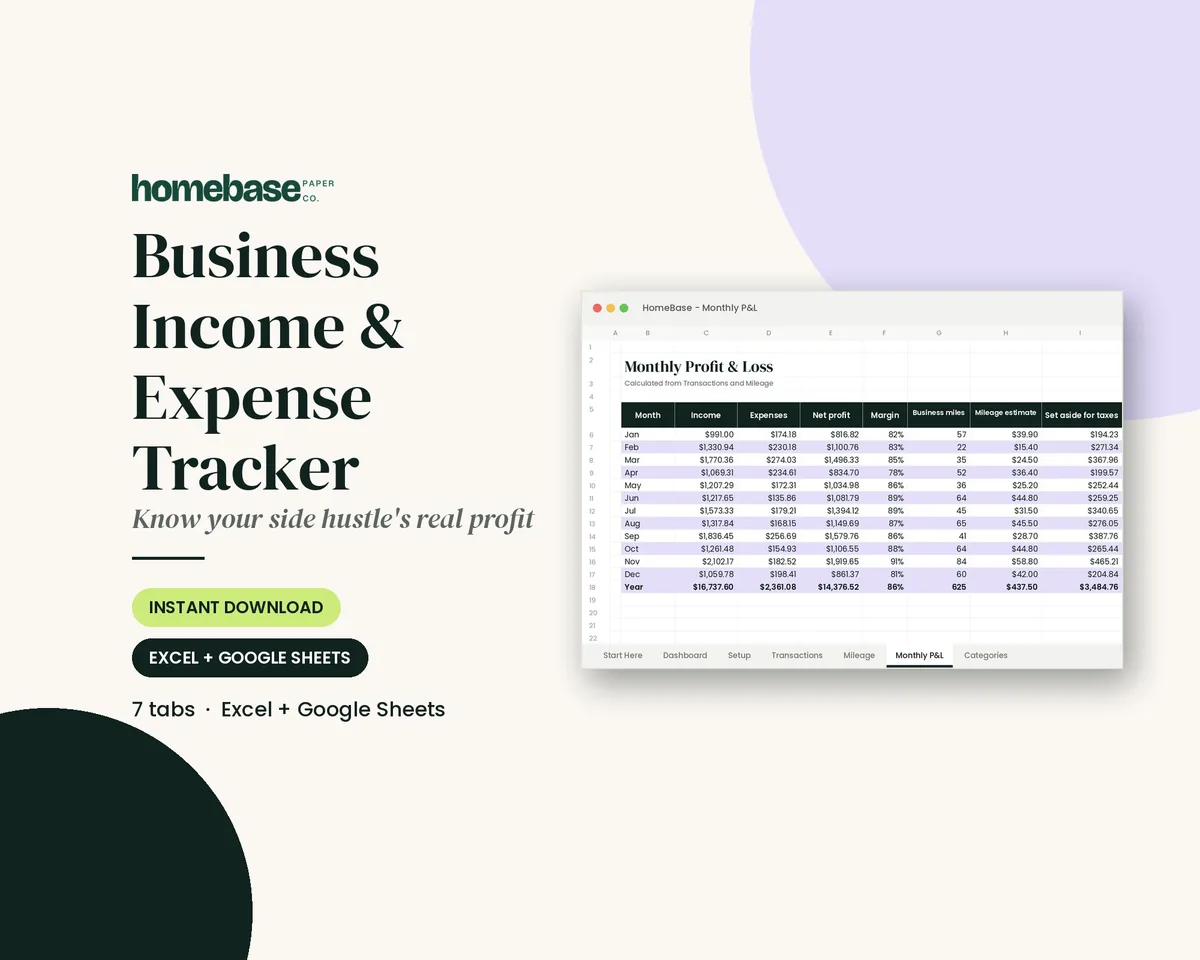
For side-hustle records, our Business Income & Expense Tracker (Excel and Google Sheets) logs sales, expenses and business miles with category totals for tax time.
Most forms show up in January and February, so the best time to set up your folder is now, before the year ends.
1. Personal information
- Social Security number or ITIN for you, your spouse and each dependent on your return
- Bank account and routing numbers for a direct-deposit refund or a payment
- Last year's adjusted gross income (AGI) and exact refund amount
- Your name exactly as the Social Security Administration has it (update SSA after a name change)
- Your current address (tell the IRS if you moved)
- Last year's self-select PIN, if you e-filed
- Your IP PIN, if the IRS sent you one
- A copy of last year's return (if you can't find it, the IRS offers transcripts)
2. Income forms: W-2s, 1099s and more
People and companies that paid you must report it and send you a copy. The IRS says these usually arrive electronically or by mail in January or February.
| Form | What it reports | Who sends it |
|---|---|---|
| W-2 | Wages | Each employer you worked for |
| W-2G | Gambling and lottery winnings | The payer |
| 1099-NEC | Freelance and contractor pay | Clients who paid you |
| 1099-K | Payments from cards and online marketplaces | Payment processors and platforms |
| 1099-INT | Interest | Banks and brokers |
| 1099-DIV | Dividends | Brokers and funds |
| 1099-R | Retirement, pension or annuity payouts | Plan administrators |
| 1099-G | Government payments, like unemployment | The state or agency |
| SSA-1099 | Social Security benefits | Social Security Administration |
| 1099-MISC | Other miscellaneous income | The payer |
| 1095-A | Health Insurance Marketplace coverage | The Marketplace |
A tip that saves headaches: make a short list of everyone who should send you a form (each job, each bank, each platform). Check them off as they arrive. When February ends, the unchecked names are the ones to chase.
Also gather records of any digital asset transactions if you didn't get a form for them.
3. Records for deductions and credits
You only need these if they apply to you, but they're the easiest to lose:
- Childcare or dependent care costs, plus the provider's name and tax ID
- Mortgage interest and property tax records (if you itemize)
- Charitable donation receipts (if you itemize)
- Health savings account or flexible spending account contributions
- Healthcare expenses (if you itemize; special rules apply)
- Retirement contributions
- Education costs: tuition, books and supplies for students, classroom supplies for teachers
If you gave to charity this year, our guide on how to budget for charitable giving shows a simple way to keep those receipts together.
4. Side hustle and self-employment records
This is where most families lose time. The IRS lists:
A small business expense spreadsheet template makes the monthly totals easy.
- Statements from banks, payment apps, card processors and online marketplaces
- Checks paid to you
- Receipts and mileage logs for travel, gift and car expenses
- Records of deductible office expenses
- Estimated tax payments you made
- Other business income and expense records
If those records live in a shoebox, the Business Income & Expense Tracker ($7.99) is a fillable Excel or Google Sheets file with an income and expense log, a category dropdown, a monthly profit view, a mileage log and category totals for tax time. It's an organizing tool, not tax advice. Our small business tax deduction checklist covers which expenses people commonly track.
Rent out a property? The Rental Property Tracker ($11.99) keeps rent and expenses by property. See how to track rental property income and expenses for the setup. For more on this topic, see our tax organizer hub.
Documents people most often forget
- A second W-2 from a job you left early in the year
- 1099-INT from a savings account at a second bank
- 1099-K from a payment app or marketplace you used for selling
- 1095-A if anyone in the household had Marketplace coverage
- Estimated payment confirmations, which are easy to lose in email
- Childcare receipts from summer camps or after-school programs
- Any IRS letters you received during the year
A checklist you can copy
Copy this list onto the front of your tax folder:
- Personal info: SSNs, bank numbers, last year's AGI and return
- Every W-2
- Every 1099 (NEC, K, INT, DIV, R, G, MISC) and SSA-1099
- 1095-A if you had Marketplace coverage
- Childcare, education and retirement records
- Mortgage, property tax and donation records (if itemizing)
- HSA or FSA records
- Side business statements, receipts and mileage
- Estimated tax payment confirmations
- Any IRS letters you received this year
How to keep tax documents organized all year
- One folder, one place. Label it with the tax year and keep it with your important documents. The Household Binder ($6.99) is a good home base for family paperwork.
- Drop papers in the day they arrive. Don't sort; just file. Sorting happens once, in February.
- Scan as you go. A phone photo of each receipt is a backup if paper fades.
- Do a December check. Our end-of-year financial checklist includes a tax-season prep step.
- Keep what you file. The IRS says to keep records that support your return until the period of limitations runs out, generally 3 years and longer in some cases. Our guide on how long to keep tax records has the full chart.
For more organizing tools, browse all our spreadsheets. And if the holidays are next on your list, the free Holiday Budget Starter Kit is 3 US Letter pages, emailed after you join our list.
Once your forms are together, check our tax deductions list for the 2026 standard deduction and common write-offs. For the filing-status amounts alone, see our 2026 standard deduction guide.
Make it easier
Tools for this
Spreadsheets
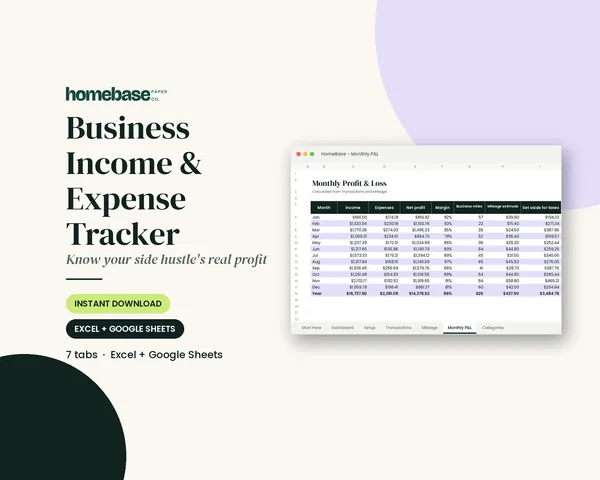
Business Income & Expense Tracker
Log sales, expenses and business miles - see your monthly profit, category totals for tax time and how much to set aside.
Spreadsheets
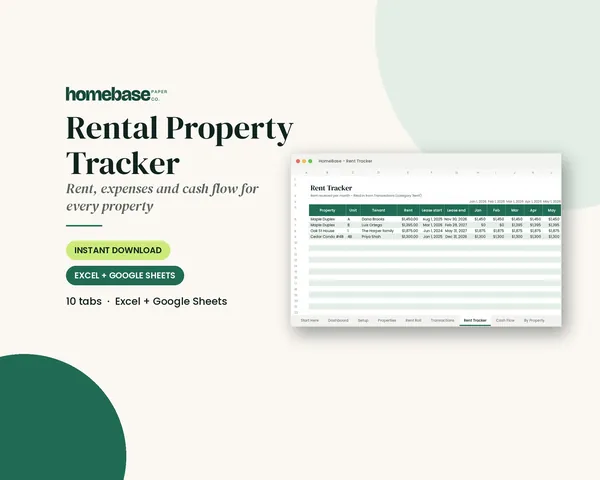
Rental Property Tracker
Log rent and expenses once - see who has paid each month, cash flow per property and category totals for tax time.

Printables
Household Binder
Family info, emergency plan, calendars, meals, groceries, cleaning, bills and sitter notes.
Frequently asked questions
What documents do I need to file taxes? Most people need their Social Security numbers, last year's return, every W-2 and 1099 they received, bank details for direct deposit, and records for any deductions or credits they plan to claim, like childcare, education or retirement contributions. Side-business owners also need income and expense records.
When do W-2 and 1099 forms arrive? The IRS says you should get W-2s, 1099s and other information returns electronically or by mail in January or February. Keep a list of everyone who should send you one so you can tell when a form is missing.
What if I didn't get my W-2? If you didn't get your W-2, contact your employer first and confirm your address. The IRS has steps for a missing W-2, and you can request a wage and income transcript showing what employers reported. Don't file without the form unless you've followed the IRS steps.
Do I need last year's tax return to file? You don't always need last year's tax return to file, but it helps a lot. The IRS lists last year's adjusted gross income and exact refund amount as information you may need, especially when you e-file. If you can't find your copy, you can get a transcript from the IRS.
What records do I need if I have a side hustle? Gather statements from banks, payment apps and online marketplaces, checks paid to you, receipts, mileage logs, office expense records and any estimated tax payments. The Business Income & Expense Tracker ($7.99) keeps an income and expense log, a mileage log and category totals in one spreadsheet, ready for tax time.
How long should I keep tax documents? The IRS says to keep records that support your return until the period of limitations runs out, which is generally 3 years and longer in some situations. Keep copies of the filed returns themselves, too.
Where should I keep tax documents during the year? Keep one labeled folder or binder section and drop every tax form and receipt in it as it arrives. The Household Binder ($6.99) gives family papers one home, and a single folder for tax forms makes January much calmer.
Is this checklist tax advice? No, this tax documents checklist isn't tax advice. It's an organizing checklist based on the IRS's own list of documents to gather. Your situation may need other forms, so check IRS.gov or talk with a tax professional about what applies to you.
More from HomeBase
You may also like
Printables
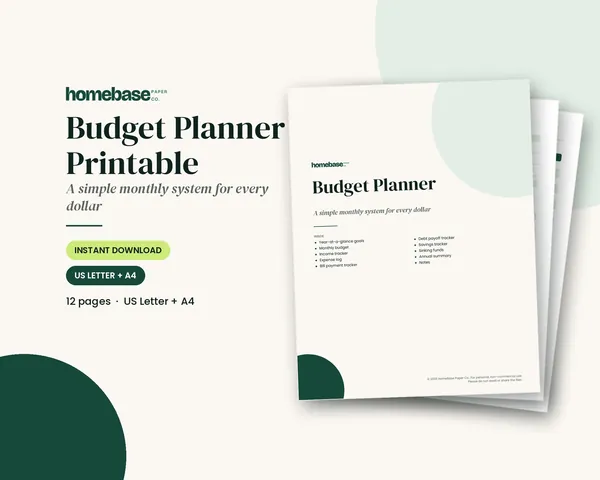
Budget Planner Printable
Twelve undated pages you can print every month: budget, bills, spending, savings and debt.
Spreadsheets
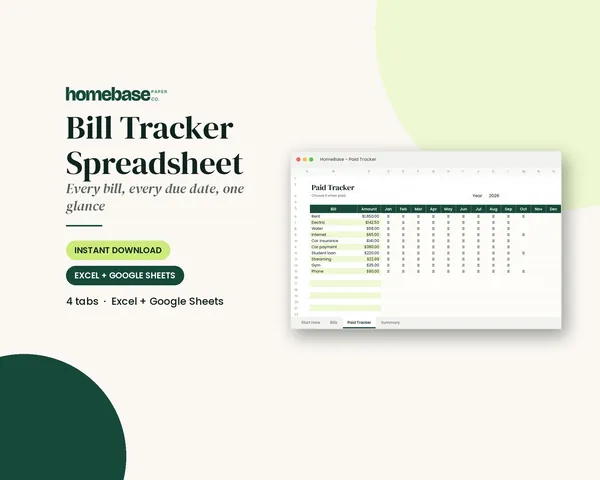
Bill Tracker Spreadsheet
Bills due in 3 days or less light up red, so nothing slips through.
Spreadsheets
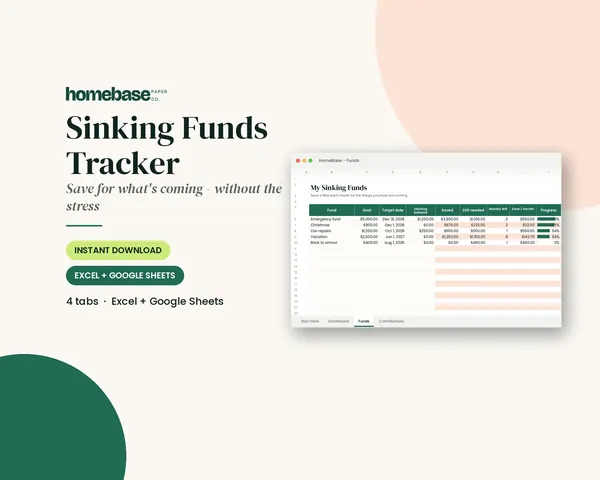
Sinking Funds Tracker
It does the math: how much to set aside each month to hit every goal on time.
Spreadsheets
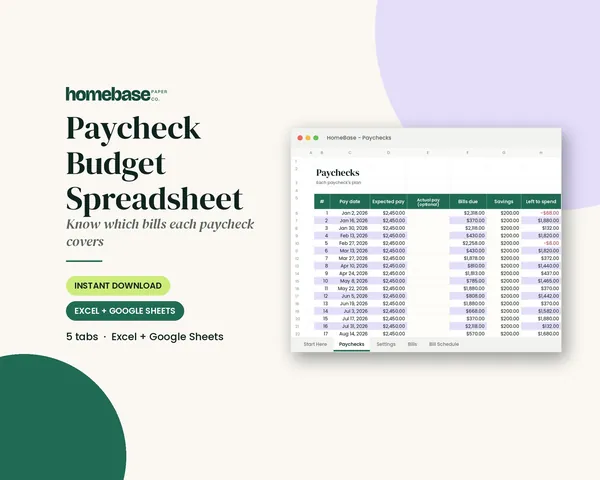
Paycheck Budget Spreadsheet
Enter your bills once. The sheet tells you which paycheck pays each one, all year.
 Club
Monthly club
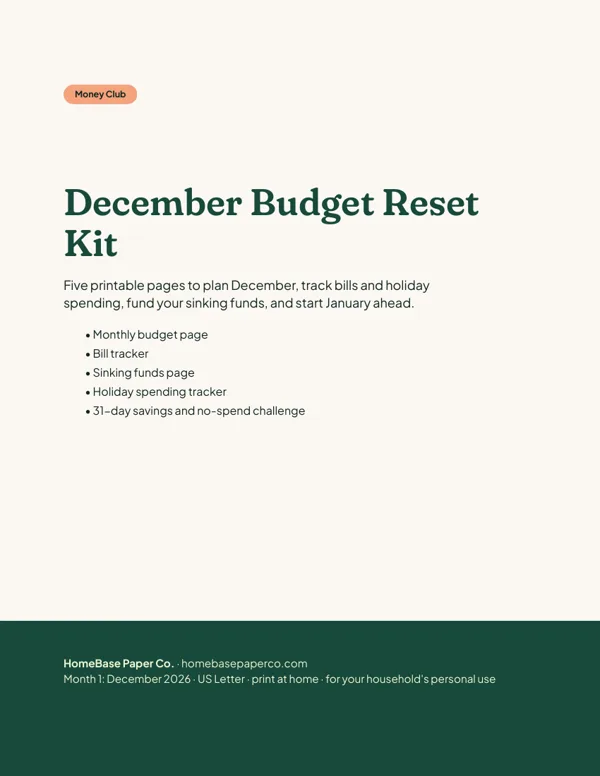
Money Club
Anyone who wants a clear plan for the month's bills, holiday spending and savings.
Free printable
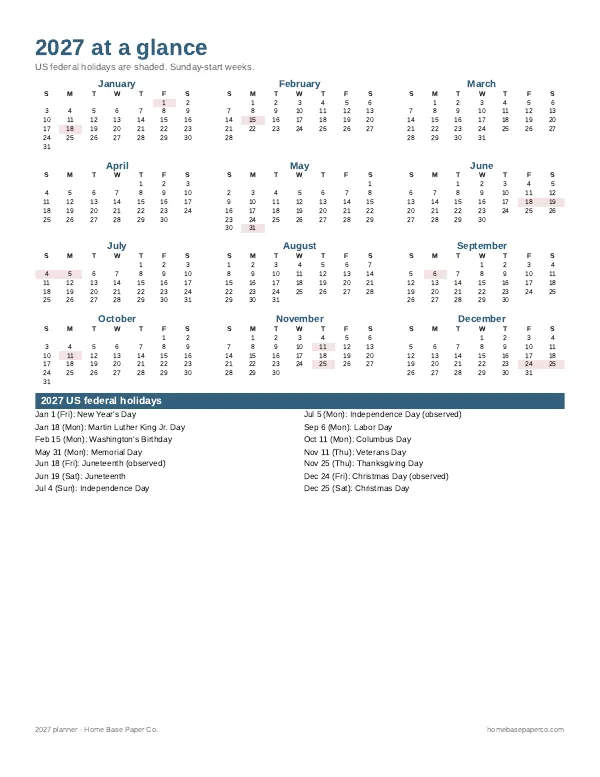
Get organized for the new year: get the free 2027 planner
A 16-page printable 2027 planner with a year-at-a-glance page and monthly calendars with US holidays marked. You'll also get our weekly HomeBase email with simple planning and home organization tips.
Sources
- Gather your documents irs.gov
- Transcripts irs.gov