The short answer: a small business tax deduction checklist pairs each ordinary and necessary business cost with the record that proves it. Run it before December 31 and again before you file, matching each category to a Schedule C line.
- 30+ common write-offs for sole proprietors and single-member LLCs
- Business share only, and keep proof for every dollar
- 2026 mileage has two rates
- Set aside money for taxes and see what you can't deduct
- Next step: Plan it with the Business Income & Expense Tracker ($7.99).
A small business tax deduction checklist (some people call it a tax write-off checklist) is a list of the ordinary and necessary costs of running your business, paired with the record that proves each one. Go through it before December 31 and again before you file: check each category you actually spent money in, match it to a Schedule C line, and make sure a receipt, invoice, bank entry or log backs up every dollar. The list below covers more than 30 common write-offs for sole proprietors and single-member LLCs that file Schedule C, plus the records to keep and the costs that don't count.
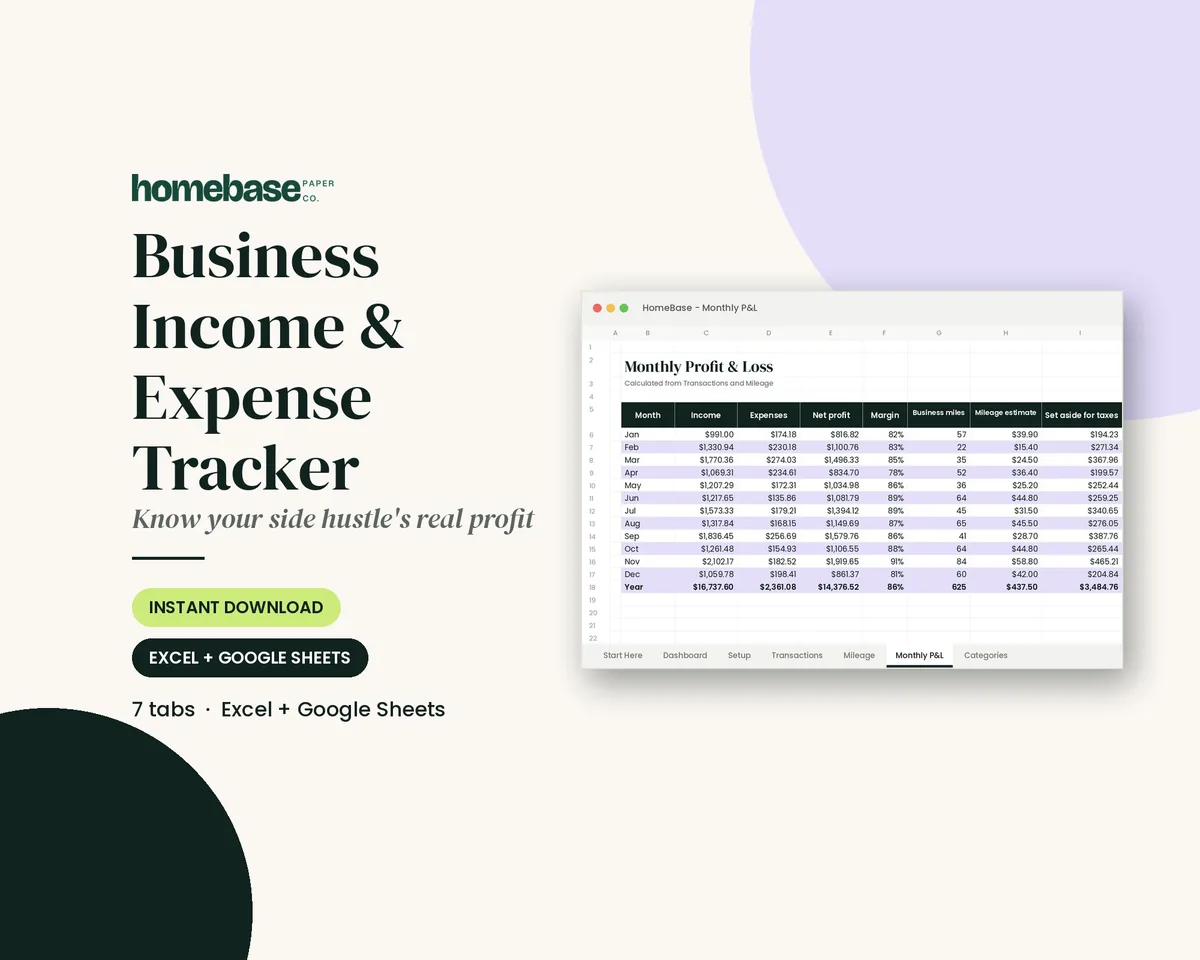
To capture these all year, our Business Income & Expense Tracker logs sales, expenses and business miles, and shows category totals for tax time and how much to set aside.
One quick note before we start: this is general education, not tax advice. Tax rules change and every business is different, so take your organized totals to a tax professional or your tax software and let them make the final calls.
What counts as a deductible business expense?
The IRS test is short. In Publication 334, Tax Guide for Small Business, a business expense must be both ordinary (common and accepted in your field) and necessary (helpful and appropriate for your business). It doesn't have to be indispensable. A candle maker buying wax passes easily. A candle maker buying a family vacation doesn't.
Self-employed? Our guide on 1099 vs W2 explains self-employment tax and why contractors can deduct more of their costs. Hiring your first employee? Start with a clear job description example.
Not started yet? Our list of 30 small business ideas covers low-cost options and the tax basics for new owners.
Three more rules shape almost every line on the checklist:
- Business share only. If something is used for both business and personal life, like a car or a phone, you deduct only the business part. Pub 334's own example is a van driven 16,000 business miles out of 20,000, so only 80% of its operating cost counts.
- Timing. Under the cash method, which many small businesses use, an expense generally counts in the year you pay it. Prepaid costs are different: if you pay a year of insurance on July 1, only the part that applies to this year counts this year.
- Proof. A deduction you can't support isn't much of a deduction. Keep the record when you spend the money, not in April.
The small business tax deduction checklist (with records to keep)
Work through each table and put a check next to every category you spent money in this year. The "Schedule C line" column shows where each cost usually lands on the 2025 Schedule C, so your totals arrive already sorted. A preparer may place a few items differently, and that's fine. The goal is to show up with clean, categorized numbers.
Keep the paper side under control too: here's how to organize receipts in four simple steps.
Running the business
| ☐ | Deduction | Records to keep | Usual Schedule C line |
|---|---|---|---|
| ☐ | Advertising and marketing (ads, business cards, website, sponsored posts) | Invoices, platform billing statements | Line 8 |
| ☐ | Platform, marketplace and payment processing fees | Monthly fee statements from each platform | Line 10 (commissions and fees) |
| ☐ | Contract labor (freelancers, virtual assistants, designers) | Invoices, payment records, a W-9 for each person | Line 11 |
| ☐ | Business insurance (liability, property, professional) | Policy, premium statements | Line 15 |
| ☐ | Interest on business loans and business credit cards | Loan and card statements showing interest | Line 16b |
| ☐ | Legal, accounting and bookkeeping fees, plus the business part of tax prep | Invoices | Line 17 |
| ☐ | Office expense (postage, printer ink, small office items) | Receipts | Line 18 |
| ☐ | Rent on a shop, studio, booth or storage unit | Lease plus proof of each payment | Line 20b |
| ☐ | Repairs and maintenance on business equipment | Repair invoices | Line 21 |
| ☐ | Supplies and materials | Receipts, supplier invoices | Line 22 |
| ☐ | Business licenses, permits and regulatory fees | License invoices, renewal notices | Line 23 |
| ☐ | Utilities for business space | Bills | Line 25 |
| ☐ | Wages you pay employees | Payroll reports, filed payroll returns | Line 26 |
Tools, tech and equipment
| ☐ | Deduction | Records to keep | Usual Schedule C line |
|---|---|---|---|
| ☐ | Software and subscriptions (design tools, accounting apps, cloud storage) | Annual or monthly receipts | Line 18 or Part V other expenses |
| ☐ | Business share of your phone and internet | Bills plus a note of your business-use percentage | Line 25 or Part V |
| ☐ | Bank fees on your business account | Bank statements | Part V other expenses (line 27b) |
| ☐ | Equipment that lasts more than a year (computer, camera, printer, machine) | Invoice and the date you first used it for the business | Line 13 (depreciation and section 179), or Part V under the de minimis safe harbor |
| ☐ | Packaging and shipping supplies | Receipts | Line 22, or cost of goods sold if they're part of what you sell |
| ☐ | Shipping and postage to customers | Carrier receipts, label purchase history | Line 18 or Part V |
A note on equipment: Pub 334 lets businesses without an applicable financial statement (such as audited financials, which most small shops don't have) elect the de minimis safe harbor. That lets you deduct tangible property up to $2,500 per item or invoice, reported as other expenses in Part V. Bigger purchases go through depreciation, where the section 179 limit is $2.5 million beginning in 2025, and a 100% bonus depreciation deduction is allowed for certain qualified property acquired after January 19, 2025. Most small shops will never get near those ceilings, but the point is the same: expensive gear usually still counts, it just has its own paperwork.
Vehicle, travel and meals
| ☐ | Deduction | Records to keep | Usual Schedule C line |
|---|---|---|---|
| ☐ | Business miles (standard mileage rate) or actual car costs | A mileage log with date, purpose, start and end point, miles | Line 9 |
| ☐ | Business parking fees and tolls | Receipts | Line 9 |
| ☐ | Travel away from home overnight (airfare, hotel, rideshare, baggage) | Receipts plus the business reason for the trip | Line 24a |
| ☐ | Business meals while traveling or with a client (generally 50%) | Itemized receipt with who was there and why | Line 24b |
| ☐ | Business gifts (up to $25 per person per year) | Receipt and who received it | Part V other expenses |
2026 mileage has two rates. The IRS standard mileage rates page lists 72.5 cents per business mile for January 1 through June 30, 2026, and 76 cents for July 1 through December 31, 2026. (The 2025 rate was 70 cents.) That mid-year change is why your log needs dates on every trip. Driving from home to your regular workplace is commuting and doesn't count, even if you take a business call on the way.
On gifts, Publication 463 caps the deduction at $25 per recipient per year. Incidental costs like gift wrap and mailing generally don't count toward the $25. For meals, Pub 463 allows 50% of the cost when you or an employee are present and the meal isn't lavish or extravagant. If employees pay out of pocket, a small business expense reimbursement policy keeps those costs documented.
Your workspace
| ☐ | Deduction | Records to keep | Usual Schedule C line |
|---|---|---|---|
| ☐ | Home office, simplified method ($5 per square foot, up to 300 square feet) | Measurements of the space and a note on how it's used | Line 30 |
| ☐ | Home office, actual expenses (business share of rent, utilities, insurance, repairs) | Square footage of the office and of the whole home, plus the year's bills | Line 30 with Form 8829 |
To qualify, the space must be used regularly and exclusively for the business, and it generally needs to be your principal place of business or a place where you meet clients. The simplified method tops out at $1,500 (300 square feet times $5) and needs far less paperwork.
Home business tax deductions checklist
If you run the business from home, these are the write-offs that home-based owners most often miss. Each one is the business share only, and the rules come from IRS Publication 587, Business Use of Your Home.
| ☐ | Home business deduction | What counts | Record to keep |
|---|---|---|---|
| ☐ | Home office | Regular and exclusive business space, simplified ($5 per sq ft, up to 300 sq ft) or actual-expense method | Floor plan or measurements, photos of the space |
| ☐ | Utilities, rent or mortgage interest, insurance, repairs | The office's percentage of the home (actual-expense method, Form 8829) | The year's bills and the square-footage math |
| ☐ | Internet | The business-use share of your home internet bill | Bills plus a note on how you estimated the share |
| ☐ | Phone | Business long-distance calls on your home landline, or a second line used only for business; the basic charge for the first landline into your home is not deductible | Phone bills with business calls marked |
| ☐ | Mileage from home | Trips from a home office that is your principal place of business to clients, suppliers or the bank | A mileage log with date, purpose and miles |
| ☐ | Daycare from home | If you run a daycare, the share of the home used for it, figured by space and by hours | Hours log and the space calculation |
A quick test before you claim the office: if the kids do homework at that desk or the guest bed is in the room, the space is not exclusive, and the home office deduction usually doesn't apply (daycare and inventory storage have their own exceptions in Publication 587).
Deductions that don't go on Schedule C
These are easy to forget because they live on your Form 1040 instead of your business schedule:
| ☐ | Deduction | Records to keep |
|---|---|---|
| ☐ | Half of your self-employment tax | Your Schedule SE (the tax software figures it) |
| ☐ | Self-employed health insurance premiums | Premium statements |
| ☐ | Your own retirement plan contributions (SEP, SIMPLE or another qualified plan) | Contribution confirmations |
| ☐ | Qualified business income deduction (generally up to 20%) | Your net profit, which your tracker already shows |
Self-employment tax is 15.3% (12.4% Social Security plus 2.9% Medicare) on most of your net earnings, and you generally have to file once your net earnings from self-employment reach $400. For 2026, the Social Security part applies to the first $184,500. Pub 334 also notes that the 20% qualified business income deduction is now permanent.
Startup costs (for new businesses)
| ☐ | Deduction | Records to keep |
|---|---|---|
| ☐ | Start-up costs before you opened (market research, early ads, training) | Pre-opening invoices and the date the business began |
| ☐ | Organizational costs (setting up a corporation or partnership, such as state filing and legal fees) | Filing receipts |
Per Publication 583, Starting a Business and Keeping Records, you can elect to deduct up to $5,000 of start-up costs and up to $5,000 of organizational costs. Each $5,000 shrinks by the amount that type of cost goes over $50,000, and the rest is amortized over time. If you formed a single-member LLC that's taxed as a sole proprietorship, ask your tax professional whether the formation fees belong with start-up costs.
What you can't deduct
A good checklist says no as clearly as it says yes. Pub 334 says you usually can't deduct these as business expenses:
- Personal, living and family expenses
- Commuting between home and your regular workplace
- Entertainment, like concert or game tickets, even with a client
- Club dues (business, social, athletic and similar clubs)
- Political contributions and lobbying
- Penalties and fines paid to a government agency for breaking the law
- Charitable contributions (those may count on your personal return instead, not as a business expense)
- Improvements to property, which are capitalized and depreciated rather than deducted at once
Also, as a sole proprietor you can't deduct your own "salary" or the money you move from the business to yourself. Those are owner draws, and your profit is what gets taxed.
How to use this checklist: a 5-step year-end routine
The checklist only works if your numbers are ready. Here's the routine that gets you there in an afternoon or two.
- Separate the money. Pub 583 recommends opening a business checking account and keeping it separate from your personal account, because the business checkbook becomes your basic source for recording expenses. If you haven't done that yet, start now and tag past business purchases by hand.
- Log every transaction with a category. Date, category, description, amount and how you paid. Twelve months of that and the tables above fill themselves in.
- Match records to entries. Pub 583 lists the supporting documents the IRS expects: sales slips, paid bills, invoices, receipts, deposit slips and canceled checks. Snap a photo of each paper receipt and note where it's saved. If employees or partners turn in costs, a standard expense report template keeps the paperwork consistent.
- Total by category and run the checklist. Look for empty categories you know you spent money in. That's usually where a missed deduction is hiding: a software renewal on a personal card, platform fees netted out of payouts, or mileage you never logged.
- Set aside money for taxes. If you expect to owe $1,000 or more, Pub 334 says you generally need to pay estimated tax. Those payments are due on the 15th of the 4th, 6th and 9th months of your tax year, plus the 15th of the month after it ends. For calendar-year filers, that's April, June, September and January.
A simple worked example
Here's a made-up example to show how the pieces fit together. Say a part-time printable shop owner logs these totals for the year:
| Category | Year total | Where it goes |
|---|---|---|
| Sales | $9,400 | Gross receipts, line 1 |
| Platform and payment fees | $820 | Line 10 |
| Advertising | $600 | Line 8 |
| Software and subscriptions | $540 | Line 18 |
| Contract labor (a freelance designer) | $450 | Line 11 |
| Business share of phone and internet (40%) | $384 | Line 25 |
| Mileage: 300 miles at 72.5¢ (Jan–Jun) + 200 miles at 76¢ (Jul–Dec) | $369.50 | Line 9 |
| Office supplies | $160 | Line 18 |
| Total expenses | $3,323.50 | |
| Net profit | $6,076.50 | Line 31 |
Without the log, the mileage, the phone share and the platform fees are exactly the items people tend to miss, and here they add up to more than $1,500. That's the case for tracking all year instead of reconstructing in March.
Track it all year with the Business Income & Expense Tracker
We're a small business too, so we built our Business Income & Expense Tracker ($7.99) around the same categories you see above. It's a spreadsheet for Excel and Google Sheets with:
- An income and expense log with a category dropdown, where the income or expense type fills in automatically
- Ready-made categories that match this checklist: supplies and materials, packaging, shipping and postage, platform and payment fees, advertising, software and subscriptions, equipment, phone and internet, office supplies, education and training, professional fees, contract labor, travel and bank fees (rename them to fit your business)
- A mileage log template with an estimated deduction for each trip, using the two 2026 rates on the Setup sheet (72.5 cents through June 30 and 76 cents from July 1), picked by trip date
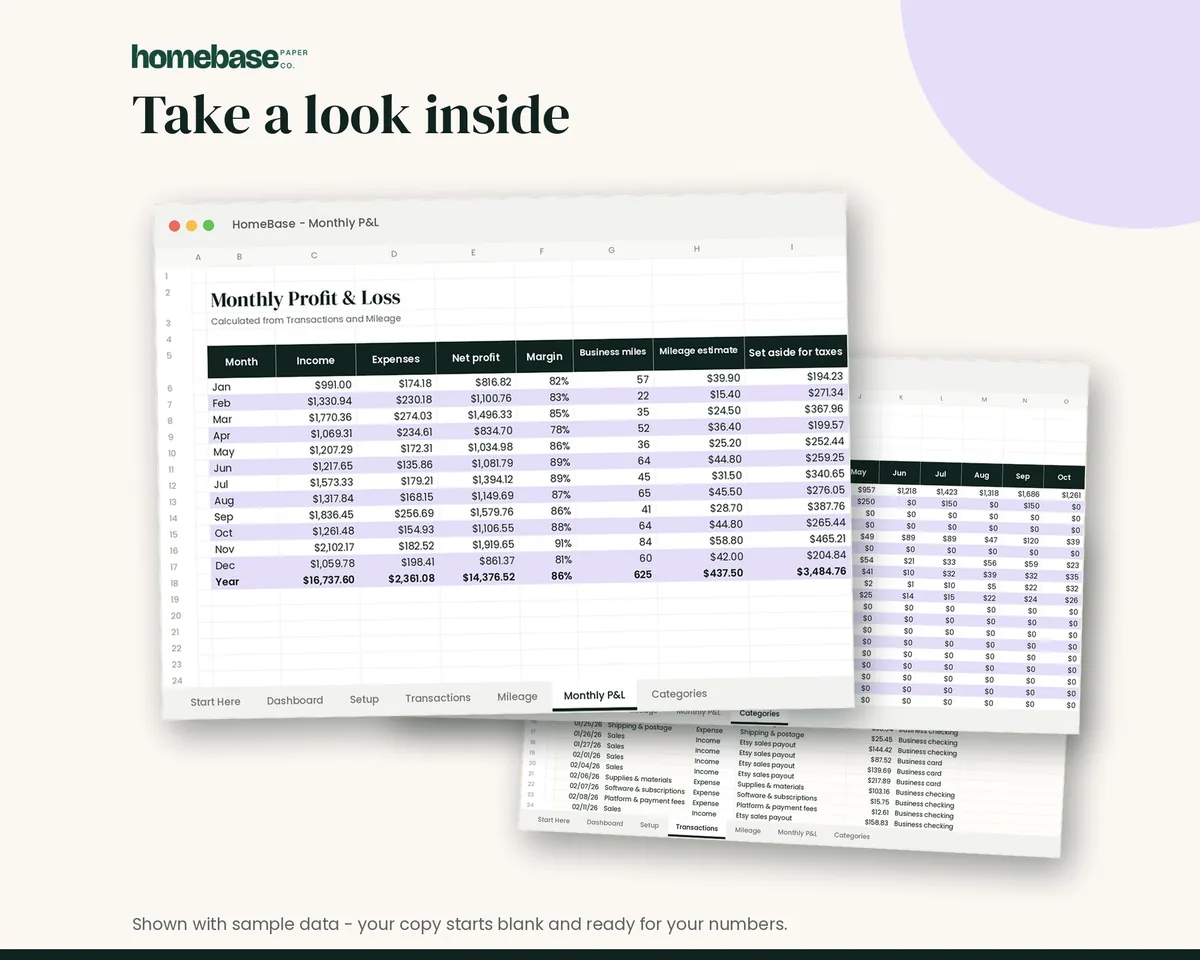
- A monthly profit and loss, plus month and year totals by category
- A monthly tax set-aside estimate based on a percentage you choose, so you can plan ahead for estimated tax payments
- A dashboard with a chart and a Start Here guide
The estimates are for your own records, not tax advice. Your preparer still makes the final call. One tip for 2026: the Setup sheet holds both 2026 mileage rates, 72.5 cents for trips through June 30 and 76 cents for trips on or after July 1, and each trip in the mileage log uses the rate for its date, so the mid-year change doesn't re-price trips you logged earlier in the year. If the IRS changes a rate, update it on the Setup sheet; the sheet reminds you to check the current IRS standard mileage rate each year.
If you own a rental, the Rental Property Tracker ($11.99) keeps rent, expenses and repairs separate by property, and our guide to tracking rental property income and expenses walks through the setup. You can browse every tool in Spreadsheets.
Just starting out and not ready to buy anything? Our free small business expense spreadsheet covers the basic date, category and amount log. Shopping for a fellow seller this season? See our gifts for business owners.
Keep the records after you file
Organized receipts help long after April. Pub 583's period-of-limitations table puts the usual window at 3 years, stretching to 6 years if you leave out income that's more than 25% of the gross income shown on your return. Employment tax records should be kept at least 4 years, and records on property you own until the limitations period ends for the year you sell or dispose of it. Our guide on how long to keep tax records has a simple keep-or-shred list, and the end-of-year financial checklist covers the household side of your December money review.
Keep copies of every invoice you send too; a numbered free invoice template with a payment log makes income easy to prove. On the buying side, a purchase order template gives each supplier order a number you can match to the bill.
I grew up the oldest of three in Detroit, and I was the one my family counted on to keep track of things. A business is the same: if you keep a list, keep the records and check them before the deadline, the deadline gets a lot less scary. Print this checklist, pour something warm, and work through one table at a time.
Make it easier
Tools for this
Spreadsheets
Business Income & Expense Tracker
Log sales, expenses and business miles - see your monthly profit, category totals for tax time and how much to set aside.
Spreadsheets
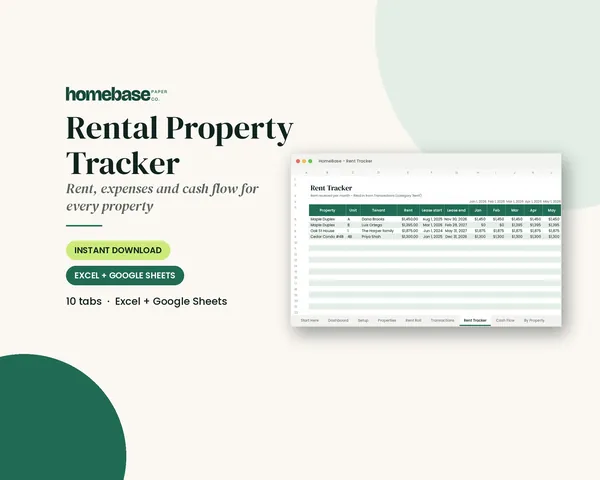
Rental Property Tracker
Log rent and expenses once - see who has paid each month, cash flow per property and category totals for tax time.
Spreadsheets
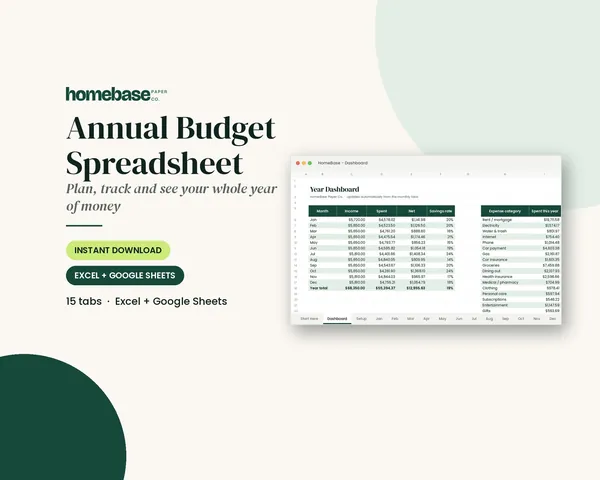
Annual Budget Spreadsheet
See exactly where your money goes every month - without complicated software.
Frequently asked questions
What is a small business tax deduction checklist? A small business tax deduction checklist is a list of common business write-offs paired with the record that proves each one. You go through it before December 31 and again before you file, check every category you actually spent money in, and make sure a receipt, invoice, bank entry or log backs up each dollar. It works best when your expenses are already sorted by category all year, which is what the Business Income & Expense Tracker ($7.99) is built to do. This is general education, not tax advice, so take your totals to a tax professional or your tax software for the final calls.
What expenses can a small business deduct? A small business can generally deduct costs that are ordinary and necessary for its line of work. IRS Publication 334 defines ordinary as common and accepted in your field and necessary as helpful and appropriate for your business. Common examples include advertising, platform and payment fees, contract labor, insurance, business loan interest, professional fees, office expenses, rent, repairs, supplies, licenses, utilities, wages, business miles, travel, 50% of most business meals, and a qualifying home office. Personal costs, commuting, entertainment and government fines are generally not deductible.
How do I keep track of business expenses for taxes? The easiest way to track business expenses for taxes is to log every transaction with a date, category and amount as it happens. A separate business bank account makes this much simpler, because your statement becomes a second record of every purchase. The Business Income & Expense Tracker ($7.99) gives you that log with a category dropdown, a mileage log, a monthly profit and loss and year totals by category for Excel and Google Sheets. Save a photo of every receipt and note where it lives so you can match records to entries at year end.
Is there a spreadsheet for small business tax deductions? Yes, a business expense spreadsheet sorted by deduction category is the simplest way to get tax-ready numbers. Our Business Income & Expense Tracker ($7.99) comes with ready-made categories such as supplies and materials, packaging, shipping and postage, platform and payment fees, advertising, software and subscriptions, equipment, phone and internet, professional fees, contract labor, travel and bank fees, and it totals each one by month and year. You can rename the categories to fit your business. If you just need a basic log to start, our free small business expense spreadsheet covers date, category and amount.
What records do I need to prove a business deduction? You need documents that show what you paid, when, to whom and why it was for the business. IRS Publication 583 lists supporting documents such as sales slips, paid bills, invoices, receipts, deposit slips and canceled checks. Some costs need extra detail: travel needs the business reason for the trip, meals need who was there and the business purpose, gifts need who received them, and car expenses need a mileage log. Publication 463 says a record made at or near the time of the expense has more value than a statement prepared later from memory.
What is the 2026 IRS mileage rate for business? The 2026 business standard mileage rate is 72.5 cents per mile from January 1 through June 30 and 76 cents per mile from July 1 through December 31. Both rates come from the IRS standard mileage rates page, and the 2025 rate was 70 cents. Because the rate changed mid-year, your mileage log needs a date on every trip so each mile is counted at the right rate. Business parking fees and tolls can be added on top of the standard rate, but driving between home and your regular workplace is commuting and doesn't count.
How does the mileage log in the Business Income & Expense Tracker handle the 2026 rate change? The Business Income & Expense Tracker's mileage log handles the 2026 rate change automatically: the Setup sheet holds two mileage rates, each with its own start date, and every trip uses the rate in effect on its date. It comes set to 72.5 cents per mile from January 1 and 76 cents per mile from July 1, so trips dated before July 1 use the first rate and trips on or after July 1 use the second, and updating one rate doesn't re-price the trips from the other half of the year. Keep logging the date, purpose, route, odometer readings and miles for every trip, which are the details the IRS expects, because the date decides which rate applies. The Monthly P&L sheet totals your business miles and mileage estimate by month. Treat the deduction column as an estimate for your own records, not tax advice, and check the current IRS standard mileage rate each year; your tax professional or tax software makes the final call.
Can I deduct my home office? You may be able to deduct a home office if the space is used regularly and exclusively for your business. It generally also needs to be your principal place of business or a place where you meet clients or customers. The simplified method multiplies $5 by the square footage used for business, up to 300 square feet, for a maximum of $1,500 with very little paperwork. The actual-expense method uses the business share of rent, utilities, insurance and repairs and is figured on Form 8829. Either way the deduction goes on line 30 of Schedule C, and you should keep measurements of the space.
Are business meals still deductible? Most business meals are still deductible, but generally only at 50%. IRS Publication 334 says deductions for meal expenses generally remain limited to 50%, and Publication 463 explains that you can deduct 50% of a business meal if you or an employee are present and the food and drinks aren't lavish or extravagant. That covers meals on an overnight business trip and meals with a current or potential customer, client or business contact. Keep the itemized receipt and write down who was there and the business purpose. Entertainment, such as event tickets, is a separate category and is generally not deductible even when a client comes along.
How much can I deduct for business gifts? You can deduct up to $25 per person per year for business gifts. IRS Publication 463 sets that limit for gifts you give directly or indirectly to each person during the tax year. Incidental costs that don't add substantial value to the gift, like gift wrapping, packaging and mailing, generally don't count toward the $25. Keep the receipt and a note of who received each gift, and log gifts as their own category so they're easy to total at year end.
Can I deduct startup costs for a new small business? You can elect to deduct up to $5,000 of start-up costs and up to $5,000 of organizational costs in your first year. IRS Publication 583 explains that each $5,000 amount is reduced by the amount that type of cost goes over $50,000, and anything left over is amortized. Start-up costs are things like market research, early advertising and training before you opened. Organizational costs are the costs of setting up a corporation or partnership, such as state filing and legal fees; if you formed a single-member LLC that's taxed as a sole proprietorship, ask your tax professional how to treat the formation fees. Keep the pre-opening invoices and write down the date your business actually began.
Which deductions don't go on Schedule C? Several valuable self-employed deductions are claimed on your Form 1040 rather than on Schedule C. The big ones are half of your self-employment tax, self-employed health insurance premiums, your own contributions to a SEP, SIMPLE or other qualified retirement plan, and the qualified business income deduction of generally up to 20%. Your tax software or preparer figures most of these from your net profit, so the most useful thing you can bring is an accurate profit number, which the Business Income & Expense Tracker's monthly profit and loss gives you.
What can't a small business deduct? A small business generally can't deduct personal, living and family expenses, even if they're paid from the business account. IRS Publication 334 also says you usually can't deduct entertainment, club dues, political contributions, lobbying, government fines and penalties for breaking the law, or charitable contributions as business expenses, and it treats driving between home and your regular workplace as personal commuting. Property improvements are capitalized and depreciated rather than deducted all at once. And as a sole proprietor you can't deduct your own salary or owner draws, because your profit is what's taxed.
Do I need to pay estimated taxes as a small business owner? Yes, you generally need to pay estimated tax if you expect to owe $1,000 or more when you file. IRS Publication 334 says payments are due on the 15th day of the 4th, 6th and 9th months of your tax year and the 15th day of the month after it ends, which for calendar-year filers means April, June, September and January. The Business Income & Expense Tracker ($7.99) shows a monthly tax set-aside estimate based on your profit and a percentage you choose, so you can move money aside before each due date. It's a planning number, not a calculation of what you owe, so confirm your payments with a tax professional or Form 1040-ES.
When should I go through my tax deduction checklist? Go through your tax deduction checklist twice: once in December and once before you file. The December pass lets you spot missing receipts, unlogged mileage and subscriptions charged to a personal card while you can still fix them, and lets you see your profit before the year closes. Under the cash method most expenses count in the year you pay them, but prepaid costs only count for the part that applies to the current year. The second pass, in January or February, confirms your totals and records before you hand them to a preparer or your tax software.
How long should I keep business tax records? Keep most business tax records for at least 3 years after you file. IRS Publication 583's period-of-limitations table extends that to 6 years if you leave out income that's more than 25% of the gross income shown on your return, and to 7 years for a worthless securities or bad debt deduction. Keep employment tax records for at least 4 years. Records for equipment and other property should be kept until the limitations period ends for the year you sell or dispose of it. Digital copies are fine as long as they're readable and backed up.
Is this checklist tax advice? No, this checklist is general education, not tax advice. It's meant to help you organize your records and totals so your tax professional or tax software can do its job quickly and accurately. Tax rules change and every business is different, so confirm deductions, limits and filing details with a qualified tax professional or the IRS before you file. The Business Income & Expense Tracker's estimates are for your own records, too.
More from HomeBase
You may also like

Printables
Budget Planner Printable
Twelve undated pages you can print every month: budget, bills, spending, savings and debt.
Spreadsheets
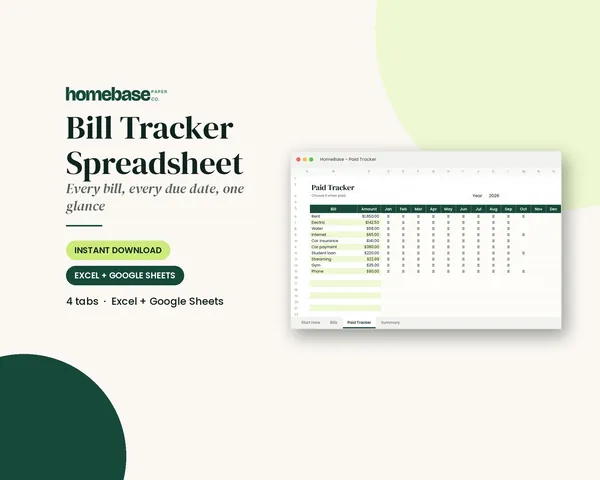
Bill Tracker Spreadsheet
Bills due in 3 days or less light up red, so nothing slips through.
Spreadsheets
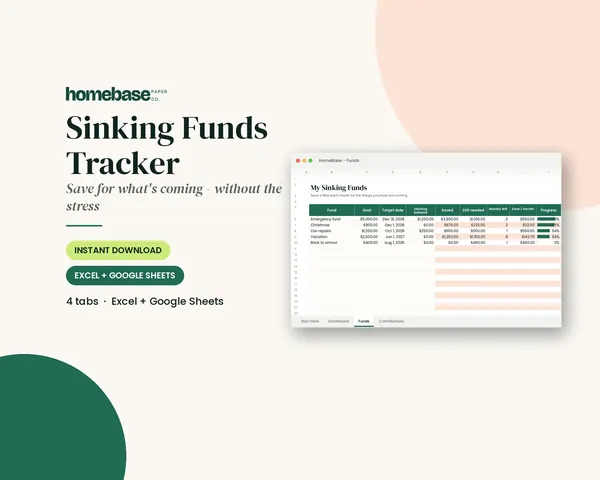
Sinking Funds Tracker
It does the math: how much to set aside each month to hit every goal on time.
Spreadsheets
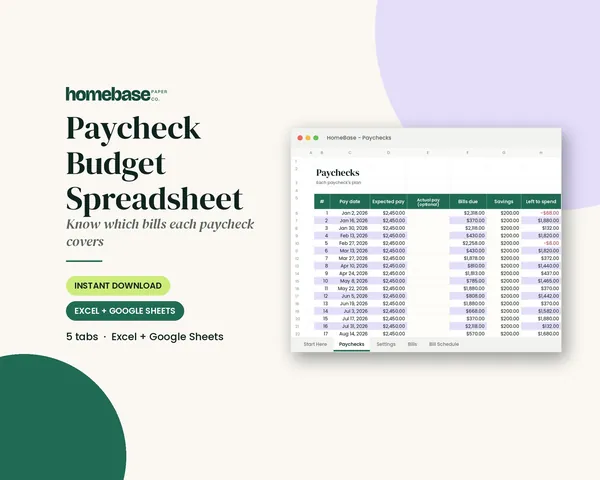
Paycheck Budget Spreadsheet
Enter your bills once. The sheet tells you which paycheck pays each one, all year.
 Club
Monthly club
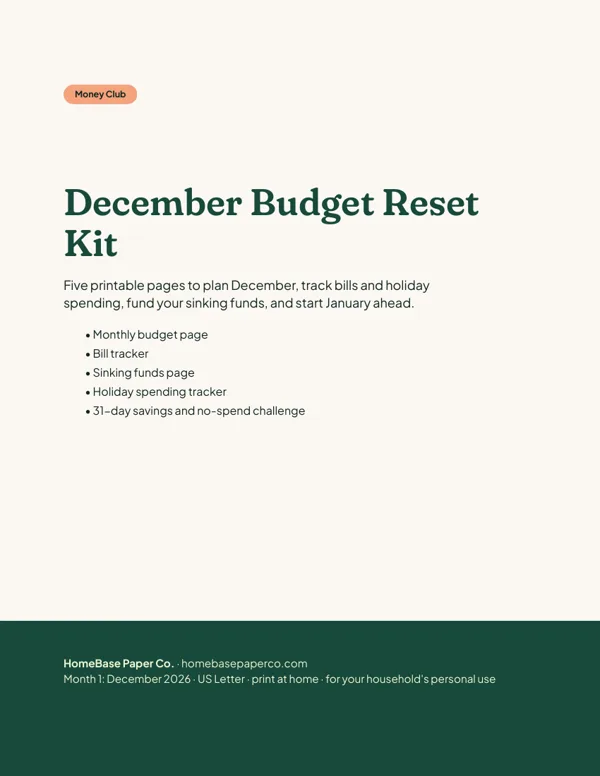
Money Club
Anyone who wants a clear plan for the month's bills, holiday spending and savings.
Free printable
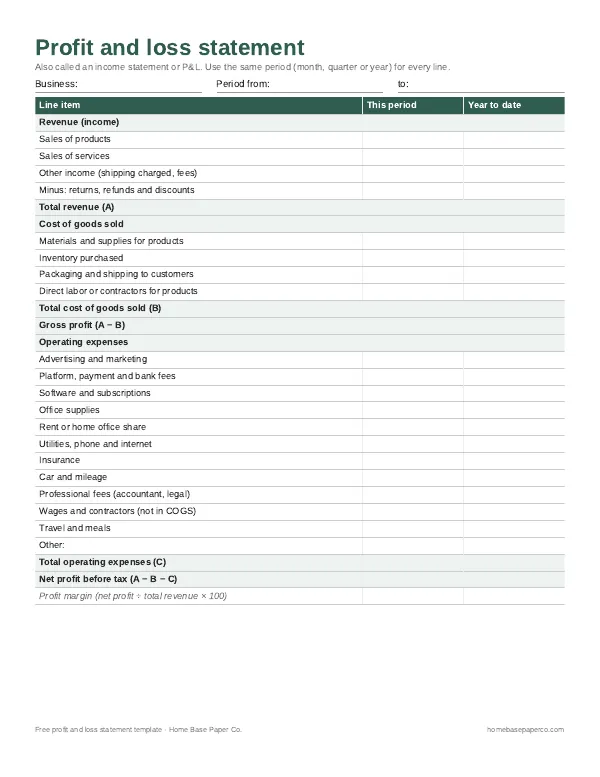
Know your real profit: get the free P&L template
A printable profit and loss statement that walks through revenue, costs and expenses line by line for any month, quarter or year. You'll also get our weekly HomeBase email with simple small business paperwork and money tips.