The short answer: good small business ideas start with a skill you already have, a need people near you will pay for and a startup cost you can afford.
- 30 ideas grouped by type
- Each with startup cost level, skills and licenses to check
- Test first: talk to 10 potential customers
- Count your real costs and decide after a month
- Next step: Plan it with the Business Income & Expense Tracker ($7.99).
Good small business ideas start with a skill you already have, a need people near you will pay for and a startup cost you can afford. The SBA's guide to planning a business recommends doing market research and competitive analysis, writing a business plan and calculating startup costs before you begin. Below are 30 ideas grouped by type, with the startup cost level, the skills each needs and the licenses to look into. After the list, you will find how to test an idea, keep it legal and keep the money organized from day one.
30 small business ideas
Startup cost levels are rough: low means you can usually start with tools you own or a small purchase, medium means equipment or supplies, and higher means a vehicle, space or significant inventory. Rules vary a lot by location, so treat the last column as a list of things to check, not legal advice. When comparing startup funding options, read about small business grants and check the eligibility requirements before applying.
| Type | Idea | Startup cost | Skills or needs | Rules to check |
|---|---|---|---|---|
| Home and services | House cleaning | Low | Reliable, detail-minded | Business license; liability insurance |
| Home and services | Lawn care and yard cleanup | Low to medium | Equipment, physical work | Business license; insurance |
| Home and services | Handyman repairs | Medium | Repair skills, tools | Contractor rules vary by state and job size |
| Home and services | Pressure washing | Medium | Equipment, careful with surfaces | Insurance; water rules |
| Home and services | Junk removal | Medium | Truck or trailer | Disposal and hauling rules |
| Home and services | Home organizing | Low | Patience, a good eye | Business license |
| Pets | Dog walking | Low | Love of dogs, local reputation | Insurance; local permits |
| Pets | Pet sitting | Low | Trustworthy, flexible schedule | Insurance; bonding is common |
| Pets | Mobile pet grooming | Higher | Grooming training, a van | Local permits |
| Food | Baking from home | Low to medium | Recipes people ask for | Cottage food laws vary by state |
| Food | Meal prep for busy families | Medium | Cooking, planning | Food handling permits |
| Food | Food truck | Higher | Cooking, long hours | Health permits, vehicle rules |
| Creative | Photography | Medium | Camera skills, editing | Business license; contracts |
| Creative | Handmade goods (candles, soap, jewelry) | Low to medium | Craft skills | Product safety and labeling rules |
| Creative | Printables and digital templates | Low | Design, organization | Sales tax on digital goods varies |
| Creative | Graphic design | Low | Design software | Business license |
| Professional | Bookkeeping | Low | Accuracy, software skills | Some states regulate tax preparation |
| Professional | Virtual assistant | Low | Organization, communication | Business license |
| Professional | Freelance writing or editing | Low | Writing skills | Business license |
| Professional | Social media management | Low | Platform know-how | Business license |
| Professional | Tutoring | Low | Subject expertise | Background check for work with minors |
| Professional | Resume writing | Low | Writing, hiring know-how | Business license |
| Care | Senior companion services | Low | Patience, reliability | Rules differ for non-medical vs. medical care |
| Care | Child care in your home | Medium | Experience with kids | State child care licensing |
| Retail | Reselling thrift and vintage finds | Low | Eye for value | Sales tax permit |
| Retail | Online store for a niche product | Medium | Marketing, product sourcing | Sales tax permit |
| Events | Event planning | Low | Organization, vendor contacts | Business license; contracts |
| Events | Party rentals | Higher | Storage, transport | Insurance |
| Vehicles | Mobile car detailing | Medium | Equipment, attention to detail | Water runoff rules |
| Fitness | Personal training | Low to medium | Certification | Liability insurance |
How to pick the right idea for you
Score your top three ideas on these questions, from 1 to 5:
- Skill: can you do this well today?
- Demand: do people near you, or online, already pay for it?
- Cost: can you start without debt?
- Time: does it fit around your job or family?
- Enjoyment: would you still like it after 50 customers?
The highest score is not always the winner, but a low score on demand or cost is a warning sign.
How to test an idea before you spend money
- Talk to 10 potential customers. Ask what they pay now and what frustrates them.
- Check the competition. The SBA suggests looking at direct and indirect competitors and what customers pay for alternatives.
- Offer it to a few people first, such as friends of friends or a neighborhood group, at a fair price.
- Count your real costs for those first jobs, including time and travel.
- Decide after a month whether to keep going, change the offer or try another idea.
The basic steps to start
When you set up your books, our guide to the general ledger explains how transactions are posted by account.
- Write a simple plan: who your customers are, what you will charge and what it costs to start. Our free business plan template walks you through each part.
- Choose a structure. Many people start as a sole proprietor; an LLC adds some separation between business and personal assets.
- Register and get licenses. Check city, county and state requirements.
- Get an EIN if you need one. It is free from the IRS and is needed for hiring or for some business bank accounts.
- Open a separate bank account.
- Get insurance suited to the work, especially for services in people's homes.
- Set up bookkeeping before your first sale.
The SBA also offers free business counseling through its partners if you want a mentor.
Taxes: hobby or business?
The IRS explains the difference between a hobby and a business with questions such as whether you carry on the activity like a business, keep complete and accurate books and records, and depend on the income. Businesses can deduct ordinary expenses; hobbies generally cannot. For more on this topic, see our small business hub.
Hiring help or working as a contractor? Our guide on 1099 vs W2 explains the tax, benefit and pay differences. Ready to hire an employee? Our job posting template lays out duties, pay range and qualifications.
The IRS self-employed tax center says you must file a return if your net earnings from self-employment are $400 or more, and that self-employed people generally pay self-employment tax (Social Security and Medicare) as well as income tax, usually through quarterly estimated payments. Setting aside a share of every payment keeps April from being a shock. This is general information, not tax advice.
Keep the money organized from day one
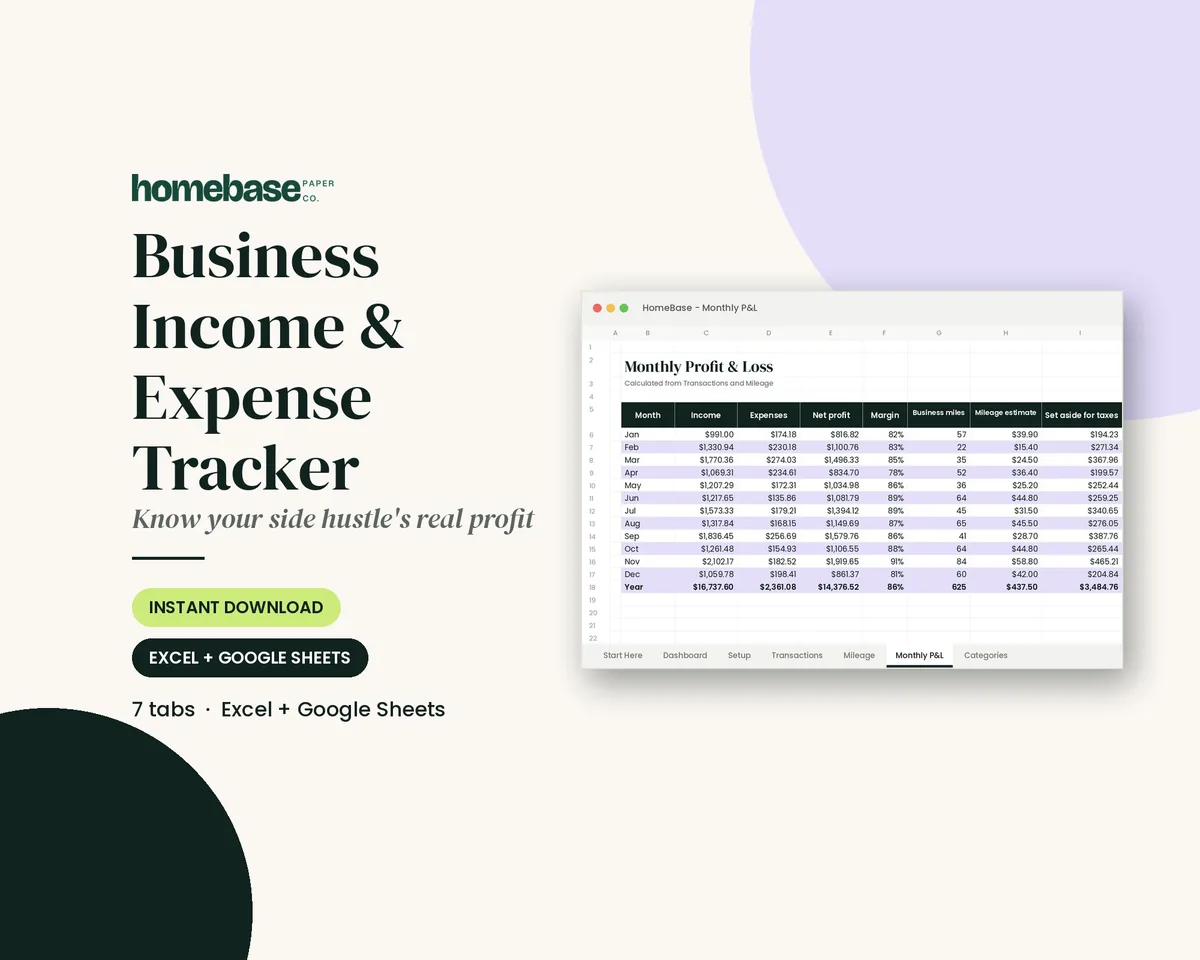
Clean records answer the questions that matter: is this making money, which jobs pay best and how much should you set aside for taxes? The Business Income & Expense Tracker ($7.99) is a 7-tab spreadsheet for Excel and Google Sheets. Log income, expenses and business miles once, and it builds a monthly profit and loss, totals by category for tax time, a mileage deduction estimate and a monthly tax set-aside estimate, with a dashboard that shows the year at a glance. It ships as an .xlsx file in a ZIP with a Start Here PDF.
If you are new to it, start with what is bookkeeping and the records the IRS suggests keeping.
If you just want a basic log first, our free small business expense spreadsheet has a transaction log and category totals. When you are ready to bill clients, use our free invoice template, and at year end see the small business tax deduction checklist and the profit and loss statement template.
Common mistakes new owners make
- Mixing business and personal money, which makes taxes and profit hard to see.
- Underpricing to win the first customers, then never raising prices.
- Skipping insurance for work in other people's homes.
- Buying equipment before you have customers.
- Not saving for taxes from each payment.
- Saying yes to every job, even ones that lose money.
If your idea needs startup money, compare small business loans, including SBA microloans, before you borrow.
Make it easier
Tools for this
Spreadsheets
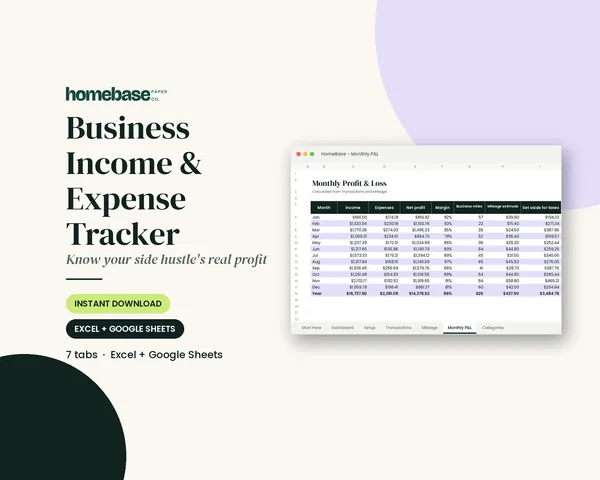
Business Income & Expense Tracker
Log sales, expenses and business miles - see your monthly profit, category totals for tax time and how much to set aside.
Frequently asked questions
What are the best small business ideas to start? The best small business ideas to start are usually ones that use a skill you already have, have low startup costs and serve people near you, such as house cleaning, dog walking, tutoring, bookkeeping or home organizing. These can start with little equipment and grow as you get clients. The best one for you depends on your skills, budget and local demand.
What small business can I start with little money? Small businesses you can start with little money include dog walking, pet sitting, house cleaning, tutoring, freelance writing, virtual assistant work, social media management and reselling thrift finds. Most need a phone, a laptop or basic supplies more than a big investment. Service businesses are generally cheaper to start than ones that need inventory or a storefront.
What are good small business ideas to run from home? Good small business ideas to run from home include bookkeeping, graphic design, freelance writing, virtual assistant services, online tutoring, printables and digital templates, baking under your state's cottage food law, and handmade goods. Check local zoning rules for home businesses, especially if customers will visit your house.
How do I choose the right small business idea? Choose the right small business idea by matching three things: what you are good at, what people nearby will pay for, and what you can afford to start. The SBA suggests doing market research and competitive analysis before you commit. Talk to potential customers, look at who already offers it and estimate your startup costs.
Do I need a license to start a small business? Most small businesses need at least a local business license or registration, and some need state licenses or permits, such as food, child care, contractors and cosmetology. Requirements depend on your city, county, state and type of business. Check with your city or county clerk and your state's business office before you start taking money.
Is my side business a hobby or a business for taxes? Whether your side income is a hobby or a business for taxes depends on factors the IRS lists, such as whether you run it like a business, keep complete and accurate books and records, and intend to make a profit. A business can deduct its expenses. A hobby generally cannot. Keeping organized records is one of the clearest signs of a real business.
Do I have to pay taxes on small business income? Yes, you generally have to pay taxes on small business income. The IRS says you must file a tax return if your net earnings from self-employment were $400 or more, and self-employed people usually pay self-employment tax plus income tax. Most also pay estimated tax quarterly because no employer is withholding it.
How much money do I need to start a small business? The money you need to start a small business ranges from almost nothing for a service business that uses tools you own, to many thousands of dollars for a food truck, retail space or equipment-heavy work. The SBA offers a startup cost calculator. List one-time costs and three to six months of monthly costs before you begin.
Do I need a business plan for a small business? You do not always need a formal business plan, but writing even a one-page plan helps you think through customers, pricing, costs and goals. If you want a loan or investors, a full plan is usually expected. The SBA has business plan templates and free counseling through SCORE mentors and Small Business Development Centers.
How should I keep track of small business money? Keep small business money separate from personal money, ideally with its own bank account, and log every sale, expense and business mile as it happens. The Business Income & Expense Tracker ($7.99, Excel and Google Sheets) has income and expense logs, a monthly profit and loss, a mileage log with a deduction estimate and a tax set-aside estimate.
What small business ideas are good for beginners? Good small business ideas for beginners are simple services with few moving parts, such as pet sitting, house cleaning, lawn care, tutoring and reselling. They let you learn pricing, customer service and bookkeeping before taking on bigger risks. Start small, keep your day job if you can, and grow once you have steady clients.
How do I price my products or services? Price your products or services by adding up your costs per job (materials, travel, fees and your time), adding a profit margin, then checking what similar local businesses charge. Many new owners underprice and burn out. Track every job for a few months to see your real profit, then adjust.
More from HomeBase
You may also like
Printables
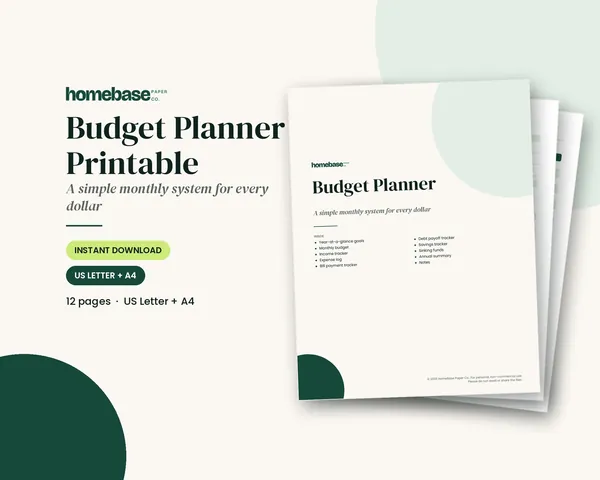
Budget Planner Printable
Twelve undated pages you can print every month: budget, bills, spending, savings and debt.
Spreadsheets
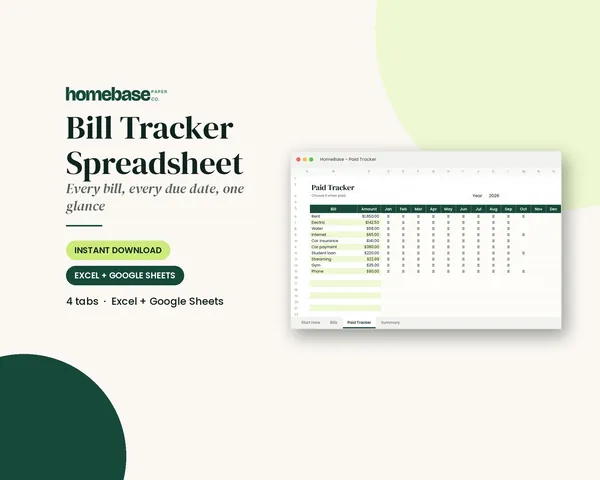
Bill Tracker Spreadsheet
Bills due in 3 days or less light up red, so nothing slips through.
Spreadsheets
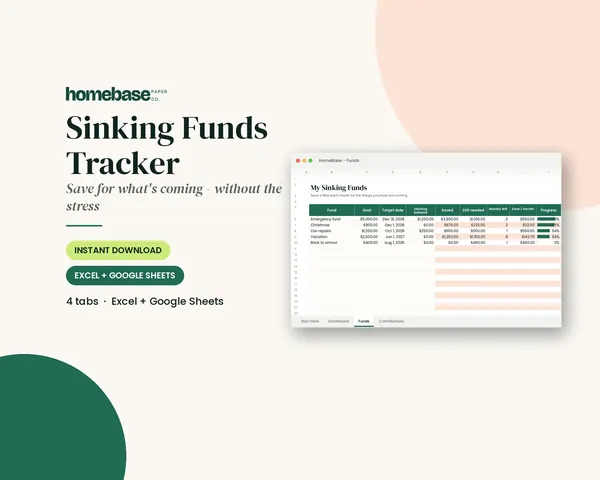
Sinking Funds Tracker
It does the math: how much to set aside each month to hit every goal on time.
Spreadsheets
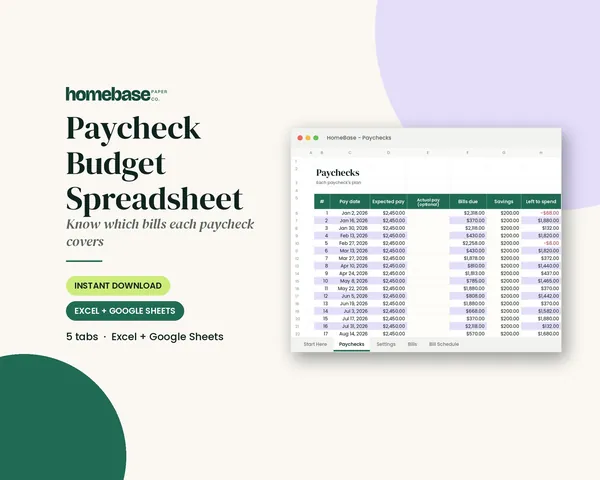
Paycheck Budget Spreadsheet
Enter your bills once. The sheet tells you which paycheck pays each one, all year.
 Club
Monthly club
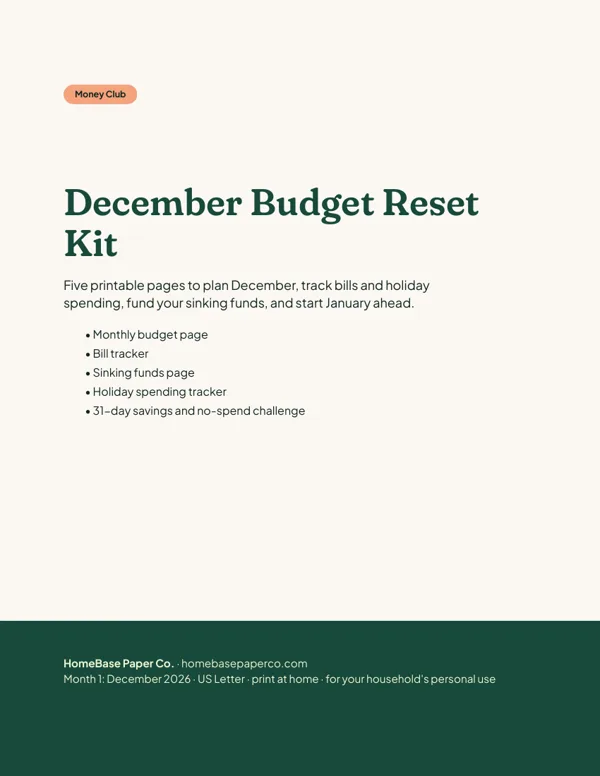
Money Club
Anyone who wants a clear plan for the month's bills, holiday spending and savings.
Free printable
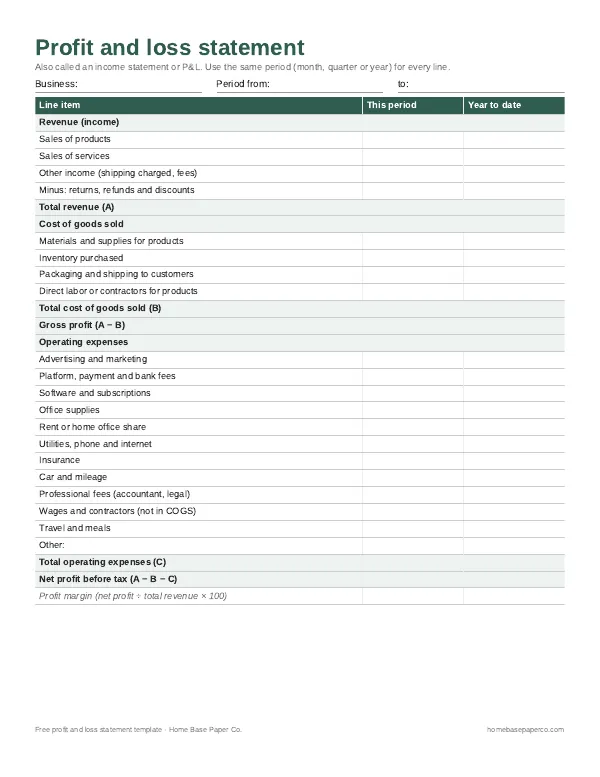
Know your real profit: get the free P&L template
A printable profit and loss statement that walks through revenue, costs and expenses line by line for any month, quarter or year. You'll also get our weekly HomeBase email with simple small business paperwork and money tips.